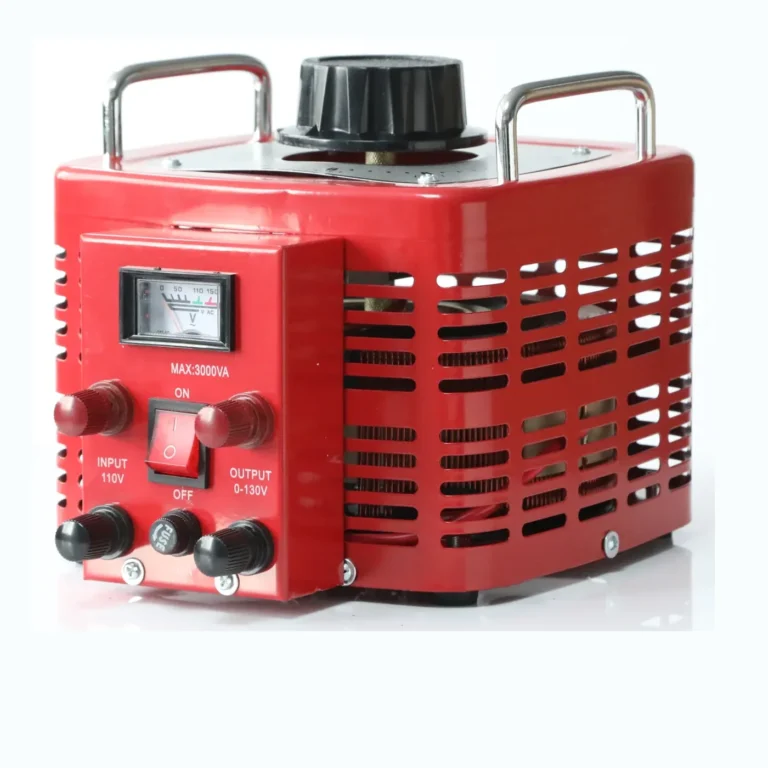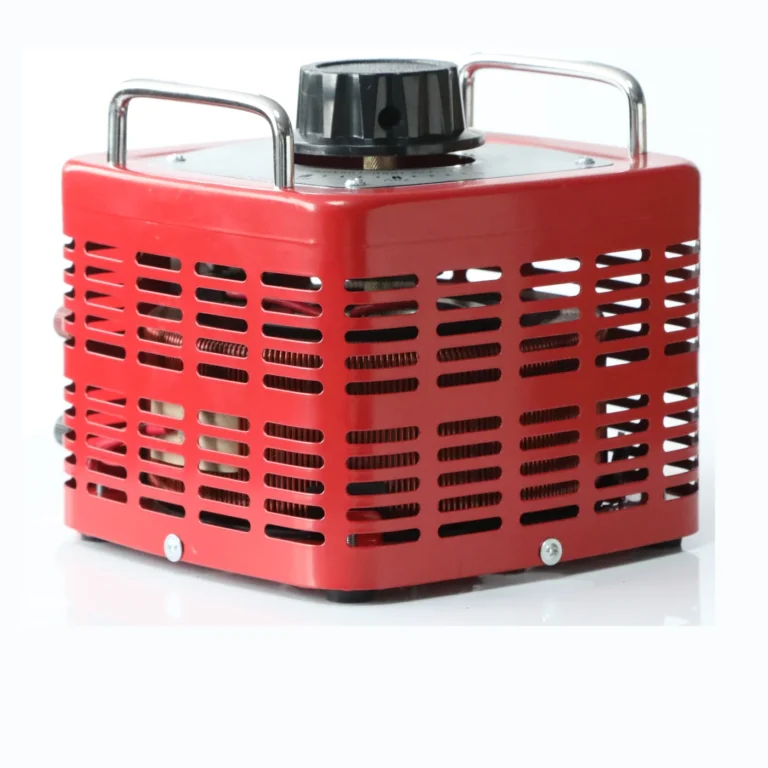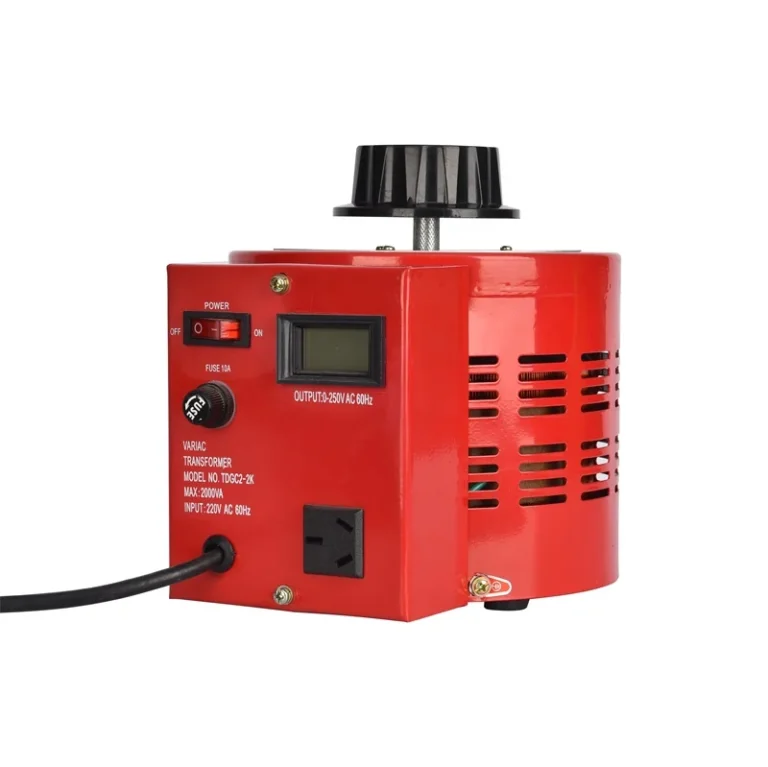
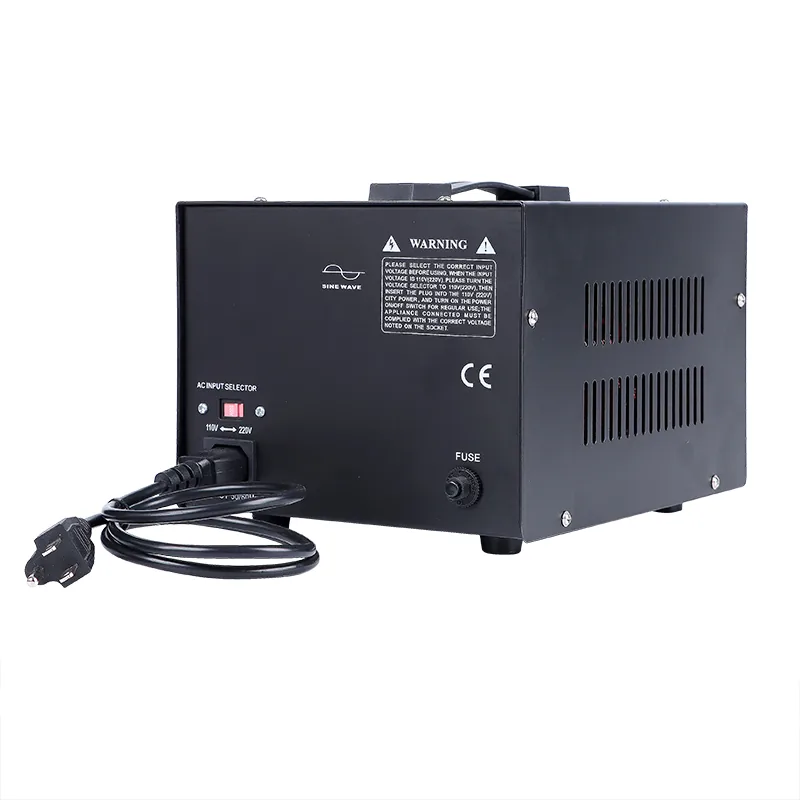
Voltage Transformer Size Guide: 1000W to 10000W
Quick answer: transformer size is measured in VA, and the rule is simple: appliance watts x 1.25, rounded up to the nearest standard size. A 1000W load needs a 1500VA transformer; 2000W needs 3000VA; 5000W needs 6000VA–which we build as a 5000VA or 10000VA unit depending on the load profile. Undersizing is the #1 cause of transformer failure.
Key Takeaways
- Transformer size = appliance watts x 1.25, rounded up.
- VA matters, not watts, for inductive loads.
- Start-up surge can be 3-5x running watts.
- A transformer at 70-80% load runs cool and lasts years.
Size Chart at a Glance
| Transformer | Safe load |
| 1000VA | Up to 700W |
| 3000VA | Up to 2600W |
| 5000VA | Up to 4500W |
Why VA, Not Watts?
Transformers are rated in VA (volt-amps) because real-world loads are not purely resistive — motors, pumps and compressors draw current that is not perfectly in phase with voltage. VA accounts for that. As a rule of thumb for household appliances, treat VA as “watts plus a safety margin”.
Transformer Size Chart (1000W to 10000W)
| Transformer | Safe continuous load | Typical uses |
| 500VA | Up to 400W | Chargers, lamps, small electronics |
| 1000VA | Up to 700W | TVs, printers, small appliances |
| 1500VA | Up to 1100W | Blenders, coffee machines, tools |
| 2000VA | Up to 1600W | Fridges, microwaves, washers |
| 3000VA | Up to 2600W | Heavy appliances, ACs, workshops |
| 5000VA | Up to 4500W | Air conditioners, commercial loads |
| 10000VA | Up to 9000W | Industrial machines, whole circuits |
The 20–30% Rule, Explained
Add 20–30% to your appliance’s running watts, then pick the next size up. Why?
- Start-up surge: motors and compressors draw 3-5x running current for a moment at start.
- Heat: a transformer running at 100% of rating runs hot; at 70–80% it runs cool and lasts years.
- Future-proofing: you will likely plug something bigger in later.
A 2000W appliance on a 2000VA transformer will work — but it runs at the edge. On a 3000VA unit it runs comfortably. The extra cost is small; the peace of mind is not.
Which Size for Your Appliance?
- 1000W load (coffee machine, microwave) → 1500VA
- 2000W load (washer, dryer, water heater) → 3000VA
- 3000W load (large AC, heavy workshop tools) → 5000VA
- 5000W load (commercial, industrial) → 10000VA, or a custom unit
Common Sizing Mistakes
- Reading the appliance watts and buying the same VA. You need headroom — always size up.
- Forgetting surge. Refrigerators, pumps and ACs spike hard at start.
- Buying electronic converters for heavy loads. See our voltage converter vs transformer guide .
- Not checking the input voltage. A 110V unit on 220V mains is a fire hazard. Match input first.
FAQ
What size transformer do I need for 2000W?
A 3000VA transformer. The 20–30% rule puts 2000W at 2500VA minimum — round up to 3000VA.
Can a 5000W step down transformer run an air conditioner?
Often yes, but ACs need careful sizing for start-up surge. Send us the AC’s watts and BTU and we will confirm.
Is bigger always better?
Within reason, yes — a larger transformer runs cooler and lasts longer. But it costs more and takes space. Right-sizing to the load plus margin is the sweet spot.
Do you make transformers above 10000W?
Yes — industrial sizes are built to order. Tell us the load and we will quote.
Where can I see the available sizes?
Browse our step up and step down transformer range for the standard lineup.
Still not sure which model fits?
Tell us your appliance, wattage and country — we reply within 24 hours with a straight recommendation.
The size range and what each covers
Our voltage transformer range runs from 1000VA to 10000VA, and the sizes map to applications. The 1000VA covers a single appliance or a small AV setup. The 2000VA covers a kitchen with several appliances. The 3000VA covers a workshop or a small office. The 5000VA covers a whole household zone or a commercial counter. The 10000VA covers a workshop or a small commercial installation with multiple simultaneous loads.
The size is decided by the total load under the 80% rule, not by a rule of thumb per room. A household with a heavy kitchen can need 3000VA where a lighter household needs 1000VA, and the appliance list, not the room count, decides.
Weight, size, and installation by rating
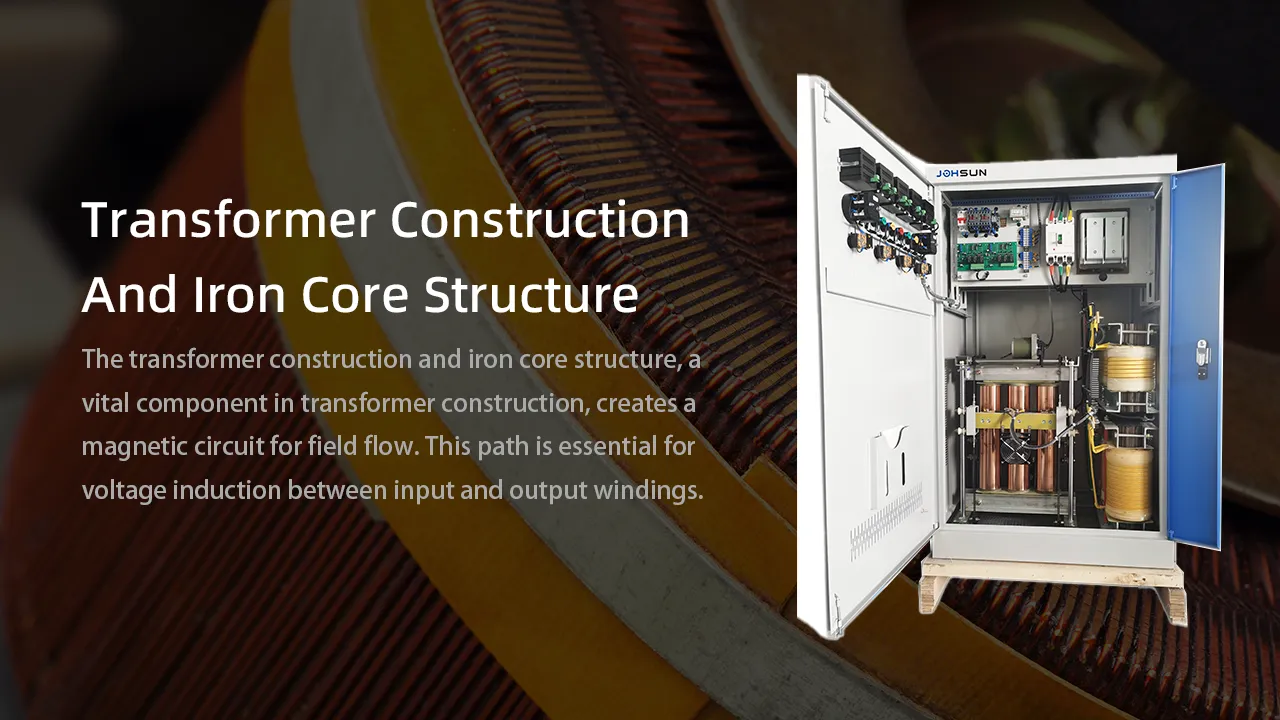
The physical size grows fast with the VA rating. A 1000VA unit weighs about 6 kg and mounts on a shelf. A 2000VA unit weighs about 11 kg and needs a sturdy shelf or wall bracket. A 5000VA unit weighs 25 to 30 kg and needs a floor stand or a reinforced wall mount. A 10000VA unit is a small cabinet, weighing 50 kg or more, and needs its own space and ventilation.
Plan the installation for the weight and the airflow before the unit arrives. The larger units also need the heavier input cable and the dedicated circuit, a 10000VA unit at 220V draws about 45 amps, which is a commercial-grade circuit, not a household socket.
Choosing the size for your situation
For a single expat with a couple of appliances, the 1000VA is enough. For a family kitchen, the 2000VA is the workhorse. For a home office with computers and printers, the 2000VA covers the desk. For a shop or a workshop, the 3000VA and 5000VA cover the benches. For a hotel or a small factory line, the 5000VA and 10000VA are the sizes.
When in doubt, the 2000VA is the most versatile size, and it is the one most of our household customers start with. If the load list grows, the 2000VA moves to a zone and a larger unit takes the main position, which is the upgrade path that wastes nothing.
The 80% rule at every size
The 80% rule applies at every size, from the 1000VA to the 10000VA. A 5000VA unit running at 4000W is at the same 80% margin as a 1000VA unit at 800W, and the margin is what keeps the windings cool and the unit alive. The rule does not scale away, a bigger unit needs the same headroom as a small one.
The temptation to run a big unit at 95% because it is big is exactly how big units fail. The core and windings are sized for the rating, and the thermal limit is the same physics at any size. The 80% rule is the one number that applies uniformly, and it is the first number on every sizing guide.
The installation requirements that scale
The installation requirements scale with the size. The 1000VA and 2000VA mount on a shelf. The 3000VA needs a sturdy bracket. The 5000VA needs a floor stand or a reinforced wall mount. The 10000VA is a cabinet that needs its own space, ventilation, and a commercial-grade circuit. The input cable and the breaker scale with the current, and the floor load matters at the top end.
Plan the installation before the unit arrives, because a 50 kg transformer that needs a reinforced mount is not a quick install. We provide the weight, the dimensions, and the mounting pattern for every size, so the electrician and the builder plan it into the design.
The upgrade path across the range
The upgrade path across the range is zone-based: start with the 2000VA for the kitchen, add a 1000VA for the AV, and upgrade the kitchen to 3000VA when the appliance list grows. The units move down the chain as the loads move up, which is the upgrade path that wastes nothing.
For a distributor, the stock mix across the range follows the market: 50% 2000VA, 30% 1000VA, 15% 3000VA, and 5% 5000VA and above. The mix covers the household and commercial demand, and the fast movers keep the stock turning.
The sizing table above assumes a single transformer per zone, and the one caution to add is about the heavy appliances. A water heater, an oven, or a workshop compressor can draw 2000 to 4000W on its own, and those need the 5000VA or 10000VA sizes even in a household where the rest of the loads are small. If your appliance list includes any heavy single load, size the transformer for that load plus the margin, and keep the heavy appliance on its own transformer rather than sharing with the kitchen loads. The 80% rule applies to the heaviest combination you will actually run, not the average of the day.
And a note on the three-phase units in the top of the range. The 10000VA single-phase unit covers most household and small commercial needs, but some workshops and factories run three-phase equipment, which changes the transformer entirely. A three-phase transformer is rated in kVA and uses the three-phase formula, and it is a different product from the single-phase range in this guide. If your equipment is three-phase, tell us at the inquiry stage, because the spec sheet, the cable, and the installation are all different, and a single-phase unit on a three-phase load is a mismatch that fails fast.