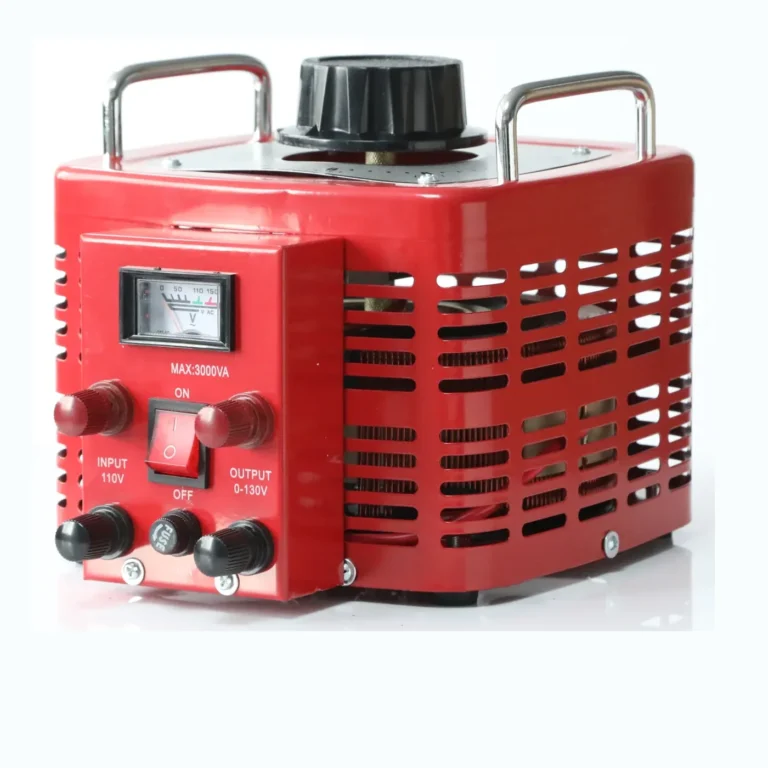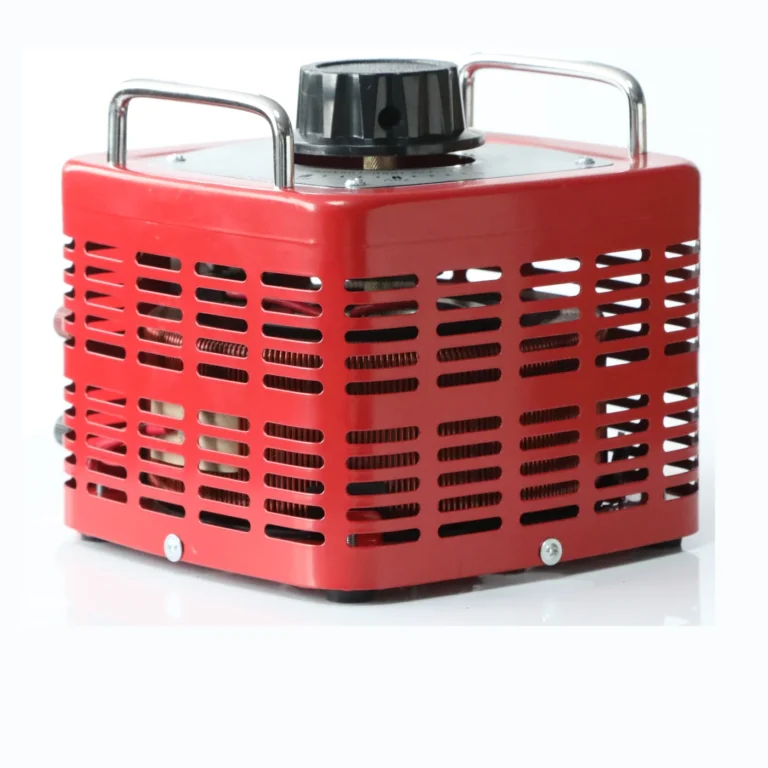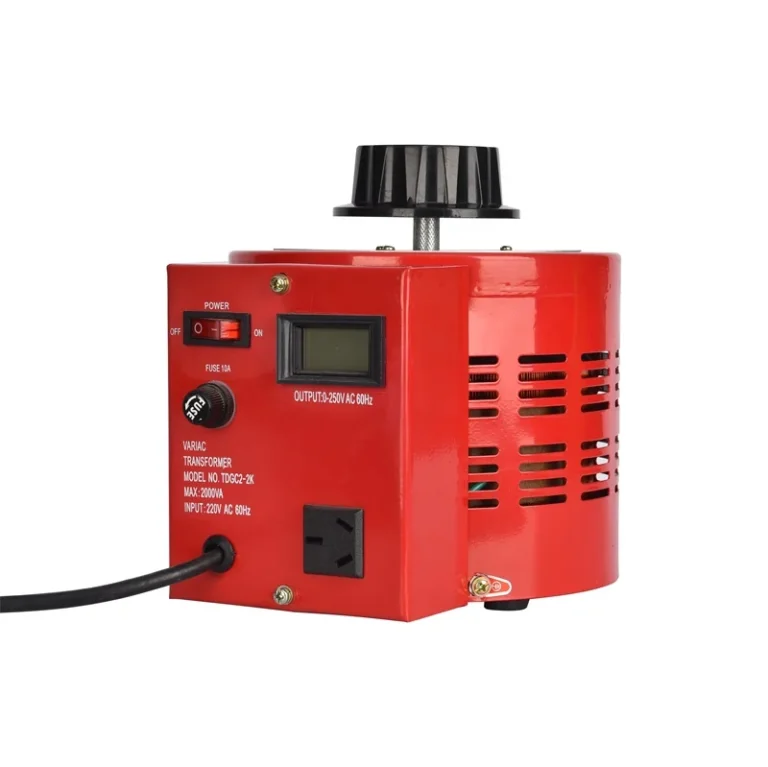
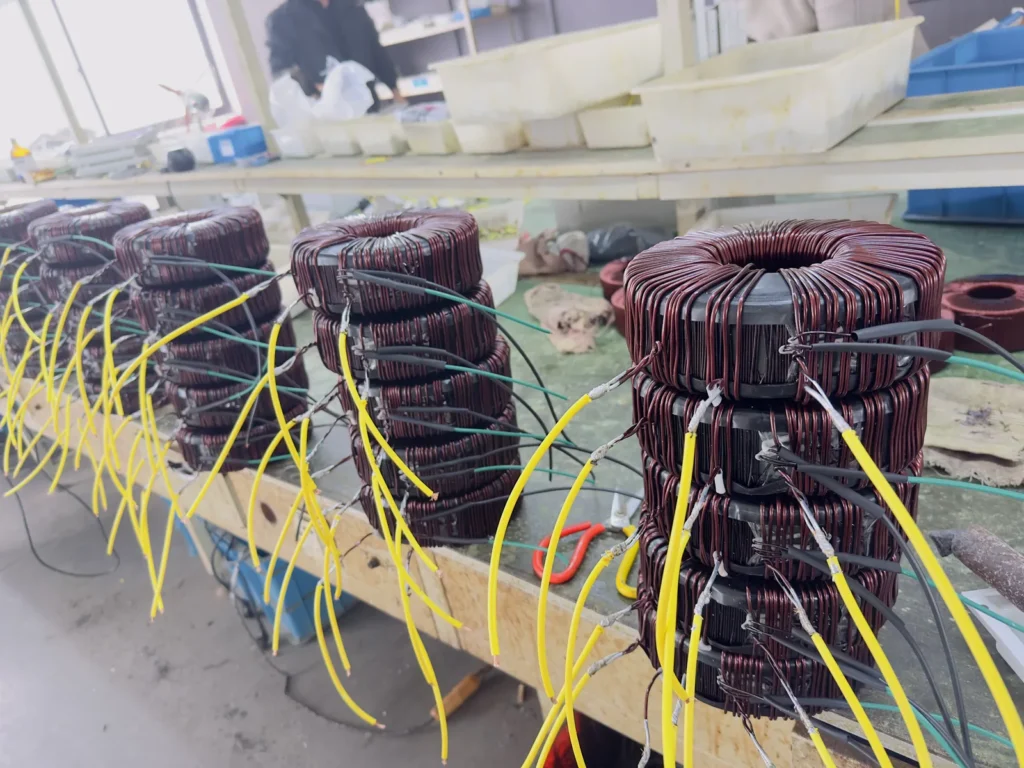
Step Down Transformer 220V to 110V: Sizing and Safety
Quick answer: a step down transformer converts 220V mains into 110V output, so US and Japanese 110V appliances run safely in 220V countries. Size it by adding 20–30% to the appliance wattage, and for anything with a motor or compressor add even more for the start-up surge. 2000W of load needs a 2000–3000VA transformer, not a 1500VA.
Key Takeaways
- A step down transformer converts 220V mains to 110V for US/JP appliances.
- Size for start-up surge, not just running watts.
- RCD protection matters for home use.
- 220-240V input is covered by standard units.
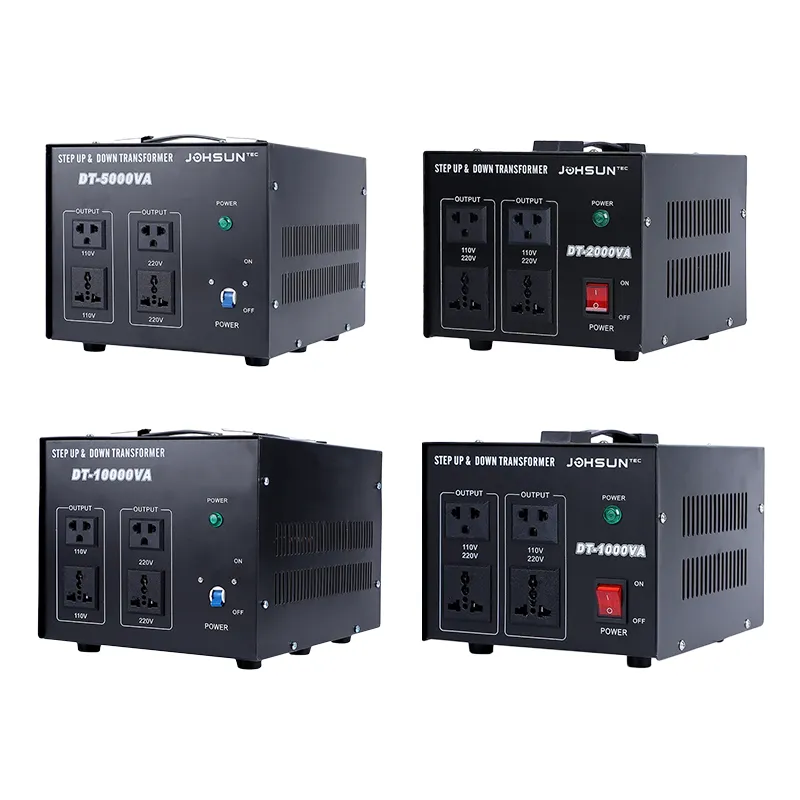
Quick Size Guide
| Load | Transformer |
| Up to 700W | 1000VA |
| Up to 1600W | 2000VA |
| Up to 4500W | 5000VA |
Who Needs a 220V to 110V Transformer?
This is one of the most common questions we get from the Middle East, Africa and Southeast Asia. You bought a US or Japanese appliance — a blender, a fridge, a power tool, a sewing machine — and your home runs on 220V. Plug it straight in and you risk a blown appliance, a tripped breaker, or worse. A step down transformer safely converts your 220V mains to 110V output, and your appliance runs exactly as it was designed to.
What Size Step Down Transformer Do You Need?
Use this as a starting point, then add 20–30% for safety:
| Appliance load | Recommended transformer |
| Chargers, lamps, small electronics (up to 200W) | 500VA |
| TVs, printers, small appliances (up to 700W) | 1000VA |
| Blenders, coffee machines, tools (up to 1100W) | 1500VA |
| Fridges, microwaves, washers (up to 1600W) | 2000VA |
| Large appliances, heavy tools (up to 2600W) | 3000VA |
| Air conditioners, workshop machines (up to 4500W) | 5000VA |
Important: fridges, freezers, pumps and air conditioners have a start-up surge of 3-5x their running watts. If a fridge label says 200W, size the transformer at 2000VA, not 500VA.
220V to 110V with RCD: The Safety Option
For home use we recommend a transformer with built-in residual current protection (RCD). It cuts power if current leaks to earth — the scenario that matters when you are running someone else’s 110V appliance on local mains. Our ST-2000 step down transformer is exactly this: a true copper-wound transformer with RCD, fuse and thermal protection in one unit.
What About 240V Input?
Some countries (UK, Australia, parts of the Middle East) run on 240V, and many appliances expect 230V. Most of our step down transformers accept 220–240V input and deliver 110–120V output, so the difference is covered. If you have a specific 240V-to-220V need for a European appliance, tell us — we can wind a dedicated unit.
Common Mistakes When Buying a Step Down Transformer
- Sizing to running watts only. Start-up surge is the hidden killer — size up.
- Buying an electronic converter for heavy loads. They are for chargers and laptops, not fridges or tools.
- Ignoring the plug. The output socket must match your appliance (US, EU or UK).
- Running it fully loaded for hours. Give headroom and ventilation; a cool transformer is a long-lived transformer.
FAQ
Can I plug a 110V appliance into a 220V socket with an adapter?
An adapter only changes the plug shape — it does not change voltage. You still need a step down transformer.
Will a 3000W step down transformer run my washing machine?
Usually yes — most washers draw 500–1500W running, but with the start-up surge a 3000VA unit gives safe margin.
Is a 5000W step down transformer enough for an air conditioner?
It depends on the AC’s BTU and running watts. Air conditioners need careful sizing — send us the AC’s wattage and we will confirm.
What is the difference between a converter and a transformer?
A transformer changes voltage with copper windings and handles continuous loads. Many cheap “converters” are electronic switchers limited to light loads. For heavy appliances, use a transformer.
Do you make step down transformers above 5000W?
Yes — tell us the load and we will build to order. Browse the step up and step down transformer range or contact us.
Still not sure which model fits?
Tell us your appliance, wattage and country — we reply within 24 hours with a straight recommendation.
Related Posts
- Step Up Down Transformer: Two-Way Voltage Conversion Explained
- Voltage Transformer Size Guide: 1000W to 10000W
Our full step up and step down transformer range covers 110V, 220V and 380V combinations with sizes from 100W up.
The complete sizing walkthrough
Here is the sizing process we use for every step down transformer. First, list the appliances you will run, with their watts from the labels. Second, add 20% for motor surge and power factor on anything with a motor. Third, keep the total under 80% of the transformer VA. Fourth, round up to the next standard size.
Worked example: a 700W microwave, a 300W blender, and a 100W TV. The microwave and blender are motor and switching loads, so add 20%, giving 840W and 360W, plus the 100W TV is 1300W. Apply the 80% rule, 1300W divided by 0.8 is 1625VA, so the 2000VA unit is the size. The 1500VA would run at the edge.
Safety first, before you plug in
Before you plug a step down transformer in, check the label on the transformer matches your mains voltage and frequency. Check the appliance labels are 110V. Check the transformer is in a ventilated spot, not a sealed cabinet. Check the plug and socket are in good condition. These four checks take one minute and prevent most of the problems we see.
Never use a step down transformer with a damaged case, a melted plug, or a tripped thermal fuse that resets and trips again. A transformer that keeps tripping is telling you something, either the load is too big or the unit has a fault, and continuing to reset it is how appliances get damaged.
The wiring rules that prevent failures
The wiring rules are simple but strict. Use a grounded outlet for the transformer. Use a cable thick enough for the current, 1.5 square millimeters for 10 amps on the 220V side, and 2.5 square millimeters on the 110V side. Keep the transformer off the floor and out of reach of water. Do not daisy-chain the transformer into a power strip with other high-draw appliances.
If the transformer is for a kitchen appliance, the RCD protection on the 110V output is a genuine safety feature, because the appliance is used near water. The ST-2000 and above include RCD as standard, and we recommend it for any kitchen or bathroom installation.
Sizing for a whole household, not one appliance
The single biggest sizing error is buying a transformer for one appliance and then plugging others into it. A transformer sized for a kettle at 1500VA will trip if a fridge joins it, because the fridge surge plus the kettle exceed the rating. Size the transformer for the whole load that will actually run through it, or keep the appliances zoned to separate transformers.
The household sizing approach is per-zone: a 2000VA for the kitchen, a 1000VA for the living room AV, and a 1000VA for the bedroom. Each zone runs its own transformer, the cable runs stay short, and a failure takes out one zone, not the house. This is the layout we recommend to every family buyer.
The difference between watts and VA in practice
Watts and VA are different numbers for motor loads, and the difference is the power factor. A fridge that draws 600W at a 0.8 power factor draws 750VA from the transformer, and the transformer is rated in VA. If you size by watts alone, you undersize the transformer, and it runs hot and trips.
The rule of thumb is to add 20 to 30% to the watts of anything with a motor before matching the VA size, then apply the 80% rule. For heating elements, watts and VA are nearly equal, and the sizing is simpler. The two rules together cover almost every household appliance.
The grounding and RCD layers
Grounding is the safety layer that most buyers ignore. The transformer should be grounded on the input and output, and the case bonded, so a fault in the appliance trips the protection instead of energizing the case. The RCD on the 110V output adds a second layer for kitchen and bathroom appliances, where water and electricity meet.
The ST-2000 and above include RCD as standard, and the ST series is grounded on both sides. If you are buying a cheaper unit without RCD, the protection gap is on you, and the savings rarely justify the risk in a wet-area installation.
Sizing for a whole household, not one appliance
The single biggest sizing error is buying a transformer for one appliance and then plugging others into it. A transformer sized for a kettle at 1500VA will trip if a fridge joins it, because the fridge surge plus the kettle exceed the rating. Size the transformer for the whole load that will actually run through it, or keep the appliances zoned to separate transformers.
The household sizing approach is per-zone: a 2000VA for the kitchen, a 1000VA for the living room AV, and a 1000VA for the bedroom. Each zone runs its own transformer, the cable runs stay short, and a failure takes out one zone, not the house. This is the layout we recommend to every family buyer.
The difference between watts and VA in practice
Watts and VA are different numbers for motor loads, and the difference is the power factor. A fridge that draws 600W at a 0.8 power factor draws 750VA from the transformer, and the transformer is rated in VA. If you size by watts alone, you undersize the transformer, and it runs hot and trips.
The rule of thumb is to add 20 to 30% to the watts of anything with a motor before matching the VA size, then apply the 80% rule. For heating elements, watts and VA are nearly equal, and the sizing is simpler. The two rules together cover almost every household appliance.
The grounding and RCD layers
Grounding is the safety layer that most buyers ignore. The transformer should be grounded on the input and output, and the case bonded, so a fault in the appliance trips the protection instead of energizing the case. The RCD on the 110V output adds a second layer for kitchen and bathroom appliances, where water and electricity meet.
The ST-2000 and above include RCD as standard, and the ST series is grounded on both sides. If you are buying a cheaper unit without RCD, the protection gap is on you, and the savings rarely justify the risk in a wet-area installation.