Becoming a Transformer Distributor: What We Look For
If you are reading this, you are probably already selling electrical gear and you have had enough enquiries for 110V step down units to wonder whether the factory you are buying from is the right long-term partner. The product is simple to describe and hard to get right in volume, and the difference between a supplier and a partner shows up the day a customer returns a box and you need an answer fast. This is what we look for, and what we offer, when someone asks to distribute our transformers.
I run the export desk at our Yueqing factory, and we have distributor relationships across Africa, the Gulf and parts of Asia. The arrangements vary, but the bones are the same, so here they are plainly, the way I would say them across a table rather than in a contract nobody reads.
Territory Protection: What It Means and Where It Stops
The first thing a new distributor asks is whether we will keep others out of their market. The answer is yes, within reason. Once you hit the agreed order volume, we do not appoint a second reseller in your country or your defined region, and we route incoming enquiries from that area to you. That is the value of a relationship, and we keep it.
Where it stops is honesty on both sides. Territory protection is not a wall around a flag; it is a commitment that depends on you working the market. If a region sits untouched for a season, we will talk before we open it, but we will not hold a country forever for a partner who is not ordering. Tell us the area you can actually cover, and we will protect that, not a map you cannot service.
For distributors serving several neighbouring countries, we draw the line at the borders you name in the agreement, and we keep a shared list of who covers what so two of our partners never collide on the same tender. That shared list is the unglamorous part of a channel that works, and we maintain it.
First Order Volume and the Step After
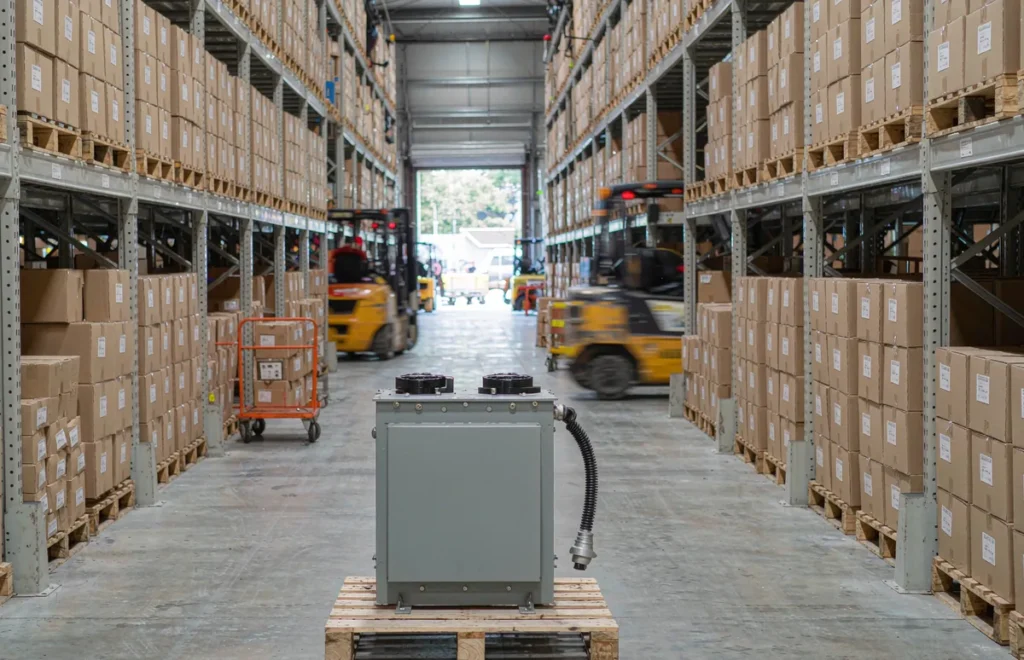
The opening order is not set to scare you off, it is set so the logistics make sense. Our minimum production batch is 10 pieces per model, and a first distributor order usually starts around a mixed pallet covering the ST-1500, ST-2000, STU-3000 and STU-5000, because those are the units that sell first in almost every market. A pallet you can actually move is better than a container you cannot.
The step after is the reorder rhythm. A distributor who reorders monthly at a steady volume gets a different price and a different queue than one who buys once a year. We track the rhythm, not just the total, because a steady buyer is who we build production around. If you are building stock for a season, tell us the curve and we will plan the line so your replenishment lands when the shelf empties.
For a first order we are flexible on the mix, because the point is to learn your market, not to fill our warehouse. Send us the enquiries you already have and we will suggest a starting basket that matches the demand you can see, rather than a standard list you then have to discount.
Price Tiers and the Exclusivity Threshold
Pricing is a ladder, and the rung depends on volume and commitment. At the opening volume you get the distributor rate above the single-unit quote. As your rolling twelve-month volume climbs, the rate steps down at the agreed break points, and the exclusivity conversation opens at the top of that ladder.
Exclusivity is not automatic and it is not free. It is earned by a committed annual volume and by a market plan we both sign off on, because an exclusive we grant and you do not work is a market we have given away. The threshold is stated in the agreement, not left vague, and it is reviewed each year against what you actually shipped, not what you intended.
What you get for reaching it is the protected territory above, first call on new models, and a fixed price band for the term. What we get is a partner who pushes the brand instead of treating it as one of ten options. That exchange is the whole point, and we write it so both sides know where they stand.
Your First Twelve Months on the Ground
The first quarter is about faces, not volume. Get the discounted samples into the hands of three to five installers or electricians who already fit 110V gear, and let them bench the unit next to whatever they use now. A ten-minute demo of a freezer starting clean on the ST-2000 beats a price sheet every time, because the person who wires the wall is the person who gets the next call. While that is happening, build one local price sheet in your own currency with the landed cost worked back from FOB Ningbo, so your team quotes the same number every time instead of guessing.
By month six the reorder signal tells you the truth. The ST-2000 and the STU-3000 are the two that move first in almost every market, so watch how fast those clear and tell us before the shelf runs bare. A distributor who reorders a steady mixed pallet gets a better rung and a shorter queue than one who waits for a container price and then vanishes for eleven months. We plan our line around the steady buyer, and the steady buyer is the one we protect when stock is tight.
To be straight about the exclusivity question, there are cases where we will not grant it. If your market plan is a blank page, if two quarters pass with no reorder after the first pallet, or if you only ever buy once a year chasing the container rate, we keep the territory open. Exclusivity is for a partner who is actually in the market, not for one who wants the flag without the footwork. Tell us the area you will work and show the reorders, and the protection follows.
Market Support: Samples, Catalog and Technical Backing
A distributor should not have to guess. We support the channel with three things from day one. Samples at a discounted rate so your sales team can show a real unit and your engineers can bench it. A catalog with specs, wiring diagrams and the sizing tables, in the languages your market reads, because a PDF in the wrong tongue does not sell.
Third, technical backing. When your customer asks why a freezer will not start on a small unit, you should be able to call us and get the answer the same working day, not a ticket that ages. We answer distributor technical questions directly, and we would rather spend ten minutes explaining a start surge than have your customer buy the wrong box from a competitor.
For markets with a language need, we prepare the rating label, the manual and the catalog in the local tongue, and we keep the artwork on file so repeats are clean. French for West Africa, Russian for the Caspian, Arabic for the Gulf, these are normal requests and we treat them as part of the support, not a paid extra on every order.
After-Sales and Spare Parts
The partnership is tested after the sale, not before. Every unit carries a 12-month warranty, and for distributors we keep a spare-parts stream so a failed unit is fixed or swapped without a full container coming back. Fuses, RCD modules, sockets and enclosures are the items that wear, and we stock them against your orders.
For a warranty claim, the batch test record we issue with every dispatch is what ties a failed unit back to its build, so a genuine fault is settled quickly and a misused unit is identified just as fast. That record protects both of us: you are not stuck with a bad batch, and we are not paying for one that was wired wrong by someone else downstream.
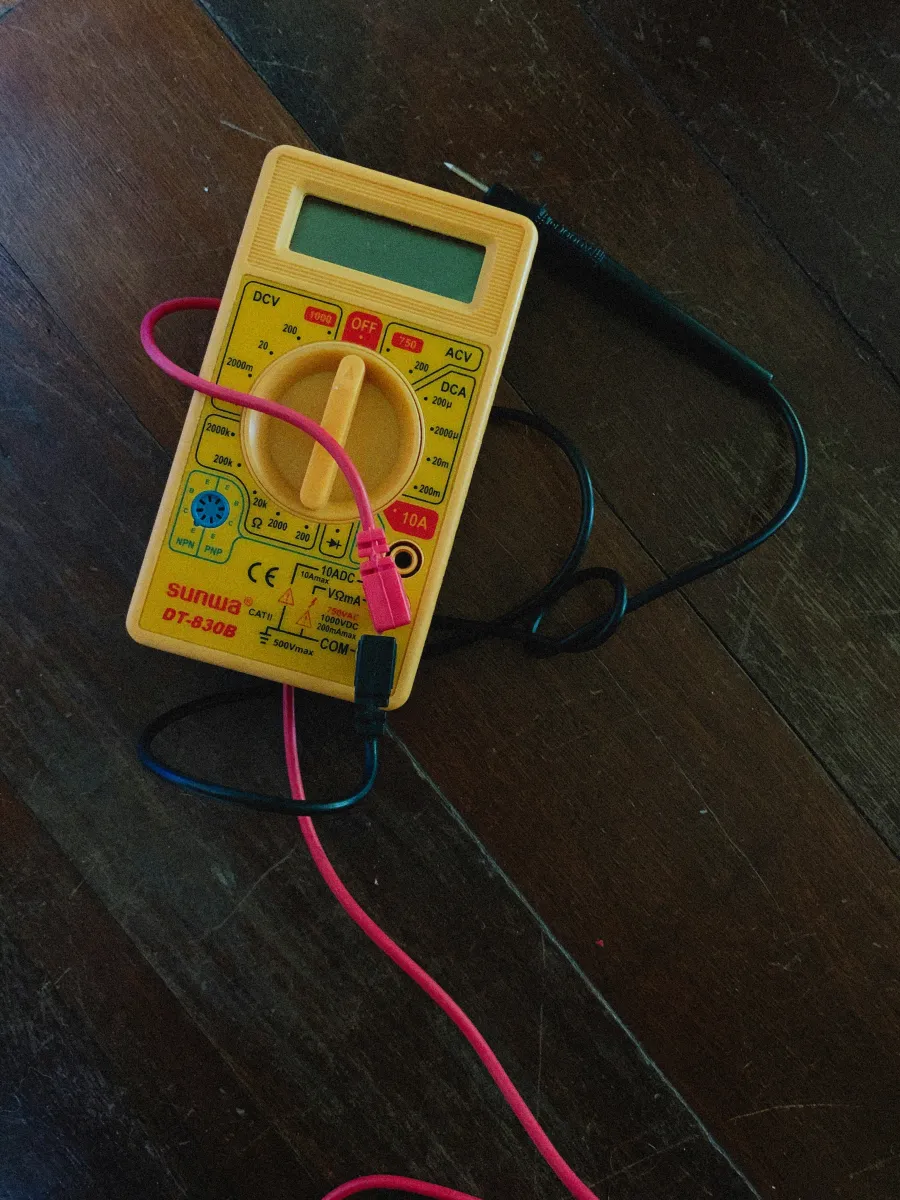
The honest part: a distributor who sends every return back as “factory fault” without checking the load first costs us both time. We ask partners to do the basic check, a ratio and a hi-pot on the bench, and we will back the ones that are truly ours. That division of work is what keeps the warranty real instead of a slogan.
Credit Terms and How Trust Is Built
Credit is the last thing to discuss, not the first, because it is built on a record. The first orders are on standard terms: T/T with 30 percent down and 70 percent against the bill of lading copy, or an at-sight letter of credit, or Trade Assurance where that suits the buyer. We stay away from usance L/C, as the lag from dispatch to paid is too wide for a factory to sit on.
Once we have a year of clean reorders, a clean claim record and a market plan that is actually happening, we can talk about a limited credit line or a longer balance window. The size of that line tracks your history, not your promise, and it is reviewed, not granted once and forgotten. A partner who pays on time gets more rope; that is the whole mechanism.
For distributors importing against a letter of credit, tell us early so the document set matches the LC terms exactly. The most common hold-up at the bank is a mismatch between the packing list and the credit, and that is avoidable if we build the papers to the LC from the quotation stage. We do this for partners routinely, and it keeps your cash moving.
The Products You Would Be Selling
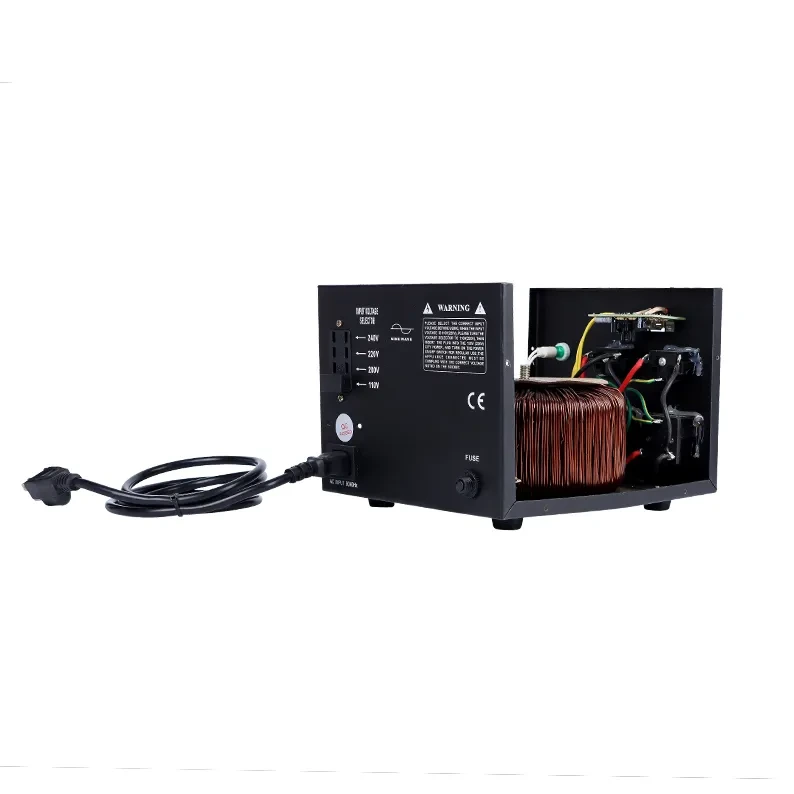
A distributor should know the range by heart. The ST-2000 is our 2000VA step down unit, 220V or 230V in to 110V out, with RCD protection built in, and it is the volume seller in homes and small shops. The ST-1500 covers single-appliance jobs. The STU-3000 and STU-5000 step up as well as down for mixed-import markets, and the TC series covers control supplies.
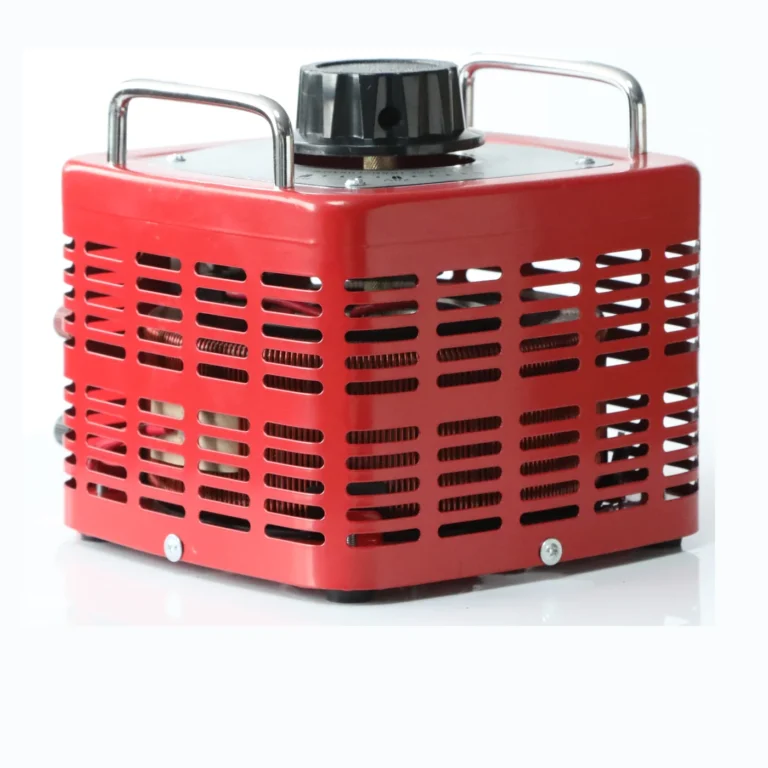
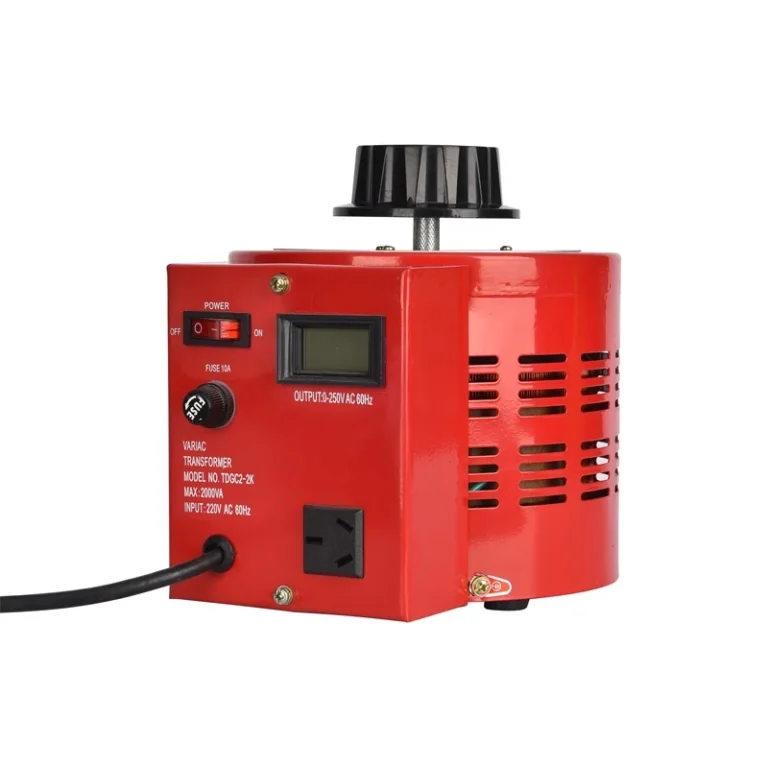
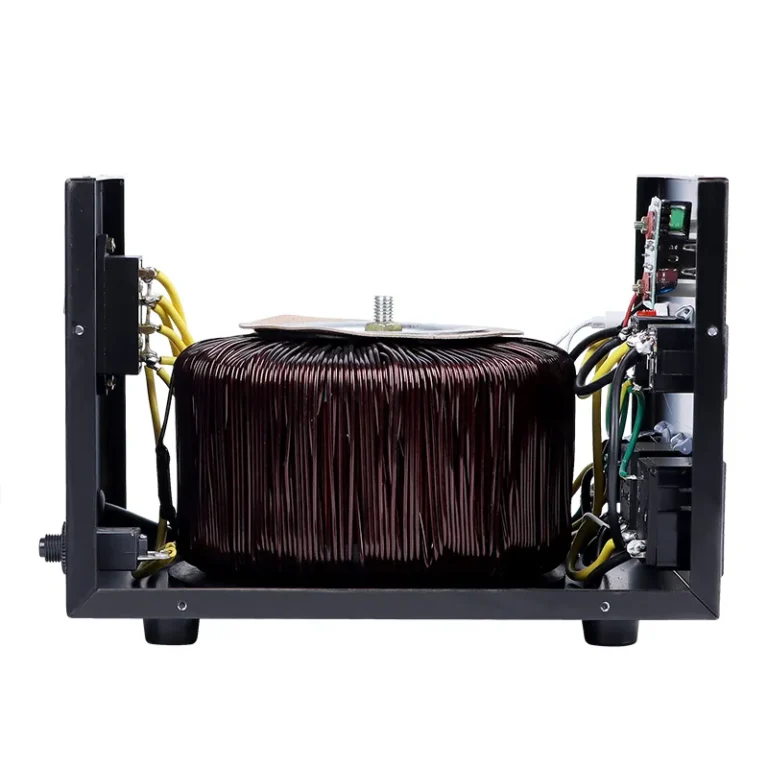
For benches and service teams, the Variac range, our variable transformers at 500VA, 1KVA, 2KVA and 3KVA, is the unit technicians order, because it lets them bring voltage up slowly and watch a machine behave at 100V, 110V and 120V before it goes into service. The variable transformers (variacs) page lays out the range, and it is a steady add-on sale for any distributor serving workshops and service centres.
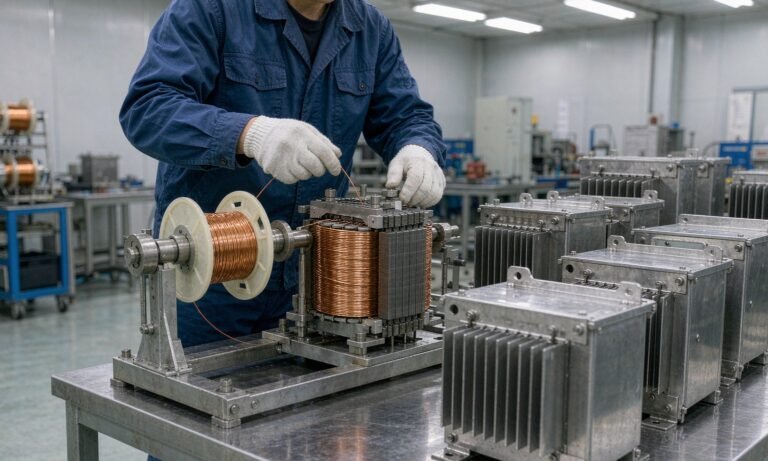
All of it is wound with copper and tested 100 percent in our own Yueqing factory, and that is the line you lead with when a customer asks why your unit costs a little more than the no-name box. The answer is the test record, and you will have it.
How to Open the Conversation
You do not need a finished plan to start. Send us the region you cover, the kinds of 110V equipment your customers already run, and the volume you think you can move in the first year. With that we can propose a starting basket, a price rung and a territory line, usually the same working day, and we can walk you through the six workshop areas on a live call so you see the plant before you commit.
Two reads that fit the distributor picture. Our Transformer Wholesale guide covers buying in bulk from a China factory and the maths of a container versus a pallet. For the purchasing steps after the partnership is set, the set of more transformer buying guides rounds out the picture from verification to shipping.
If you are weighing two factories, ask each to show the bench and name the core supplier. The one that does is the one you can still call in a year when a customer needs an answer, and that is the partner worth signing.
Frequently Asked Questions
These are the questions new distributors ask most, with my straight answers underneath.
Do you protect my territory as a distributor?
Yes, within reason. Once you reach the agreed order volume we do not appoint a second reseller in your country or defined region, and we route local enquiries to you. It depends on you working the market, so we protect the area you can actually cover, not a map you cannot service. The ST-2000 and STU series sell under that protection.
What is the minimum first order for a distributor?
Our production batch is 10 pieces per model, and a first distributor order usually starts as a mixed pallet of ST-1500, ST-2000, STU-3000 and STU-5000, because those sell first in most markets. We are flexible on the mix and will suggest a basket from the enquiries you already have, rather than a list you then discount.
How do price tiers and exclusivity work?
Pricing is a ladder set by rolling twelve-month volume, and the rate steps down at agreed break points. Exclusivity is earned by a committed annual volume and a signed market plan, reviewed each year against what you shipped. Reach the top and you get protected territory, first call on new models and a fixed price band.
What market support do you give distributors?
We give discounted samples, a catalog with specs and wiring diagrams in your market language, and direct technical backing the same working day. For West Africa we print French, for the Caspian Russian, for the Gulf Arabic, and keep the artwork on file. The ST-2000 and STU series ship with the labels you specify.
What are the payment and credit terms for distributors?
First orders are T/T 30 percent down and 70 percent against the bill of lading copy, or an at-sight letter of credit, or Trade Assurance. We do not take usance L/C. After a year of clean reorders and claims we can discuss a limited credit line, sized to your record and reviewed, not granted once and forgotten.
Tell us the region you cover, the 110V equipment your customers already run, and the volume you expect in year one. That is enough for us to propose a starting basket, a price rung and a territory line, usually the same working day, and to walk you through the plant on a live call.
Or talk to us directly: WhatsApp +86 197 3022 6757 · Email sales@wilmall.com
MOQ 10 pcs · Lead time 15-25 days · FOB Ningbo or Shanghai · 12-month warranty