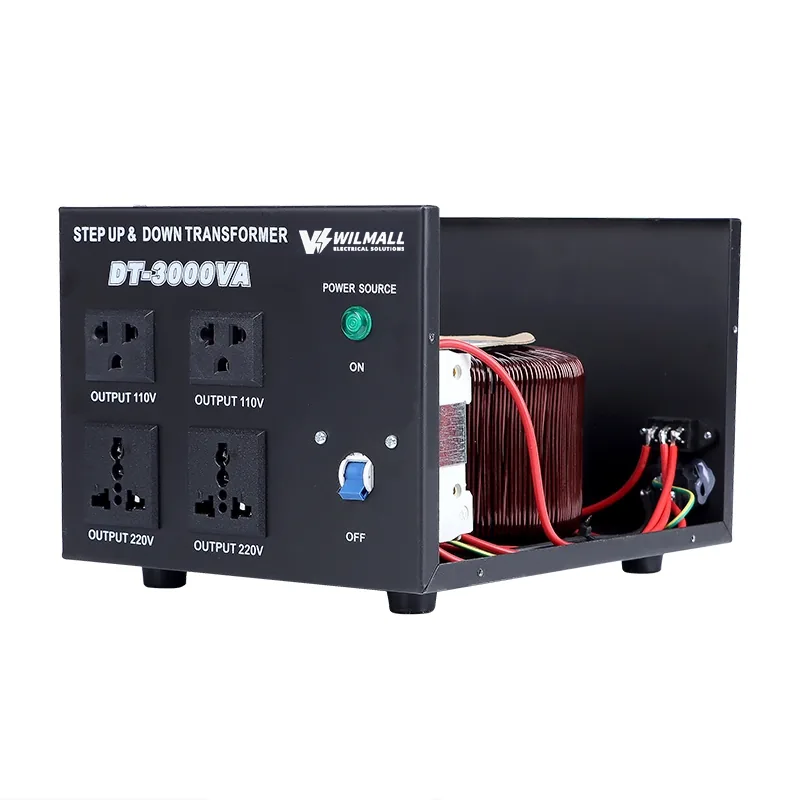
Voltage Converter vs Transformer: What is the Difference?
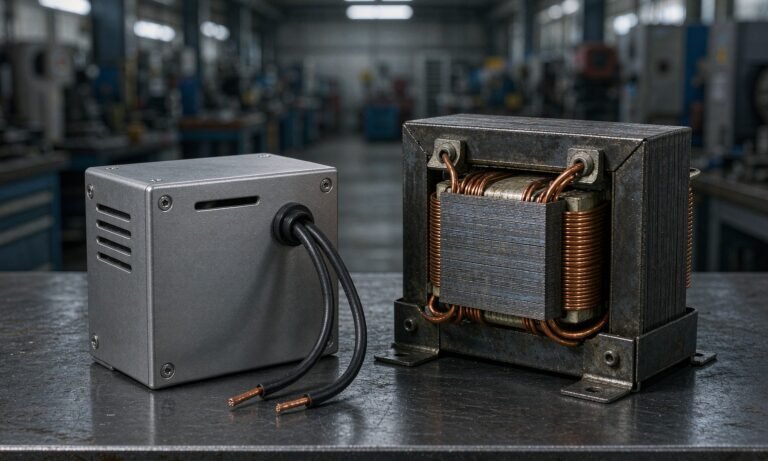
Quick answer: a transformer changes voltage with copper windings and handles heavy, continuous loads; many “voltage converters” are lightweight electronic switchers for chargers and laptops. For anything with a motor, compressor or heating element, use a transformer. For phone chargers, a converter is fine.
Key Takeaways
- Transformers change voltage with copper windings; converters use electronics.
- Motors, fridges, ovens and tools need a transformer.
- Chargers and laptops are fine on a converter.
- Weight is the giveaway: real transformers are heavy.
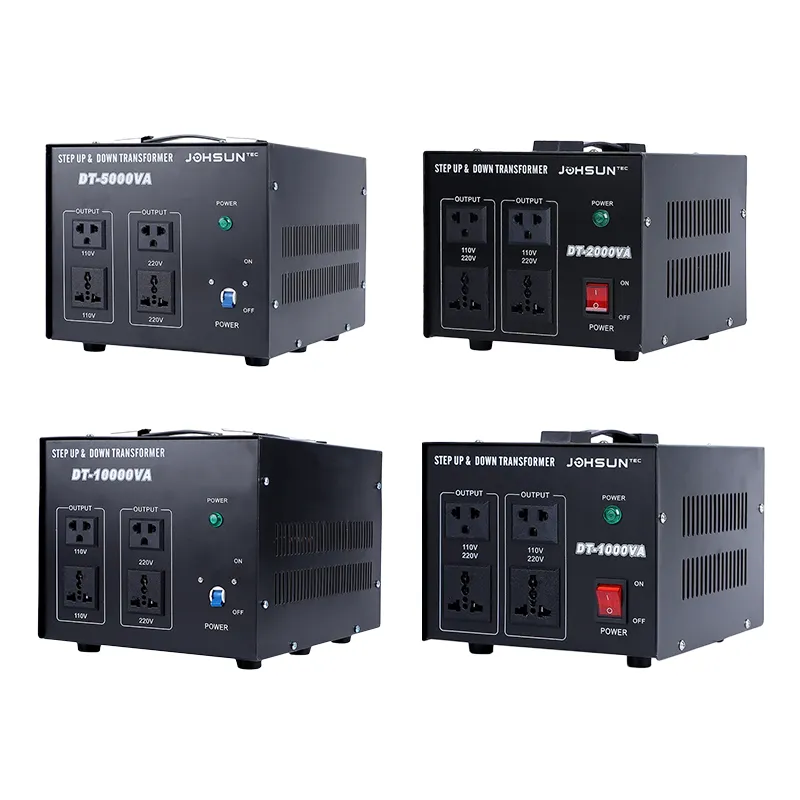
Converter vs Transformer
| Device | Best for |
| Transformer | Motors, fridges, ovens, tools |
| Converter | Chargers, laptops, small electronics |
The Confusion, Cleared Up
The terms “voltage converter” and “transformer” are used interchangeably online, which causes real problems. Here is the practical difference:
| Device | How it works | Best for | Avoid for |
| Transformer | Copper windings + magnetic core | Motors, fridges, ovens, tools, continuous loads | Nothing — the safe default |
| Electronic converter (switcher) | Solid-state switching | Phone/tablet chargers, laptops, small electronics | Anything over ~200W or with a motor/heater |
The giveaway is weight: a real transformer is heavy because of the copper and steel. A converter is light — and light is exactly the problem when you plug a fridge into it.
What Is a “Voltage Changer”?
“Voltage changer” is a loose marketing term for the same family — it usually means a small step up or step down converter. Whatever it is called, apply the same test: does it use copper windings (transformer) or electronics (switcher)? The name tells you nothing; the construction tells you everything.
Which One Do You Actually Need?
- Phone chargers, laptops, cameras → a small converter is fine.
- TVs, monitors, printers → a transformer is safer (some electronics are surge-sensitive).
- Fridges, washers, microwaves, ovens, tools, ACs → a transformer, always.
If you are unsure, buy a transformer — it costs a little more and handles everything a converter can, plus everything it cannot.
Transformer or Converter: by Direction
- 110V to 220V → step up transformer (or converter for tiny loads)
- 220V to 110V → step down transformer
- Both directions → step up down transformer
FAQ
Can an electronic converter run a refrigerator?
No. Refrigerator start-up surge will overwhelm a switcher — use a properly sized transformer.
Is a voltage converter the same as a voltage stabilizer?
No. A converter changes voltage; a stabilizer regulates fluctuating voltage. Different jobs, different devices.
Why is my converter buzzing or hot?
It is overloaded — the load is beyond what the electronics can handle. This is the classic sign you should have bought a transformer.
Can I run a 1000W appliance on a “1000W” converter?
Technically yes, briefly. In practice, continuous loads at the rated limit cause overheating and early failure. Buy a transformer with headroom.
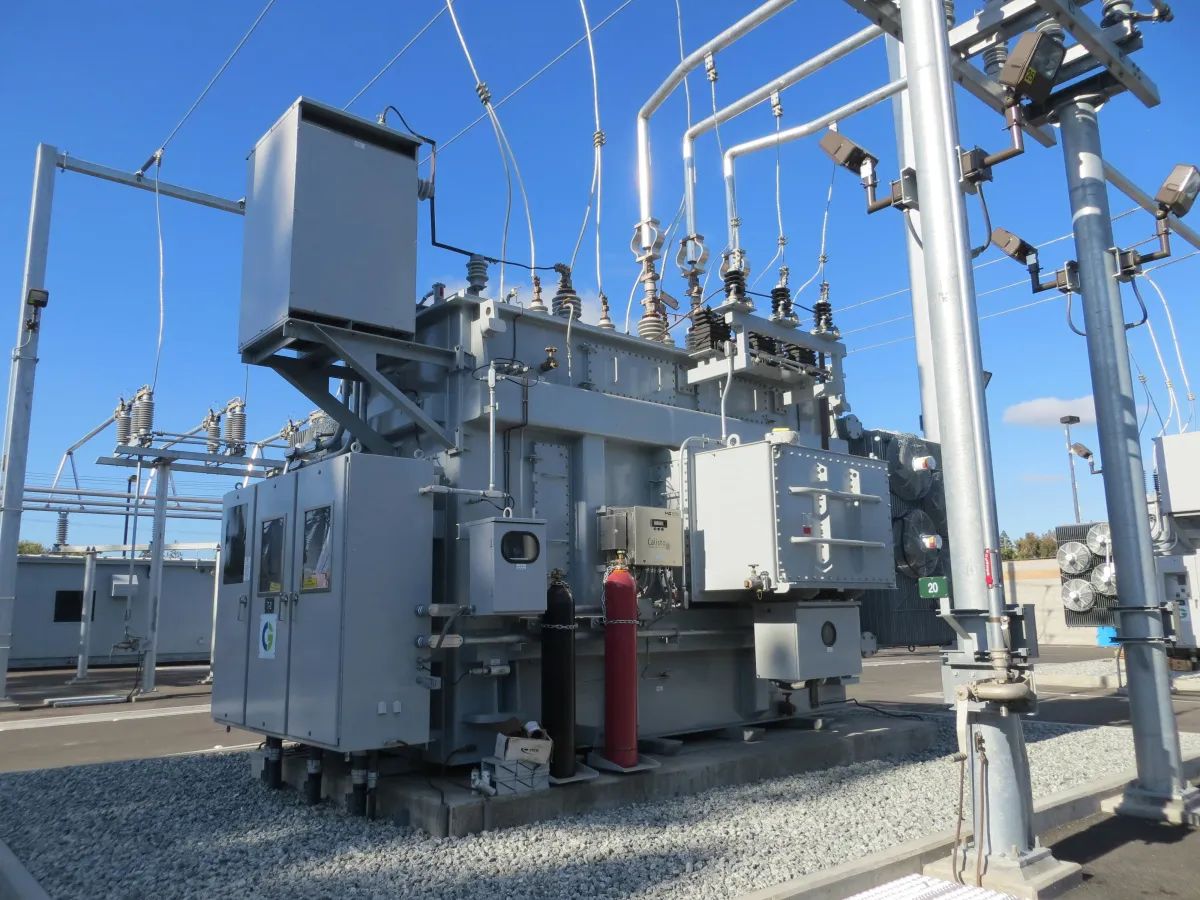
Where can I see real transformers?
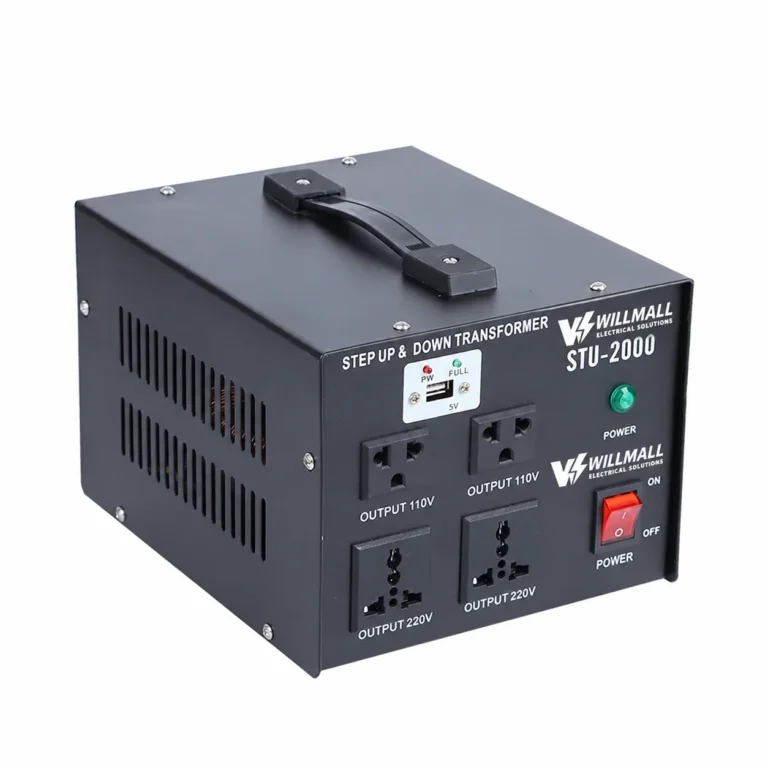
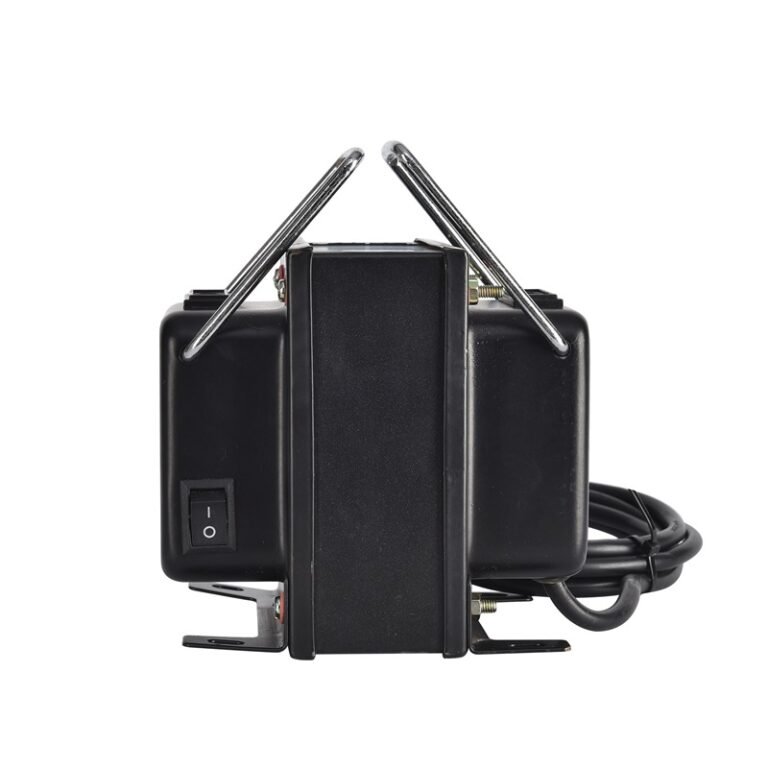
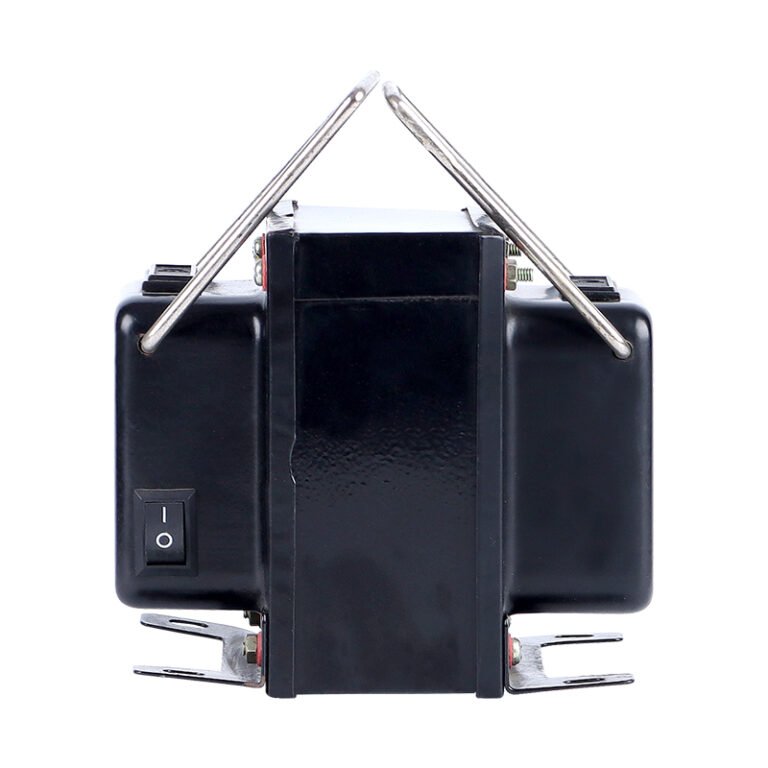
Browse our step up and step down transformer range — all copper-wound, fused and certified.
Still not sure which model fits?
Tell us your appliance, wattage and country — we reply within 24 hours with a straight recommendation.
Related Posts
- Step Up Transformer 110V to 220V: Complete Guide
- Step Down Transformer 220V to 110V: Sizing and Safety
To see the transformer side of that comparison, take a look at our step up and step down transformer range.
The four types of converter, clarified
The word converter covers four different devices. A step down transformer converts 220V to 110V. A step up transformer converts 110V to 220V. A frequency converter changes the Hz as well as the voltage, for equipment that needs a different frequency. And a travel converter is usually a small electronic device that handles low-wattage electronics only, not heating elements or motors.
The confusion comes from sellers using the words interchangeably. When you read “converter” on a product page, check the input and output voltage and the wattage, those three numbers tell you what it actually does. A converter that cannot list all three is not a converter you can trust.
Matching the device to your appliance
Match the device to the appliance, not to the marketing. For a heating element or a motor, you need a real transformer, and the wattage must cover the appliance under the 80% rule. For small electronics with universal power supplies, a travel converter or even just a plug adapter works. For equipment that needs a different frequency, only a frequency converter helps, a transformer does not change the Hz.
If you are packing for travel or a move, sort your gear into three piles: universal voltage electronics that need only an adapter, single-voltage heating and motor appliances that need a real transformer, and frequency-sensitive equipment that needs a frequency converter. The piles decide what you buy.
Why the right device saves money
Buying the right device saves money in two ways. The wrong device fails, and the replacement plus the damaged appliance costs more than the right device did. And the right device is cheaper than the wrong one, a real transformer for a 1500W dryer costs less than a “universal” travel converter that claims 3000W and burns out on the first use.
The honest test is the weight test again, a real transformer is heavy. If the converter weighs less than 2 kg and claims 2000W, it is not a transformer, and your heating appliance will prove it within a minute. Buy the real thing, size it with the 80% rule, and the device lasts a decade.
The wattage math that separates them
The wattage rating is the clearest way to separate a real transformer from a travel converter. A real step down transformer is rated for its continuous wattage, a 1000VA unit delivers 1000W continuously. A travel converter is rated for a fraction of its claimed wattage, a unit claiming 3000W may deliver 100W continuous and 300W for minutes only.
The test is the weight and the label. A real 1000VA transformer weighs about 4 kg. A travel converter claiming 1000W weighs under a kilo. The weight is the physics, copper and core have mass, and the converter that weighs nothing is a converter that can deliver nothing.
The appliance categories and the right device
Sort the appliances into categories and the right device follows. Small electronics with universal supplies, phones, laptops, cameras, need only a plug adapter. Single-voltage heating and motor appliances, dryers, kettles, mixers, need a real transformer sized with the 80% rule. Frequency-sensitive gear, clocks, turntables, needs a frequency converter, which is the rare case.
The mistake is using a travel converter for a heating appliance, which burns out the converter and underpowers the appliance. The mistake is also using a real transformer for a universal-voltage phone charger, which wastes money and weight. The category match is the whole decision.
The honest buying advice
The honest buying advice is: buy the device that matches the appliance category, size it with the 80% rule, and pay for the copper. The travel converter has its place, small electronics and short trips. The real transformer has its place, heating and motor appliances and long-term use. The two are not interchangeable, and the label math tells you which one you need.
If you are still unsure after the guide, send us the appliance labels and your mains voltage, and we will name the exact device and size within one working day. The consultation is free, and it is the same service our distributors use to build their customers’ trust.
The last clarification that trips up buyers is the difference between a converter that changes voltage and a stabilizer that regulates it. A voltage stabilizer holds the output steady when the input fluctuates, but it does not change the voltage level, a 220V stabilizer still outputs 220V. A transformer changes the level, 220V to 110V, but it does not hold the output steady if the input sags. The two solve different problems, and in markets with unstable mains, a household may need both, the stabilizer first to hold the input, then the transformer to change the level. If your mains are unstable and your appliance is 110V, the chain is stabilizer then transformer, and both are part of the correct installation.
The final summary for the buyer: the converter world is small once you map it. A plug adapter changes the socket, a transformer changes the voltage, a stabilizer holds the voltage steady, and a frequency converter changes the Hz. The device you need is decided by the appliance label and your mains, nothing else. Buy the real transformer for the heating and motor loads, size it with the 80% rule, buy the adapter for the universal electronics, and skip the products that claim to do everything, because they do nothing well. If you keep the label as the authority, the converter decision is a two-minute check, and the right device lasts a decade.
If you have reached the end of this guide, you now have the full map of the converter world, and the map is the thing that separates a confident purchase from a gamble.
Choose by the label, size with the margin, and the converter question is closed.
And when in doubt, send us the label.