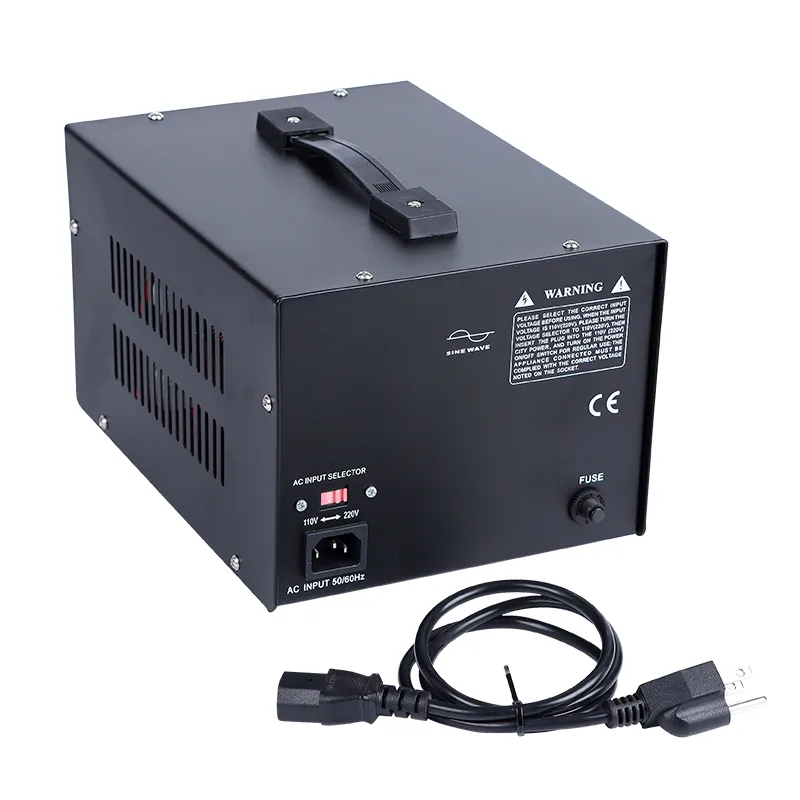
240V to 220V Step Down Transformer: When You Need It
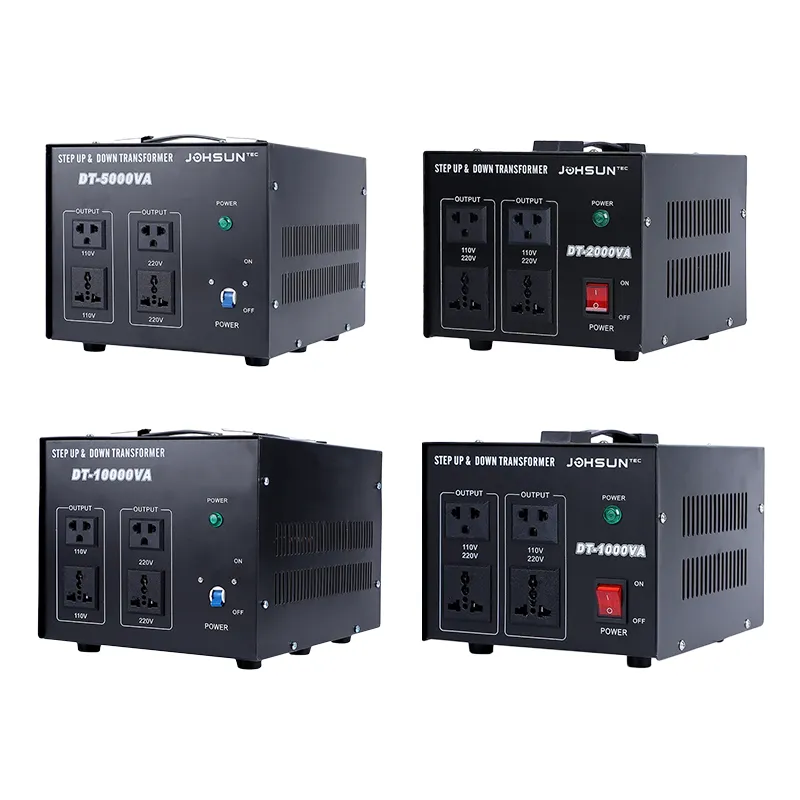
Quick answer: a 240V to 220V step down transformer converts UK, Australian and some Middle Eastern 240V mains down to 220V for appliances rated 220V. The voltage difference is small, but for sensitive electronics and motors it matters. Size it 20–30% above the appliance wattage like any other transformer.
Key Takeaways
- Most 220-240V appliances tolerate the difference; sensitive ones do not.
- Strictly-rated 220V electronics and motors benefit from a transformer.
- Multi-tap units cover 240V to 220V and 240V to 110V in one box.
- Same sizing rule: add 20-30% headroom.
Quick Size Guide
| Load | Transformer |
| Up to 700W | 1000VA |
| Up to 1600W | 2000VA |
| Up to 2600W | 3000VA |
Why Would You Need a 240V to 220V Transformer?
Most of the world’s 220–240V countries sit close together in voltage — the UK and Australia run 240V, mainland Europe runs 230V, and much of Asia runs 220V. Most modern appliances tolerate the range, which is why the difference rarely bites. But you do need a step down transformer when:
- You have a 220V-rated appliance (Asian import, industrial machine) and your mains is 240V
- The appliance is sensitive — some motors, pumps, lab equipment and vintage electronics are not tolerant of 240V
- You want to protect a valuable piece of equipment from the 20V overshoot
Is 240V to 220V Really Necessary?
Honest answer: for many appliances, no — most modern gear is rated 220–240V and tolerates the difference. But there are two cases where a transformer is worth it:
- Sensitive electronics that specify 220V ±5% — running them at 240V shortens life.
- Motors and pumps that run hotter at higher voltage over time.
If the label says “220V–240V”, you are fine without one. If it says a strict “220V”, use a step down transformer.
What Size Do You Need?
Same sizing rule as any transformer — add 20–30% to running watts:
| Appliance load | Recommended transformer |
| Electronics, audio gear (up to 400W) | 500VA |
| Small appliances, TVs (up to 700W) | 1000VA |
| Kitchen appliances, tools (up to 1100W) | 1500VA |
| Washers, pumps, heavy tools (up to 1600W) | 2000VA |
| Workshops, larger machinery (up to 2600W) | 3000VA |
Can One Transformer Handle 240V to 220V AND Other Voltages?
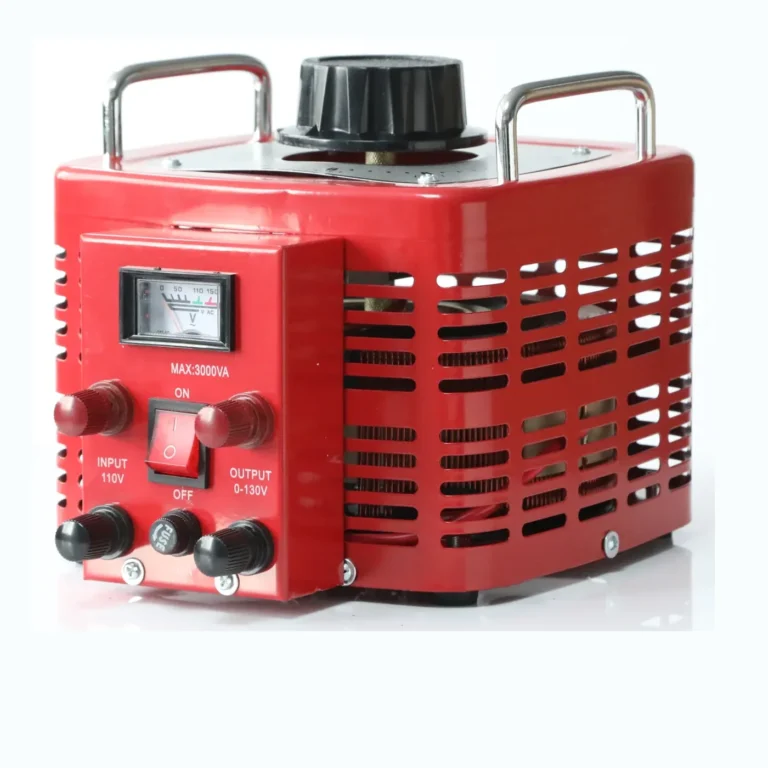
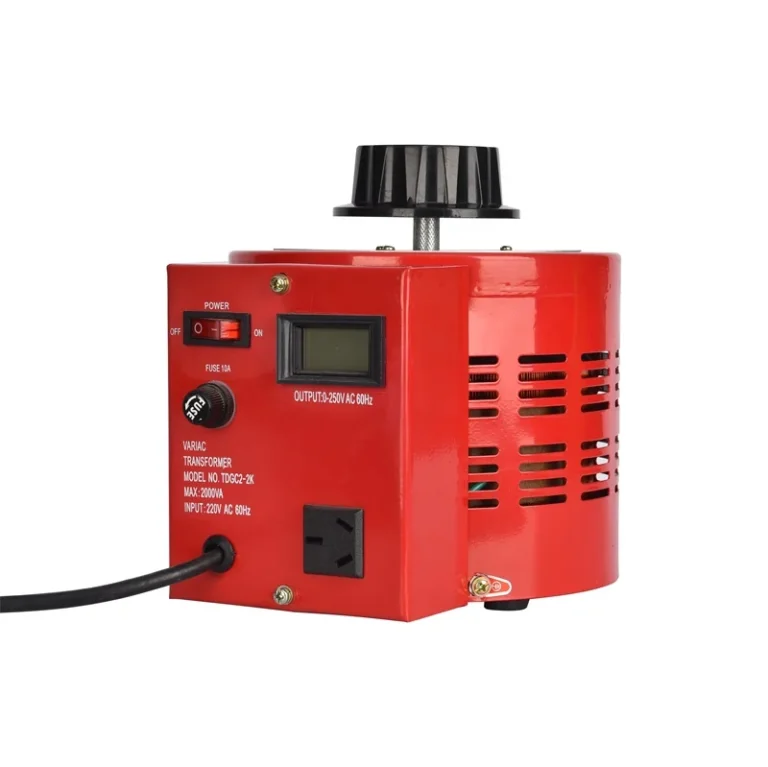
Our step up and step down transformers are multi-tap: they accept 220–240V input and can be set to deliver 220V, 110V or 120V output. That means the same unit covers your 240V-to-220V need today and a 240V-to-110V need later — useful if you also run US appliances.
Safety and Quality Checks
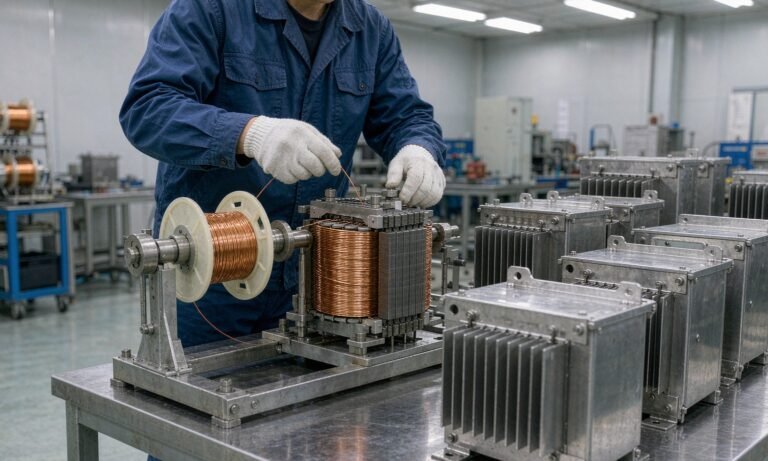
- Copper windings — not aluminium, for lower losses and cooler running.
- Fuse / MCB protection against overload.
- Thermal protection for continuous duty.
- CE / RoHS / ISO9001 certified production.
FAQ
Can I just use an adapter for 240V to 220V?
An adapter changes only the plug shape. It does not change voltage. If your appliance strictly needs 220V, use a transformer.
Is 240V dangerous for a 220V appliance?
For most modern appliances, no — they tolerate 220–240V. For sensitive or strictly-rated gear, yes, long-term exposure can cause damage.
Does a step down transformer also work for 230V mains?
Yes — 230V falls inside the 220–240V input range of our units.
Do I need a stabilizer instead?
A stabilizer regulates fluctuating voltage; a transformer changes fixed voltage. If your mains is stable at 240V, a transformer is the right tool.
What is the delivery time?
Standard sizes ship from our factory in 15–25 days. Contact us for a quote.
Still not sure which model fits?
Tell us your appliance, wattage and country — we reply within 24 hours with a straight recommendation.
When 240V to 220V matters
Most step down transformers sold today take 220V to 240V input and output 110V to 120V, which covers the vast majority of needs. The 240V to 220V step down, converting 240V mains down to 220V for a specific appliance, is a narrower case, usually for equipment that is voltage-sensitive and rated strictly for 220V.
The cases that come up are 220V-rated industrial equipment, certain older European appliances with fixed 220V motors, and equipment where the tolerance band does not cover the 240V end of the UK grid. For these, a 240V to 220V step down keeps the appliance inside its rated band and prevents the overheating that a 240V feed causes.
The 20 volt difference and its effects
A 220V-rated motor fed with 240V runs about 9% hotter on the core and draws a slightly higher magnetizing current. For most equipment this is within the design tolerance, and the 220V to 240V input range transformers are the standard answer. For sensitive equipment, medical devices, and precision instruments with a tight voltage spec, the extra 20V is outside the band, and the step down is the fix.
The difference matters most for equipment with transformers of their own, a 220V piece of gear with an internal transformer fed at 240V runs its internal transformer hotter as well. The 240V to 220V step down protects the whole chain, and it is the correct choice for equipment with a strict voltage label.
How to know if you need this specific step
The appliance label decides it. If the label says 220V only, and your mains runs 235 to 245V, you are outside the band, and the 240V to 220V step down is the fix. If the label says 220V to 240V, or 230V, the standard transformer handles it, and you do not need this extra step.
If you are unsure, tell us the appliance label and your measured mains voltage, and we will confirm within one message whether you need the specific step or the standard unit. Most buyers do not need the 240V to 220V unit, but the ones who do need it exactly.
The equipment that strictly needs 220V
The equipment that strictly needs 220V, and sits outside the 220V to 240V tolerance, is a specific list: older European machines with fixed 220V motors, industrial control panels rated for 220V, and precision instruments with a strict voltage spec. For these, the 240V to 220V step down is the bridge that keeps the equipment inside its band.
The common thread is equipment with a transformer of its own or a motor that is voltage-sensitive. The internal transformer or the motor runs hot on the extra 20V, and over months the heat shortens the life. The step down removes the extra 20V and the equipment runs as designed.
Measuring your actual mains voltage
Before you decide, measure your actual mains voltage with a multimeter, not the nominal label. The label says 230V or 240V, but the measured value at your wall can be 218V to 245V depending on the load and the time of day. The measurement tells you whether you are inside the tolerance band for a standard unit or outside it for a specific step.
Measure at the outlet you will use, at the time of day you will use it, and under load if possible. One reading is a sample, three readings at different times give you the real picture. If your measured voltage is consistently above the equipment’s band, the specific step down is the fix.
The standard vs specific decision
If your equipment label says 220V to 240V, or 230V, the standard transformer with the wide input range handles it, and you do not need the specific 240V to 220V step. If the label says 220V only, and your measured mains runs above 235V, the specific step is the fix. The label plus the measurement decides, nothing else.
If you are importing for resale, stock the standard wide-range unit as the core and offer the specific step as a special order. The specific unit is a small niche, but it is the niche where the customer has no alternative, and they pay for the fit.
The equipment that strictly needs 220V
The equipment that strictly needs 220V, and sits outside the 220V to 240V tolerance, is a specific list: older European machines with fixed 220V motors, industrial control panels rated for 220V, and precision instruments with a strict voltage spec. For these, the 240V to 220V step down is the bridge that keeps the equipment inside its band.
The common thread is equipment with a transformer of its own or a motor that is voltage-sensitive. The internal transformer or the motor runs hot on the extra 20V, and over months the heat shortens the life. The step down removes the extra 20V and the equipment runs as designed.
Measuring your actual mains voltage
Before you decide, measure your actual mains voltage with a multimeter, not the nominal label. The label says 230V or 240V, but the measured value at your wall can be 218V to 245V depending on the load and the time of day. The measurement tells you whether you are inside the tolerance band for a standard unit or outside it for a specific step.
Measure at the outlet you will use, at the time of day you will use it, and under load if possible. One reading is a sample, three readings at different times give you the real picture. If your measured voltage is consistently above the equipment’s band, the specific step down is the fix.
The standard vs specific decision
If your equipment label says 220V to 240V, or 230V, the standard transformer with the wide input range handles it, and you do not need the specific 240V to 220V step. If the label says 220V only, and your measured mains runs above 235V, the specific step is the fix. The label plus the measurement decides, nothing else.
If you are importing for resale, stock the standard wide-range unit as the core and offer the specific step as a special order. The specific unit is a small niche, but it is the niche where the customer has no alternative, and they pay for the fit.