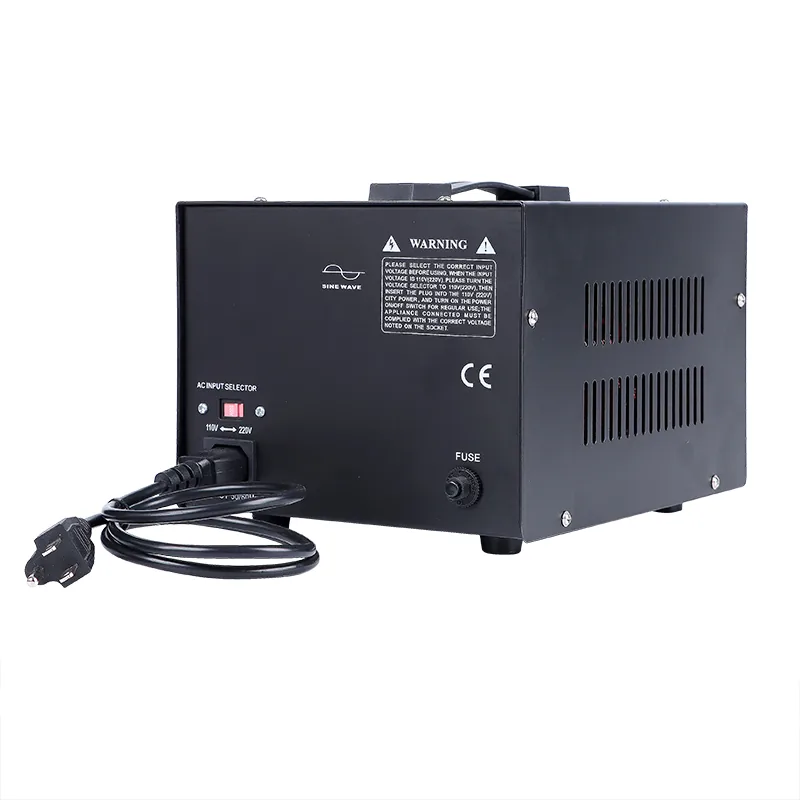
Step Up Transformer: When and Why You Need One
Quick answer: a step up transformer raises a lower supply voltage (110V, 120V or 220V) to a higher output (220V, 240V), so appliances from higher-voltage countries run on your local mains. Match input, output and wattage with 20–30% headroom — that is the whole selection.
Key Takeaways
- A step up transformer raises 110V/120V/220V to a higher output.
- Needed when you bring a higher-voltage appliance to a lower-voltage home.
- Match input, output and wattage with 20-30% headroom.
- Copper-wound transformer, not a switcher.
Quick Size Guide
| Load | Transformer |
| Up to 700W | 1000VA |
| Up to 1600W | 2000VA |
| Up to 4500W | 5000VA |
What Is a Step Up Transformer?
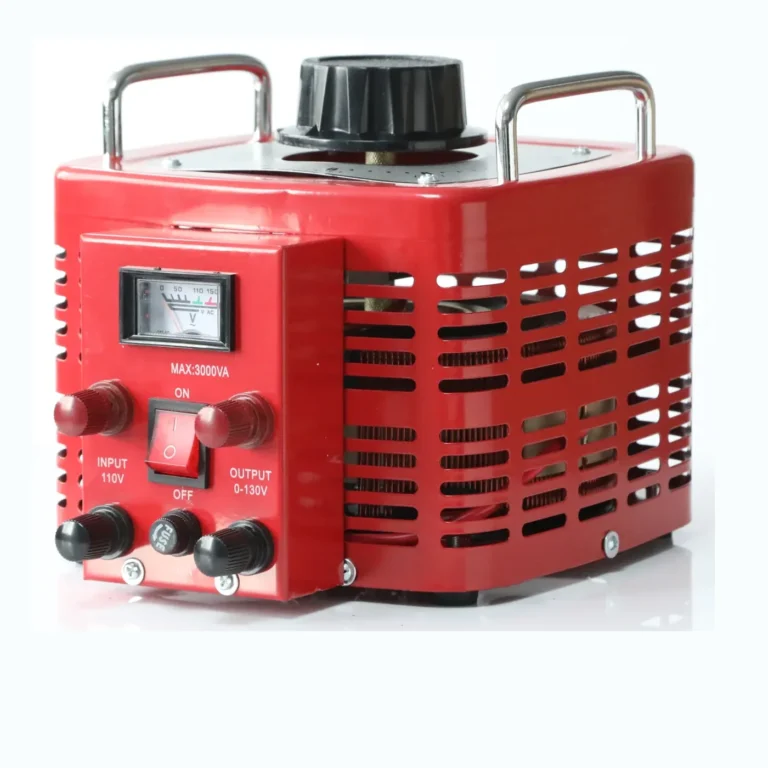
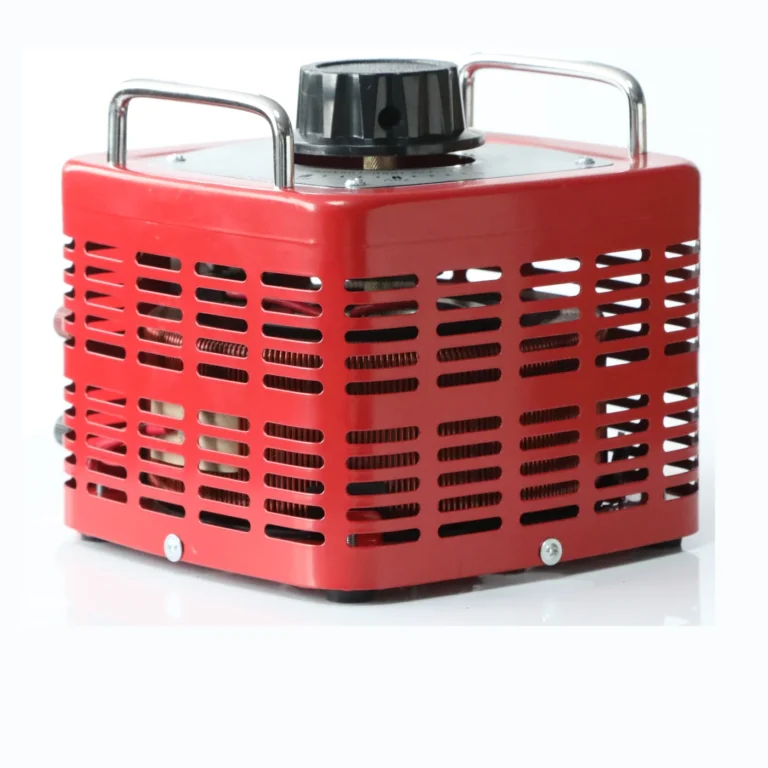
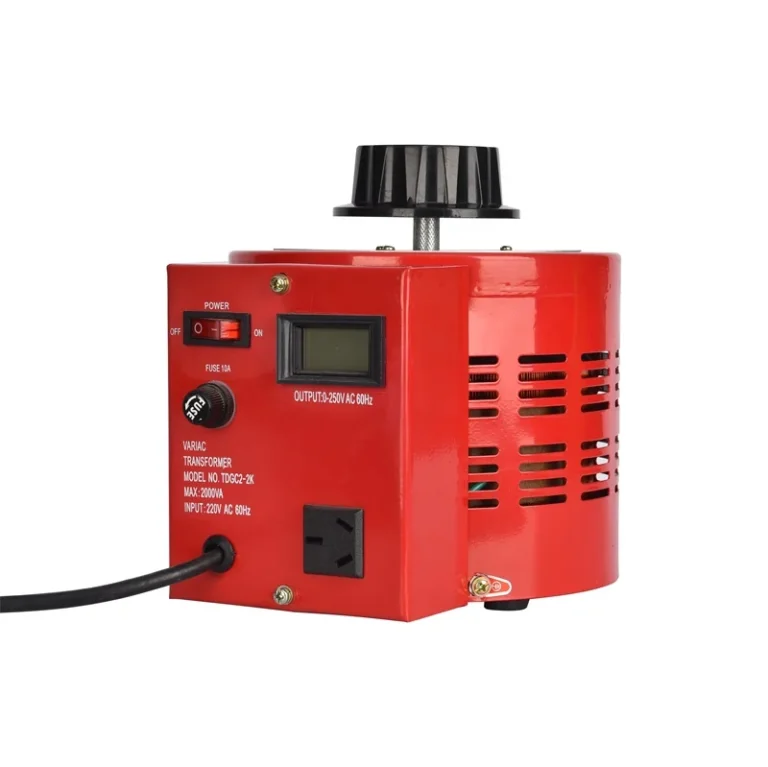
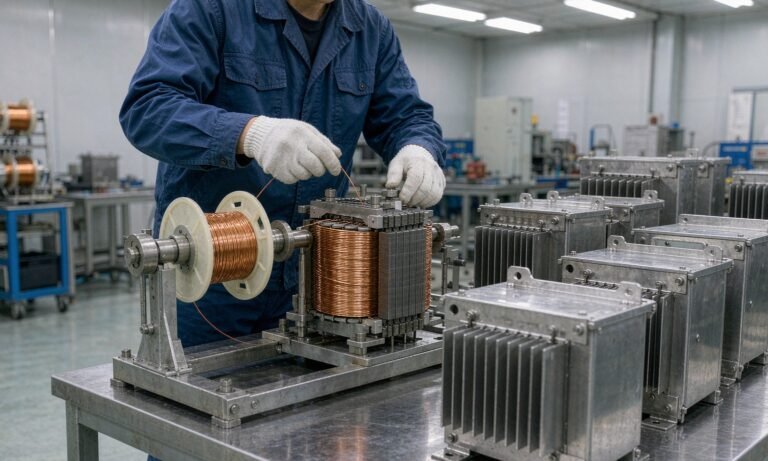
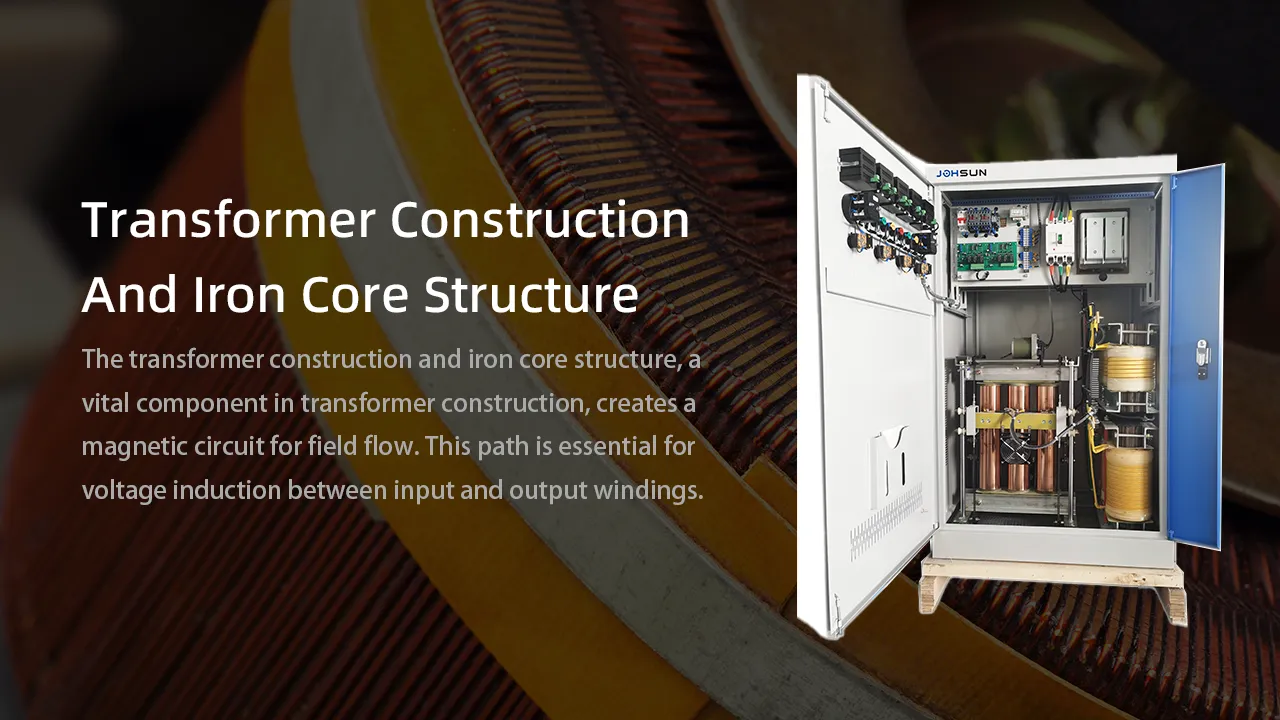
A transformer is a simple device: copper windings around a silicon steel core. A step up transformer is wound with more turns on the output side, which raises the voltage. Feed it 110V and the output is 220V. It is the exact opposite of a step down transformer, which lowers voltage.
People usually discover they need one the hard way: they buy an appliance from a 220V country, bring it home to a 110V country, and it either doesn’t run or runs badly.
When Do You Need a Step Up Transformer?
- You moved from Europe/Asia/Middle East to the US or Canada and brought 220V appliances
- You imported a 220V machine, oven or tool for your home or business
- You need to run 220–240V equipment on a 110–120V supply
- You want to power an industrial machine rated for higher voltage
Common Voltage Pairs We Supply
| Input | Output | Typical user |
| 110V | 220V | Japan, Taiwan → 220V appliances |
| 120V | 240V | USA, Canada → 240V appliances |
| 220V | 380V | Industrial equipment (custom build) |
Our step up and step down transformers accept multiple input taps, so one unit can usually cover both 110V and 120V inputs — tell us your wall voltage and we will confirm.
What Size Step Up Transformer Do You Need?
Same universal rule: watts x 1.25, rounded up. Full sizing guidance in our transformer size guide. Quick reference:
| Appliance load | Recommended size |
| Up to 400W | 500VA |
| Up to 700W | 1000VA |
| Up to 1100W | 1500VA |
| Up to 1600W | 2000VA |
| Up to 2600W | 3000VA |
| Up to 4500W | 5000VA |
Safety Checklist
- Real transformer, not an electronic switcher — especially for motors and heaters.
- Fuse / MCB protection against overload and short circuit.
- Thermal protection for continuous loads.
- CE / RoHS / ISO9001 certification.
FAQ
Can a step up transformer also step down?
Yes, if it is a dual-direction model. Our step up down transformers do both automatically.
Will my 220V appliance work with a step up transformer?
Yes — that is exactly the use case. Match the output voltage and size the wattage with headroom.
Is a step up transformer safe for continuous use?
Yes, when sized correctly and ventilated. A transformer running at 70–80% of rating runs cool for years.
How do I know the wattage of my appliance?
Check the nameplate — it lists watts (W) or amps (A). Amps x input voltage = watts.
Do you build custom step up transformers?
Yes — industrial sizes and special voltage pairs are built to order. Send us your specs.
Still not sure which model fits?
Tell us your appliance, wattage and country — we reply within 24 hours with a straight recommendation.
The cases where you genuinely need step up
Step up transformers are needed when the appliance expects a higher voltage than the supply delivers. The common cases are 220V or 240V appliances running from a 110V or 120V supply, which happens with European and Asian appliances brought to the US, and 110V inverters feeding 220V appliances in off-grid systems. Both cases need the 110V to 220V step up.
The direction is always decided by the appliance label. If the label says 220V or 240V and your supply is 110V or 120V, you need a step up. There is no alternative, and no plug adapter changes the voltage.
Sizing and current on the input side
Size the step up by the appliance’s load with the 80% rule, and remember the input side draws more current. A 2000W 220V appliance needs a 2500VA step up, and the 120V input draws about 21 amps, which requires a dedicated circuit. The current on the input side is the reason step up transformers need the heavier wiring and the bigger breaker.
If you are running a step up from a generator or an inverter, check the input capacity as well. A 2000VA step up at 120V input needs a source that delivers 18 to 20 amps continuously, and an undersized generator will sag and cause the transformer to underdeliver.
Common step up mistakes
The first mistake is using a step down transformer in reverse and assuming it works, most single-direction units are not wound for reverse duty and will overheat. The second is undersizing the circuit, which trips breakers. The third is ignoring the appliance’s frequency requirement, a 220V 60Hz appliance needs a 60Hz supply, and a step up only fixes the voltage.
For off-grid buyers, the cleanest setup is an inverter that outputs 220V directly and no step up transformer at all. If your inverter outputs 110V, the step up is the bridge, and the 80% rule applies to the appliance load exactly as it does in the step down direction.
The expat and importer step up needs
Expat households are the core step up buyers. A family moving from Europe to the US brings 220V kitchen gear, and the kettle, the mixer, and the rice cooker all need a step up transformer to run on 120V US mains. The setup is one 2000VA unit in the kitchen and a 1000VA for the laundry appliances, which covers the gear that matters.
Importers serve the same need commercially, stocking step up transformers for shops that sell 220V European appliances in 110V markets. The stock mix mirrors the appliance imports, and the 2000VA is the volume size. The importer’s edge is bundling the transformer with the appliance, which removes the customer’s power question at the point of sale.
The frequency complication, again
The frequency is the step up buyer’s second question. European appliances are built for 50Hz, and the US runs 60Hz. Modern electronics and most appliances accept both, but synchronous motors, old clocks, and some turntables run at the wrong speed on 60Hz. The step up fixes the voltage, and the frequency is a separate decision, a frequency converter for the rare gear that needs it.
The practical guidance is: if the appliance label says 50Hz only and the motor matters, expect the wrong speed on 60Hz. If the label says 50/60Hz or the appliance is modern electronics, the frequency is a non-issue. The step up transformer is the right purchase for the voltage, and the frequency is checked on the label.
The safety and grounding notes
The step up transformer is grounded on both sides, and the case is bonded, so a fault trips the protection instead of energizing the case. The 110V input side needs the heavier cable, because the input current is higher, and the 220V output side runs a lighter cable. The RCD on the output is optional for most applications but recommended where the appliance is used near water.
Keep the step up unit ventilated and off the floor, and check the input plug and circuit rating before the first use. The step up direction is less common than step down, but the safety rules are identical, and the 80% rule applies to the appliance load in both directions.
The step up direction has one more buyer segment worth mentioning: musicians and touring acts. A band from Europe touring the US carries 220V amplifiers and mixing desks, and the stage power is 120V US mains. A 3000VA step up unit on a 30A circuit feeds the whole backline, and the touring case with wheels is the practical package. The same 80% rule applies to the amplifier load, and the frequency is a non-issue for modern amps. If you are a touring act or a rental company that serves them, the 3000VA and 5000VA step up units are the sizes that cover a full stage setup, and we can supply them with the touring case and the US plug configuration.
The step up buyer’s last practical check is the output socket and the appliance plug. The 220V output of a step up transformer must match the plug on your European appliance, which is usually a Type C, E, F, or G depending on the country of origin. We fit the output socket to the appliance plug at the factory, so the appliance plugs straight in with no adapter on the output side, and the 120V input side carries the US plug for the wall. The plug matching is the detail that separates a turnkey step up purchase from a box of adapters, and it is included in the quote when you tell us the appliance.