Transformer for Solar and Off-Grid Power: Sizing Guide
If you are building an off-grid solar system or a hybrid backup setup and you have appliances on the other voltage, a step up or step down transformer is the bridge between your inverter and your loads. The sizing is different from household use because the loads are battery-powered, inverter-fed, and often run through long cables. Here is how we size transformers for solar and off-grid buyers.
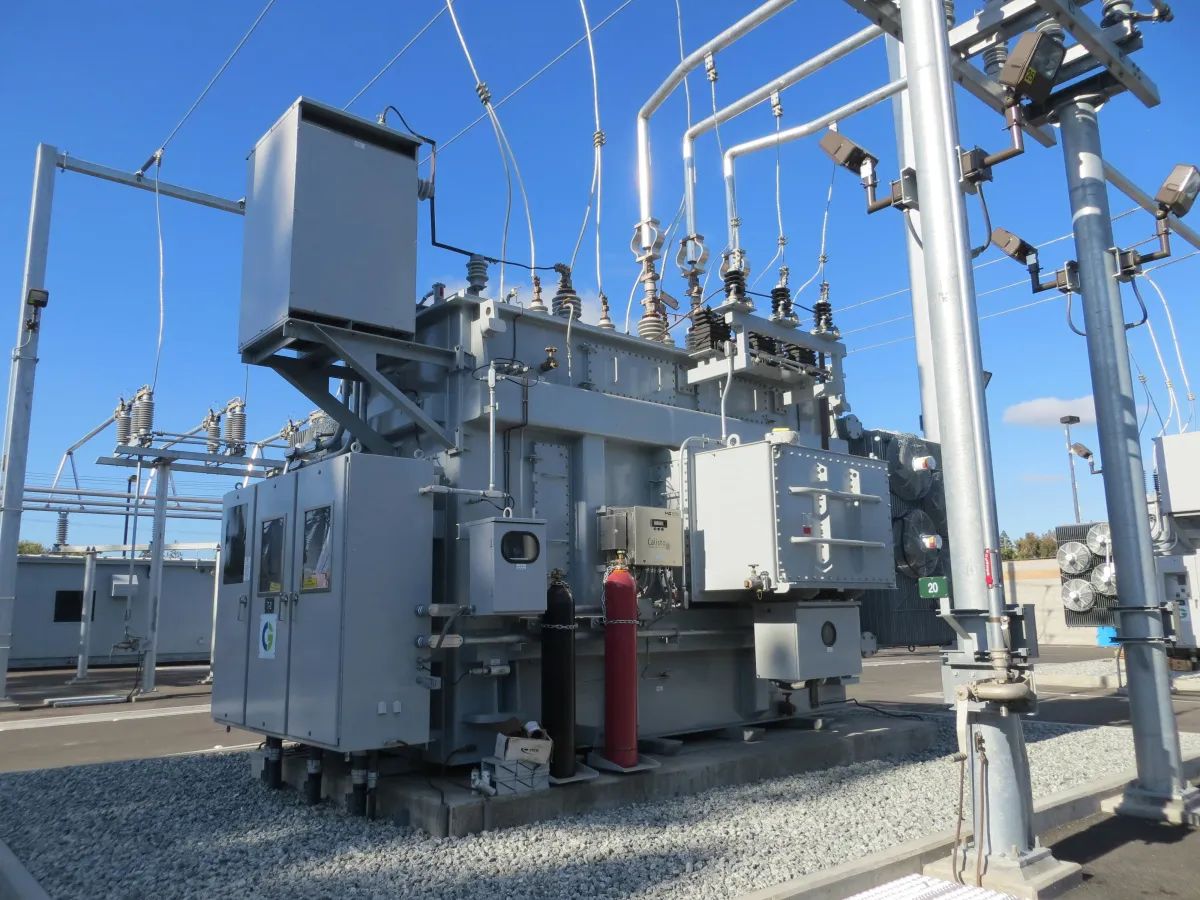
Do you actually need a transformer?
The first question is what your inverter outputs and what your appliances need. Many off-grid kits output 220V, which is fine for local appliances, but if you are running US appliances on 110V, you need a step down transformer. Other setups output 110V and need a step up for 220V appliances. Some hybrid inverters let you set the output voltage, which removes the need for a transformer entirely, check that first.
If you do need one, the transformer sits between the inverter output and your appliance distribution, after any changeover switch and before the loads.
Sizing for inverter-fed loads
Size for the largest simultaneous load, not the inverter rating. A 3000W inverter running one 1200W water pump at a time only needs a 2000VA transformer. If you run a pump and a fridge at once, add their running watts, apply the surge margin, and keep the result under 80% of the transformer rating.
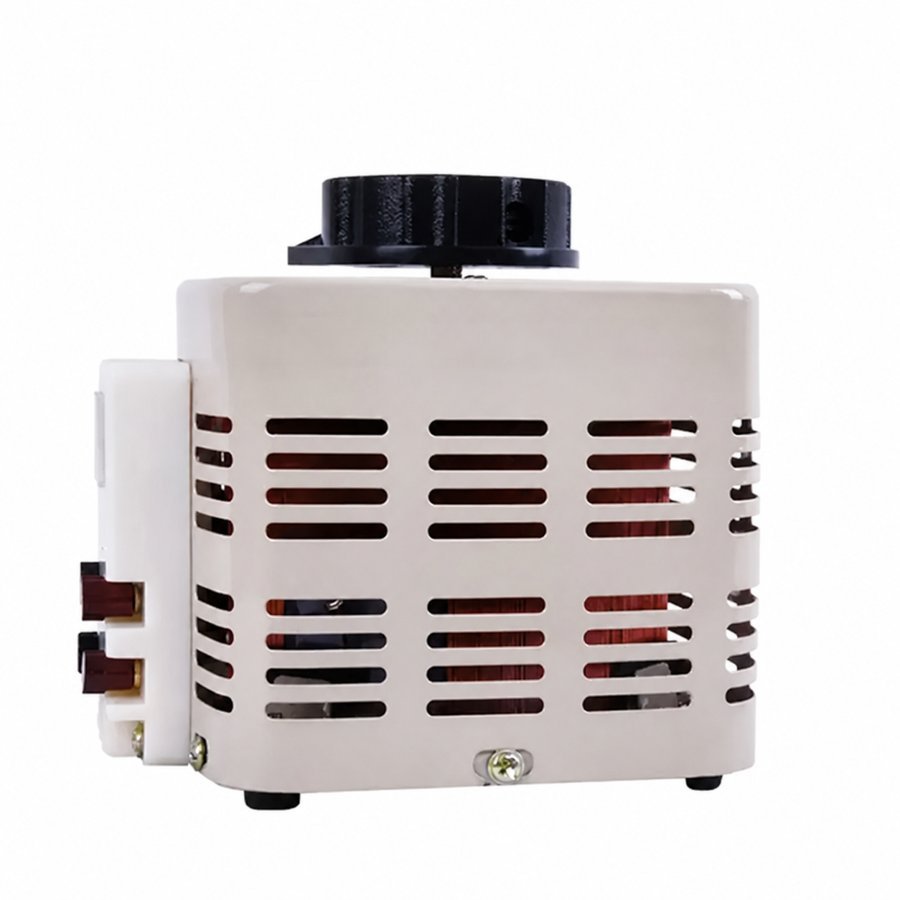
The common sizes in off-grid installations are 2000VA and 3000VA for homes, and 5000VA for larger systems or workshop loads. The ST-3000 and ST-5000 from our STU series are the usual picks, with fan ventilation available for enclosures.
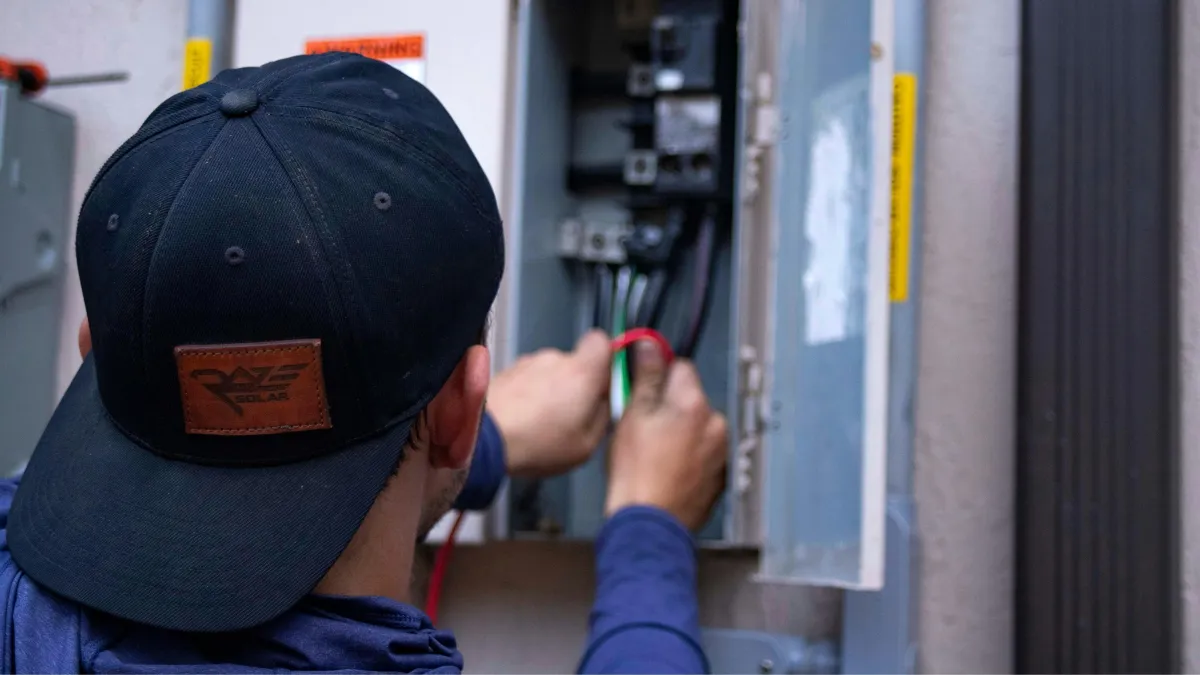
Pure sine vs modified sine inverters
Transformers work with both inverter types, but the waveform matters for your appliances and for transformer heat. Pure sine wave inverters run transformers cooler and are safer for sensitive electronics. Modified sine inverters can make some appliances hum and run slightly hotter, and they can damage motors and audio gear.
If your inverter is modified sine and your loads include anything with a motor or a transformer of its own, upgrade to pure sine before adding a step down transformer, or keep the loads simple resistive ones.
Protection and installation
For off-grid use, we recommend RCD protection on the transformer output and thermal overload protection on the unit itself. Our ST-2000 and above include RCD as standard, and every ST series unit has a thermal cutoff. For outdoor or dusty installations, keep the transformer in a weatherproof, ventilated enclosure and away from direct sun.
If you are importing for a solar project, tell us the inverter output voltage, your largest simultaneous load, and whether you need step up or step down, and we will size it and quote within 24 hours. MOQ from 10 pcs, lead time 15 to 25 days.
For more on transformer fundamentals for power systems, see our VA vs Watts guide and the 220V vs 240V guide.
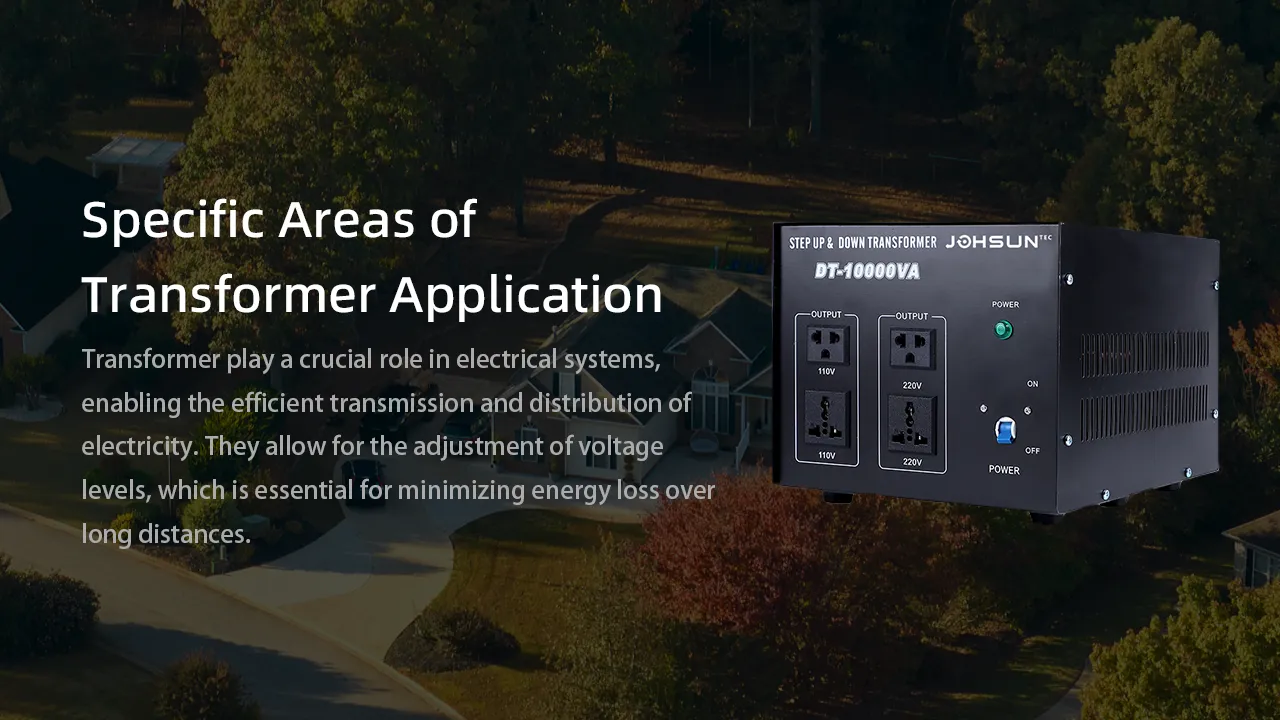
Battery capacity planning
If you are sizing a transformer for an off-grid system, the battery bank and the transformer interact in a way that matters. Every watt your transformer delivers comes from the battery through the inverter, and a transformer is about 93 to 96% efficient, so the battery sees about 5% more draw than the appliance uses. Over a day of running a 500W load for 6 hours, that is about 160Wh of extra battery draw, which is a real number when you are sizing for two days of autonomy.
Plan your battery bank for the appliance draw plus the transformer loss. If you are running a 1200W water pump for an hour a day, that is about 1.3 kWh from the battery including losses. A 2 kWh usable battery bank with a 2-day margin is the practical minimum for that load, and the transformer size follows the load, not the battery.
Hybrid inverter setups
Newer hybrid inverters give you the option to set the output voltage, which changes the transformer decision. If your hybrid inverter can output 110V directly, you do not need a step down transformer at all, just configure the inverter and check your appliances. Some models support 220V and 110V outputs on different terminals, which removes the transformer from the system entirely.
If your inverter only outputs 220V, the transformer is the bridge, and we size it against the largest simultaneous load with the 80% rule. For hybrid setups that switch between grid and solar, the transformer must be rated for the switchover transients, which our ST series handles. Send us your inverter model and output settings, and we will confirm whether you need a transformer and which size.
When to skip the transformer
Not every off-grid system needs a transformer. If all your appliances are 220V and your inverter outputs 220V, or all are 110V and the inverter outputs 110V, the system works without one. The transformer only earns its place when the inverter output voltage and the appliance voltage do not match, which is common when a US appliance set meets a 220V inverter, or a 220V appliance set meets a 110V inverter.
If you are designing a new system, choosing appliances that match the inverter output is the cheapest option. If you are working with an existing appliance set, the transformer is the bridge, and our sizing guide above gives you the numbers to pick the right one.
Inverter sizing mismatches
The most common off-grid design error is mismatching the inverter and the transformer. A 3000W inverter feeding a 2000VA transformer is fine, the transformer only carries what the load draws. But a 2000VA transformer on a 5000W inverter is also fine, as long as the loads stay under the transformer’s rating. The mismatch that causes failure is a transformer that is smaller than the largest single load, not the inverter size.
If you have a 5000W inverter and a 1200W pump, the 2000VA transformer works. If you plan to run a 3000W water heater from the same inverter, the transformer must be at least 4000VA, because the heater is the load that decides. Size the transformer against the loads, and the inverter against the sum.
Fuse and breaker protection
An off-grid transformer needs protection on both sides. The input side should have a breaker rated for the transformer’s input current, and the output side a breaker rated for the 110V loads. Without output protection, a shorted appliance can draw far more than the transformer rating and damage the windings before the input breaker sees the overload.
Our ST series includes thermal overload protection as standard, and the ST-2000 and above add RCD on the output. For an off-grid installation, add a DIN-rail breaker on both sides as the primary protection, and let the transformer’s thermal cutoff be the last line of defense, not the first.
Grounding the transformer
Grounding is the off-grid detail that gets skipped, and it matters for safety and for electronics. The transformer case must be grounded to the system ground, and the 110V neutral should be bonded to the ground at one point only, usually at the inverter or the distribution panel, not at the transformer.
If you are using an isolation transformer in an off-grid system, keep the secondary floating or bond it at the panel, following the device instructions. A floating secondary protects sensitive electronics from ground loops, but it requires discipline to keep the system grounded correctly. If you are not sure, send us the inverter model and the system diagram, and we will confirm the grounding layout.
Battery voltage systems
The battery bank voltage, 12V, 24V, or 48V, does not change the transformer sizing, because the inverter converts the battery voltage to AC before the transformer sees it. What the battery voltage changes is the wiring and the inverter selection, not the transformer. A 48V system with a 3000W inverter runs the same 2000VA transformer as a 24V system with the same inverter output.
The one interaction is the inverter’s input range. If the battery bank sags under load, the inverter may shut down before the transformer ever sees a problem. Size the battery for the load plus a margin, and the transformer sizing stays a pure function of the AC load.
Load shedding and backup design
In markets with scheduled load shedding, the off-grid system is the backup, and the transformer is the bridge between the backup inverter and the 110V appliances. The design rule is that the transformer must handle the full household load during shedding, because that is when it matters most. If the transformer is sized only for the daytime load and the shedding happens in the evening, the evening load will trip it.
Design the backup for the worst shedding window, usually the evening peak with lights, TV, fridge, and kitchen loads together. A 3000VA transformer with a 3000W inverter covers a typical household evening load, and the 5000VA covers a household with a water pump or a workshop. Tell us the load during your worst shedding window and we will size the transformer and the inverter together.
Do I need a transformer in a solar off-grid system?
It depends on your inverter. If your inverter outputs 110V and your appliances are 220V, you need a step up transformer. If your inverter outputs 220V and your appliances are 110V, you need a step down. Many off-grid kits output 220V and buyers with US appliances add a step down.
What size transformer for a solar system?
Size for the largest simultaneous load, not the inverter rating. If your inverter is 3000W but your heaviest load is a 1200W water pump, a 2000VA transformer is enough. If you run multiple appliances at once, match the transformer to the inverter output in VA.
Can a step down transformer work with a pure sine wave inverter?
Yes. Transformers work with both modified and pure sine wave inverters. Pure sine wave is gentler on the transformer core and runs cooler. The transformer does not care about the waveform shape much, but the connected appliances do, which is why we recommend pure sine inverters for electronics.
Do off-grid transformers need special protection?
We recommend RCD and thermal protection on the output. Our ST series includes thermal overload protection as standard, and the ST-2000 and above include RCD. For outdoor solar installations, keep the transformer in a weatherproof enclosure with ventilation.