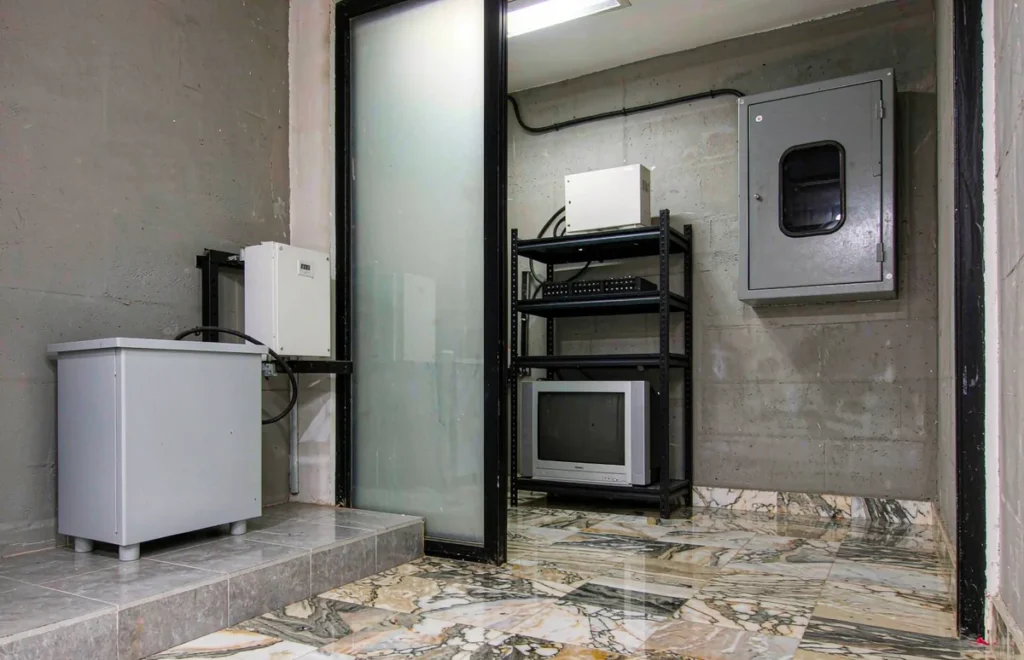
Step Down Transformer for ATM and Banking Equipment
A bank branch is the worst possible place to find out your 110V equipment and your 220V wall supply do not get along. By the time that gap shows up it is usually after midnight, the ATM has gone dark, and a line is forming at the door the next morning. Most machines inside a modern branch were built for 110V because that is the standard in the market they came from, and the cabinet on the wall behind them gives 220V or 230V. Somebody then grabs a travel plug adapter, and that is the moment the real trouble starts.
I take these calls from bank facilities managers and from the distributors who keep them running. The questions come back so often that I want to answer them here the way I would on a phone call, without the brochure voice. A transformer is not a plug adapter, and a branch is not a living room, so the reasoning has to be a bit different from the home guides you may have read.
Why a Bank Branch Treats Power Differently
The short answer is that a branch cannot shrug off a blackout the way a house does. A dropped withdrawal during the day is an annoyed customer. A transformer that fails overnight and leaves the ATM dead for the morning rush is a service complaint that reaches the regional office. Banks plan their sites around redundancy for a reason, and the small box feeding the 110V equipment is part of that plan whether or not the spec sheet mentions it.
Most of the load here is quiet and steady. An ATM idles at low watts, an NVR records with no drama, a card reader pulls almost nothing. The worry is not continuous draw, it is the moment something trips and nobody is on site to reset it until the branch opens. So the conversation is less about raw capacity and more about keeping the feed alive and local.
One thing worth saying up front, because it saves a wrong order later. A transformer changes voltage and nothing else. It does not fix a frequency mismatch, and it does not ride through a power cut. If your building loses mains, the transformer goes dark with it unless something upstream, a UPS, keeps feeding it. We will come back to that, because the relationship between the two boxes decides how a branch stays up.
Which Equipment in a Branch Usually Runs on 110V
When a bank sends me its equipment list I read it line by line and split it into what needs a transformer and what does not. Here is what normally lands on the yes side, with the wattage range I see on real quotes.
- ATM and cash recycling machines, typically 150W to 400W running, with a short motor and printer surge each cycle.
- Deposit and withdrawal terminals and self-service kiosks, 120W to 300W, often on for the full trading day.
- POS terminals and counter card readers, 20W to 80W, small but sensitive to a dip during a transaction.
- Surveillance NVR and camera hubs, 60W to 250W, where a clean steady output matters more than raw size.
- Access control panels and door controllers, 30W to 120W, and they hate a brownout that drops the locks.
- Currency sorters and note counters at the teller line, 100W to 400W, with motor inrush on every start.
- Cheque scanners and document capture units, 80W to 300W at the back office.
What does not need us, and I say this often because it saves money: most laptops, phone chargers, small monitors, and a growing pile of electronics that carry a 100-240V, 50/60Hz rating on the back. If the nameplate says that, the device is already happy on your 220V socket, and bolting a transformer in only gives someone a cable to trip over. Go through the plates before you build a load sheet.
How to Size a Transformer for a Branch
Here is the method I use, and you can run it on the back of an envelope. Group the equipment by where it sits, because the ATM lobby and the back office have different duty patterns. Add the items that could plausibly run at the same moment, then add 25 to 30 percent headroom on top. Never size off the total nameplate of everything you own, that figure is a spreadsheet number, not what the box actually lives with.
Two adjustments sit on top of that rule and both matter in a branch. Anything with a motor or a printer pulls roughly 2.5 to 3 times its running current for a fraction of a second at start, so if the ATM and the note sorter can start close together, size for the inrush. Anything that holds a load, like a heater in a deposit module, pulls full watts and keeps pulling, so a unit that is just barely big enough runs warm all afternoon.
A Worked Example: A Single Neighbourhood Branch
Say your lobby holds an ATM at 250W, a self-service kiosk at 180W, a POS at 60W and a currency sorter at 300W. The realistic worst case is everything busy at once: 250 + 180 + 60 + 300 = 790W, with a short surge on the sorter start. Add 30 percent and you are near 1030VA, so a 1500VA unit covers the lobby with room to spare and the printer starts do not drag the card reader down with them.
Now look at the back office, a different job. An NVR at 200W, access panel at 80W and a cheque scanner at 250W come to about 530W at once. That is a 1000VA unit, and the person at the desk never has to think about it. Same building, same mains, two separate sizing conversations.
| Branch area | Typical simultaneous load | Suggested unit rating | Why this size |
|---|---|---|---|
| ATM lobby with one machine | 400 – 800 W | ST-1500 1500VA with RCD | Printer and motor surge needs headroom above running watts |
| Lobby with ATM and kiosk | 700 – 1100 W | ST-2000 2000VA with RCD | Both can surge together, output must stay steady |
| Back office NVR and access | 250 – 600 W | DT-1000VA bidirectional | Small mixed load, some items already dual voltage |
| Teller line with sorter and scanner | 500 – 900 W | ST-1500 1500VA | Motor inrush on the sorter decides the size |
| Full branch, two zones combined | 1200 – 2000 W | STU-3000 bidirectional | One larger unit or two smaller, see redundancy below |
When the Branch Count Pushes You up a Size
There are cases where I tell a bank to go well past the 30 percent rule. A site that plans a second ATM next year should buy the bigger box now rather than a second unit six months later. A branch in a building with weak earthing or frequent brownouts should size up, because the transformer is doing quiet work while the supply sags. And any head office fitting out ten sites at once should standardise on one rating so spares are interchangeable, which is cheaper to hold than five different models.
If you are not sure which side of that line your branch sits on, send us the list with the duty pattern next to each item. We have sized enough branch loads to tell you in one message whether a 1500VA unit is enough or whether you should be looking at the 3000VA.
N+1 Redundancy and Working With a UPS
This is the part branch managers care about most, so let me be direct. For a single ATM with no backup, one good transformer is fine. For a branch where an overnight failure is unacceptable, put two units in and run one as a cold spare, or split the load so a fault on one zone does not take the whole lobby down.
The UPS sits upstream of the transformer, not after it. The UPS gives you ride-through when mains drops for a few minutes, and the transformer simply does its job on whatever clean input the UPS hands it. Do not expect the transformer to hold the ATM up by itself, it has no batteries. A small UPS feeding the 110V branch through our unit is the standard layout I quote for, and it is what keeps a machine answering withdrawals through a brief outage.
For multiple branches, I like a rack approach: one transformer per zone, each on its own breaker, each labelled, with the spare on a shelf tested and ready. A transformer almost never fails, but when one does it tends to pick a long weekend, and waiting two weeks for a replacement to clear customs is not a plan a regional manager can defend.
Cabinet Layout, Cooling, Anti-Tamper and RCD
The physical layout matters more in a bank than in most places. The unit usually lives inside a locked cabinet or a service riser, so it needs to shed heat with little airflow. Our enclosures are built to sit in a closed space without cooking themselves, but leave a few centimetres around the sides and do not bury it behind stacked paper.
Anti-tamper is a real requirement here. The enclosure should be screwed to the cabinet back, the output sockets should be proper fitted outlets rather than a loose lead hanging out, and the lid should need a tool to open. On the ST-2000 the RCD sits inside the case, so when the 110V side faults it trips right there instead of leaning on a breaker off in the building. In a public area that local trip is not a nice-to-have.
Earthing is the first thing I look at on a branch install. The enclosure has to bond to the building earth, and the 110V output should feed proper sockets. If a machine has a three-pin 110V plug, give it a proper outlet, do not tape an adapter onto the terminal block. Our guide to a Small Step Down Transformer: Uses and Selection Guide covers the smaller load end of this work and the safety points that come with it.
Independent Circuits Keep One Fault From Taking the Lobby
For a retrofit, which is what most bank jobs are, I suggest one unit per zone rather than one big box feeding everything. Two 110V circuits, each with its own socket strip, so a fault at the back office does not touch the ATM. On a larger branch you can group two or three machines onto one unit as long as you have written down what is on it and taped the list inside the door.
The Units We Build for Banking Work
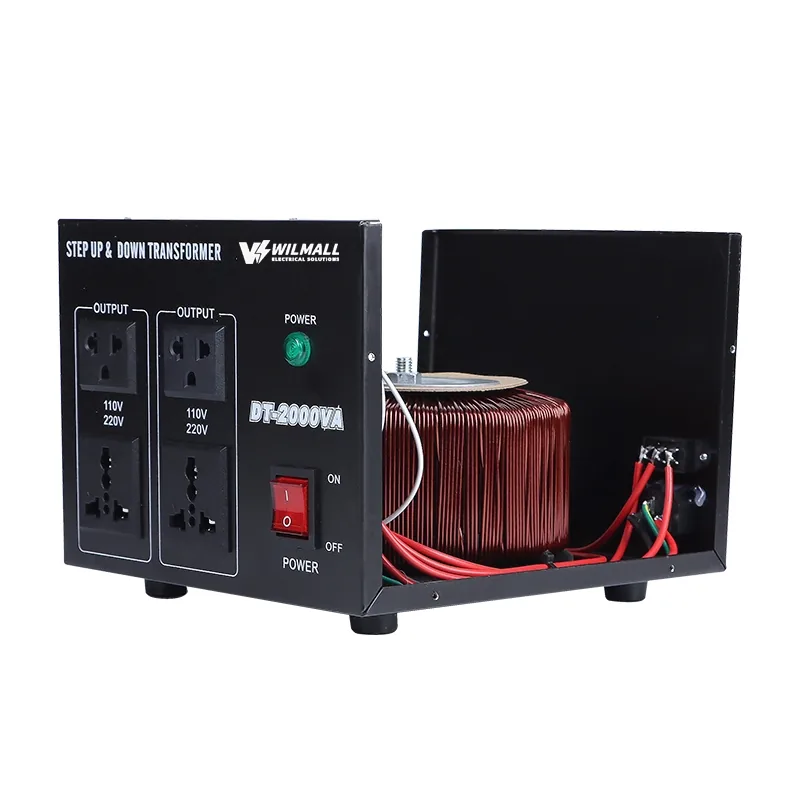
I run the line myself, so I know every unit that leaves it. The ST-2000 is our 2000VA step down box: 220V in, 110V out, with the RCD mounted inside the case. When a branch needs an ATM, a kiosk and a card reader fed, that is the unit I reach for first on the quote.
Above that, the STU range takes the load. The STU-3000 and STU-5000 run both ways, up and down, so they cover the heavier branch duty: a lobby with two machines, a back office with an NVR and a scanner, or a head office staging spares across sites. Running both ways matters more than buyers expect, because a bank that brings in 110V and 220V machines alike will want to flip direction one day, and re-boxing the wall then is a cost nobody planned.
The DT-1000VA is our automatic bidirectional unit, and it earns its keep at the back office where a small load runs either way without a thought. Between that box and the big units, the Variac range covers the 500VA, 1KVA, 2KVA and 3KVA steps, and a knob you can turn does not sound like much until you are commissioning an imported scanner and want to watch it at 105V or 115V. Once a service tech has one in hand, they tend to want one on the shelf for good.
Order Size, Delivery Window and Test Paperwork
I will put the commercial figures on the table first, because branch buyers ask for them before anything else. Our minimum order is 10 pieces, whether you are fitting out one branch or sampling before a regional roll-out. Lead time runs 15 to 25 days, and where you land in that window depends on quantity and on whether you need custom labelling or a specific socket type. Goods go FOB Ningbo or Shanghai, and each unit comes with a 12-month warranty. In the box you will find the test sheet for the batch your unit came from, with input voltage, loaded output and no-load current, since every unit we build in our Yueqing plant is tested before it ships.
Customisation is where bank orders get interesting. We can fit the socket your machines use, set the output to 110V or 120V depending on what the nameplates say, print your own brand on the faceplate, and pack units individually so they go straight to each site. If you are fitting out several branches, tell us the schedule and we will stage the deliveries instead of shipping one pallet of twenty units to store in a back room.
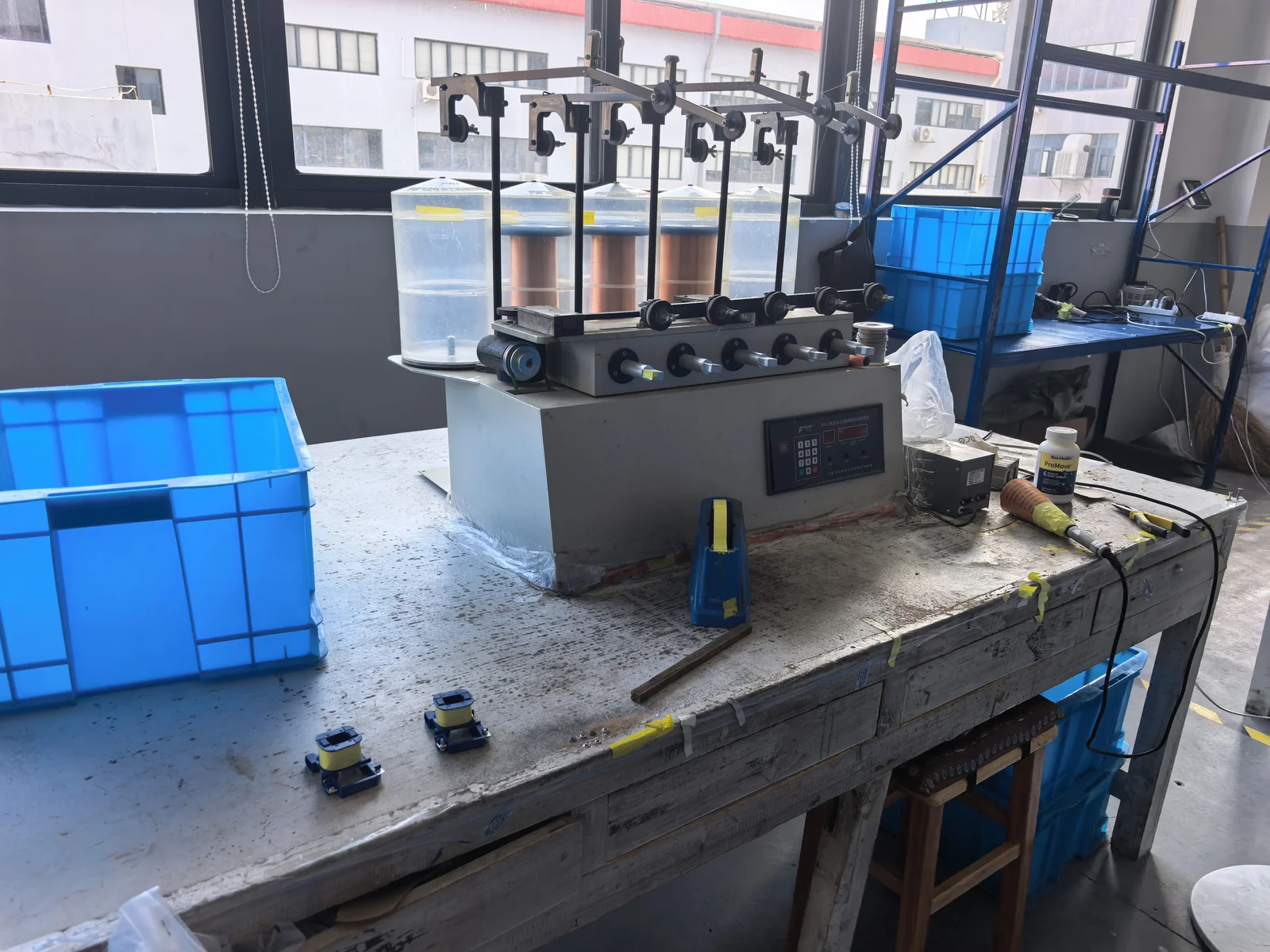
We wind with copper here, not aluminium, and that is not a sales line. Aluminium coils run hotter at the same VA, and that heat is what cooks the insulation and kills a unit young. Under branch duty, where a unit is switched on in the morning and left on until close, that difference shows up inside a couple of years.
What to Send Us Before We Quote a Branch
A finished specification is not needed before we talk. Send whatever you already have. The equipment list with the wattage from each nameplate, a photo of one nameplate if that is easier than typing, your mains voltage and frequency, the socket type in the branch, how many separate 110V feeds you need, and your target date. Hand me that and I can pick the unit, price the quantity and tell you when it ships.
A couple of reads help while you pull that list together. If you have not settled yet whether you want step down, step up or a unit that does both, our page on step up & down transformers lays out the difference without any math to crack. There is a full set of more application guides on the site as well, covering everything from pharmacy fridges to laboratory benches.
If any line on that list is muddy, shoot it over with a photo of the plugs. Sizing a step down transformer for ATM and banking equipment is routine work for us, and we would much rather spend ten minutes on WhatsApp than have you order the wrong unit for every branch in your network.
ATM and Banking Transformer Questions I Get Most Weeks
The questions below are the ones that land on my desk most weeks from facilities managers and their distributors, answered the way I would on a call.
Can one transformer run an ATM and a card reader together?
Yes, and most branches we quote do exactly that. An ATM near 250W plus a card reader at 60W is a light load for our ST-2000 2000VA step down transformer. What decides the size is not the running watts but the short surge when the printer and motor start, so we add headroom for that moment.
Does the transformer keep the ATM running during a power cut?
No, and this is the part people mix up. The transformer changes voltage only, it has no batteries. To ride through an outage you put a UPS upstream of our ST-2000 step down transformer, and the UPS feeds clean power to the 110V side while mains is down for a few minutes.
How much headroom should a bank branch allow?
Add 25 to 30 percent above the simultaneous running load, and a bit more if the machines can start together. A lobby with an ATM, a kiosk and a sorter lands near 1100VA, so a 1500VA or 2000VA step down transformer covers it. Send us the list and we will confirm the exact rating.
Do I need RCD protection on a banking transformer?
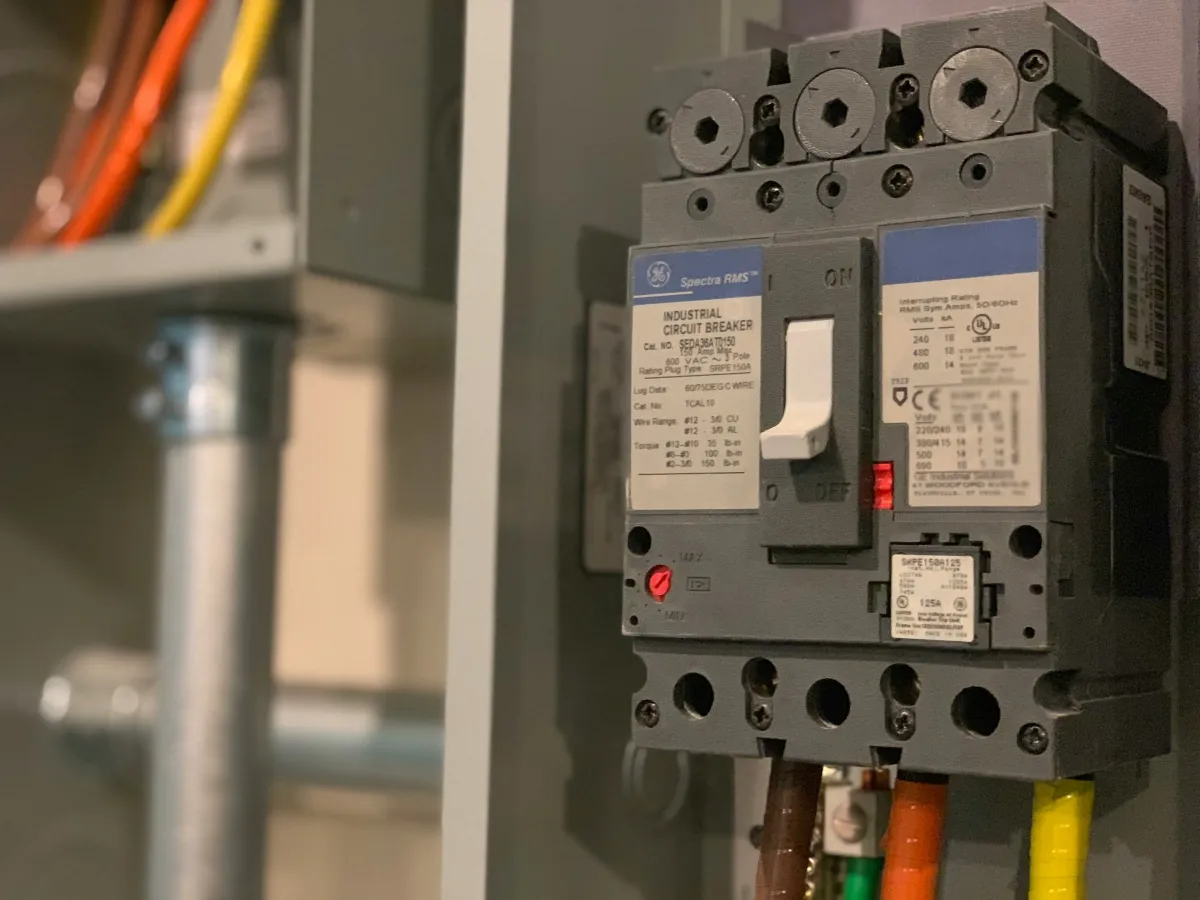
Yes, ask for it first rather than last. On our ST-2000 the RCD is part of the build, so a fault on the 110V side trips the unit locally instead of waiting for a breaker in another part of the building. In a public lobby with customer access, that local trip is not optional.
Should a branch keep a spare transformer on the shelf?
For a single ATM with no backup, one good unit is fine. For a branch where an overnight failure is unacceptable, keep one cold spare so a fault never takes the lobby down until morning. A 1500VA or 2000VA step down transformer is small to store and removes the worst case completely.
Send us your branch equipment list and we will size it at no charge. Tell us which 110V machines you run, how many separate 110V feeds each site needs, and which country you are in. Most of the time you have a unit, a quantity and a landed price back inside a working day, and we can spread the shipments across your branches.
Or talk to us directly: WhatsApp +86 197 3022 6757 · Email sales@wilmall.com
MOQ 10 pcs · Lead time 15-25 days · FOB Ningbo or Shanghai · 12-month warranty