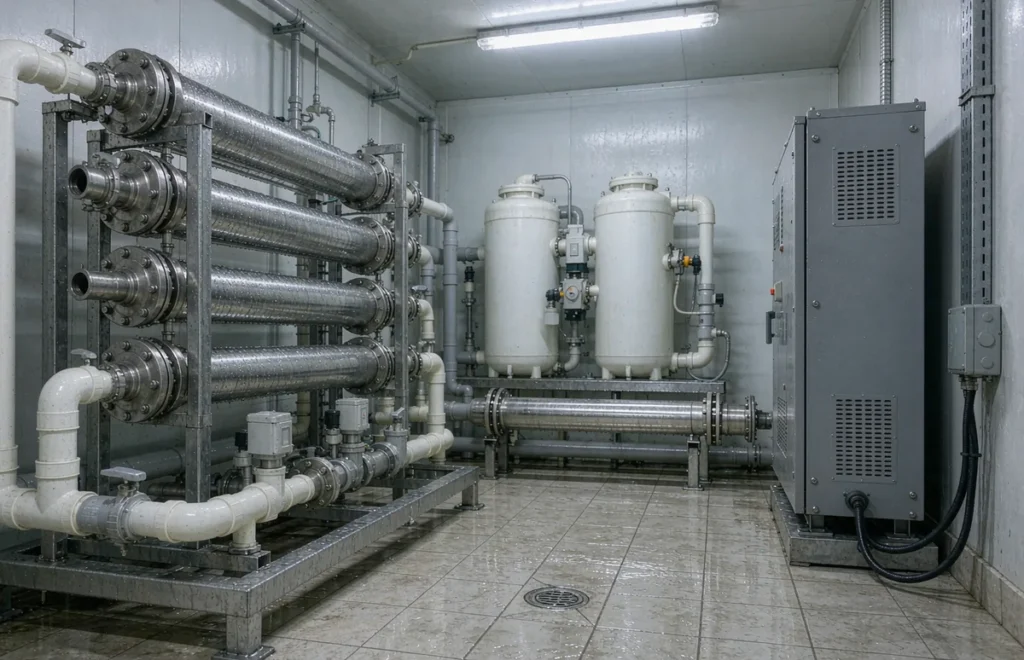
Step Down Transformer for Water Treatment Systems
A water treatment plant does not get weekends off. People still drink, hotels still fill tanks, clinics still sterilise, and a village pump still has to deliver. That is why the power design for a treatment skid sits a notch stricter than for most buildings, and why the step down transformer feeding the 110V instruments and pumps has to be chosen with more care than the price would suggest.
My enquiries for a step down transformer for water treatment come from system integrators, plant builders and utility contractors across the Middle East, Africa and Central Asia, which are the places where water is short and the equipment often arrives American-made at 110V. RO membrane units, dosing pumps, UV lamps, online meters and softener heads all come in on that voltage, and the local supply is 220V or 230V. Let me walk through how we size the feed and what tends to go wrong in a wet room.
One clarification before we start, because two very different jobs keep getting mixed up. This is about a treatment or purification system, the plant that makes water fit to use. It is not about pumping water onto a field. If you are sizing a transformer for an agricultural irrigation pump out in the open, that is a different conversation with different duty cycles, and you are better served by our Step Down Transformer for Water Pump: Sizing & Wiring guide.
Why a Treatment Plant Is a Round-the-Clock Load
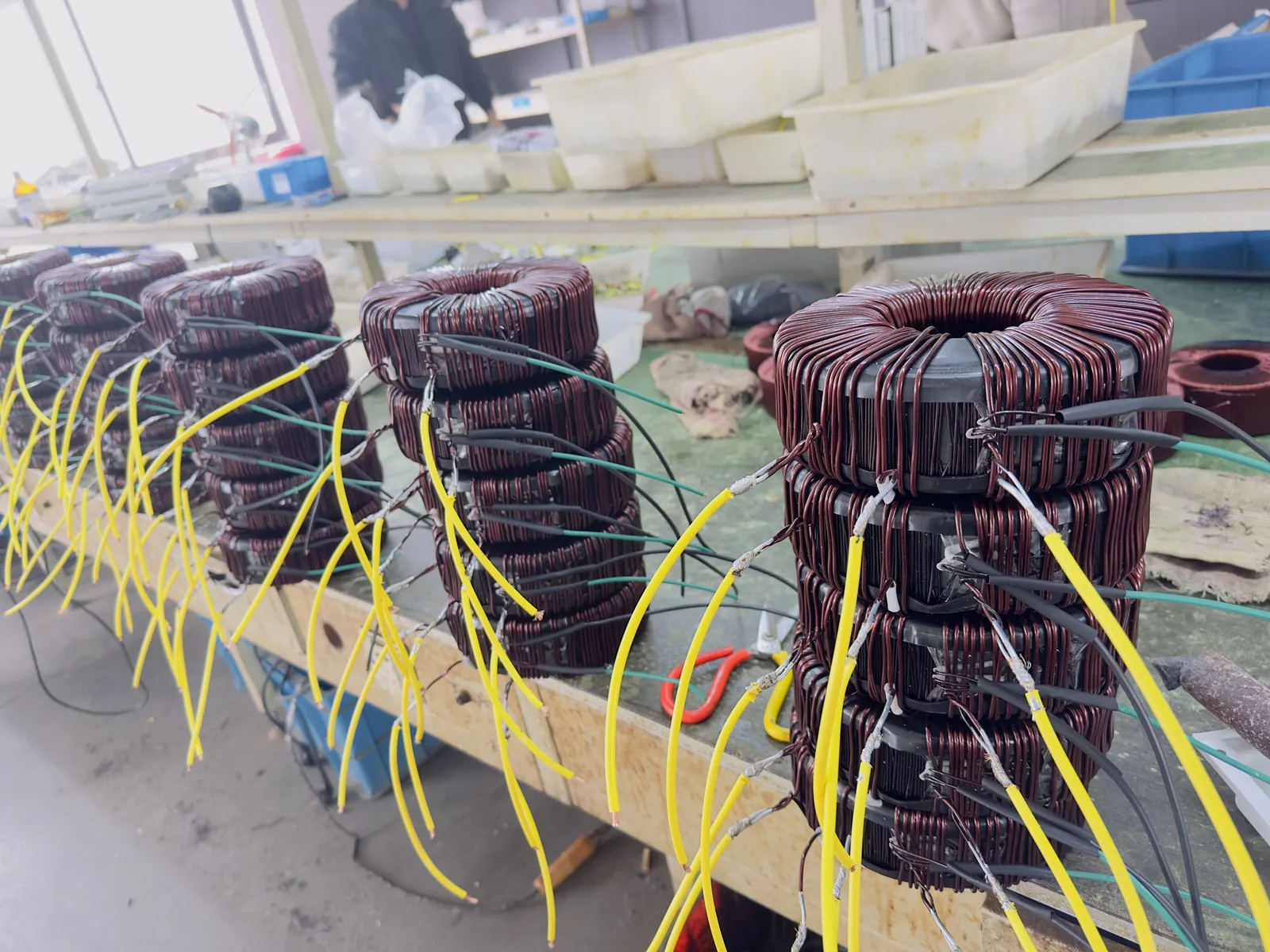
Think about what a treatment plant actually does with electricity. Water has to keep moving, chemicals have to keep dosing, and disinfection has to keep working. Stop any of those for long enough and the consequences range from a bad batch to a health problem. So the plant is designed to run continuously, and the electrical load rarely drops to zero in the way an office load does overnight.
That changes the sizing question from peak power to continuous duty. A transformer that feeds a plant running 24 hours a day, seven days a week, is a transformer that never really cools down. A unit that is comfortable for an eight-hour shift may run warm when it is never switched off, and over a couple of years that heat shows up in the insulation.
There is a second pattern worth knowing. A lot of the load on a modern skid is made of small, steady draws stacked on top of each other. A dosing pump here, a UV ballast there, a controller and a couple of meters. None of them is big, but they are all on at once, all the time, and the total is what the transformer has to live with. Missing that stack is how a plant ends up with a feed that is a size too small.
Which Parts of a Skid Run on 110V
Send me a process and instrument diagram or an equipment list and I will mark the items that sit on the 110V side. On the systems I quote, these are the usual ones.
- RO membrane control valves and actuators — the valve heads and their small motors, 20W to 150W each, and most plants have several.
- RO booster and high-pressure pumps — a booster pump at 370W to 1100W and the main high-pressure pump, which is a real motor load with a hard start.
- Chemical dosing pumps — metering pumps at 30W to 200W, running continuously and often in pairs with a standby.
- UV disinfection lamp power supplies — ballasts that drive the lamps, 60W to 300W per lamp, and the lamps are on whenever water flows.
- Online conductivity and pH meters — analyzers at 10W to 50W that need a clean, stable supply to read correctly.
- Softener and filter control heads — 110V control valves and timers, 20W to 100W, regenerating on a cycle.
- Ozone generators — the 110V control and lamp side of the unit, 100W to 500W depending on capacity.
- Control panel, PLC and HMI — 100W to 300W, the brain running the whole plant and never meant to drop.
Some items on your list may already carry a 100-240V rating, and those need no transformer at all. Check the plate rather than assuming. A load sheet built on assumptions is how a plant gets a box that is wrong in both directions at once, oversized in watts for one load and short of capacity for another.
Sizing a Skid: Small Loads That All Run at Once
The trick with a treatment plant is to accept that the small loads stack. Unlike a workshop where machines take turns, a plant has pumps, lamps, meters and controllers running simultaneously for hours. So the sizing method here is closer to adding the running load honestly, then adding a comfortable margin, rather than leaning hard on a diversity factor.
Motors still need the inrush allowance, because a booster pump or a high-pressure pump pulls several times its running current for a moment when it starts. On a skid where the high-pressure pump starts while the UV and dosing are already running, that instant is when the supply is stressed, so give the transformer room for it. If you want the arithmetic on motor inrush in detail, that belongs on a dedicated page rather than being buried here.
A Worked Example: A Small RO Plant
Take a plant with a booster pump at 750W, a high-pressure pump at 1100W, three dosing pumps at 60W, four UV lamps at 150W including ballasts, a control panel at 200W and two meters at 25W. Add the steady items: 750 plus 1100 plus 180 plus 600 plus 200 plus 50 comes to about 2.9kW. Add 30 percent margin and you are around 3.8kVA.
If the high-pressure pump can start while everything else is already on, add a little more for the start, which pushes you toward a 5kVA unit. That is the honest answer for a plant that never shuts down. The same skid on a site where the pump only starts when the UV bank is off could sit at 4kVA, but on a continuous plant I would rather have the margin than save the difference.
| Plant area | Typical simultaneous load | Suggested unit rating | Why this size |
|---|---|---|---|
| Instrument panel and meters | 100 – 400 W | DT-1000VA bidirectional | Steady load, needs a stable and clean output |
| Dosing pumps and control head | 100 – 500 W | ST-1500 1500VA with RCD | Small continuous loads that never switch off |
| UV bank with ballasts | 300 – 900 W | ST-2000 2000VA with RCD | Continuous lamp load, steady and unforgiving |
| Booster pump and valve actuators | 0.5 – 1.5 kW | ST-2000 2000VA | Motor start needs headroom above running watts |
| High-pressure RO pump | 1 – 4 kW | STU-3000 or STU-5000 bidirectional | Big motor with hard start on a live skid |
| Full skid, continuous duty | 3 – 8 kW | STU-5000 plus zoned smaller units | All loads run together and the plant never stops |
Damp Rooms, Wash-Down and Corrosion
A treatment room is a wet place, and that is the second thing that decides whether your transformer lasts. Water splashes, condensation forms on cold metal overnight, and in some plants the air carries chlorine or salt. An open-frame transformer in that room will not have a long life, no matter how good the winding inside it is.
So we seal the unit. The enclosure carries an ingress protection rating suited to a wet room, the terminals are covered, and the cable entries are arranged so water runs away from the case rather than into it. Where a plant is washed down with a hose, we go higher on the rating, and where the air is salty or chemically loaded we add a corrosion-resistant finish on the case and fittings.
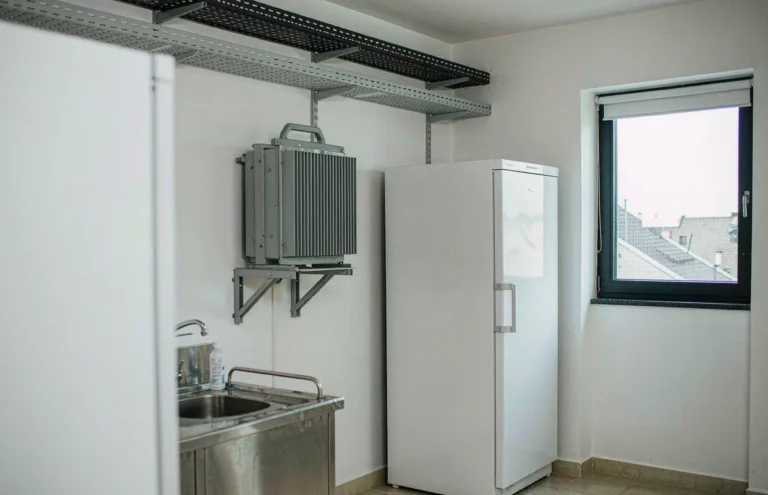
Mounting matters too. Keep the unit off the floor, above the splash line, and not directly under a pipe joint that might drip. Give it air on the sides in a closed cabinet, and check the vents when the plant is serviced. A transformer that cannot breathe runs hot, and a hot transformer in a damp room ages faster than anywhere else.
Why the Instruments Care About Voltage Stability
Here is the part plant operators feel rather than measure. Conductivity and pH analyzers read a signal from a probe and turn it into a number. That chain is sensitive to the supply feeding it, and when the voltage wanders the reading can drift with it. A controller acting on a drifting reading then makes a wrong decision, dosing too much or too little, and the water quality follows the error.
That is the real reason a treatment plant wants a transformer with margin and copper windings. It is not that the instruments are fragile. It is that they are accurate only when their supply is steady, and a feed that is sized tight will sag a little every time a pump starts. On a continuous plant those small sags happen constantly, and over a shift the readings drift away from the truth.
A dedicated feed helps as well. When the instrument supply comes off its own transformer rather than sharing with the heavy pump circuits, the meters stop seeing the pump starts at all. On plants where water quality is checked against a strict spec, that separation is usually the difference between a stable process and a lot of chasing.
Remote Sites: Solar, Generator and a Mixed Supply
Many of the plants I quote sit far from a strong grid, and there the transformer has to work with whatever source is available. A village plant might run from solar with a battery inverter, a mine camp might run from a diesel generator, and a clinic might have both with the grid as a third option. In every case the rule is the same: the source feeds the transformer, and the transformer feeds the 110V equipment.
The one thing to watch is the quality of the source. A small inverter or an older generator can produce a waveform that is rougher than the grid, and the transformer will pass that roughness straight through, because it changes voltage and nothing else. It cannot smooth a bad waveform, hold a frequency steady, or store energy for a cloudy afternoon. Those jobs belong to the inverter and the battery, and it pays to size them for the critical load before you size the transformer.
Decide what must keep running first. On a water plant that usually means the dosing pumps and the UV bank, since without them the water is not safe, while the booster pump can wait a short while. Build the backup around that list, then let the transformer match the voltage on the other side. Get the order right and a remote plant rides through a bad afternoon without a failed batch.
The Units We Build for Water Plant Work
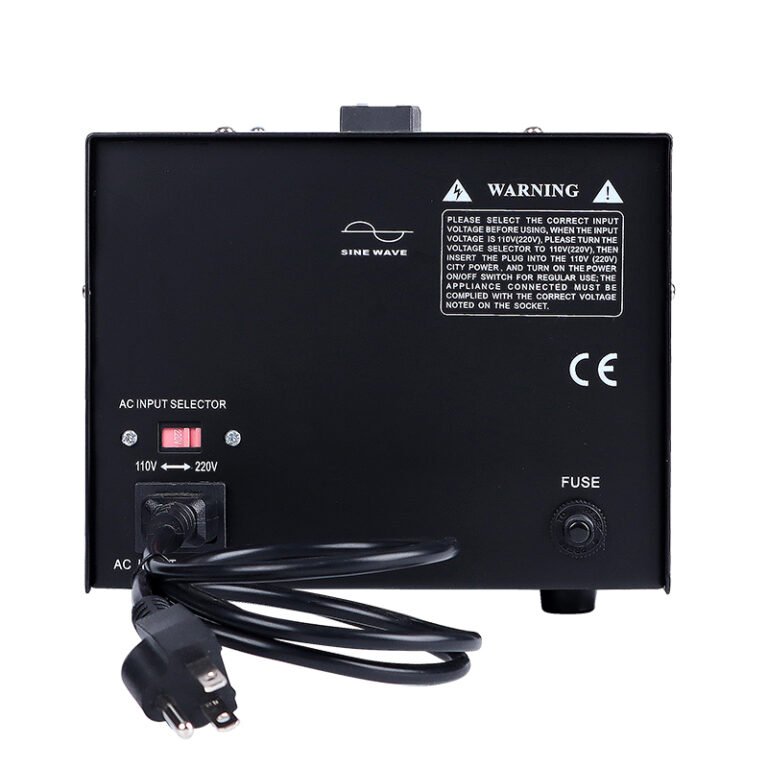
For the instrument and control side of a skid, the DT-1000VA does a quiet, useful job. It is the automatic bidirectional unit, and it suits small steady loads where the voltage has to stay clean and nobody wants to think about the transformer again. The ST-1500 and ST-2000 cover the dosing, UV and valve loads, with the RCD inside the case so a fault on the 110V side trips locally in a plant where the panel is never unattended for long.
Where the high-pressure pump enters the picture, the two-way units step up to the job. The STU-3000 and STU-5000 carry the heavier motor duty and work in both directions, which is a real help on a plant that owns a mix of 110V and 220V equipment and may change a skid over later. Our hub page on step up & down transformers shows where a two-way unit earns its place and where a plain step down box is simpler.
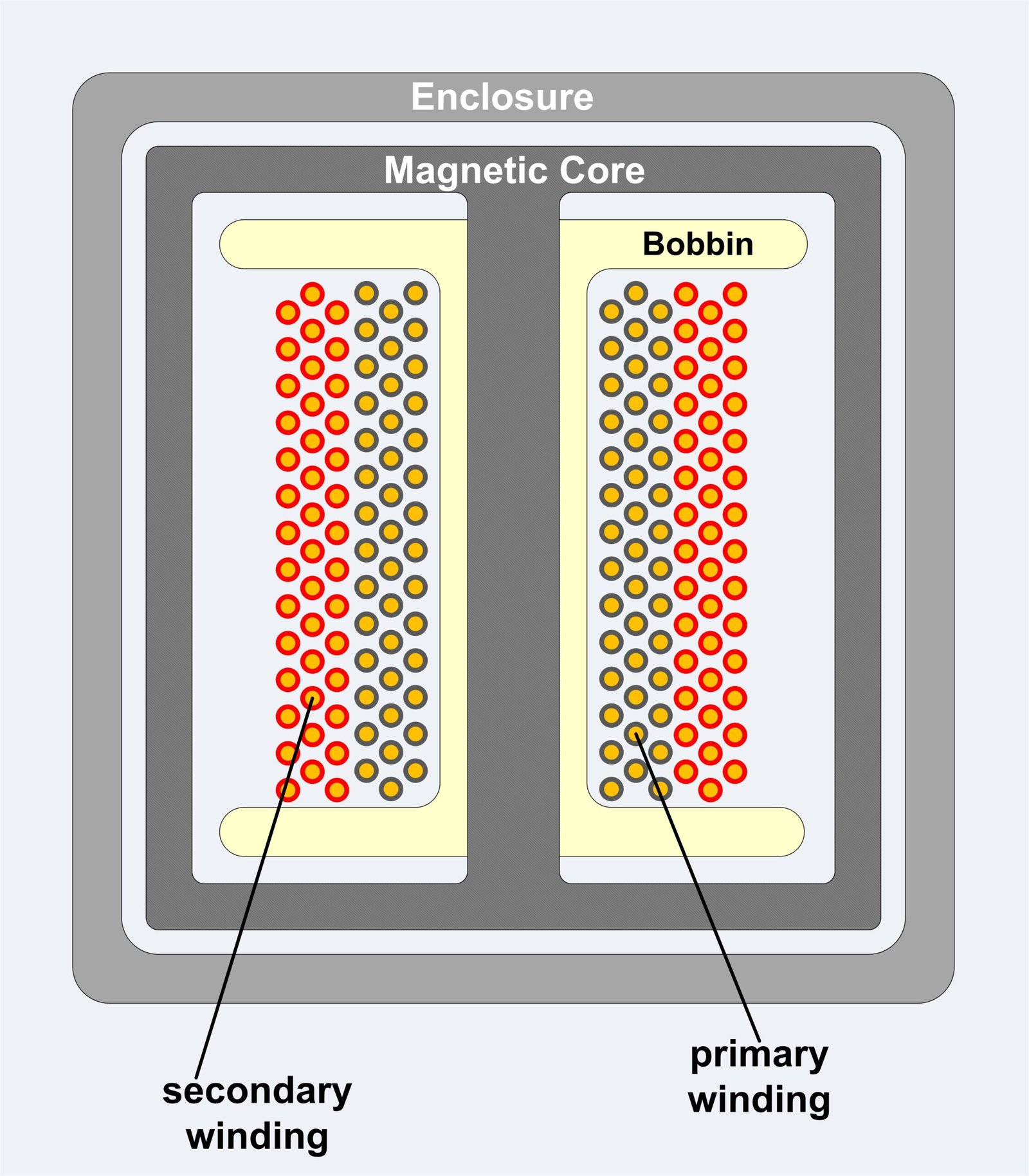
The Variac range, at 500VA, 1KVA, 2KVA and 3KVA, stays on our shelf for commissioning. When a technician is setting up an imported analyzer or a new UV ballast and wants to watch the reading at 105V and again at 115V, a dial you can turn tells the story faster than any datasheet. Every unit we make is wound with copper and tested in our own factory in Yueqing, and on a plant that runs non-stop, the cooler-running copper winding is the right choice.
Minimum Order, Shipping Window and Test Records
Our minimum order is 10 pieces, which fits a plant builder equipping several skids or a contractor holding stock. Lead time runs 15 to 25 days, and where you land depends on the quantity and on custom work such as labelling or a particular output voltage. Goods ship FOB Ningbo or Shanghai, and each unit carries a 12-month warranty.
With every shipment you receive the batch test record, showing input voltage, loaded output and no-load current for the run your units came from. On a water project that paper often travels into the client’s handover file, so we make sure it is complete. If the site needs an output set to a specific voltage to match the instruments, or a socket to match the plant’s panel, we build that at the factory.
What to Put in a Water Plant Enquiry
Start with the system size and the equipment list. Tell me the plant capacity in cubic metres per hour, which helps me understand the scale of the load, and then give me the items that run on 110V with the watts on each. Add the mains voltage and frequency at the site, and say whether the supply is the grid, a generator, solar or a mix.
Two more details are worth the minute it takes to write them down. Note whether the plant runs continuously or on a shift pattern, because that decides how much margin to build in. And note the environment, since a wet, salty or chemically loaded room changes the enclosure and the finish we recommend. Hand me all that and I can pick the units, price the quantity and tell you when they will ship.
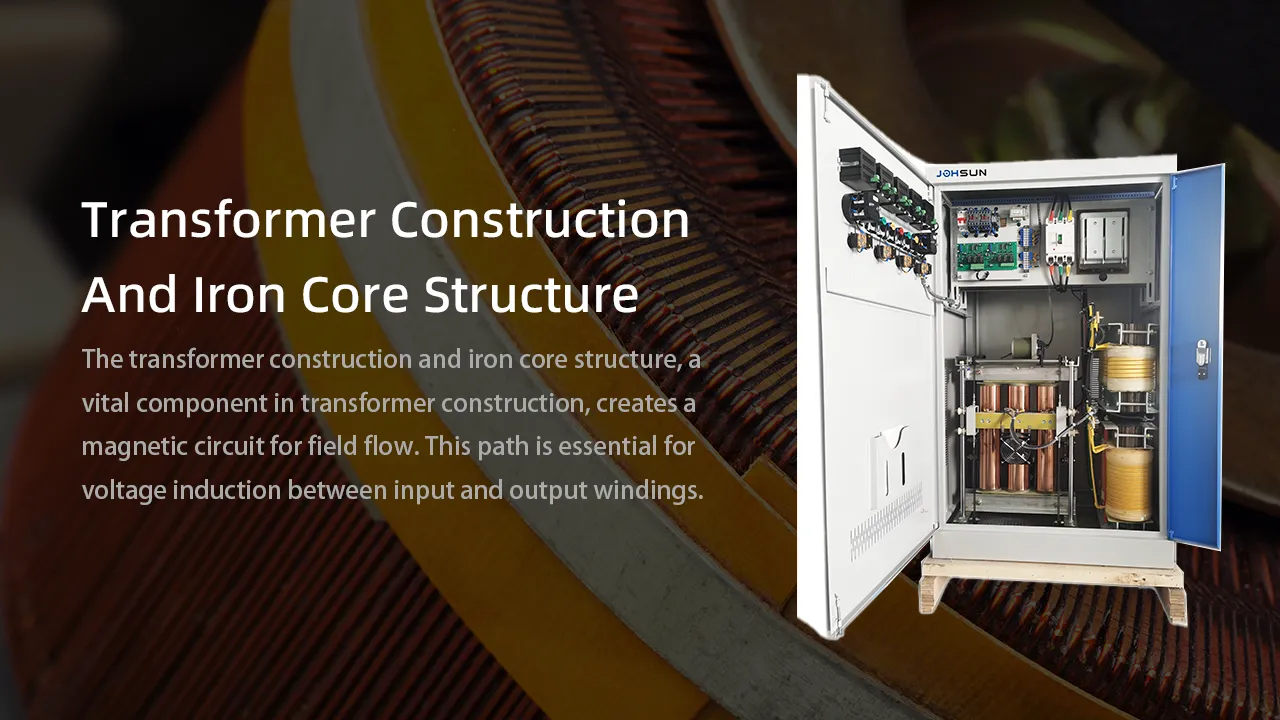
If you are still deciding how the supply should be arranged, there are more application guides on the site that may help you frame it. A treatment plant is unusual in that nearly everything is on at once, so the sizing mindset is closer to adding loads than to spreading them.
Send the diagram with your question if you have one. We size step down transformers for water treatment systems regularly, and a quick exchange about the skid now is better than replacing a feed that turned out to be a size short of a plant that never stops.
Water Treatment Transformer Questions I Answer Often
These come up on most water projects I quote, so here they are answered as plainly as I would answer them on a call with the plant builder.
How do I size a transformer for a water treatment skid?
Add the running watts of the items that are on together, allow for the pump start, then add around 30 percent margin. A small RO skid often lands near 3.8kVA before the start allowance. Send us the equipment list and we will size the step down transformer for water treatment duty.
Can one transformer run the RO pump, dosing pumps and UV lamps?
It can, but give it margin, because on a treatment plant those loads all run at the same time for hours. A high-pressure pump starting while the UV bank is already on is the moment that decides the size. A STU-5000 bidirectional unit covers a full skid with room for that start.
Why do water quality instruments need a stable supply?
Because conductivity and pH analyzers turn a probe signal into a reading, and a wandering supply can make that reading drift. When a pump starts and the voltage sags, the meter follows. A transformer with margin, on its own feed, keeps the instrument supply steady so the process stays accurate.
What protection suits a damp treatment room?
A sealed enclosure with an appropriate ingress protection rating, covered terminals and cable entries arranged so water runs away from the case. Mount it off the floor and above the splash line, and add a corrosion-resistant finish where the air is salty or loaded with chlorine.
Can I feed the transformer from solar or a generator?
Yes, and the rule is simple, the source feeds the transformer and the transformer feeds the 110V equipment. Just remember the transformer cannot smooth a rough waveform or store energy. Size the inverter or generator for the critical loads first, then match the voltage with the transformer.
Send us the plant capacity and equipment list and we will size the feed with you. Tell us the cubic metres per hour, the 110V items with their watts, and whether the site runs on the grid, a generator or solar. We will reply with a unit and a quantity, and on a continuous plant we will build the duty margin in from the start.
Talk to us directly: WhatsApp +86 197 3022 6757 · Email sales@wilmall.com
MOQ 10 pcs · Lead time 15-25 days · FOB Ningbo or Shanghai · 12-month warranty