Step Down Transformer for Bread Maker: 220V to 110V Guide
Quick answer: which transformer size for a bread maker
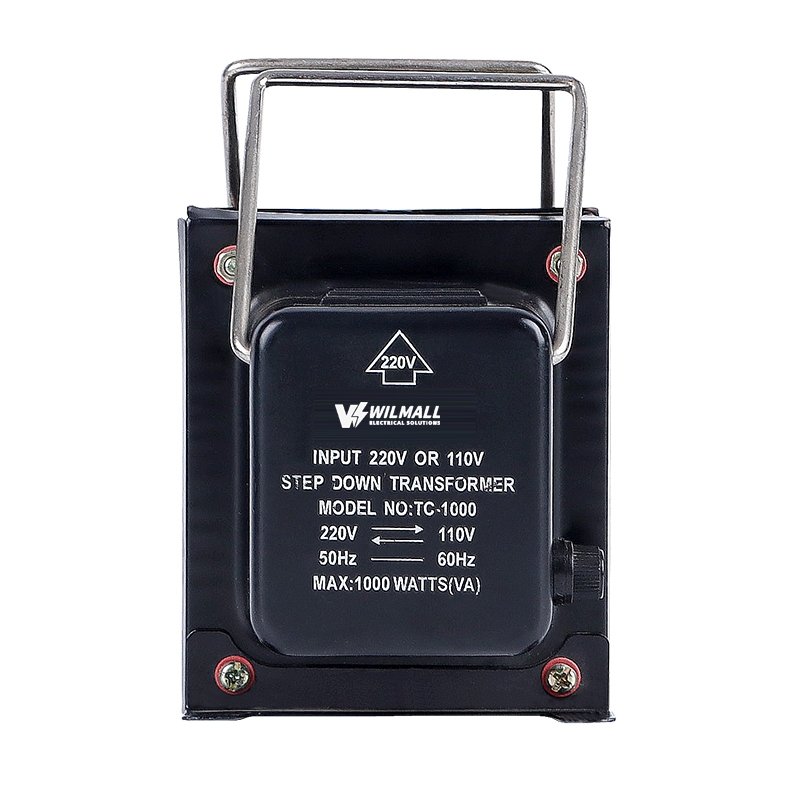
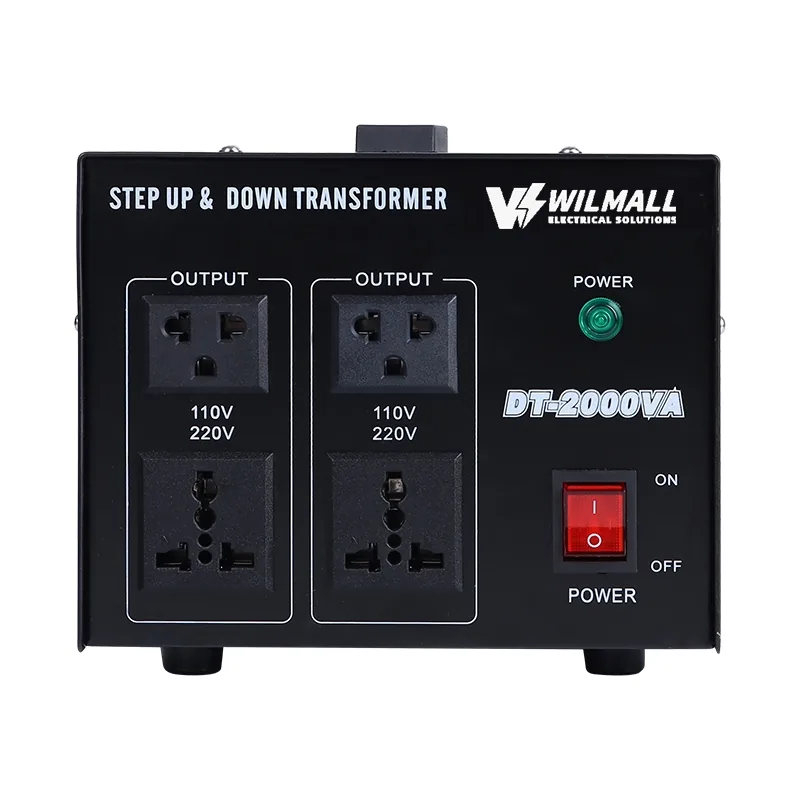
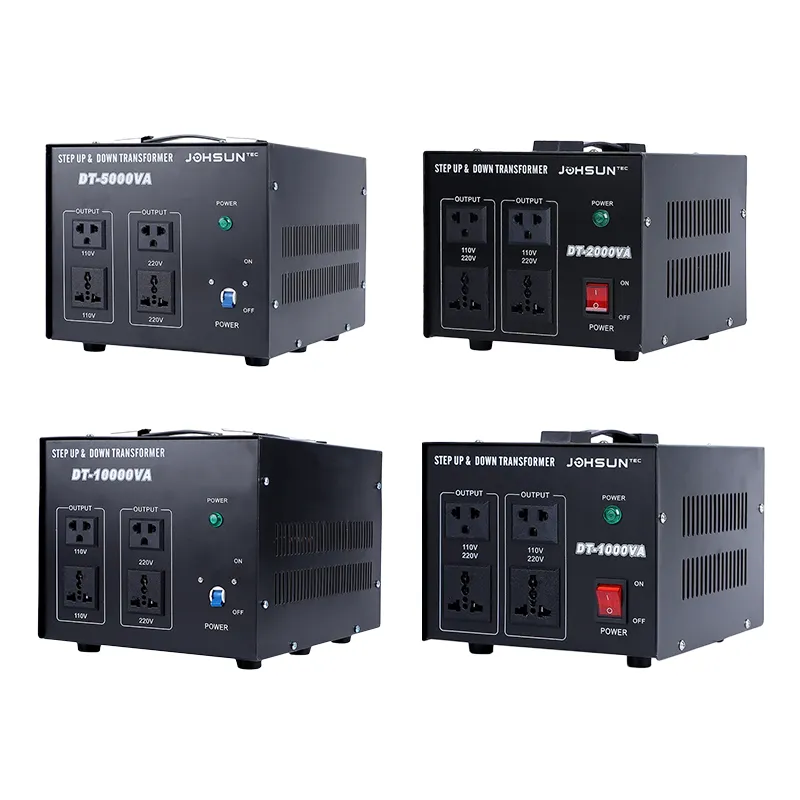
Most US-spec bread makers draw between 450W and 700W while kneading and baking, so a 1000VA step down transformer covers them comfortably. A 1500VA unit is the safer pick if you also run a kettle or a toaster from the same transformer, or if your machine has a heavy-duty motor. The short rule: take the wattage on the bread maker nameplate, add 30 percent, and pick the next size up. That usually lands you on 1000VA or 1500VA, depending on the model and what else shares the outlet.
We get this sizing question every week from buyers in Saudi Arabia, the UAE, Nigeria, the Philippines, and across Europe, because bread makers are a popular US-spec appliance that people bring home from a trip, order online, or receive as a gift. The transformer is a small investment compared with the machine it protects, and once it is in place the bread maker behaves exactly as it did in the country it was built for.
Why a bread maker needs a step down transformer at all
A bread maker bought in the United States is built for 110-120V mains. Take it to a 220V country, the Middle East, Europe, Southeast Asia, or Africa, and plugging it straight into the wall destroys the heating element and the motor control board in seconds. The transformer sits between the wall and the machine, converts 220V to 110V, and lets the bread maker run exactly as designed. You only need the transformer when the appliance is single-voltage, 110-120V only, which is stamped on the nameplate. If the label says 100-240V, the machine is dual-voltage and needs only a plug adapter, no transformer at all. That check takes five seconds and saves the cost of a transformer you do not need.
There is a second reason the transformer matters beyond the voltage. Many bread makers have a small motor that drives the kneading paddle, and the motor plus the heating element together draw a surge when the cycle starts. A transformer sized for the running watts plus margin handles that surge cleanly, while an electronic converter often cannot. The converter is fine for a phone charger, but it is not built for the combination of heat and motor load that a bread maker presents.
Sizing a transformer for a bread maker: the honest math
Bread makers are mostly a heating load with a small motor, and the heating element dominates the draw. A typical 600W machine pulls close to 600W during the baking phase, so a 1000VA transformer runs it at about 60 percent of capacity, cool and quiet. The motor that kneads the dough adds a brief surge at start-up, but it is small compared with the heater. If your machine is a larger model rated 800W, move up to 1500VA. If you plan to run the bread maker at the same time as other appliances, a coffee machine, a kettle, or a toaster, add their wattages together before choosing. The combined load is what matters, not the bread maker alone.
| Bread maker rating | Transformer size |
| Up to 450W | 500VA |
| Up to 700W | 1000VA |
| Up to 900W or shared outlet | 1500VA |
| Multiple appliances together | 2000VA |
The 30% headroom rule and why it protects your machine
We tell every buyer to add 30 percent headroom above the running wattage, and bread makers are no exception. A 600W machine on a 1000VA transformer sits comfortably inside the safe zone. If you squeezed it onto a 500VA unit, the transformer would run at 120 percent of its rating, overheat, and age its insulation quickly. The 30 percent margin covers voltage fluctuation in the grid, the motor surge, and the heat buildup in a small kitchen. It also keeps the output voltage stable, so the bread maker bakes at the right temperature cycle. A transformer that is never pushed hard lasts for years; one that runs at its limit every day is a warranty claim waiting to happen.
Most buyers ask us whether the transformer will make their bread maker bake slower or differently. The answer is no. A transformer does not change the way the machine works, it only supplies the correct voltage. The bread maker runs its full program, the kneading cycles, the rise times, the bake, exactly as designed. The only thing the transformer changes is that the machine survives being used in a country with a different mains voltage.
Copper windings matter more than you think
When you compare transformers, the winding material is the first thing to check. Copper windings run cooler, carry current more efficiently, and hold up better under the repeated heating cycles of a bread maker. Aluminium windings are cheaper, but they run hotter for the same rating, and heat is what kills insulation. Our ST series is wound with copper as standard, and the material is printed on the label and in the batch test report. For a machine that runs for an hour or more each cycle, the difference shows in the case temperature and the lifespan. If a supplier cannot tell you what the windings are made of, that silence is an answer in itself.
Three common mistakes bread maker buyers make
We see the same three mistakes from bread maker buyers. First, buying an electronic converter instead of a transformer. Electronic converters handle light loads like phone chargers, but they struggle with the heating element and the motor of a bread maker, and they can shut down mid-cycle. Second, undersizing. A 500VA transformer on a 600W machine runs at overload and trips. Third, forgetting the plug. A US bread maker has a NEMA plug that will not fit a 220V socket, so the transformer must have the right output socket, or you need an adapter that fits. Our step down transformers come with the output socket matched to the appliance plug, so you plug in and bake without hunting for adapters.
A fourth mistake is less common but worth mentioning: buying a transformer rated for 110V input when the country runs on 220V. The input side must match your wall voltage, and the output side must match the appliance. Our units are clearly labelled on both sides, and the wiring diagram is printed on the unit, so there is no guesswork. If you are buying online, check the listing states both the input and the output, not just one of them.
What protection features should the transformer have
For a kitchen appliance like a bread maker, two protection features matter. A fuse protects the transformer and the appliance if something shorts, and it is the minimum you should accept. A thermal cut-out protects the transformer itself if it overheats, which is useful when the machine runs for a full cycle in a warm kitchen. Our ST series includes both as standard. For buyers in humid regions or with older wiring, the STU series adds RCD protection, which cuts the power if it detects earth leakage. These features do not change the price much, but they are the difference between a small annoyance and a damaged appliance. When you compare transformers, check which protection is actually built in, because a low price often means a missing fuse.
Can one transformer serve the whole kitchen
Many buyers ask whether a single transformer can run all their US-spec kitchen appliances. The honest answer is yes, with planning. Add up the wattages of everything you might run at the same time, add 30 percent, and choose a transformer that covers the largest combination. A typical kitchen with a bread maker, a kettle, and a toaster needs 2000VA to 3000VA. The advantage of one larger transformer is that you plug the appliances in as needed without moving units around. The trade-off is that a larger unit costs more and sits unused for most of the day. Many households prefer two smaller transformers, one for the countertop and one for the coffee area. Either approach works, as long as each transformer is sized for the loads it actually feeds.
Why buy from a factory instead of a local shop
You can buy a step down transformer locally in most cities, and for a single urgent unit that is convenient. The trade-off is price and range. A local shop carries a few popular sizes at two to three times the factory price, and it may not stock the output socket you need. Buying factory direct from us gives you the full range from 100VA to 10KVA, the output socket matched to your appliance, the batch test certificate, and a 12-month replacement-first warranty. For a single unit, the shipping time is the main cost, and air freight is fast enough for most buyers. For distributors and shops, the factory price plus the margin on resale makes it the clear choice. If you send us your quantity and destination, we quote FOB or DDP with the freight.
A bread maker is a long-life appliance, and the transformer feeding it should be chosen the same way. If you buy the right size once, with copper windings and a real fuse, it serves every loaf you bake for years. If you buy cheap and undersized, you replace the transformer, or worse, the machine. The honest advice from a factory that has wound transformers for a long time is simple: check the nameplate, add the margin, and buy the next size up. It costs a few dollars more and saves a lot of hassle.
FAQ
Can I run a bread maker on a 1000W transformer?
Yes, if the bread maker draws 700W or less. Add the wattages of anything running at the same time before deciding.
Do I need a transformer for a bread maker in the UK?
Yes, if it is a US-spec 110V machine. The UK runs on 230V, so you need a step down transformer rated 220-240V input.
What happens if I plug a 110V bread maker into 220V?
The heating element and motor control board burn out almost immediately. The transformer is not optional for a single-voltage machine.
Can one transformer run a bread maker and a kettle?
Yes, if the combined wattage stays within the transformer rating with 30 percent margin. A 1500VA unit covers a 600W bread maker plus a 900W kettle.
Is a converter the same as a transformer?
No. A transformer is a magnetic device that handles continuous loads and motor surges. Many cheap converters are electronic switchers for light loads only, and they can fail on a bread maker.
Still not sure which size fits?
Send us the bread maker model or the wattage from its nameplate, tell us what else runs at the same time, and we will confirm the right transformer within 24 hours. We supply step down transformers from 100VA to 10KVA, copper-wound, with the output socket matched to your appliance. WhatsApp us or use the inquiry form, and we will quote factory-direct pricing with the batch test certificate.