Step Up Transformer 110V to 220V: Complete Guide
Quick answer: a step up transformer converts 110V mains into 220V output, letting you run 220V appliances in a 110V country. Match the input (110V or 120V), the output (220V or 240V), and size the wattage at least 20–30% above your appliance’s running load. That is the whole selection in one sentence.
Key Takeaways
- A step up transformer raises 110V mains to 220V for 220V appliances.
- Size 20-30% above the appliance running watts, then round up.
- Motors and compressors need extra headroom for start-up surge.
- Use a real copper-wound transformer, not an electronic switcher.
Quick Size Guide
| Load | Transformer |
| Up to 700W | 1000VA |
| Up to 1600W | 2000VA |
| Up to 4500W | 5000VA |
Why Would You Need a Step Up Transformer?
Most countries run on either 110–120V (USA, Canada, Japan, Taiwan) or 220–240V (most of Europe, the Middle East, Africa, Asia, Australia). The problem appears when you buy a 220V appliance — an oven, a water heater, an industrial machine, a European import — and plug it into a 110V wall socket. Nothing happens, or worse, it runs badly and dies early.
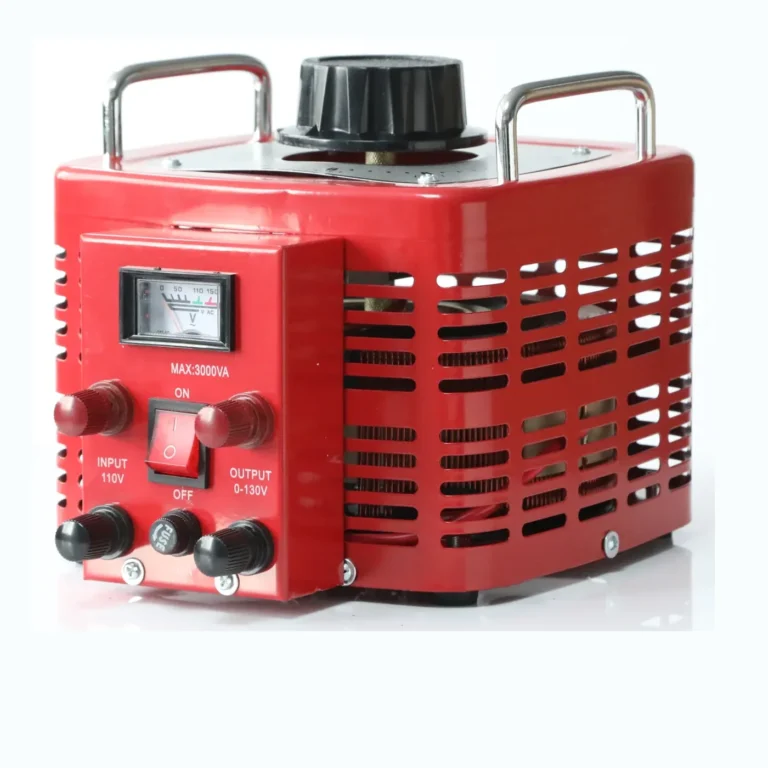
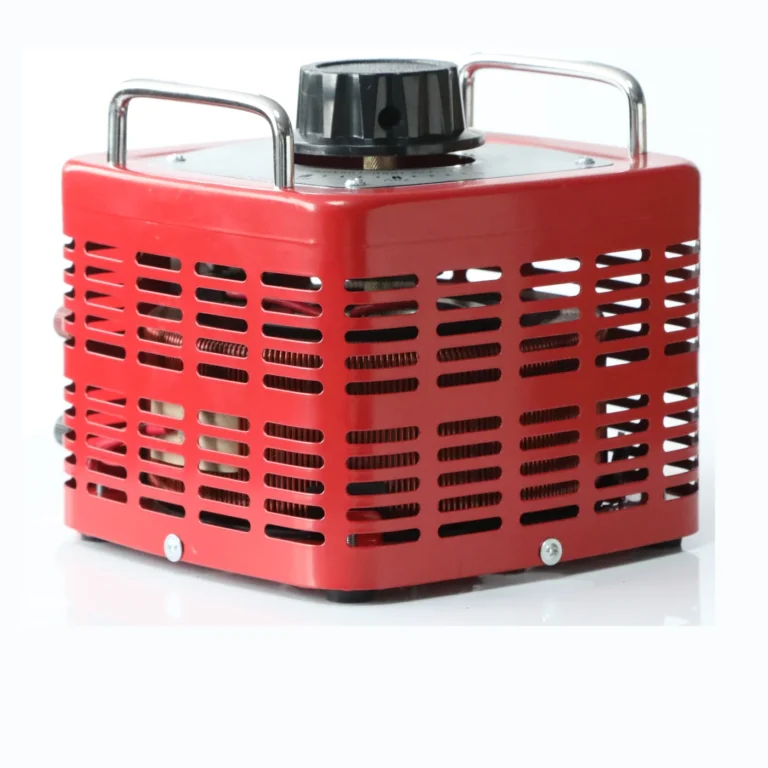
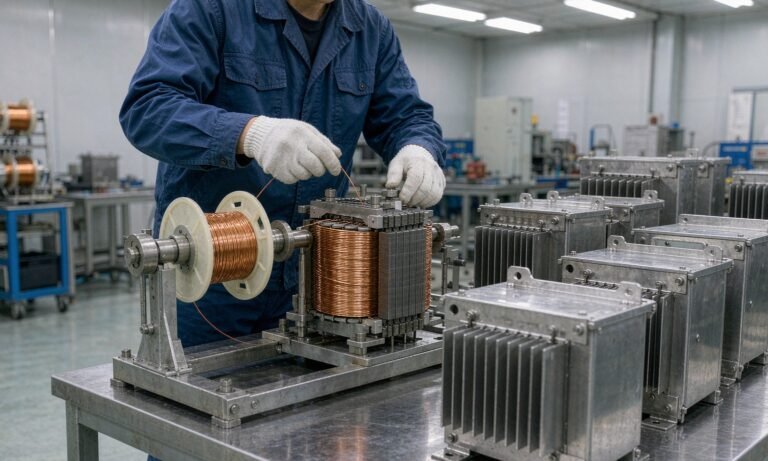
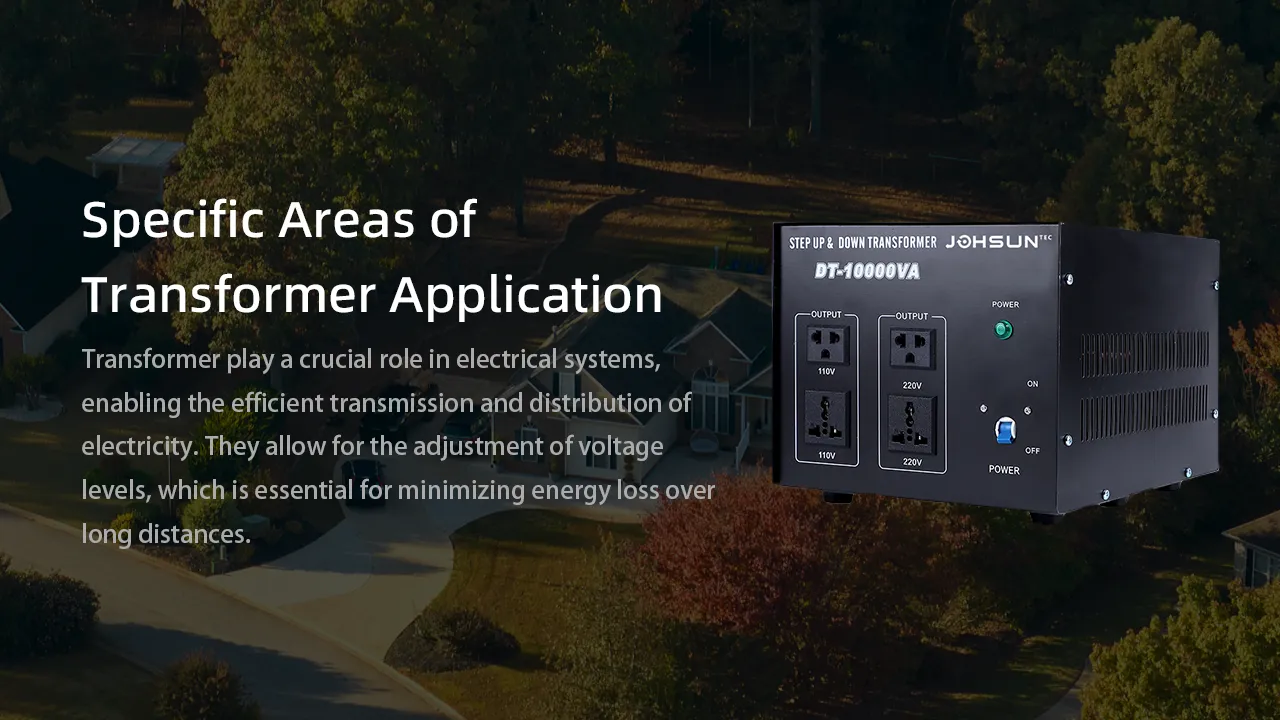
A step up transformer takes your 110V supply and raises it to 220V output, safely and continuously. It is a true transformer with a copper winding and silicon steel core, not a flimsy electronic adapter.
What Size Step Up Transformer Do You Need?
Add 20–30% to the appliance’s running watts, then pick the next standard size up. This table covers the most common requests we get:
| Appliance load | Recommended transformer |
| Small appliances, chargers, TVs (up to 300W) | 500VA |
| Mixers, printers, small tools (up to 700W) | 1000VA |
| Ovens, heaters, workshop tools (up to 1100W) | 1500VA |
| Water heaters, large appliances (up to 1600W) | 2000VA |
| Heavy equipment (up to 2600W) | 3000VA |
| Industrial / whole-room loads (up to 4500W) | 5000VA |
| Large machinery / commercial (up to 9000W) | 10000VA |
If you are unsure about the wattage, check the appliance nameplate — it lists the input power in watts (W) or amps (A). Amps x 110V gives you the wattage.
110V to 220V vs 120V to 240V: What’s the Difference?
The US standard is 120V (output to 240V); Japan and Taiwan commonly use 110V (output to 220V). Most of our step up and step down transformers are wound to handle both: 110V or 120V input, and 220V or 240V output. Tell us your exact local voltage when ordering and we will wind the taps to match — there is no “one size fits all” when the grid differs.
Can One Transformer Do Both Step Up and Step Down?
Yes — a dual-direction step up down transformer converts 110V to 220V AND 220V to 110V in one unit, with automatic voltage selection. This is the model we recommend for people who move between countries, or for distributors who stock one unit to serve both voltage worlds. If you only ever need one direction, a dedicated unit is slightly cheaper and simpler.
Safety Features That Actually Matter
- Overload and short-circuit protection — fuse or MCB, so a fault cannot become a fire.
- Thermal protection — cuts power if the unit overheats from prolonged load.
- Certification — CE, RoHS and ISO9001 production standards at minimum.
- Proper ventilation — transformers generate heat; the unit must be free-standing with airflow, not buried in a cupboard.
Common Mistakes When Buying a Step Up Transformer
- Undersizing. A 1000W transformer running a 1000W heater is at the edge — it will run hot and age fast. Size up.
- Buying an electronic converter for heavy loads. Cheap “voltage converters” are switchers for phone chargers, not ovens. Use a real transformer for anything with a motor, heater or compressor.
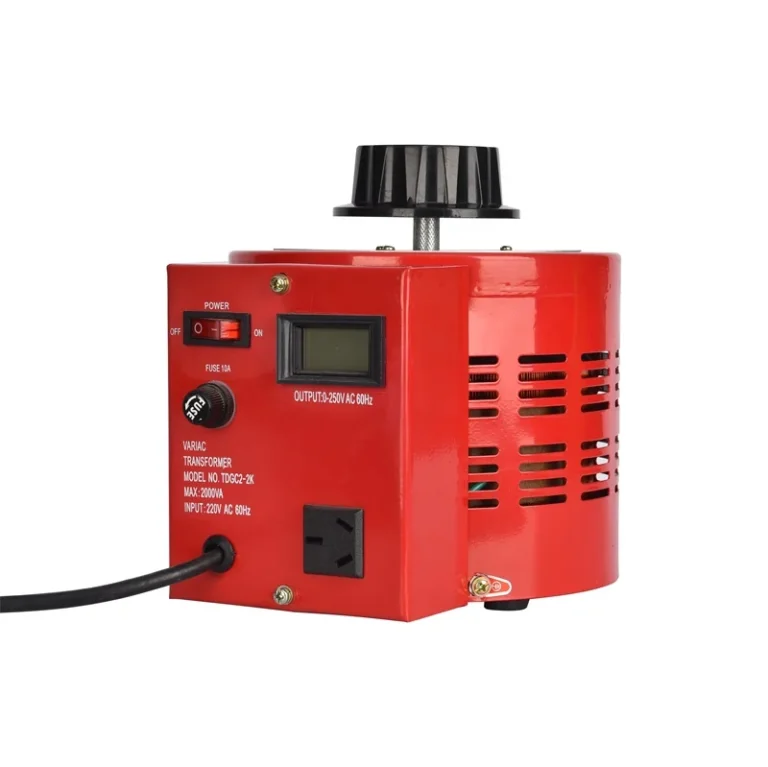
- Ignoring the output socket. Make sure the output matches your appliance’s plug (EU, UK, US or universal).
- Forgetting start-up surge. Motors and compressors draw 3-5x their running current at start.
The 30% Headroom Rule for Continuous Loads
When you size a step up transformer, add at least 30% headroom above the running wattage of the appliance, and more for motor loads. The reasoning is the same as for step down units: motors, compressors, and pumps draw several times their running current at start-up, and a transformer loaded to its maximum gets hot and ages fast. A 1200W appliance with a motor inside should sit on a 2000VA unit, not a 1500VA one, because the start-up surge can be two to three times the running draw. For resistive loads like heaters and incandescent lamps, 30% is usually enough. If you are unsure of the surge, ask the appliance manufacturer or check the nameplate for the locked-rotor current. Sizing up one step costs little and protects both the transformer and the appliance, and it is the first rule we give every customer who emails us with a wattage and a question mark.
How to Check a 110V to 220V Transformer Before Buying
Before you buy a step up transformer, check three things on the label and the listing. First, the input voltage: a step up unit for the US market is typically rated 110V or 120V input, and it must match your mains exactly. Second, the output: it should be 220V or 240V, and the socket on the output side should match the plug of your appliance, EU, UK, or whatever your device uses. Third, the VA rating: it must cover the appliance load with headroom. If the listing does not state the input and output clearly, ask the seller, because a transformer sold as step up can sometimes be a step down unit in disguise. We label every unit with the input and output on the front, and the wiring diagram on the back, so there is no guesswork at the receiving end. If in doubt, send us the listing and we will confirm whether the unit fits your country and appliance.
Sockets and Plugs: Matching the Output to Your Appliance
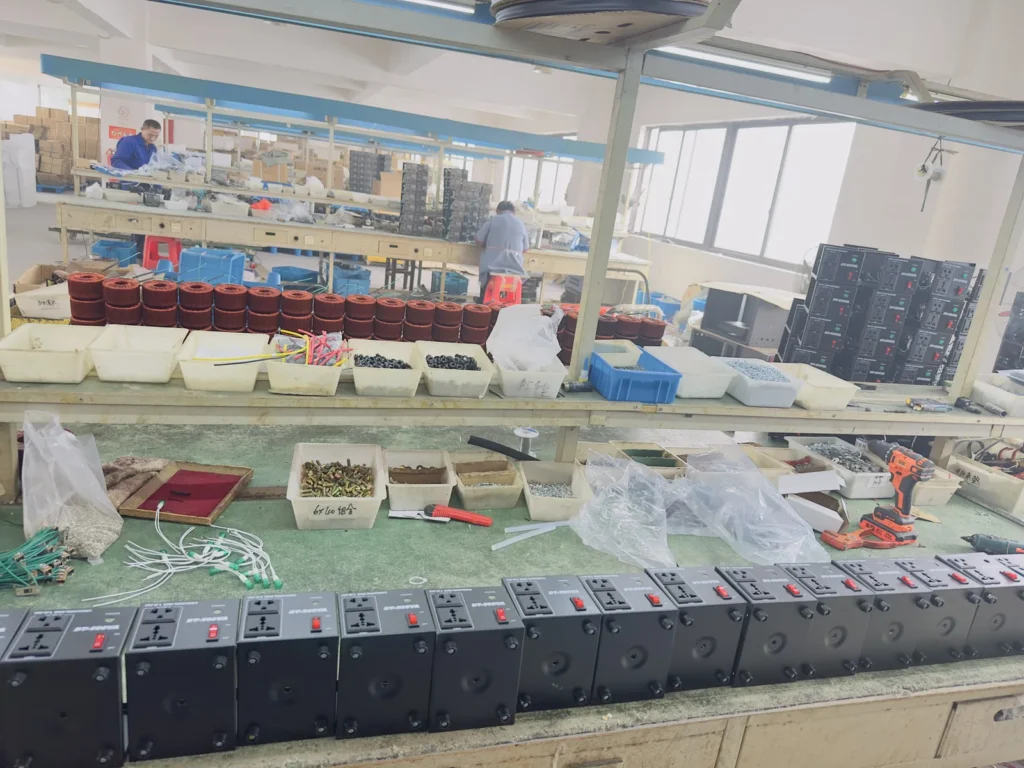
One detail that trips up buyers is the socket on the output side. A step up transformer converts 110V to 220V, but the socket still has to physically accept your appliance plug. A US appliance with a NEMA plug needs a NEMA socket even at 220V, while a European appliance needs a Schuko or EU socket. In our factory we fit the output socket to match the destination market, and we can change the socket type on request before shipping. For OEM and panel applications, the DT series uses terminal blocks instead of sockets, so you wire the output to whatever connector your equipment uses. If you are buying for resale, tell us the appliance plug standard in your market and we will supply the matching output socket, which removes the adapter mess that causes returns. This is a small detail that makes a big difference in customer satisfaction.
50Hz and 60Hz: Why Frequency Compatibility Matters
Most of our transformers are rated for both 50Hz and 60Hz, which covers the vast majority of markets, the US and Canada run 60Hz, while most of Asia, Europe, Africa and the Middle East run 50Hz. A transformer rated for both frequencies works identically in either system because it is a magnetic device with no frequency-sensitive electronics. If you see a transformer rated for one frequency only, usually an old or cheap unit, running it on the other frequency can change the output voltage and cause overheating, so check the label. For step up units feeding 220V appliances from 110V mains, the frequency of the country determines which rating applies, and a dual-frequency unit removes the worry entirely. All our ST, STU and DT series are rated 50/60Hz, and we state it on the label so you never have to wonder when you move a unit between countries or markets.
Using a Step Up Transformer for Export and Resale
If you are buying step up transformers to resell or to ship with your products, the details that matter are the plug configuration, the certification, and the packaging. The input plug must match your local 110V outlet, and the output socket must match the plug of the appliance your customer uses, which varies by market. We fit the input plug to the destination and can supply the output socket in US, EU, UK, or AU types, or fit terminals for OEM use. For resellers, the carton design and the label matter too: a clean carton with the model and voltage marked on the outside makes your warehouse staff and your customers’ staff less likely to mix units. Our standard export cartons are stackable, with the model label on the front and the wiring diagram on the side. If you need your own branding on the unit and carton, OEM service from 100 pieces covers the label, box, and manual.
FAQ
Can I run a 220V appliance on 110V without a transformer?
No. Most 220V appliances will not run properly on 110V, and electronics may be damaged. Use a properly sized step up transformer.
Will a 2000W step up transformer run my water heater?
Only if the heater draws under about 1600W. Check the nameplate and size up to 3000VA if needed.
Is a step up transformer safe for continuous use?
Yes, when sized correctly and well ventilated. That is why we recommend 20–30% headroom — a transformer running at 70% of rating stays cool and lasts for years.
What is the difference between 110V and 120V input?
Nominal grid voltage varies by region. Our transformers are wound to accept both, so you do not need to worry about the difference.
Do you make step up transformers above 10000W?
Yes — tell us the wattage and we will build to order. See the step up and step down transformer range or contact us directly.
Still not sure which model fits?
Tell us your appliance, wattage and country — we reply within 24 hours with a straight recommendation.