Step Up Down Transformer: Two-Way Voltage Conversion Explained
Quick answer: a step up down transformer converts voltage in both directions — 110V to 220V and 220V to 110V — in one unit, with automatic selection. If you move between countries, import and export appliances, or stock for both voltage worlds, a dual-direction transformer saves you from owning two separate units.
Key Takeaways
- A step up down transformer converts 110V to 220V AND 220V to 110V.
- Automatic models sense input voltage, no switch to flip.
- One dual-direction unit saves space and money over two transformers.
- Same sizing rule: watts x 1.25, rounded up.
Dual-Direction Range
| Model | Handles up to |
| DT-1000VA | 700W |
| ST-2000VA | 1600W |
| STU-5000VA | 4500W |
What Is a Step Up Down Transformer?
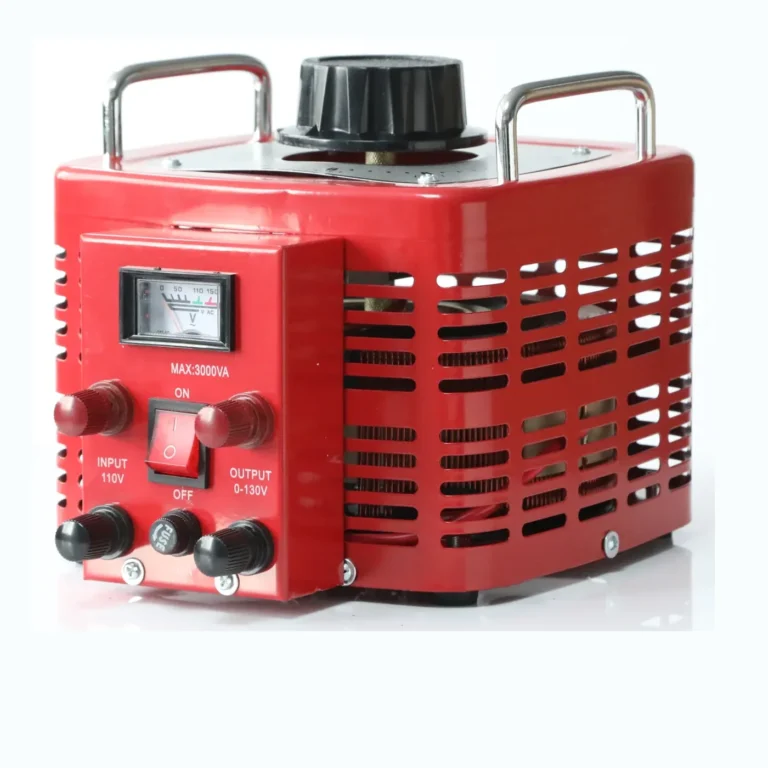
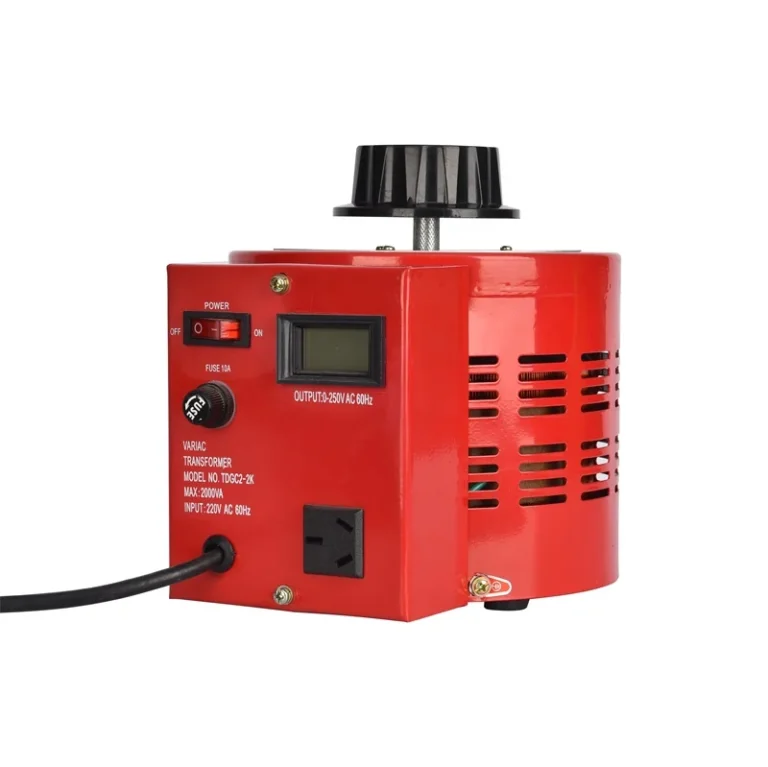
Most transformers are wound for one direction: they either step voltage up or down. A step up down transformer (also called a dual-direction or two-way voltage converter) is wound so the same unit works both ways. Feed it 110V and get 220V out; feed it 220V and get 110V out. The better models detect the input automatically — no switch to flip, no room for wiring mistakes.
This is the product we recommend most to people who:
- Move between a 110V country and a 220V country and bring appliances both ways
- Run a business that imports US appliances and exports European ones
- Distribute transformers and want to stock one SKU that serves every customer
How Does a Dual-Direction Transformer Work?
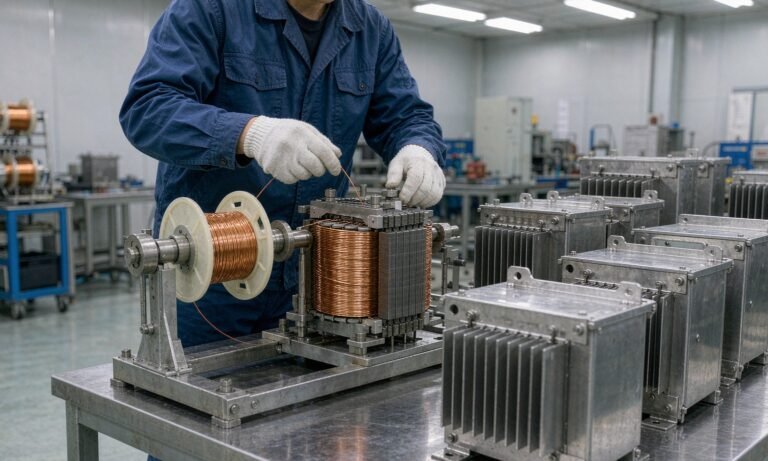
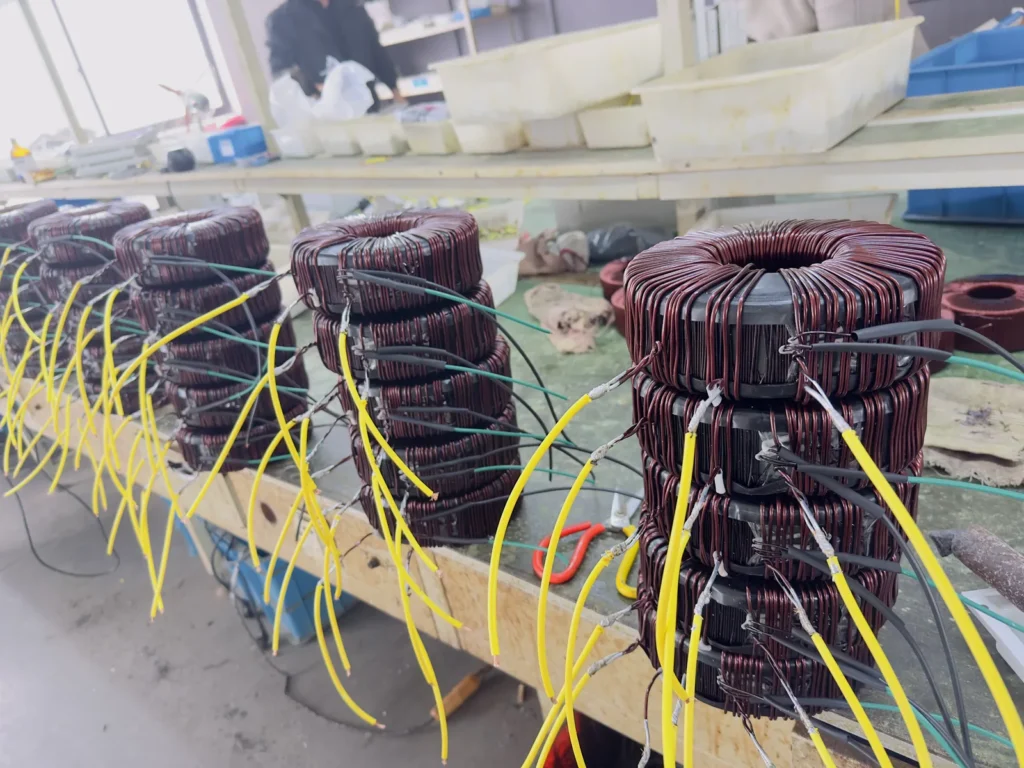
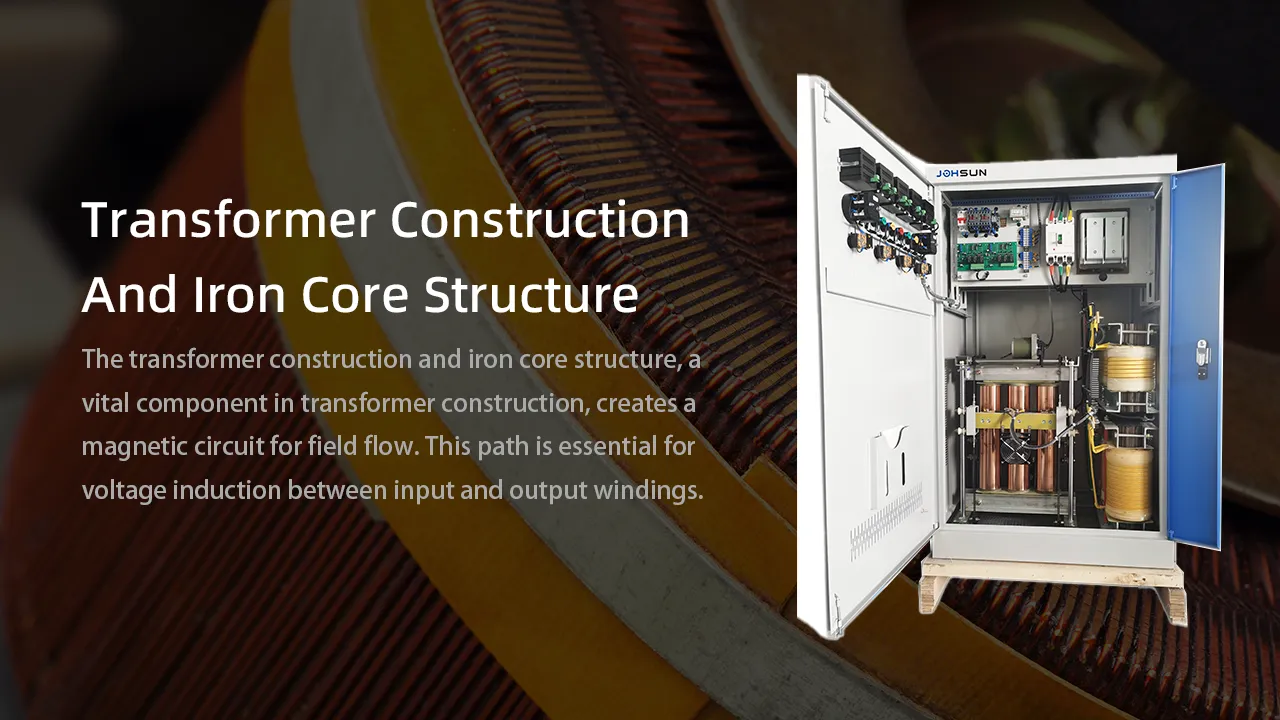
Inside is a single transformer with a tapped primary winding. The automatic version senses the input voltage and connects the correct tap, so the output is always the voltage you need. It is a real copper-wound transformer, not an electronic switcher — which means it handles continuous loads, motors and compressors without overheating.
Step Up Down vs Two Separate Transformers
| Option | Pros | Cons |
| One dual-direction transformer | One unit, less space, one purchase | Slightly heavier per direction than a dedicated unit |
| Two dedicated transformers | Each is optimized for its direction | Two purchases, double space, risk of using the wrong one |
For most buyers the dual-direction unit wins — especially if you are not 100% sure which direction you will need most.
What Size Do You Need?
Same rule as always: add 20–30% to the running watts of the biggest appliance you will connect, then size up. Common sizes in our step up and step down range:
| Transformer | Suitable for loads up to |
| DT-1000VA | 700W running, small appliances and tools |
| ST-1500VA | 1100W running, mixers, coffee machines, printers |
| ST-2000VA | 1600W running, fridges, microwaves, washers |
| STU-3000VA | 2600W running, heavy appliances and tools |
| STU-5000VA | 4500W running, workshops, ACs, industrial loads |
Safety Features to Look For
- Automatic voltage selection — no manual switch, no wrong-direction risk.
- Fuse and MCB protection against overload and short circuit.
- Thermal protection for prolonged heavy loads.
- Certification — CE, RoHS and ISO9001 production standards.
FAQ
Can a step up down transformer run a fridge?
Yes, when sized with margin for the compressor’s start-up surge. For a standard fridge use at least 2000VA.
Do I need to flip a switch between directions?
On our automatic models, no — the unit senses the input voltage and adjusts itself. Manual-switch versions are also available if you prefer.
Is a dual-direction transformer less reliable than a single-direction one?
No. It uses the same copper winding and core technology — the extra taps add flexibility, not fragility.
What voltage countries use 110V vs 220V?
110–120V: USA, Canada, Japan, Taiwan. 220–240V: most of Europe, the Middle East, Africa, Asia, Australia. A dual-direction unit covers both.
Do you make larger dual-direction transformers?
Yes — tell us the wattage and we will build to order. Send us your requirement and we will confirm specs and lead time.
Still not sure which model fits?
Tell us your appliance, wattage and country — we reply within 24 hours with a straight recommendation.
Related Posts
- Step Up Transformer 110V to 220V: Complete Guide
- Step Down Transformer 220V to 110V: Sizing and Safety
If you are weighing options across our whole line, the step up and step down transformer range page lists every series with its voltage combos side by side.
Two-way conversion in real use
A two-way step up down transformer, like our STU series, converts 220V to 110V in one direction and 110V to 220V in the other. The same unit carries both directions because the windings have taps at both voltages. For an expat who moves between a 220V country and a 110V country, the two-way unit is one purchase that works in both places, and it is also useful for a household that has both US and European appliances.
The trade-off is that the two-way unit is heavier and slightly more expensive than a single-direction unit of the same VA, because the extra taps add copper. For a fixed installation, the single-direction unit is the cheaper and simpler choice. For a mobile or mixed household, the two-way unit saves a second purchase.
Sizing a two-way unit
Size a two-way unit by the larger of the two directional loads. If you run 800W of 110V loads in the step down direction and 600W of 220V loads in the step up direction, the 800W direction decides the size, and the 2000VA unit is the safe pick with the 80% rule. The unit must carry the largest load you actually run in either direction.
The current on the 110V side is the binding constraint, because the low voltage side draws more current for the same power. A 2000VA two-way unit at 110V output delivers about 18 amps, which is why the 110V side always uses the heavier cable and the higher-rated socket.
Common two-way mistakes
The first mistake is forgetting to switch the direction tap and plugging a 110V appliance into the 220V output. The second is assuming the two-way unit is automatically safe in both directions, it still needs the correct tap setting and the correct plug. The third is sizing by the label instead of the actual loads, which leaves no headroom.
Label the unit clearly on both sides and train the household on the tap switch before the first use. The two-way unit is convenient, but the convenience comes with a discipline requirement that a fixed-direction unit does not have.
Why two-way units sell so well
Two-way step up down transformers sell well because they solve the expat problem in one box. A household that owns both US and European appliances, or an expat moving between a 110V and a 220V country, needs both directions, and the two-way unit delivers both from one purchase. The convenience sells itself once the buyer understands the tap.
The trade-off is the tap discipline. The unit has a switch or a terminal set for the direction, and forgetting to set it is how a 220V appliance sees 110V or the reverse. We label the units clearly on both sides and include a sticker set for the household, because the discipline is the price of the convenience.
Sizing and installation of a two-way unit
Size the two-way unit by the larger directional load, and the 110V side current is the binding constraint, because the low voltage side draws more current for the same watts. A 2000VA unit at 110V delivers about 18 amps, which needs a heavy cable and a high-rated socket. The input side, whichever direction, should use the cable gauge matched to the current.
Install the two-way unit in a spot where the tap is reachable, because the direction may change when the household moves or a new appliance arrives. A wall mount with the tap on the front beats a tucked-away shelf where the user has to dig to flip it.
The reseller’s two-way stock advice
For resellers, the two-way unit is a secondary SKU, not the core. The core is the single-direction step down, because most buyers know their direction. The two-way unit serves the mobile and mixed households, and it is worth stocking in 2000VA and 3000VA as the premium option, priced above the single-direction units.
When a buyer asks whether they need two-way, the answer is: if you have appliances on both voltages, yes; if not, the single direction is cheaper and simpler. That honest answer builds trust, and the trust converts to repeat orders across the whole range.
Why two-way units sell so well
Two-way step up down transformers sell well because they solve the expat problem in one box. A household that owns both US and European appliances, or an expat moving between a 110V and a 220V country, needs both directions, and the two-way unit delivers both from one purchase. The convenience sells itself once the buyer understands the tap.
The trade-off is the tap discipline. The unit has a switch or a terminal set for the direction, and forgetting to set it is how a 220V appliance sees 110V or the reverse. We label the units clearly on both sides and include a sticker set for the household, because the discipline is the price of the convenience.
Sizing and installation of a two-way unit
Size the two-way unit by the larger directional load, and the 110V side current is the binding constraint, because the low voltage side draws more current for the same watts. A 2000VA unit at 110V delivers about 18 amps, which needs a heavy cable and a high-rated socket. The input side, whichever direction, should use the cable gauge matched to the current.
Install the two-way unit in a spot where the tap is reachable, because the direction may change when the household moves or a new appliance arrives. A wall mount with the tap on the front beats a tucked-away shelf where the user has to dig to flip it.
The reseller’s two-way stock advice
For resellers, the two-way unit is a secondary SKU, not the core. The core is the single-direction step down, because most buyers know their direction. The two-way unit serves the mobile and mixed households, and it is worth stocking in 2000VA and 3000VA as the premium option, priced above the single-direction units.
When a buyer asks whether they need two-way, the answer is: if you have appliances on both voltages, yes; if not, the single direction is cheaper and simpler. That honest answer builds trust, and the trust converts to repeat orders across the whole range.