Transformer Price Per kVA: What Buyers Should Expect
Every week someone messages us asking for a price per kVA, as if there were a published rate like the price of cement. I understand why. It is the easiest way to compare quotes from four suppliers without reading four specification sheets. The trouble is that a price per kVA is only meaningful once you know what is being priced, and two units with the same number on the label can sit at very different points on the cost curve.
I sell transformers out of a factory in Yueqing, China, and I have quoted everything from a 100VA control unit to a 50kVA machine transformer. This article is the honest version of the answer I give buyers, including the price bands we actually see and the six things that move your quote more than the capacity does.
The Short Answer: Price Per kVA Is a Band, Not a Number
If you force me to answer in one sentence, it goes like this. For standard single phase dry type transformers built in China at normal copper prices, most buyers land somewhere between about USD 25 and USD 90 per kVA, and the figure falls as the capacity rises. Anything outside that band is either a very small unit, a very specialised one, or a quote with something hidden in it.
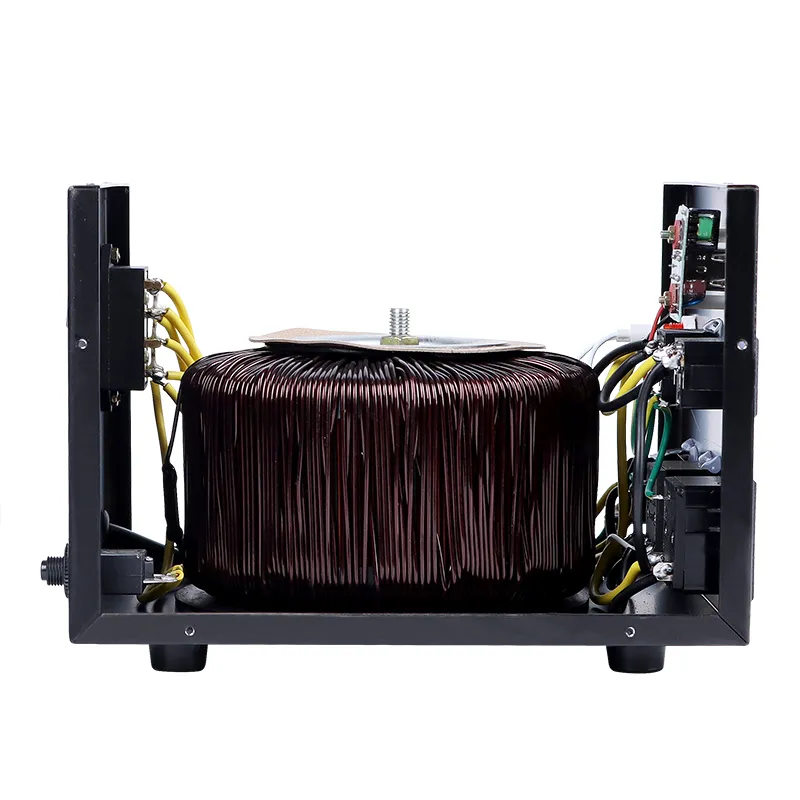
That is a wide band, and I am not trying to be slippery. It is wide because the denominator, the kVA figure, is the least interesting part of the product. A transformer is a lump of copper, steel and insulation with a labour cost attached, and the amount of those materials per kVA changes with size, design margin and build quality. Compare a 500VA unit and a 30kVA unit and you will see the difference immediately.
What Your Quote Is Actually Made Of
When we build a cost sheet for a customer, these are the headings that matter. If your supplier will not tell you roughly how the price splits, that is already information about the supplier.
| Cost element | Typical share of the price | What moves it up or down |
|---|---|---|
| Copper winding | Largest single item, often 30 to 50 percent | Copper market price, winding cross-section, whether it is copper or aluminium |
| Core steel | 15 to 25 percent | Grade of lamination, stacking factor, how hard the core is worked |
| Enclosure and hardware | 10 to 20 percent | Open frame, sheet metal case, IP rated, painted or powder coated |
| Insulation and labour | 10 to 20 percent | Insulation class, winding method, varnish and baking, hand versus machine work |
| Protection and extras | Varies widely | RCD, breakers, meters, taps, sockets, thermal cut-outs, fan cooling |
| Testing and documentation | Small but non-negotiable | Routine batch test, type test reports, certificates, custom nameplates |
Notice that copper is the big one, and copper is a traded commodity. That single fact explains why transformer quotes have a short shelf life and why every serious supplier writes a validity period on them.
Typical Price Per kVA by Capacity Band
The table below is an indicative range for standard single phase dry type step down and step up units, ex works, with a normal enclosure, copper winding and routine factory testing. Treat it as a sanity check rather than a quotation, because copper prices move and so do we.
| Capacity band | Indicative price per kVA | Why it sits there |
|---|---|---|
| 50VA to 500VA | Roughly USD 60 to 150 per kVA | Enclosure, terminals and testing cost the same whether the unit is small or big, so the fixed cost dominates |
| 500VA to 2kVA | Roughly USD 40 to 90 per kVA | The most common export sizes, so tooling and labour are well amortised |
| 2kVA to 10kVA | Roughly USD 30 to 60 per kVA | Material efficiency improves and per-unit handling cost spreads over more capacity |
| 10kVA to 50kVA | Roughly USD 25 to 45 per kVA | Steel and copper per kVA fall, but enclosure and freight grow heavier |
| Above 50kVA | Quoted per project | Three phase, custom voltages, cooling and switchgear change the whole calculation |
Two things to take from that table. First, a small transformer is not expensive because it is small. It is expensive per kVA because the box, the terminals, the label and the test bench time do not shrink with it. Second, the curve flattens rather than falling forever. Above a certain size, the enclosure, the weight and the freight start pulling the other way.
One more warning. If someone quotes you well below these bands for a copper wound unit, ask what is inside. There are only a few ways to get there, and none of them are good news for the buyer.
Why Two Quotes for the Same kVA Can Differ by Double
This is the part that surprises buyers most. Send the same specification to five suppliers and you can easily get a low quote and a high quote that differ by a factor of two. Here is where that gap comes from.
Copper or aluminium is the first fork. Aluminium windings are cheaper, lighter and legal in many markets, but they run hotter at the same rating, so the insulation ages faster and the unit needs a larger core to compensate. A quote that does not tell you which metal is inside is not a comparable quote.
Core steel grade is the second. Grain oriented electrical steel of a good grade costs a multiple of ordinary lamination stock, and it shows up in no-load losses, temperature rise and that faint hum you hear from a good transformer versus the louder buzz from a cheap one.
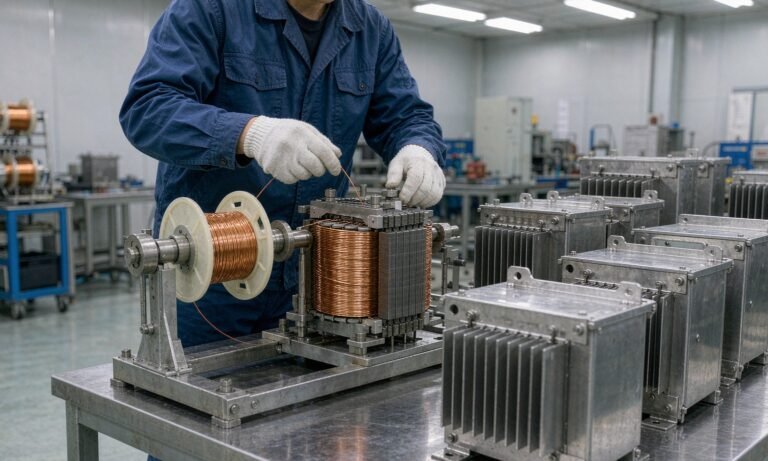
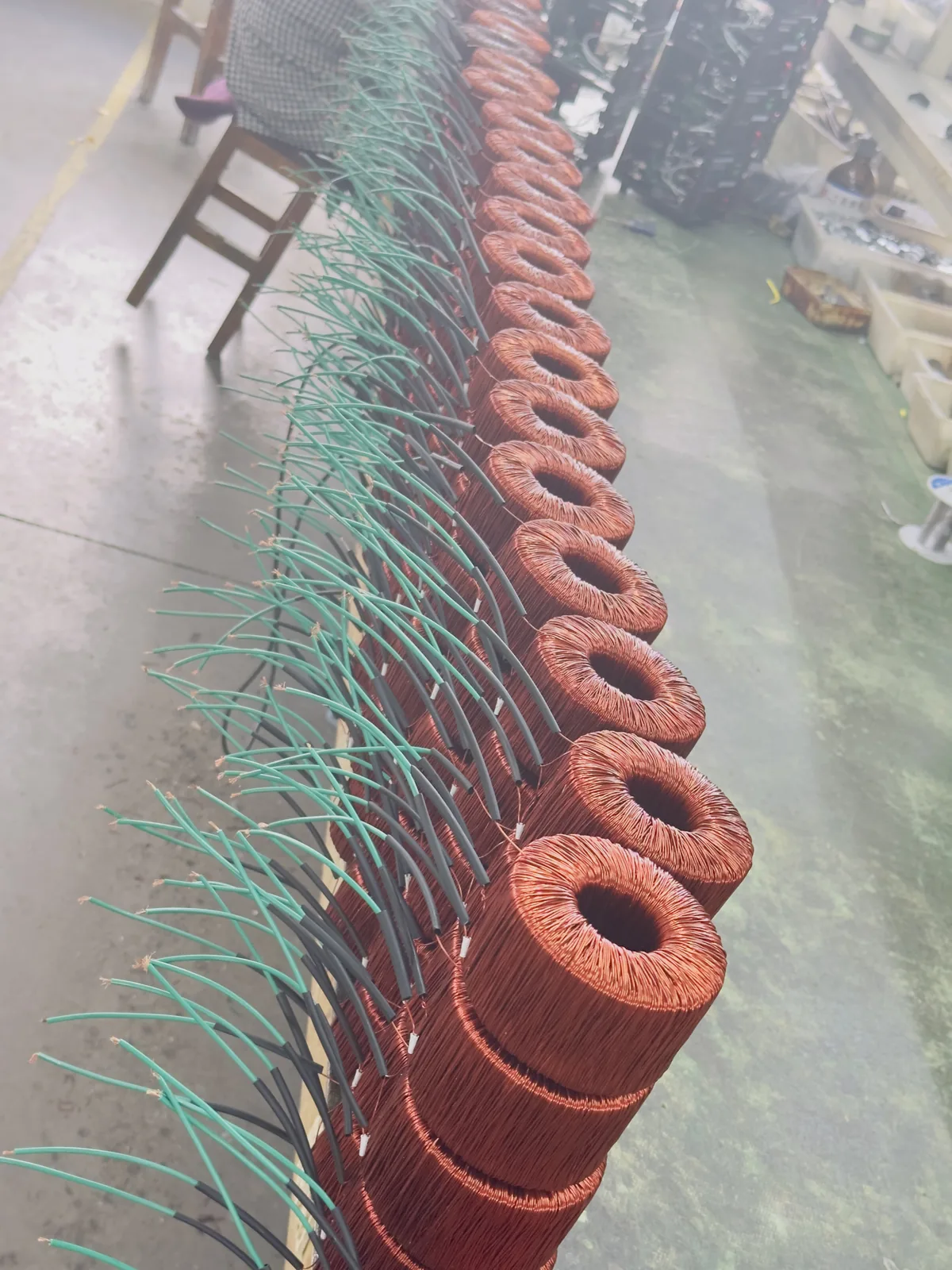
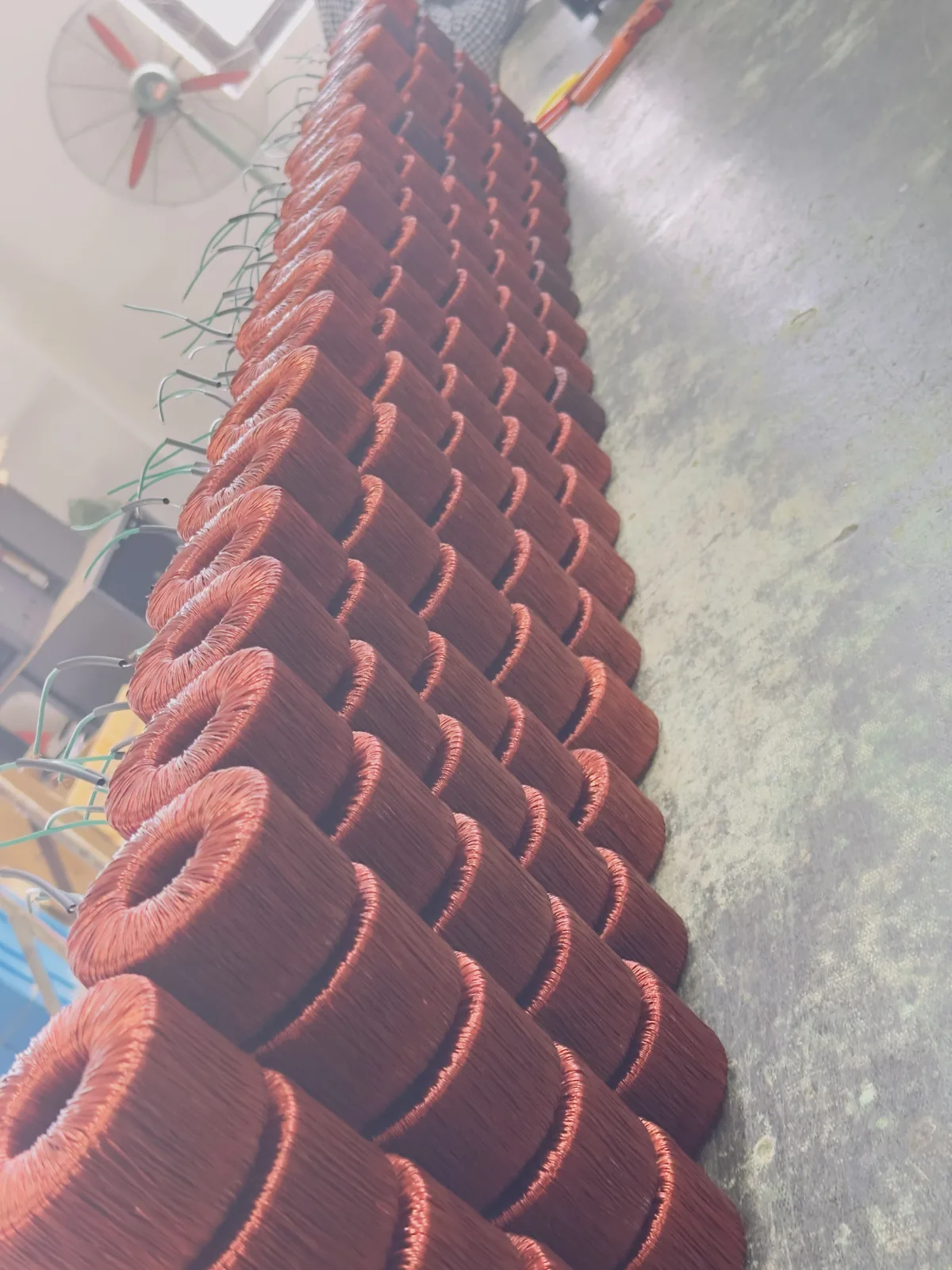
Winding method is the third. A neatly layer-wound coil with proper interleaving and varnish treatment is a different product from a loose scramble-wound coil, even if both say 2000VA on the label. The first one will still be within tolerance after ten years of daily use. The second one might not be within tolerance when it arrives.
Enclosure and protection come next. An open frame unit in a workshop and an IP rated cased unit with RCD, breakers and a socket panel are both transformers, and they are not the same purchase. Be clear about which one you need, and be suspicious if a supplier treats them as interchangeable.
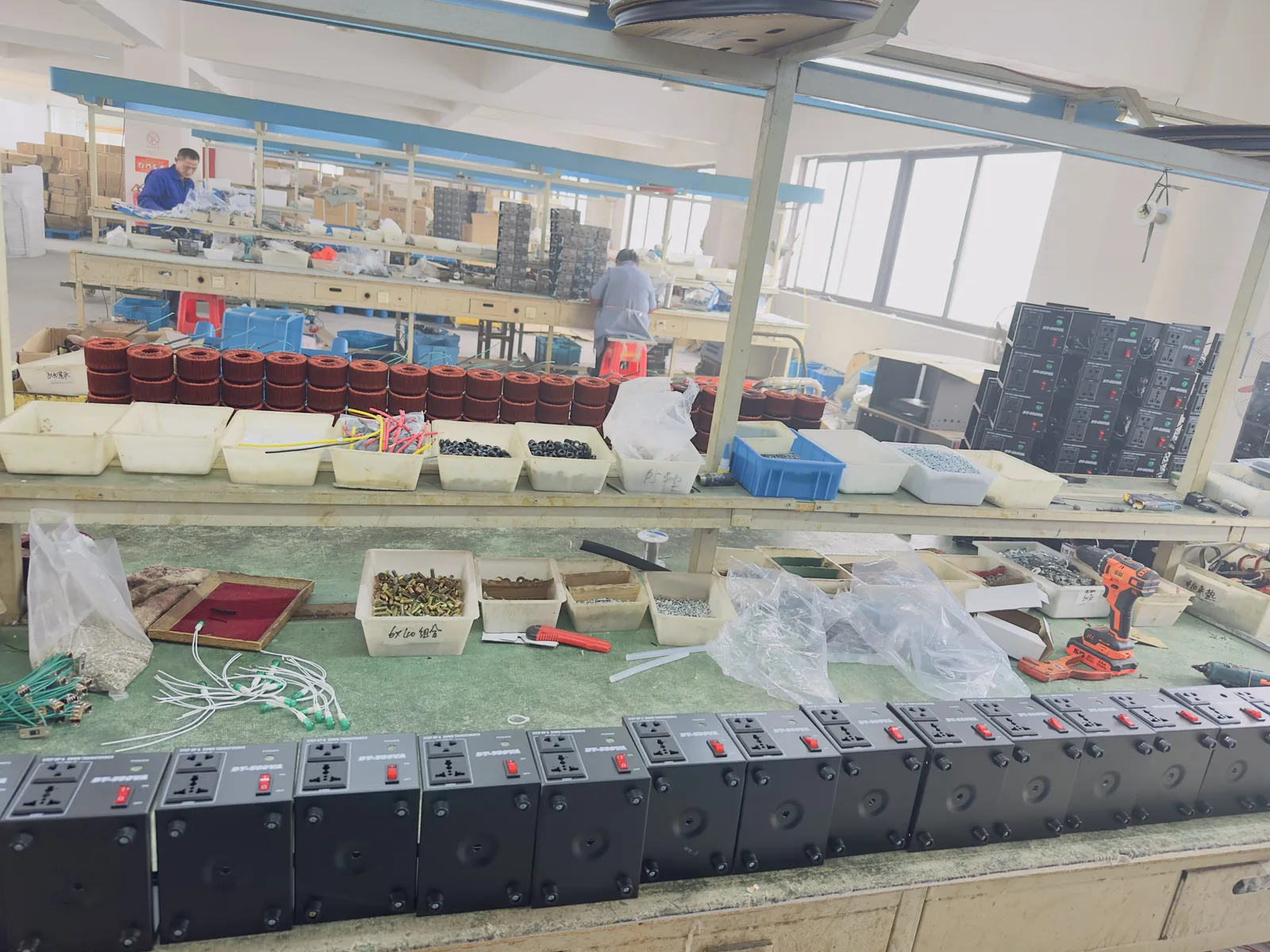
Then there is testing and documentation. Every unit we ship is 100 percent tested in our own factory in Yueqing, not sampled, and it leaves with a batch test record showing input voltage, output voltage under load and no-load current. A factory that skips that step can shave a little off the price. It is a very poor trade.
Finally, quantity. Our minimum order is 10 pcs, and the price per unit at 10 pcs is not the price per unit at 500 pcs. If you compare a 10 pc quote from one supplier against a 500 pc quote from another, you are not comparing suppliers, you are comparing order sizes.
Single Phase, Three Phase and Why the Number Moves
Almost everything on this page assumes single phase, because that is what most of our export buyers want. A step down unit for a hotel room, a clinic, a workshop bench or a single imported machine is single phase, and the price per kVA bands above apply.
Three phase changes the picture in two directions at once. Per kVA the material cost is usually lower, because the core and the windings share more of the frame and the design is more efficient. But the enclosure grows, the terminations get more involved, the paperwork gets heavier, and freight becomes a real line item. In practice, three phase quotations are project quotations, and comparing them by price per kVA against a single phase unit is a waste of your afternoon.
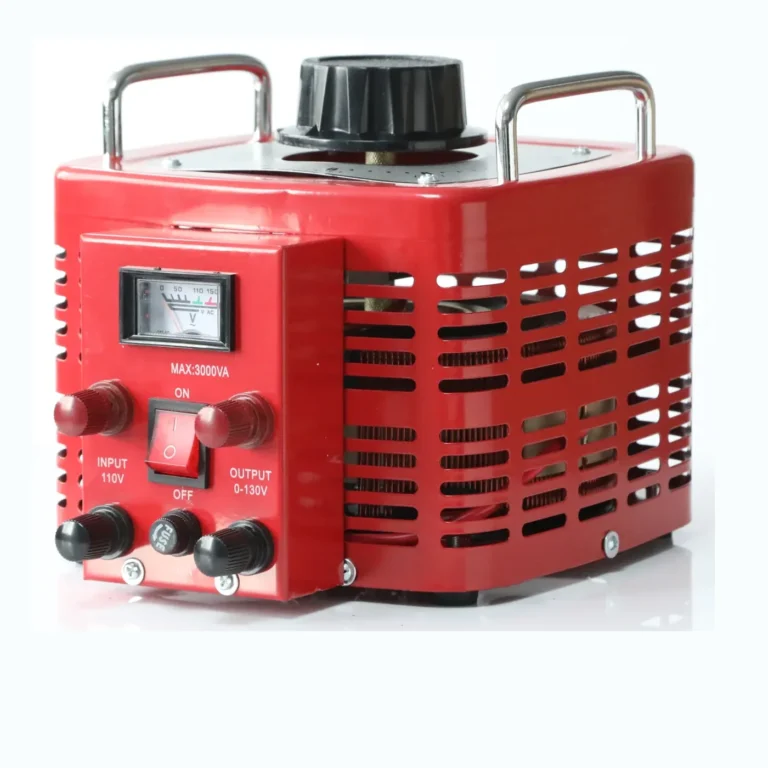
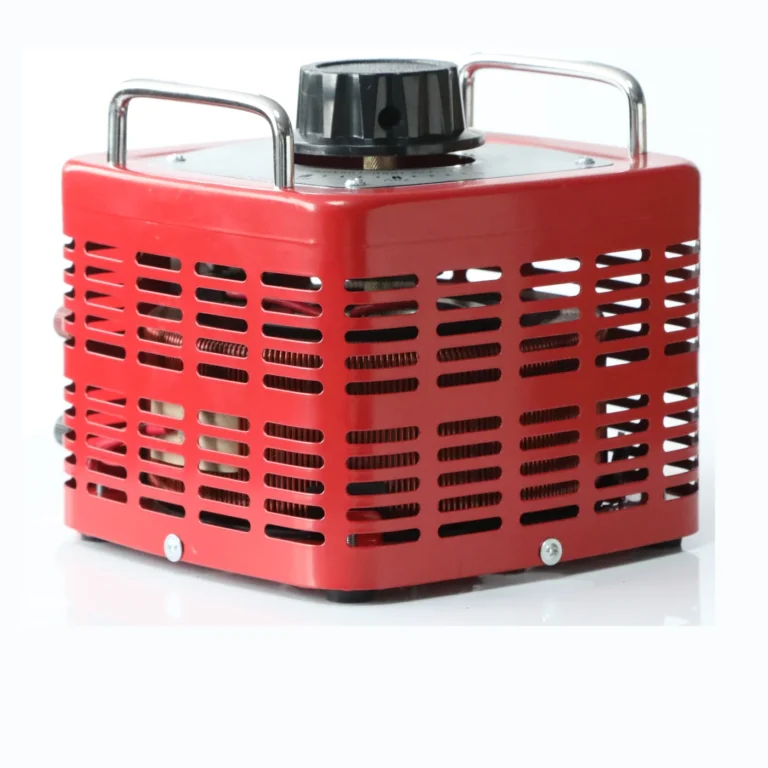
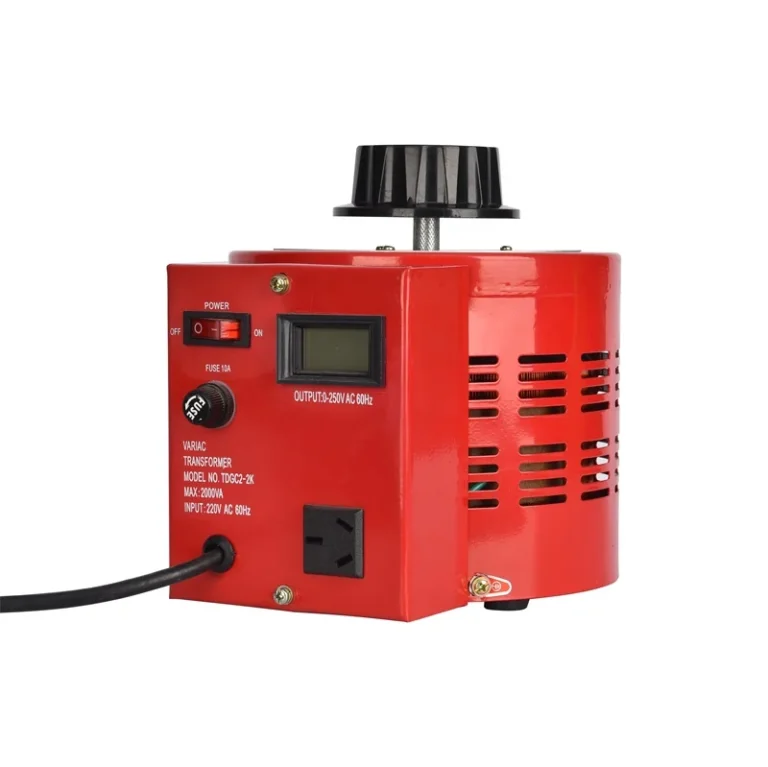
There is one more axis worth mentioning, and that is direction. A fixed step down unit is simpler than a bidirectional one. If you need to convert both ways, our STU-3000 and STU-5000 handle step up and step down in the same box, and the DT-1000VA does the same job automatically. If you need an adjustable output rather than a fixed one, the Variac range from 500VA to 3KVA adds a variable mechanism, and that mechanism has its own cost. None of these are expensive by accident. They are different products.
How to Compare Quotes Without Getting Fooled
Stop comparing totals and start comparing specifications. Here is the checklist we suggest to buyers, and it is the same list we are happy to answer for our own quotes.
- Ask for the winding material in writing. Copper or aluminium, no vague answers.
- Ask for the insulation class and the temperature rise the unit is designed for.
- Ask whether the capacity figure is a continuous rating or a short-term one.
- Ask whether the enclosure is open frame, cased or IP rated, and what the protection includes.
- Ask for the test record, not a promise of one. If a factory tests 100 percent, the record exists for every unit.
- Ask what the price validity period is, and what happens if copper moves before you order.
- Ask for the packed weight and carton dimensions. On export orders, freight can be a large part of your landed cost, and a light cheap unit that arrives damaged is not cheap.
- Ask what the lead time is from deposit, not from enquiry. Ours is 15-25 days, and we would rather tell you that upfront than take an order we cannot deliver.
Compare at least three quotes on those eight points and the cheapest one will often stop being the cheapest. Not always. Sometimes a factory is simply more efficient, and you should take that offer. But you want to know which one you are looking at before you send the deposit.
Where Copper Fits In, and Why Quotes Expire
Copper is a globally traded metal, and a transformer is mostly copper and steel by value. When the copper price moves by ten percent, a transformer price follows it up or down, though not by the full amount, because labour and overhead are not linked to the metal.
This is why every serious quotation carries a validity period, usually 15 to 30 days, and why a supplier who refuses to state one is telling you something. It is also why a quote from six months ago is not a quote any more. If you are budgeting a project, ask us for a current figure before you put the number in your spreadsheet. And if you are buying a large quantity, ask whether we can talk about a price formula linked to the copper index. For container-sized orders, that conversation is worth having.
One last point about the number you should actually care about. Price per kVA is a useful first filter, but the figure that ends up on your books is cost per year of service. A unit that costs a little more and runs cool for fifteen years beats a unit that costs less and gets replaced in year two, every single time. Buyers who have been through one failure already understand this without being told.
If you want to see how our own range is laid out before you ask for a quote, the low voltage transformer range shows the families we build, and there is more on how to compare suppliers in our more buying guides. Buyers weighing a specialist unit against a standard build often find our how much a transformer costs useful too, because it walks through the same cost questions.
Transformer Price Per kVA: Questions Buyers Ask
Five questions that come up whenever we talk price.
What is a fair price per kVA for a transformer?
For standard single phase dry type units built in China at normal copper prices, most buyers land somewhere between USD 25 and USD 90 per kVA, with the figure falling as capacity rises. Small units are more expensive per kVA because the enclosure and testing costs do not shrink with them.
Why is the price per kVA higher for small transformers?
Because a large share of the cost is fixed. The case, the terminals, the nameplate, the packing and the test bench time cost almost the same whether the unit is 300VA or 3kVA. Spread that over a small capacity and the price per kVA looks high, even though the unit itself is cheap.
How much does the copper price affect a transformer quotation?
Quite a lot, because copper is usually the largest single material in the unit. When copper moves ten percent, a transformer price tends to follow in the same direction by a smaller amount, since labour and overhead do not move with the metal. That is why quotes carry a validity period.
Does ordering in bulk reduce the price per kVA?
Yes, usually. Our minimum order is 10 pcs, and price per unit improves as quantity rises, especially once an order reaches container volume. Tell us the quantity you have in mind and we will quote the tier, because the step between 10 pcs and 200 pcs is meaningful.
What should I check before accepting the lowest transformer quote?
Ask for the winding material in writing, the insulation class, the temperature rise design, whether the rating is continuous, what protection is included and whether every unit is tested. If a supplier will not put those on paper, the low price is not a bargain. Compare specifications, not totals.
Want a real price instead of a range? Send us the kVA you need, the input and output voltage, the quantity and your port, and we will come back with a written quotation and a validity period.
Or talk to us directly: WhatsApp +86 197 3022 6757 · Email sales@wilmall.com
MOQ 10 pcs · Lead time 15-25 days · FOB Ningbo or Shanghai · 12-month warranty