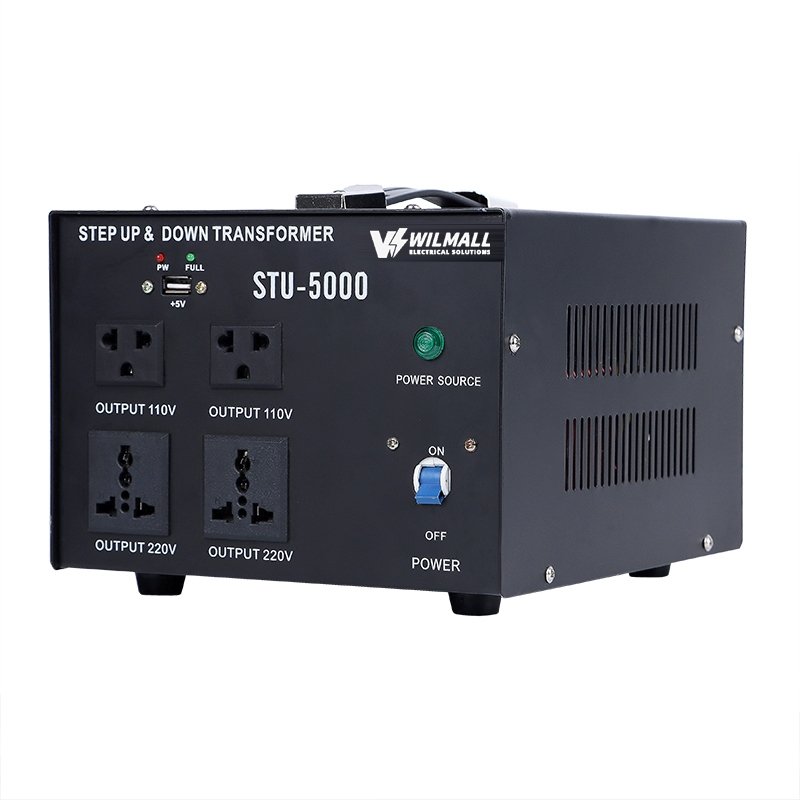
Transformer for CNC Machine: Sizing and Selection | Wilmall
CNC machines combine servo drives, control cabinets and spindle drives with different voltage needs. Getting the transformer right protects the control board and avoids field failures. Here is what to check.
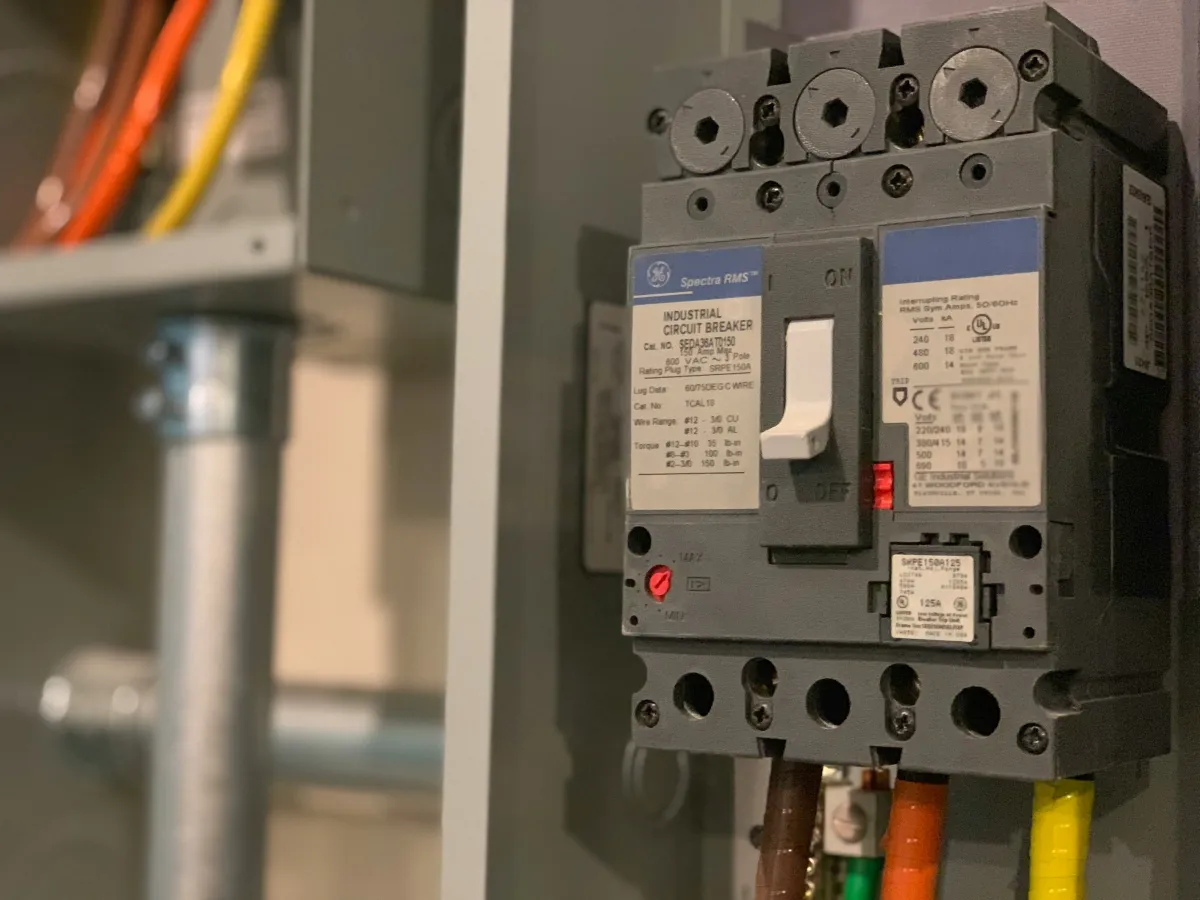
Why CNC machines need a transformer
CNC controls typically run on 24V DC from a power supply, but the machine’s incoming power varies by country — 220V, 380V or 440V. A control transformer steps the line voltage down to the level the control circuit expects, and provides isolation that protects the PLC and servo drives from grid transients.
Control transformer sizing for CNC
Add the VA of the PLC, relays, contactors, solenoids and the CNC control board. Include inrush for contactors and the start-up of the coolant pump and spindle if they share the control transformer. Rule of thumb: add 20-30% margin over the sum, then round up to the standard size.
| Control load | Typical VA | Recommended transformer |
|---|---|---|
| Small PLC + relays | 100-200VA | 300VA |
| Full CNC control cabinet | 300-600VA | 800VA-1KVA |
| Cabinet + coolant pump | 600-1000VA | 1.5KVA |
| Large machining centre | 1000VA+ | 2KVA or project size |
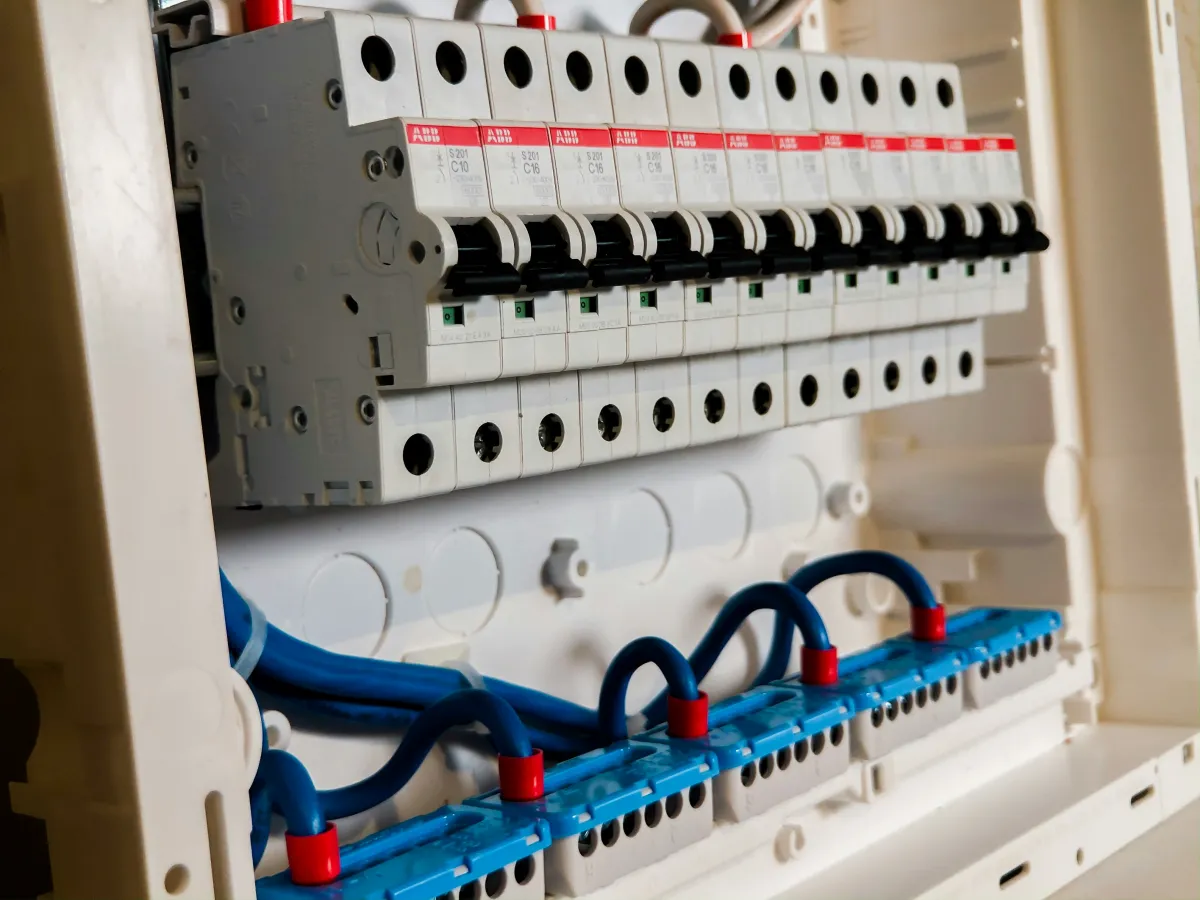
Voltage inputs for CNC machines
Most CNC machines from China and Europe are built for 380V three-phase or 220V single/three-phase. When a machine built for one standard is installed in a country with another, a transformer matches them. Common conversions: 380V to 220V three-phase, 440V to 220V, and 220V to 110V for control circuits on US-spec machines.
Choosing the right type
- Control transformer for the logic circuits — sized for inrush, mounted in the cabinet.
- Three-phase step-down transformer for the main machine supply when the grid voltage does not match.
- Isolation transformer for machines with sensitive servo drives, to block noise and transients.
Many CNC builders use a combination: a main transformer for the machine supply and a control transformer for the logic. We can supply both and match the terminal layout to your cabinet drawing.
Common installation mistakes
- Undersizing the control transformer. Contactors and solenoids have high inrush; a unit sized only for steady load will sag and the machine will fault randomly.
- Sharing one transformer for logic and power loads. Motor inrush drags down the control voltage. Keep them separate.
- Wrong connection type. Star vs delta matters — a mismatch can blow the machine’s input module. Check the nameplate.
- Poor ventilation. A transformer inside a sealed cabinet runs hot and fails early. Allow airflow.
Working with the factory
Send us your machine data — input voltage, control circuit load, connection type and terminal layout — and we will recommend the exact transformer. We build to your specification with a confirmed spec sheet, test every unit at full load, and provide CE / RoHS documents. Lead time for standard builds is 15-25 days; custom terminal layouts add a little.
Upgrading an existing CNC line
Many CNC shops upgrade machines one at a time, adding transformers as each machine arrives. A standardised transformer specification across the line — same input, same control output, same terminal layout — keeps spares interchangeable and staff training minimal. We can supply repeat batches of an identical spec so your upgrade path stays consistent for years.
Protecting the control board
The single most expensive repair on a CNC machine is a blown control board. A correctly sized control transformer with isolation protects the PLC and servo drives from the transients that kill boards. It is a small line item in the machine cost with an outsized return in reduced downtime.
Buying transformers for CNC from China
CNC machine builders and retrofitters buy transformers in batches with a fixed specification, and the same specification is needed for years of machine production. We hold repeat specs on file, so reordering is a single message. MOQ 10 pcs per model, standard lead time 15-25 days, FOB Ningbo or Shanghai with full documentation.
Control transformer vs dedicated CNC power supply
Some newer CNC controls use switched-mode power supplies directly from the mains. In that case a transformer is still useful for isolation and for feeding the cabinet’s 110V or 24V circuits. If your machine has both a SMPS and legacy control circuits, the control transformer serves the legacy side while the SMPS handles the logic — a common hybrid that we spec routinely.
Regardless of the control topology, the main supply transformer question is unchanged: match the machine’s incoming voltage to your grid, with proper margin and connection type. Solving that first protects every component downstream.
Quality signals to look for
- Copper winding. Copper conducts better and lasts longer than aluminium; ask which is used.
- Full-load test. The unit should be tested at rated load before packing, not just at no-load.
- Terminal quality. Solid terminals and clear markings prevent installation errors.
- Documentation. CE / RoHS certificates and test reports should ship with the order.
These four signals separate a dependable factory supply from a cheap import that fails in the field.
Frequently asked questions
Sizing a Control Transformer for a Full CNC Line
When you size a control transformer for a CNC machine, the calculation must cover the whole control system, not just the PLC. Add up the PLC power supply, the servo and spindle drive control boards, the relays, the contactors, the solenoid valves, the indicator lamps, and any cooling fans that run on the control voltage. Each draw adds to the total, and the contactor and solenoid coils have significant inrush at energization. The practical approach is to list every control-voltage load, add 20 to 30 percent margin, and then confirm the transformer can also deliver the peak inrush without sagging. For a mid-size CNC with a PLC, several drives, and a bank of contactors, 500VA to 1000VA is common, and larger machines need more. If you are outfitting a new CNC line, send us the full control load list and we will confirm the right control transformer rating.
Protecting the Control Board from Voltage Issues
The CNC control board is the most sensitive part of the machine, and the transformer in front of it is the first line of defense. A control transformer with clean, stable output protects the board from the input voltage variations common in workshop mains, but it does not catch everything. Fast voltage spikes from welding equipment or motor starters on the same line can pass through, so a surge suppressor or a filtered control transformer is worth considering for sites with dirty power. The earth connection matters too: a proper earth on the transformer and the machine prevents floating potentials that confuse the control signals. Our control transformers are wound and tested to deliver clean, stable control voltage, and we can advise on the additional protection your site needs. A control board that is protected against voltage issues costs nothing compared with a board that fails in the first month.
Upgrading an Existing CNC Line: Matching the Old Spec
When you upgrade an existing CNC line, the new control transformer must match what the machine actually needs, not what the old label says. Read the old nameplate, but also check the actual control voltage the machine uses, because machines are sometimes rewired or modified over the years. Measure the supply voltage at the panel, confirm the control voltage with a multimeter, and add up the current control loads. A common upgrade scenario is replacing a tired transformer with a slightly larger one to add margin, which is a safe move if the panel space allows. We can build a replacement that matches the old mounting footprint and terminal layout, so the upgrade is a drop-in swap rather than a rework. Send us the old nameplate, the measured voltages, and a photo of the panel, and we will confirm the right replacement.
Buying Transformers for CNC from China: What to Check
When you buy CNC transformers from a Chinese factory, three things separate a good supplier from a risky one. First, the test documentation: ask for the batch test report and check it covers the turns-ratio, no-load, full-load, and hi-pot tests, because a transformer that looks right on paper but was never tested is a gamble. Second, the winding material: confirm copper, because aluminium windings run hotter and fail earlier in continuous CNC duty. Third, the after-sales: ask how a warranty claim is handled from your country, because a replacement-first policy is far more practical than shipping a failed unit back. We provide all three, copper windings, full batch test reports, and a 12-month replacement-first warranty, and we build to your spec. If you are comparing factories for CNC transformers, ask these three questions first, and the answers will sort the suppliers quickly.
Quality Signals to Look for in a CNC Transformer
When you inspect a control transformer for a CNC machine, a few quality signals tell you most of what you need. The label should state the VA rating, the input and output voltages, the frequency range, and the insulation class, and it should match the actual performance when you test the unit. The windings should be copper, which you can confirm by weight and by the supplier’s documentation. The unit should be varnish-dipped, which you can see as a smooth, coated finish on the windings, protecting against moisture and vibration. The terminal blocks should be clearly marked, and the unit should come with a wiring diagram. Our control transformers carry all of these signals, and the batch test report backs them up. If you are evaluating a supplier, ask for a photo of the internal winding and the test report, because the quality of a transformer is decided inside, not on the case.
What size control transformer does a CNC machine need?
Add the VA of all control loads plus 20-30% margin. A full CNC cabinet typically needs 800VA to 1KVA; smaller PLC panels suit 300VA.
What voltage do CNC machines use?
It varies by origin: 380V three-phase is common for Chinese and European machines, 220V for others, and 110V control circuits on US-spec machines.
Do I need a three-phase transformer for my CNC?
If the machine is three-phase and your grid voltage differs from its nameplate, yes — a three-phase step-down or step-up transformer is required.
Should I use an isolation transformer for CNC?
For sensitive servo drives and PLCs, isolation is recommended to block grid noise and transients that can cause faults.
Can you build a transformer to my cabinet specification?
Yes, we build control and main transformers to your terminal layout and enclosure, with a spec sheet confirmed before production.
Is the winding copper or aluminium?
We use copper winding for our control and main transformers, which gives better conductivity and longer service life.
Related reading
- Transformer for CNC Machine: Sizing and Selection
- Control Transformer Sizing Guide
- Control Transformer Products
Get a factory-direct quote
Send your machine data — voltage, control load, connection type — to sales@wilmall.com or WhatsApp +86 197 3022 6757 for a sizing recommendation and quote.