
Step Down Transformer for Sewing Machine: Sizing Guide
Sewing machines are the workhorses of the garment industry, and a huge number of them leave the factory with a 110V motor because they were built for the US market. Whether you run a home sewing business or a factory floor in Dhaka, Ho Chi Minh City or Nairobi, a step down transformer for sewing machine use is a small investment that keeps the needle running all day. This guide covers sizing, wiring and buying the right unit.
Why sewing machines need a transformer
Most home and industrial sewing machines use a servo or clutch motor rated 110V / 60Hz. Feed that motor 220V and it burns out in seconds. Feed it through a correctly sized transformer and it runs exactly as designed. The other reason is current: a sewing motor is a motor, so it draws a start-up surge of two to three times its running rating when the foot pedal goes down.
Here is the thing: the machine nameplate usually shows the motor watts, not the machine watts. A 550W servo motor on a 110V machine needs about 5A running and can spike to 12-15A on start. That is exactly why we recommend sizing a step down transformer for sewing machines at 1500-2000VA rather than matching the label number.
Step down transformer size for sewing machine
| Machine type | Motor rating | Start-up surge | Recommended transformer |
|---|---|---|---|
| Home / hobby machine | 90-250W | ~400W | 500-1000VA |
| Heavy home / semi-industrial | 250-550W | ~900W | 1000-1500VA |
| Industrial servo motor | 550-750W | ~1500W | 2000VA |
| Multi-needle / overlock line | 2-4 machines | several at once | 3000-5000VA per bank |
For a single industrial machine, the ST-2000 (2000VA) is the safe default. It runs a 750W servo at about 40% load, which means it stays cool, lasts for years, and leaves headroom for the motor surge. For a line of machines, we usually recommend one transformer per machine or a larger bank, depending on how many machines start at the same moment.
Servo motors and start-up current
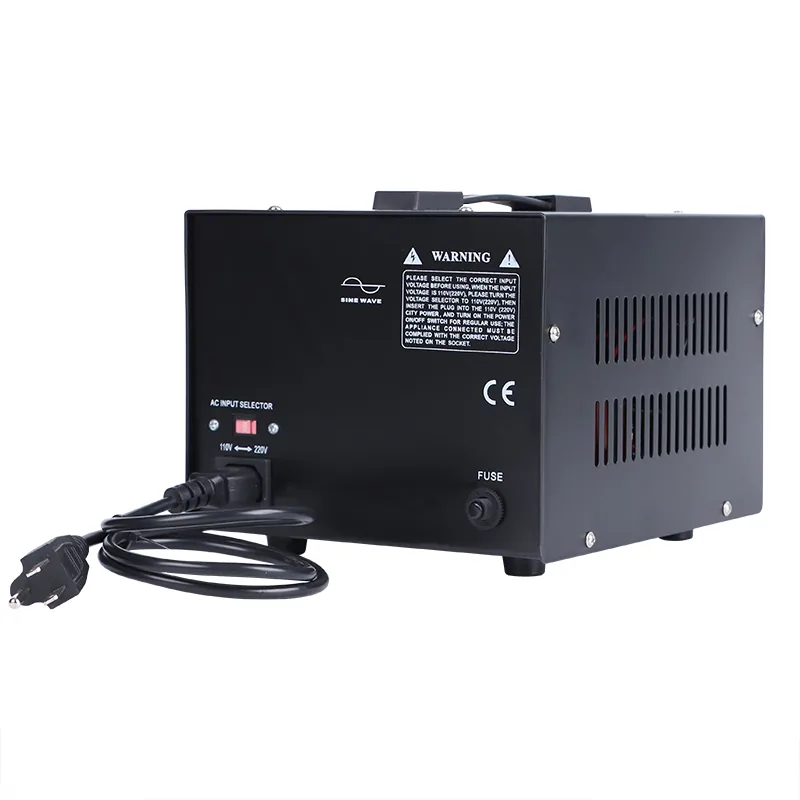
Servo motors are the modern upgrade on sewing machines, and they are harder on transformers than the old clutch motors. The drive electronics take a strong inrush at switch-on, and the motor itself surges every time the pedal is pressed. Cheap electronic converters cannot handle that repetitive surge; a copper-wound transformer shrugs it off. This is one case where buying the better transformer actually pays for itself in fewer interruptions.
Three-phase machines and larger production
Bigger industrial machines and cutting tables sometimes run on three-phase. If your machine plate says 380V or 220V three-phase, a single-phase transformer will not do the job. We build three-phase step down transformers in project sizes — send the machine data (voltage, current, connection type) and we will quote the right unit, usually within 24 hours.
Garment factory setup: one transformer per machine or a bank
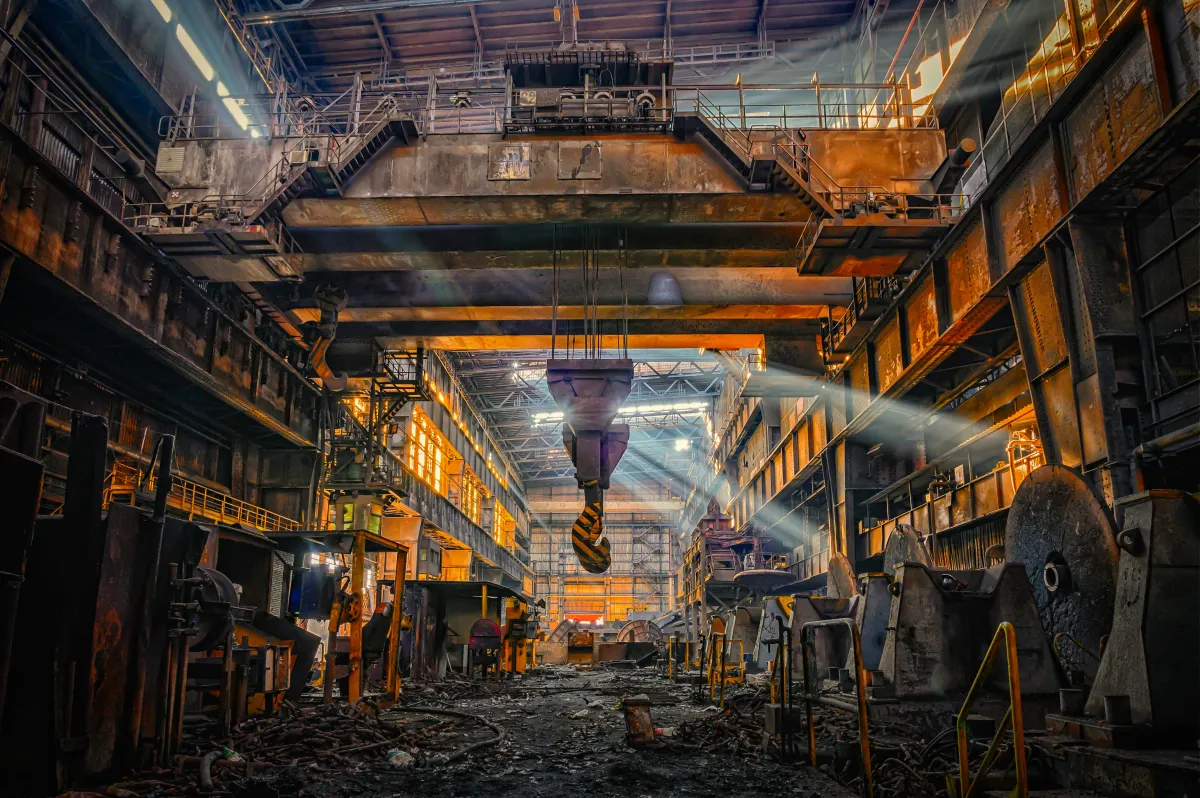
On a factory floor with 40 machines, the practical approach is a 2000VA transformer per machine station. That keeps a fault isolated to one station, and the machines themselves are usually started one at a time anyway. If you prefer a central bank, tell us how many machines run simultaneously — not the total on the floor — and we will size a transformer bank with 30% margin for the simultaneous surge.
Voltage accuracy matters for stitch quality
This is the part people do not expect. A servo drive regulates speed based on the feedback, but if the input voltage sags, the drive compensates by pulling more current, the motor torque drops at high speed, and heavy fabrics skip stitches. A transformer with healthy margin keeps the voltage stiff under load, so stitch quality stays consistent at full speed. Tailors notice the difference on the first day.
Common mistakes buying a transformer for sewing machines
- Sizing to the motor label. A 550W motor needs a 2000VA transformer because of surge, not 550VA.
- Using a converter. The repetitive pedal surges kill electronic converters fast.
- One transformer for too many machines. If three machines start together, the bank trips.
- Ignoring the input voltage. Some countries run 230V or 240V; order the right primary winding.
- Buying without test records. A batch test report tells you the unit was really load-tested.
Why buy from a factory directly
Wilmall supplies step down transformers to sewing factories and tailoring schools across Asia, Africa and the Middle East. Every unit is wound with copper, tested at full load, and shipped with CE / RoHS documents and batch test reports. MOQ 10 pcs per model, 15-25 day lead time, FOB Ningbo or Shanghai. Private labelling available.
Home sewing business setup
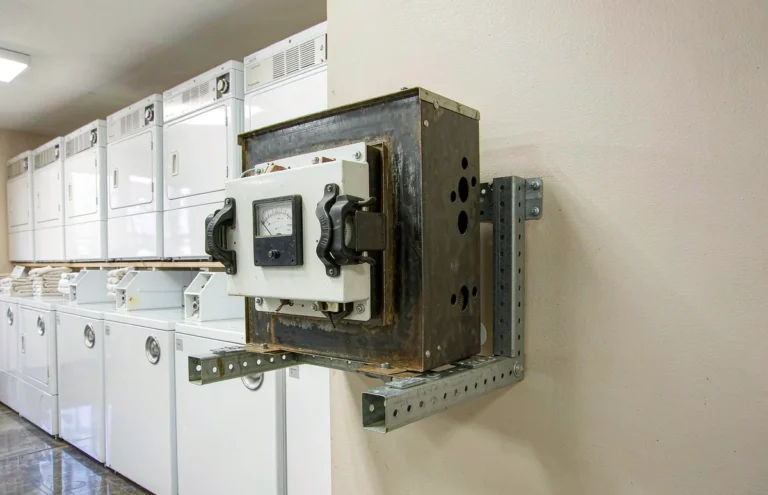
A home tailor running one machine has a simple setup: one 2000VA transformer, one machine, one socket. Mount the transformer on the wall beside the workstation, keep it above knee height so threads and dust do not settle on the vents, and it will run for years. If you use a steam iron at the same time — and most tailors do — add the iron watts to the machine watts and step up to 3000VA.
Steam irons are the hidden load in tailoring. A 1100W US iron plus a 550W machine motor is 1650W running, and with the motor surge the peak approaches 2000W. That is exactly why we say: size for everything that can run at once, not just the machine.
Voltage accuracy and stitch speed
Here is a detail most suppliers never mention. If the transformer output runs high because your grid is 240V and the unit was wound for 220V, a servo-driven machine stitches slightly faster than its factory calibration. For a tailor doing metres of consistent stitching, that changes seam quality between the morning and the evening shift as the grid voltage drifts. Order the transformer wound for your grid and the machine behaves exactly as the manufacturer intended.
If your machine is 100V Japanese spec instead of 110V US spec, say so. We wind the secondary to 100-110V with a tap, so one transformer serves both.
Warranty and what it covers
Every Wilmall transformer carries a 12-month warranty covering manufacturing defects, including winding failure and RCD faults. What the warranty does not cover is abuse: running an undersized unit, blocking the vents, or connecting it to the wrong voltage. The batch test record tells us the unit was sound when it left the factory, so claims are decided quickly and fairly.
For factories, we recommend keeping one spare transformer per size in stock. A failed unit is replaced in thirty minutes instead of waiting for the next shipment, and the spare keeps production moving while the claim is processed.
What to tell us when you order
A written specification avoids every common mistake. Send us: the machine model and motor watts, the number of machines running simultaneously, your country and grid voltage, and whether you need sockets or terminals. We confirm the transformer size, the winding, the label and the carton in writing, then produce in 15-25 days. That one spec sheet is the whole order — keep it on file for reorders.
Choosing the right transformer for your machine count
If you are buying for one machine, the 2000VA ST-2000 is the default. If you run several machines at home or in a small workshop, one 3000VA unit per two machines keeps the surge within rating and gives you a tidy setup. For anything bigger, a transformer bank with individual breakers is the professional answer. Send us the machine count and we will draw the layout for you.
Ready to order
Send us your machine model, the motor watts, your country and the machine count. We confirm the transformer, the winding, the label and the delivery in writing, then produce in 15-25 days and ship FOB Ningbo or Shanghai. MOQ 10 pcs per model — start with one for testing and scale up once you have approved the sample.
Frequently asked questions
Sewing Machine Sizing: The Motor and the Intermittent Load
A sewing machine is a motor load with an intermittent pattern: the motor runs when you press the pedal, stops between stitches, and surges at start. A typical domestic sewing machine draws 60W to 100W running, but the motor can spike higher at start, especially on thick fabric. The practical sizing is 500VA to 1000VA for a domestic machine, which covers the running load with generous margin. Industrial sewing machines draw more and may need 1000VA to 2000VA. The transformer must handle the stop-start cycling without overheating, and our ST series is rated for that pattern. If the machine is used for long sessions, the margin keeps the transformer cool. Send us the machine’s nameplate rating and we will confirm the right size, and we will recommend the ST series for its continuous-duty rating.
Sewing Machine Duty and Transformer Cooling
Sewing machines run in bursts, and the transformer feeding one should be sized so it stays cool through long sessions. A transformer running at 80 percent or less of its rating generates less heat, which matters when a seamstress works for hours. The 1000VA recommendation for a domestic machine gives that margin comfortably, and the ST series with copper windings and thermal protection handles the cycling. For industrial machines used all day, size up to 2000VA so the transformer runs well within its comfort zone. Place the transformer in a ventilated spot, off the floor, and away from fabric dust, which can clog the ventilation slots over time.
What size step down transformer do I need for a sewing machine?
For a single industrial machine with a 550-750W servo motor, use a 2000VA transformer. Home machines work on 1000VA. Size for the motor surge, not the label watts.
Why does my servo sewing machine trip the transformer?
Servo drives take a strong inrush at switch-on and surge on every pedal press. An undersized transformer or an electronic converter will trip. A 2000VA copper-wound transformer handles it.
Can I run a three-phase sewing machine on a single-phase transformer?
No. Three-phase machines need a three-phase step down transformer. Send us the machine voltage and connection type for a quotation.
My country runs 240V. What transformer do I need?
Order a unit wound for the 240V primary or with 220V / 240V input taps so the 110V output stays accurate.
Can you supply transformers for a whole garment factory?
Yes. We supply per-machine 2000VA units or central transformer banks sized to your simultaneous load, with private labelling from MOQ 10 pcs.
Related reading
- How to Calculate Transformer VA Rating
- Step Down Transformer Manufacturer in China
- Step Up and Down Transformer Products
Get a factory-direct quote
Tell us how many machines you run and what their motors are rated, and we will recommend the transformer layout and price it factory direct. Email sales@wilmall.com or WhatsApp +86 197 3022 6757.