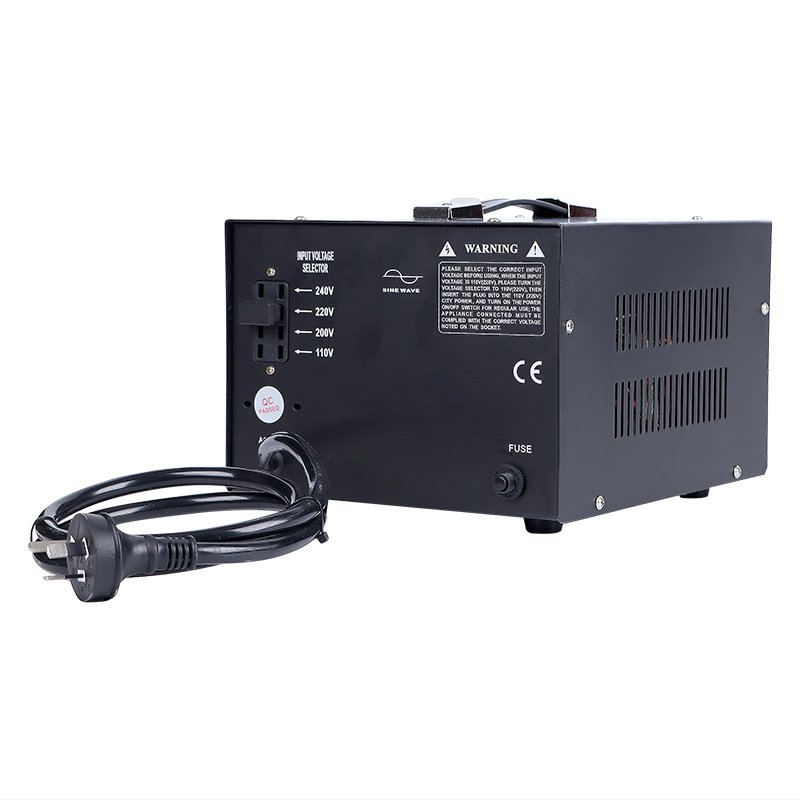
Step Down Transformer 220V to 110V for Kitchen Appliances
Your 110V blender, coffee machine or mixer from the United States arrives home in a 220V country, and you face a choice: plug it in and risk a burnt motor, or buy a step down transformer 220V to 110V for kitchen appliances. The second option is the right one. This guide explains which kitchen appliances need conversion, how to size the transformer correctly, and what to look for so your equipment runs safely for years. Real wattage examples and a simple formula make the whole process quick.
Why Kitchen Appliances Need a 220V to 110V Step Down Transformer
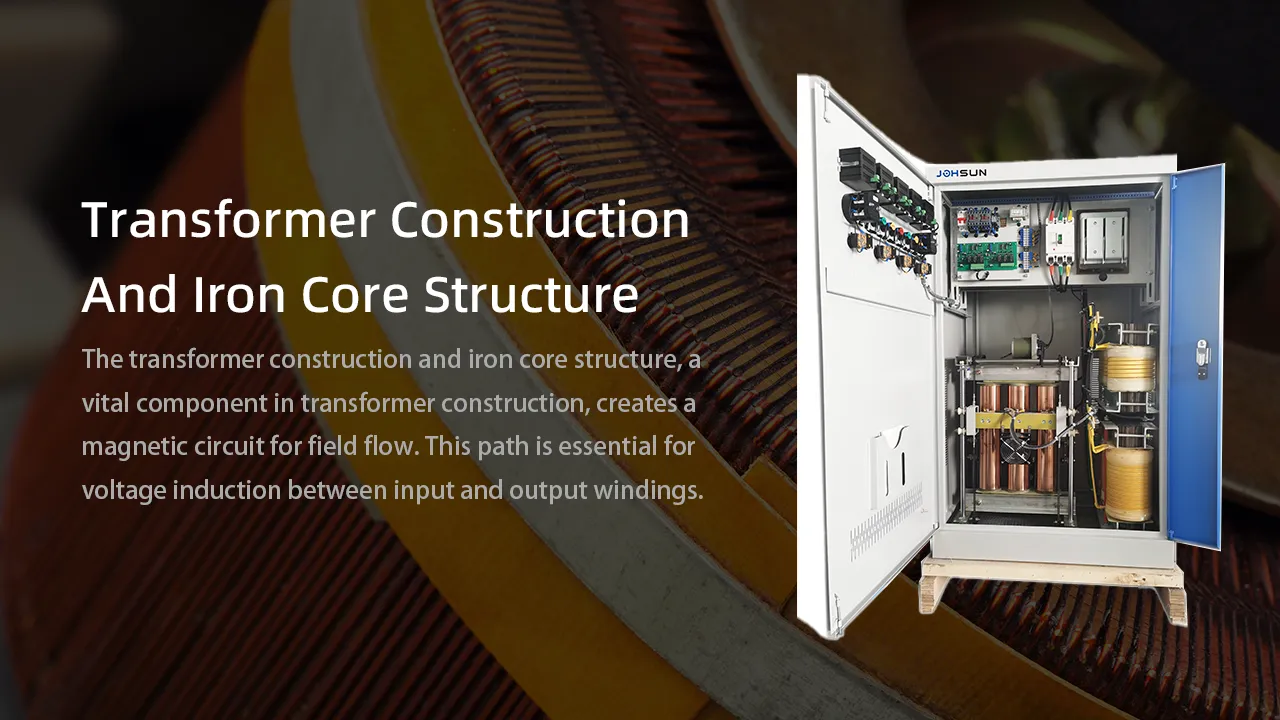
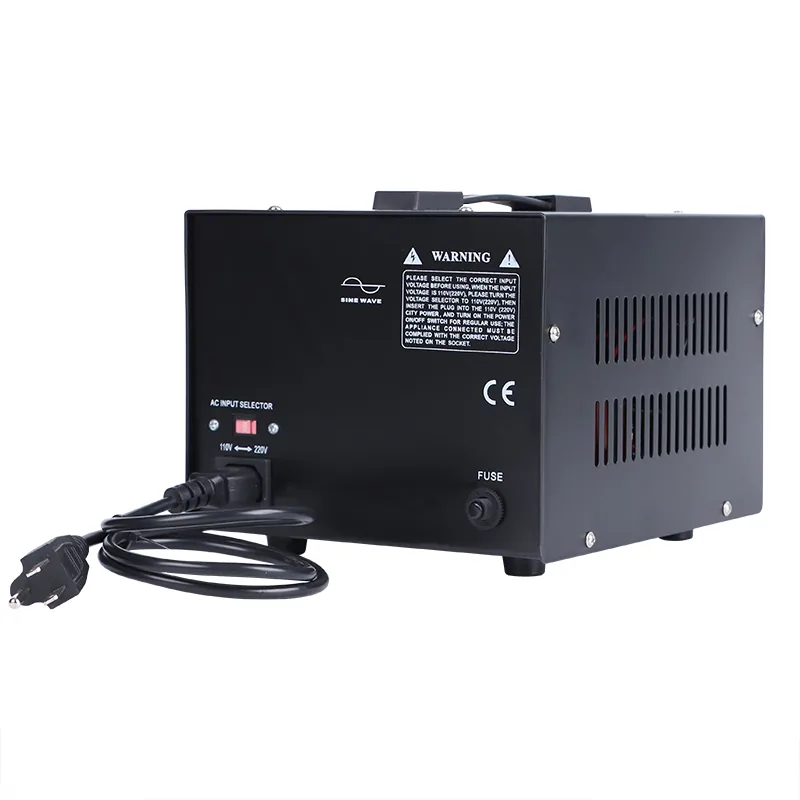
Kitchen appliances are exactly the kind of load a transformer handles best: motors, heaters and compressors that run for long periods. A voltage converter that simply switches the electronics will not survive a microwave oven, and a blender motor running at 220V instead of 110V will overheat in minutes. A step down transformer converts 220V wall power to the 110V your appliance expects, using a heavy laminated core that runs cool under continuous load.
Because kitchens combine high-wattage devices, always choose a transformer rated for the largest appliance you will run, and never plug more total wattage into one unit than its VA rating allows.
Which Kitchen Appliances Usually Need One
Blenders, Mixers and Food Processors
Typical motor power runs from 300W to 900W. These appliances draw a strong start-up surge, so a 1000VA unit is the practical minimum and 1500VA gives comfortable headroom. The ST-2000 from Wilmall, rated 2000VA, easily covers the biggest commercial-style blender plus a second device.
Coffee Machines and Electric Kettles
Drip coffee makers use 550W to 900W, espresso machines 1000W to 1400W, and US kettles 1000W to 1500W. These are resistive loads, so a 2000VA transformer runs a kettle and a coffee machine together without stress.
Rice Cookers, Slow Cookers and Air Fryers
A US rice cooker draws 400W to 700W, and air fryers 1000W to 1700W. Air fryers are the heaviest common kitchen load, so size a 2000VA or 3000VA unit if you use one.
Microwaves and Toaster Ovens
Microwaves draw 800W to 1500W, and toaster ovens 1000W to 1800W. Because their current surges at start-up, give them at least 30 percent headroom on the transformer rating.
How to Calculate the Wattage of Your Kitchen Appliances
Find the wattage on the nameplate or the UL label on the back or bottom of the appliance. It is usually printed as W or VA. Write down each device, then follow this formula:
Total load = appliance 1 wattage + appliance 2 wattage + every other device you plug in at the same time. Transformer VA = total load x 1.3, rounded up to the nearest standard rating.
| Appliance load | Recommended transformer | Wilmall model |
| 300 to 600W | 1000VA | DT-1000VA (bidirectional, automatic) |
| 600 to 1500W | 2000VA | ST-2000 (2000VA, with RCD) |
| 1500 to 2500W | 3000VA | STU-3000 (bidirectional, high power) |
| 2500 to 4000W | 5000VA | STU-5000 (bidirectional, high power) |
For most households, the ST-2000 step down transformer is the sweet spot: it runs a refrigerator, microwave and coffee machine comfortably, and its built-in RCD protects your kitchen against leakage current. Use the transformer sizing calculator to confirm the number for your exact appliance list.
What Size Step Down Transformer for a Refrigerator
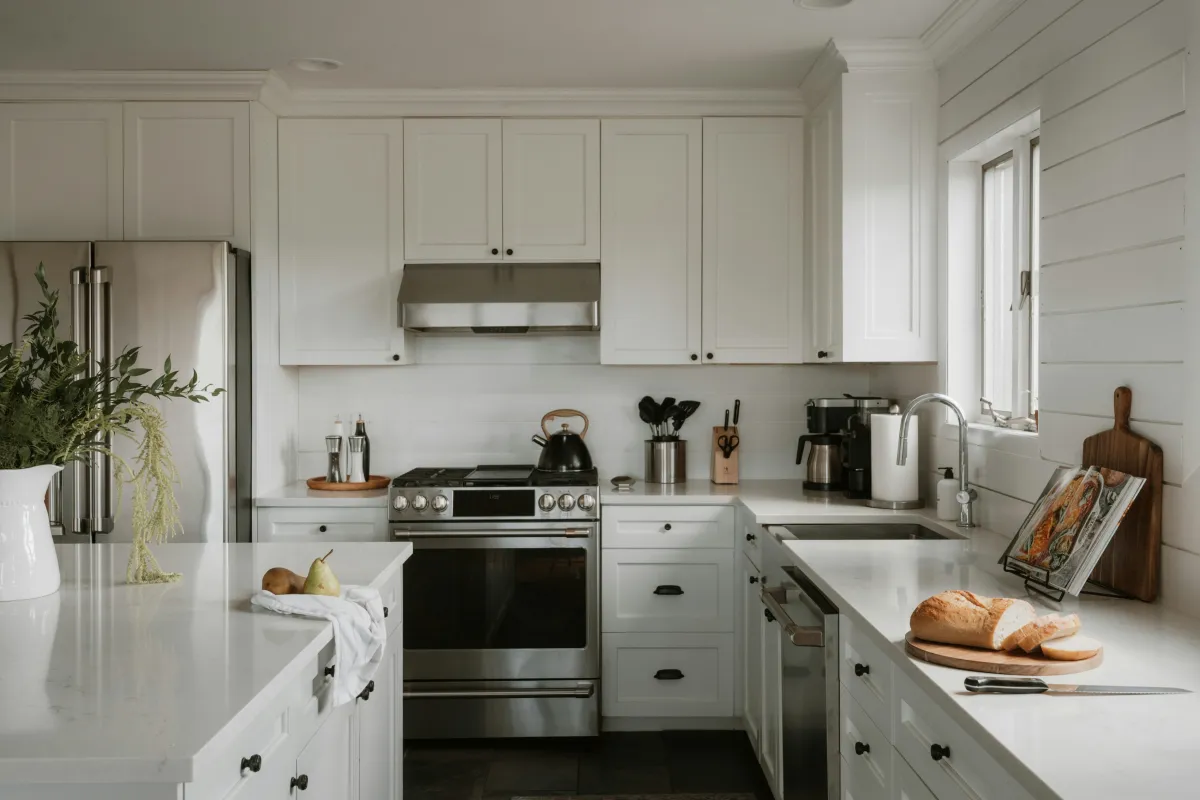
A US refrigerator draws 150W to 300W while running, but its compressor can surge to 900W on start-up. A 1000VA transformer will technically run it, yet a 1500VA or 2000VA unit is a safer long-term choice because the fridge cycles on and off all day. Match the transformer to the fridge plus any other appliance you will plug in nearby, and check the compressor voltage; newer US fridges are 110V to 120V, which a 220V to 110V step down transformer supplies correctly.
Safety Tips for Kitchen Appliances on a Transformer
- Place the transformer on a dry, ventilated surface, never inside a closed cabinet, and keep it away from water and steam.
- Do not run the transformer at more than 80 percent of its rating for long periods; kitchens are hot, and heat is the main enemy of long life.
- Use the transformer only with appliances that match the output voltage printed on the unit, and never modify plugs to force-fit an appliance.
- Choose a model with a resettable breaker or RCD, so a fault cuts power instantly instead of starting a fire.
- Unplug the transformer when the kitchen is unattended for long stretches, especially if you are away from home.
Wilmall step down transformers are wound in our own factory in Yueqing, China, with 100 percent inspection before shipping. Every unit is tested for output voltage, temperature rise and dielectric strength, which is why they are exported to more than 30 countries.
The Kettle and Toaster Combo: A Real Sizing Example
Let us size a real kitchen setup so the numbers are clear. A US-spec kettle draws 1500W, a toaster draws 900W, and a blender draws 500W running but spikes to about 1200W at start-up. If you run the kettle and the toaster together, the total is 2400W. Add 30 percent headroom and you need about 3120VA, so a 5000VA transformer is the honest recommendation for running both at once. If you stagger them, running one at a time, a 3000VA unit covers the kettle alone with margin. The blender’s motor surge pushes the requirement up if it runs at the same time as a kettle. For most kitchens, the decision comes down to whether you run heavy appliances simultaneously. If you do, size for the simultaneous total; if you do not, size for the heaviest single appliance with margin. Send us your kitchen list and we will confirm the right size.
Plugs and Sockets for Kitchen Appliances
Kitchen appliances from the US use NEMA plugs, which do not fit European or most Asian sockets, and the transformer’s output socket must match them. When you order a step-down transformer for kitchen appliances, we fit the output socket to your appliance plugs, US sockets for US appliances, or a multi-socket arrangement if you have several appliances. The input side uses the plug standard of the country you are in. Getting the socket right the first time removes the need for adapter after adapter, which is a common source of loose connections and heat in the kitchen. For resellers, stocking transformers with the socket types your market uses, and offering both socket options, covers more customers. Tell us the appliance plugs in your kitchen and we will supply the matching output socket.
Safety Placement in a Kitchen Environment
A kitchen is one of the harsher environments for electrical equipment, with water, steam, heat, and grease in the air. The transformer should sit on a dry surface, off the countertop, away from the sink and the stove, and in a ventilated spot where steam does not collect. Never run it on the floor where water could reach it. The ventilation slots must stay clear, because kitchen heat and dust reduce airflow. If the kitchen is small and hot, consider mounting the transformer on a wall shelf to keep it off the work surface. Our ST series is varnish-dipped for moisture resistance, and the STU adds RCD protection against earth leakage, which is especially relevant where water is nearby. With the right placement and protection, a kitchen transformer serves safely for years.
Ordering and Lead Time for Kitchen Transformers
Ordering a step-down transformer for kitchen appliances is a standard process. The lead time is 15 to 25 days from order confirmation, and shipping by sea from Ningbo or Shanghai to most ports takes 20 to 35 days, so plan about 35 to 60 days for container shipping. For a single household unit or a small order, express air freight is faster, though the cost per unit is higher. The MOQ is 10 pieces for standard models, which suits both households ordering a few units with friends and small distributors. Every order includes the commercial invoice, packing list, and batch test certificate, and we can arrange the certificate of origin if your customs broker needs one. Tell us your country, your quantity, and the appliance plugs you need, and we will confirm the price, the socket configuration, and the freight.
The Dual-Voltage Appliance: No Transformer Needed
Many kitchen appliances bought today are dual-voltage, marked 100-240V, which means they run on any mains voltage in the world with just a plug adapter. Laptops, phone chargers, and most modern small appliances fall into this group. The kitchen appliances that still need a transformer are the US-spec units rated 110-120V only, which include many blenders, mixers, coffee makers, and older small tools. Before you buy a transformer, check every appliance nameplate: if it says 100-240V, it needs an adapter, not a transformer, and buying a transformer for it is wasted money. If it says 110-120V only, it needs the transformer in a 220V country. This five-second check on each appliance is the most reliable way to size the transformer for the ones that genuinely need it, and it is the first question our engineers ask when you send us your appliance list.
What size step down transformer do I need for kitchen appliances?
Blenders and mixers draw 300W to 900W, so a 1000VA unit is the practical minimum and 1500VA gives comfortable headroom. A coffee machine plus an electric kettle (up to 1500W together) is covered by a 2000VA unit like the Wilmall ST-2000, while air fryers at 1000W to 1700W need 2000VA to 3000VA. Add up every appliance you will run at once, then multiply by 1.3 to find your transformer VA.
Can I run a 110V microwave oven on a 220V to 110V step down transformer?
Yes. Microwaves draw 800W to 1500W and produce a strong current surge at start-up, so choose a transformer rated at least 30 percent above the appliance wattage. The Wilmall ST-2000 (2000VA) runs a microwave plus a second small appliance without stress, and its built-in RCD adds leak-current protection in the kitchen.
Is a voltage converter the same as a step down transformer?
No. A lightweight voltage converter only switches electronics and will not survive motors, heaters or compressors running for long periods. A genuine step down transformer, like the 220V to 110V units from Wilmall, uses a laminated core that runs cool under continuous load, which is exactly why kitchen appliances need one.
Can I plug multiple kitchen appliances into one transformer?
Yes, as long as the combined wattage stays below roughly 80 percent of the transformer’s VA rating over long periods. For a typical kitchen with a refrigerator, microwave and coffee machine, a 2000VA step down transformer is the practical sweet spot; heavier loads like an air fryer may push you to a 3000VA unit.
Buy Direct from the Factory
Ready to power your kitchen appliances safely? Contact Wilmall Transformers for a factory-direct quote. Send your appliance list and your country’s voltage to sales@wilmall.com or WhatsApp +86 19730226757, and we will recommend the exact model, with MOQ from 10 pieces and lead time of 15 to 25 days. Browse the full step down transformer range, or check which voltage your country uses before you order.