Hair Dryer Step Down Transformer: 220V to 110V Guide
If you are an expat with a 110V US hair dryer in a 220V country, or a salon importing 110V professional dryers, you already know the pain: a plug adapter is not enough, and a hair dryer on 220V burns out its heating element in seconds. The element is designed for half the voltage, so at 220V it dissipates four times the heat it was built for. The fix is a real step down transformer, sized for the dryer’s actual wattage.
Hair dryer power draw
Consumer hair dryers run from 800W up to 1875W in the US. Professional salon dryers sit at the top of that range, usually 1600 to 1900W. Hair straighteners and curling irons are lighter, 200 to 500W depending on the plate size.
The key number is the heating element wattage, because that is a pure resistive load and it stays on for the whole drying session. A 1500W dryer on a 1500VA transformer is running at 100% of rating, which means it runs hot. We size dryers with the 80% rule: a 1500W dryer wants a 2000VA unit.
Why dryers burn out fast on the wrong transformer
Two failure modes. First, if you plug a 110V dryer into 220V mains with only an adapter, the element burns out in seconds, usually with a pop and a strong burnt smell. Second, if you use an undersized transformer, the transformer overheats and trips its thermal fuse, which looks like a dead dryer when the dryer is fine.
Both are completely avoidable with the right VA rating and a transformer that is rated for the continuous draw of a drying session.
Recommended Wilmall models for hair care
- ST-1000 (1000VA) — for straighteners, curling irons, and compact dryers up to 700W.
- ST-1500 (1500VA) — for most consumer dryers in the 800 to 1100W range.
- ST-2000 (2000VA, with RCD) — for professional salon dryers (1400W+) and for running a dryer plus a straightener from one outlet.
- ST-3000 (3000VA) — for a salon station running a dryer and two styling tools at once.
The ST-2000 includes RCD protection on the 110V output, which we recommend for any electrical equipment used near water, and hair care gear is exactly that.
Salon installations
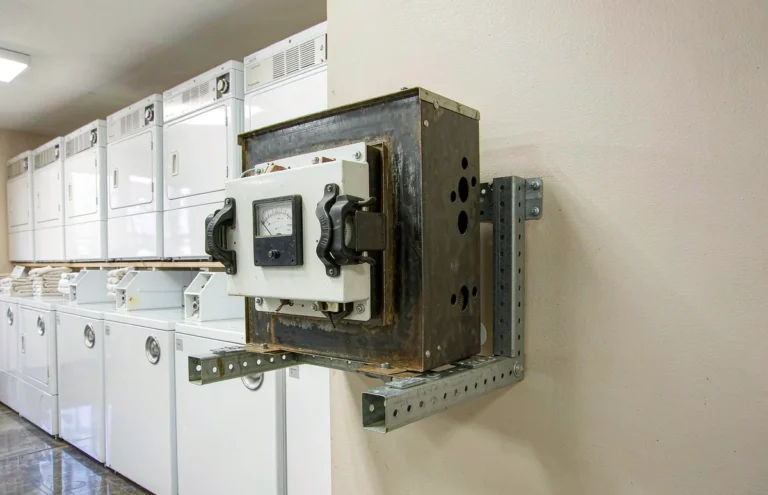
For a salon, do not put one big transformer in a back room and run long 110V cables to every station. Long runs drop voltage and create trip hazards. Instead, use a 2000VA or 3000VA unit per pair of stations, mounted high on the wall and out of reach of water.
We have shipped salon setups to Dubai, Riyadh and Lagos with this layout, and it holds up to daily professional use. Every ST unit is copper-wound, Class B insulated, and tested at full load for 4 hours before packing.
For other personal care and kitchen appliances, see our kitchen appliance guide and the step down selection guide.
Travel hair care kits
If you are an expat or a frequent traveler, the lightest practical setup is one 1000VA transformer for your hair care gear, carried or shipped ahead to each home. A 1000VA unit covers straighteners, curling irons and compact dryers, and it is small enough to live in a closet. For a full-size 1500W dryer, carry the 2000VA instead, and accept the extra weight for the safety margin.
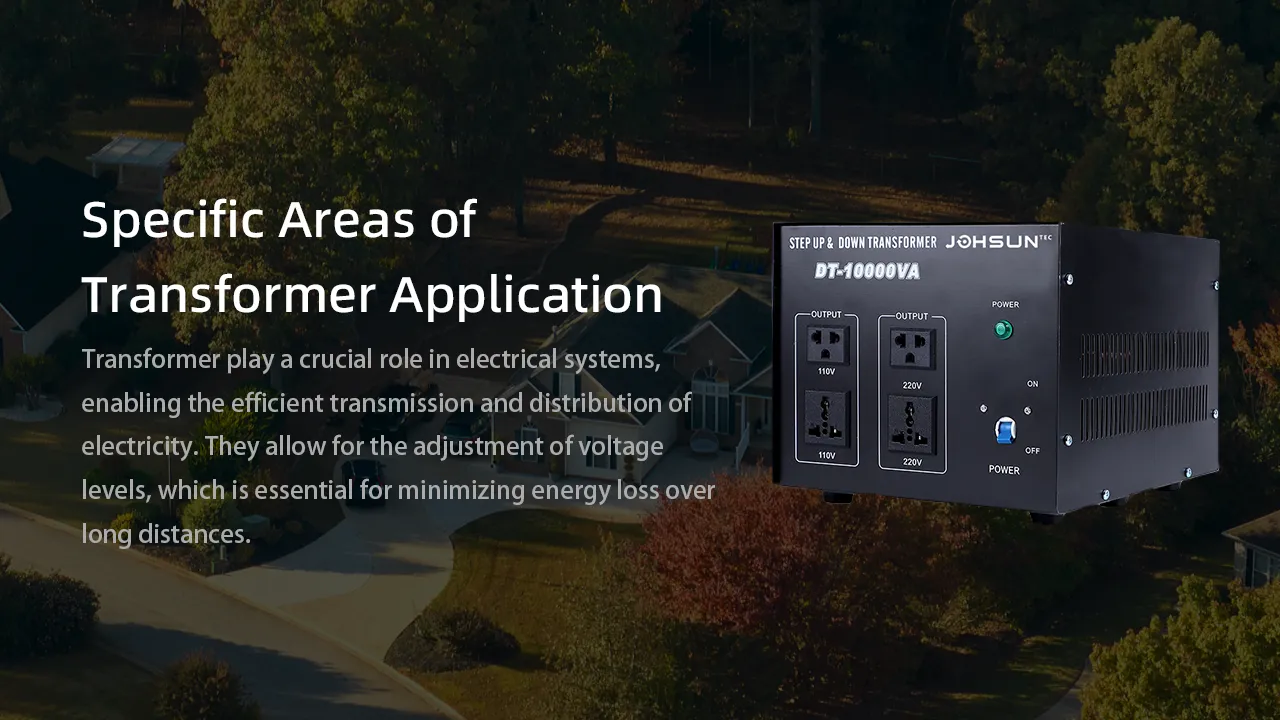
What we see travelers get wrong is buying a “universal” travel converter that claims to handle 1600W but is actually a 100W electronic converter with a marketing number. Read the fine print. A real transformer for hair care is heavy, that is the giveaway. If the unit is lighter than 5 kg and claims 2000W, it is not a real transformer, and your dryer will tell you within a minute.
Hotel and salon setups
Hotels and salons that serve American clients have a recurring need for step down transformers, and they buy them in batches. The standard hotel setup is one 2000VA per room, mounted out of reach of water, serving the guest’s hair dryer and phone gear. Salons use one 3000VA per two styling stations, which covers a dryer, a straightener and a curling iron at once.
If you supply hotels or salons, the selling points that close the order are the RCD protection on the 110V output, which insurance reviewers look for, and the grounded three-prong US output, which matches the plugs on professional US hair gear. We can print your brand on the case for a batch order, and the lead time stays at 15 to 25 days.
We have supplied this exact configuration to salon chains in Dubai, Riyadh and Lagos, and the repeat order rate tells us the RCD and the grounding are what keep them coming back.
Voltage ratings on the label
Before you order any transformer for hair care, check the label on the appliance itself. US hair dryers and straighteners are almost always rated 110V to 120V only, which is why they need the step down. If you see a label that says 100V to 240V, which some newer dual-voltage models carry, the appliance works on 220V mains with just a plug adapter and you can skip the transformer entirely.
For the gear that is single-voltage, our ST-1000 and ST-2000 cover the full range of consumer and professional equipment, and the 12-month warranty applies to both sizes.
Dual voltage travel dryers
Some travel dryers are genuinely dual voltage, with a small switch that flips the element between 110V and 220V settings. If your dryer has that switch, you can run it on 220V mains with just a plug adapter, no transformer needed, but you must remember to flip the switch back to 110V before you use it in the US again, and the wattage on the 110V setting is roughly half the 220V setting.
The dryers that need a transformer are the single-voltage 110V models, which is most full-size US dryers. If the label says 110V to 120V only, a transformer is mandatory. We can tell you from a photo of the label within one message whether your dryer needs one.
Salon infrastructure and wiring
A salon installing 110V US equipment in a 220V country is wiring a small power system, and the transformer is the heart of it. For a salon with six styling stations, we recommend a 2000VA isolation unit per pair of stations, with each station’s 110V circuit run from the transformer through a dedicated breaker. The isolation variant protects the staff from any ground fault in the US-spec equipment, which insurers check for.
The salon layout rule is to keep the transformers high on the wall, out of reach of water and hair spray, and to run the 110V cabling in conduits. We have supplied this exact layout to salon chains in Dubai, Riyadh and Lagos, and the RCD protection on the output is what keeps the insurance certificate in order.
RCD protection and wet areas
Hair care equipment is used within reach of water, which makes RCD protection on the 110V output a genuine safety feature, not a marketing line. The ST-2000 and above include an RCD that trips in milliseconds on a ground fault, protecting both the user and the appliance. If you are buying for personal use, the RCD model is worth the small premium.
For any installation near a bathroom, sink, or salon basin, never place the transformer where it can get wet, and never operate it with wet hands. The RCD protects against faults, but basic water discipline is the first line of defense.
Voltage conversion for salon brands
Salon equipment brands that sell 110V US models globally need a voltage conversion story for their 220V market distributors. The cleanest story is to bundle the transformer at the factory level, ship the appliance with a matched transformer, and label both with the same brand. This removes the customer’s wiring questions and protects the brand from cheap transformer failures that get blamed on the appliance.
If you are a salon brand importing US-spec dryers and straighteners for resale in 220V markets, we can supply the ST series with your brand label, matched by wattage to your product line. The bundle price is lower than buying the transformers separately, and the 12-month warranty covers both sides of the sale.
Travel checklist for hair care
If you travel with 110V hair care gear, the checklist is short: check the label on every device, sort the dual-voltage from the single-voltage, pack one transformer for the single-voltage gear, and pack the plug adapters for the dual-voltage electronics. The single-voltage gear is usually the dryer and the straightener, and they fit one 2000VA transformer between them.
Do not pack a 1000VA transformer for a 1600W salon dryer and hope it survives. The dryer will run the transformer at 100% and the thermal fuse will trip mid-dry. Check the dryer’s wattage before you fly, and match the transformer to it with the 80% rule.
The grounding of the transformer matters as much as the VA rating for hair care gear. A US hair dryer has a three-prong grounded plug on some models, and a transformer with a grounded 110V output preserves that protection. Our ST series is grounded on both the input and the output, with the case bonded, so the dryer’s ground path is complete. If you are using an ungrounded travel converter for a grounded dryer, you lose the ground protection, which is exactly the risk you do not want near a bathroom sink.
What size step down transformer do I need for a hair dryer?
A 110V hair dryer draws 800 to 1800W. For 1100W and under, a 1500VA unit works. For anything over 1400W (professional salon dryers), use the 2000VA ST-2000. Running a hair dryer through an undersized transformer is the most common warranty claim we see.
Can a hair straightener run on the same transformer as a hair dryer?
Only if the combined wattage stays under 80% of the transformer rating. A 400W straightener plus a 1300W dryer is 1700W, so you need a 2000VA minimum. Do not run them at the same time on a 1000VA unit.
Why did my 110V hair dryer burn out on 220V mains?
Because the heating element is designed for half the voltage. At 220V it dissipates four times the rated heat and burns through the element in seconds. This happens with a plug adapter only, which is why a real step down transformer is mandatory for hair care appliances.
Do salon-grade dryers need a special transformer?
Salon dryers are the highest-draw hair appliances, often 1600 to 1900W. They need the 2000VA ST-2000 minimum, and the 3000VA STU if you run two dryers from one station. The ST-2000 also includes RCD protection, which salons should have on any electrical point near water.