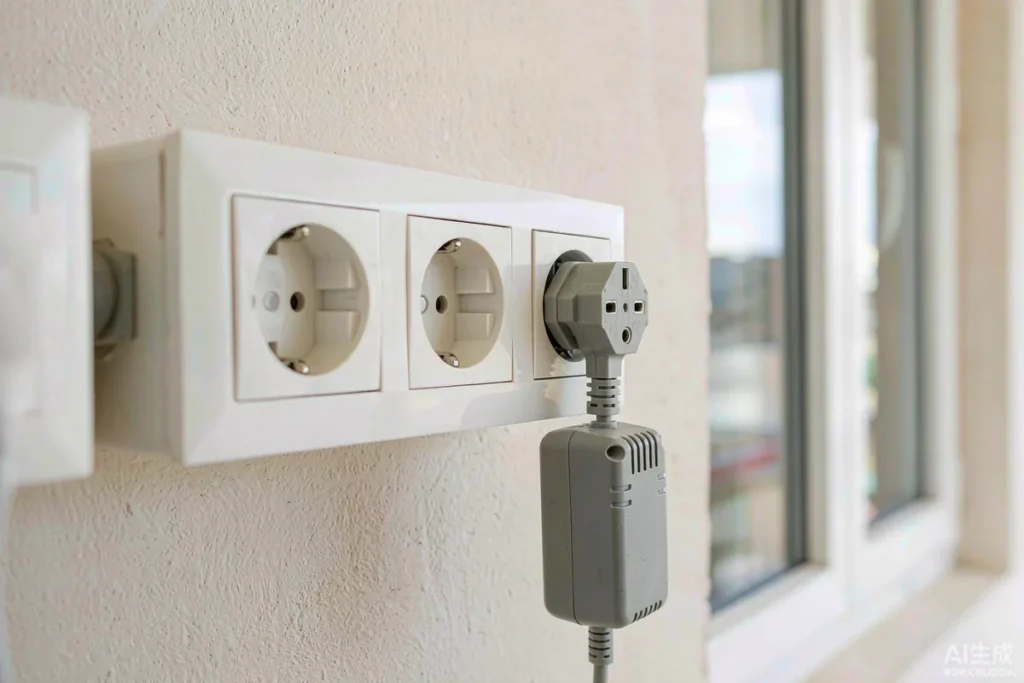
Step Down Transformer for Brazil: 220V to 127V Guide
If you are moving a US appliance to Brazil, stop reading the “220V to 110V” guides. Most of Brazil does not run on 110V. It runs on 127V in the big coastal cities and 220V in the interior and the capital, all at 60Hz. So before you order a transformer, you have to know which voltage your city actually uses. Get that wrong and you either buy a unit that never delivers full power or one that cooks your appliance.
I work at a transformer factory in Yueqing, China, and we ship step down transformers to Brazil every month. This guide is the straight version of what I tell Brazilian buyers over WhatsApp: how to read your city’s voltage, how to size the transformer for 220V to 127V, and what to check before you pay.
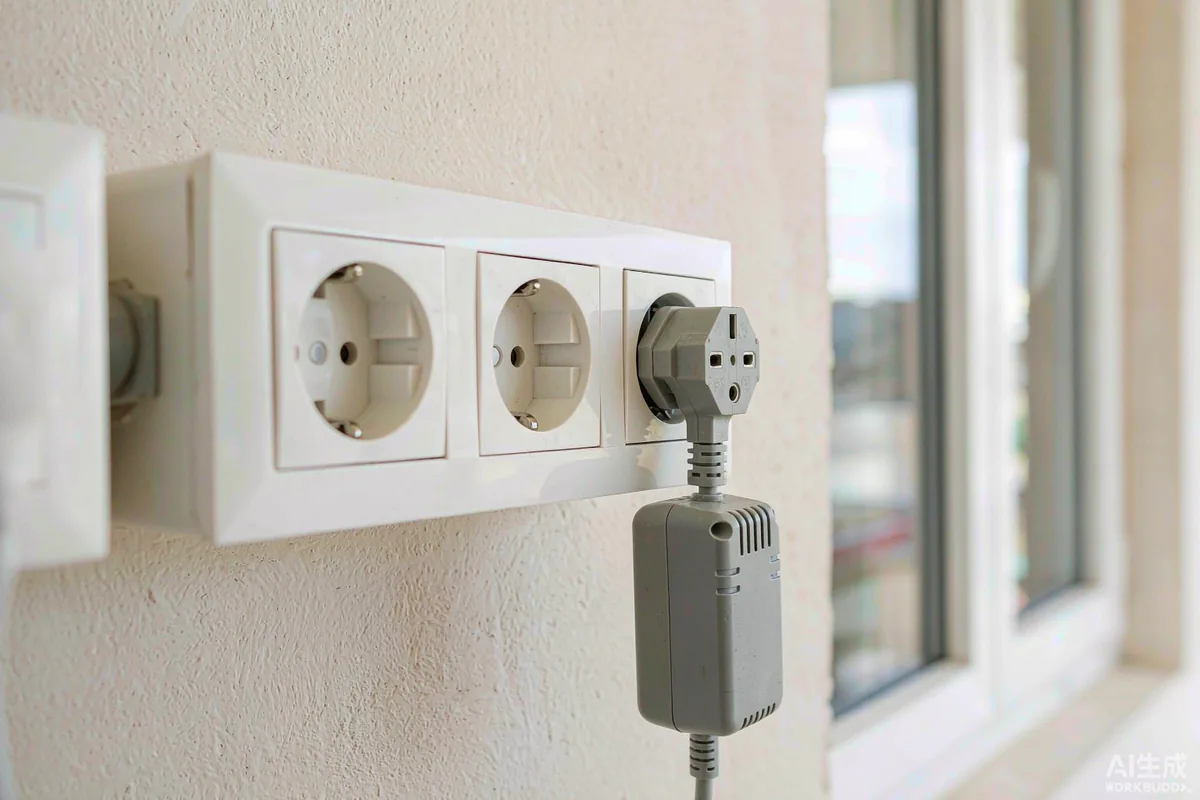
First, Check the Voltage in Your Brazilian City
Brazil never picked one national voltage. The country runs a split system and the dividing lines follow history, not logic. The coastal states where power was electrified early by American and European utilities ended up with 127V, and the regions developed later (plus Brasília, built from scratch in the 1950s) went 220V.
Here is the rough map we use for incoming orders:
- 127V mains: Rio de Janeiro, São Paulo (most districts), Espírito Santo, and parts of the southern coast. This is the largest customer base.
- 220V mains: Brasília, Goiás, Minas Gerais (large parts), the whole Northeast (Bahia, Pernambuco, Ceará), the North (Amazonas, Pará), and much of the interior of Paraná and Rio Grande do Sul.
- Mixed: Some municipalities run both 127V and 220V in different neighbourhoods, and some buildings in São Paulo are actually wired 220V while the street grid is 127V. Yes, it is that messy.
Do not guess. Look at the label on an existing appliance that came with the house, or ask the landlord, or check the breaker panel. If the whole house runs on 127V you need a different transformer than a house on 220V, and the difference is not optional.
One more thing that catches people: the frequency is 60Hz, the same as the US. That is good news. A US appliance rated 120V 60Hz will run properly on a Brazilian 127V outlet once the voltage is right, with no frequency issue at all.
Why a “220V to 110V” Transformer Is the Wrong Tool in Brazil
Most of the transformers sold to Brazil on the marketplaces are set up for 110V output, because the sellers copy the North American product page. But a US appliance built for 120V wants roughly 120V. Feed it 110V and two annoying things happen.
First, motors and compressors slow down and draw more current, which makes them run hot. A refrigerator compressor fed 110V instead of 120V has to work harder to turn, and heat is what kills compressors. Second, heating appliances simply take longer: a hair dryer rated 1875W at 120V only produces about 1570W at 110V, so it dries slower and the heating element never hits its design temperature.
Our Brazilian customers order the 220V to 120V version of our step down transformer for this reason, or the 220V to 127V variant when their appliance is labelled 127V. The extra cost is zero and the output winding is wound exactly to your appliance spec. If you already own a “110V output” unit from a general marketplace listing, it will run a laptop charger or a phone charger fine, but we would not run a motor or a heater through it.
How to Size a 220V to 127V Transformer for Your Appliances
Sizing is the part where most buyers mess up, so here is the factory rule we give everyone:
Step 1. Read the nameplate of the appliance you want to run. Find the watts or amps. If only amps are printed, watts = volts × amps. For a 120V appliance that draws 5A, that is 600W.
Step 2. Multiply by a safety margin. For heating elements and electronics, use 1.25×. For motors and compressors (refrigerator, freezer, blender, air conditioner), the starting surge can be 3 to 5 times the running load, so use at least 2× and check the locked-rotor current if the label shows it.
Step 3. Round up to a standard size. We build step down transformers in 500VA, 1000VA, 1500VA, 2000VA, 3000VA and 5000VA for this exact job.
| Appliance | Running Load | Recommended Transformer |
|---|---|---|
| LED TV + soundbar + game console | ~600W | 1000VA (220V to 120V) |
| US hair dryer (1875W) | ~1875W | 2000VA |
| Refrigerator / freezer with compressor | ~600W run, ~1800W surge | 3000VA for peace of mind |
| Kitchen robot / blender | ~1000W | 2000VA |
| Air conditioner 12000 BTU US model | ~1200W run, up to 3600W surge | 5000VA |
If you plan to run two appliances at once, add their VA numbers together before picking the size. A common setup we see from Brazilian buyers is a refrigerator plus a blender or microwave on one unit; that needs a 3000VA at minimum. If you are not sure, write to us with the list of appliances and we will calculate it for you before you spend anything.
What You Get from a Factory-Built Unit (and What Cheap Units Skip)
Not all “step down transformers” are the same, and the difference shows up in the first brownout or the first surge. Things we do on every Brazilian export unit, and that you should ask any supplier about:
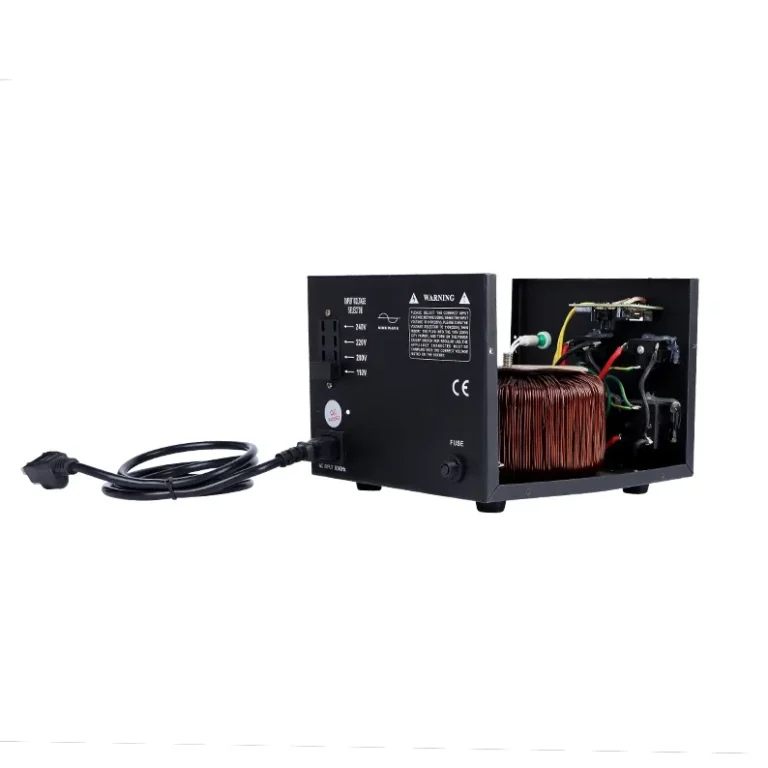
- Copper winding, not aluminium. Aluminium units run hotter at the same VA rating. We wind with copper and size the core honestly.
- Real VA rating. A lot of market listings say “5000W” on a box that is actually a 2000VA core. Check the physical weight: a genuine 2000VA copper transformer weighs roughly 14-18kg depending on the core grade.
- Thermal protection. Our step down units include a thermal cutoff so an overloaded unit shuts down instead of smoking.
- Input and output protection. For the Brazilian market we can add RCD/GFCI on the output side as an option, which matters for appliances used near water.
- Output socket to match. We ship with a US NEMA output socket for US appliances, or we can fit the output your appliance expects.
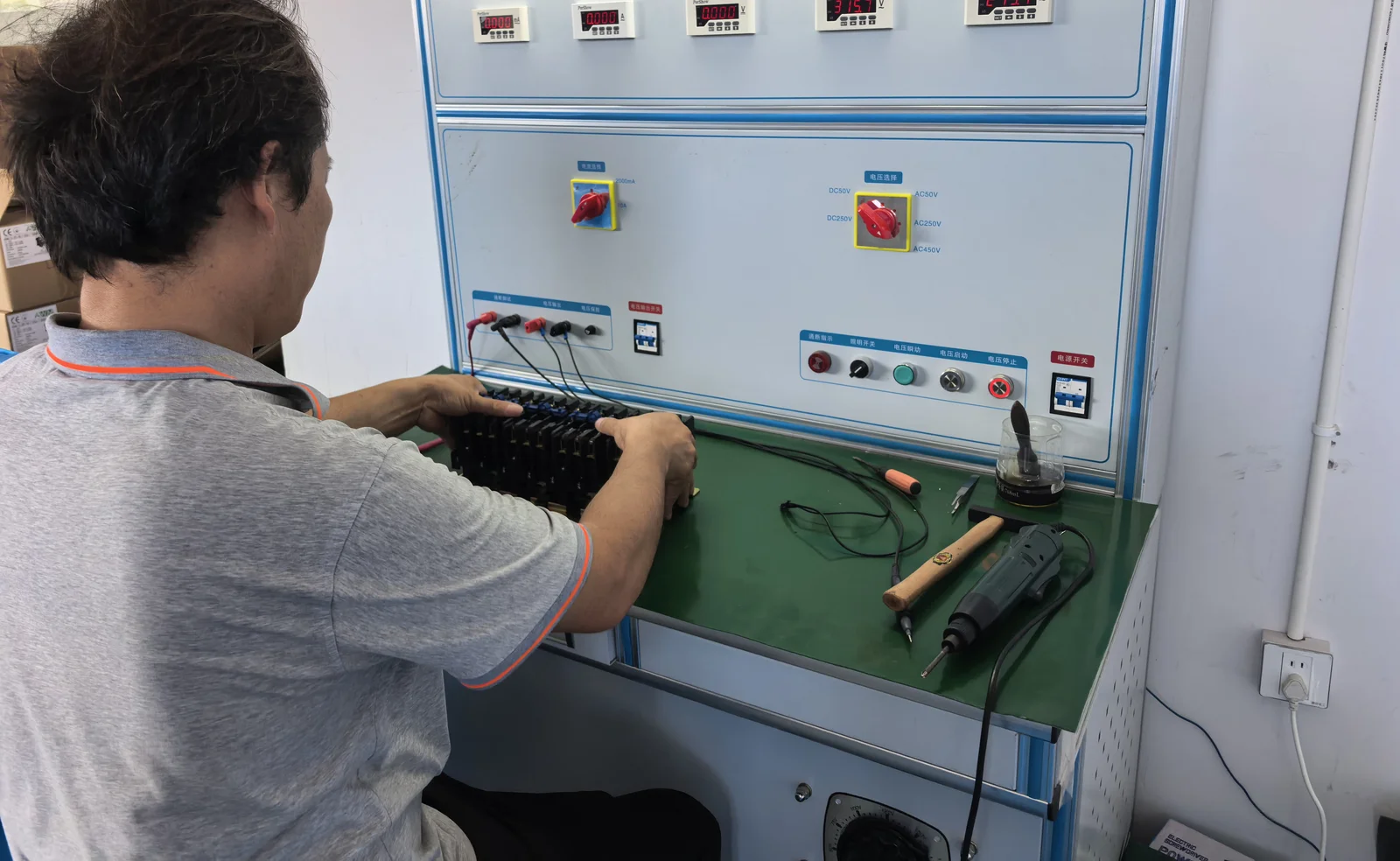
Every unit gets a 100% test record before it leaves the factory: input voltage, no-load current, output voltage under full load, and a temperature run. We photograph the meter reading and send it with your packing list. That is normal for us, not a premium service.
Plug and Socket: What Arrives in Brazil
Brazil adopted the NBR 14136 socket standard in 2011, the three-round-hole pattern that replaced the old two-pin and flat-pin sockets. If you buy from us, the input cable of the transformer can be fitted with a Brazilian plug (NBR 14136, 20A or 10A depending on size) so you simply plug it into the wall. The output side keeps a US NEMA socket for your US appliance.
That combination is what Brazilian buyers actually want: Brazilian plug in, US socket out. If the supplier sends a transformer with a European Schuko input plug, you need an adapter and you lose the ground continuity unless the adapter is quality. Tell us your plug need when you order and the unit arrives ready to use.
Shipping and Import to Brazil
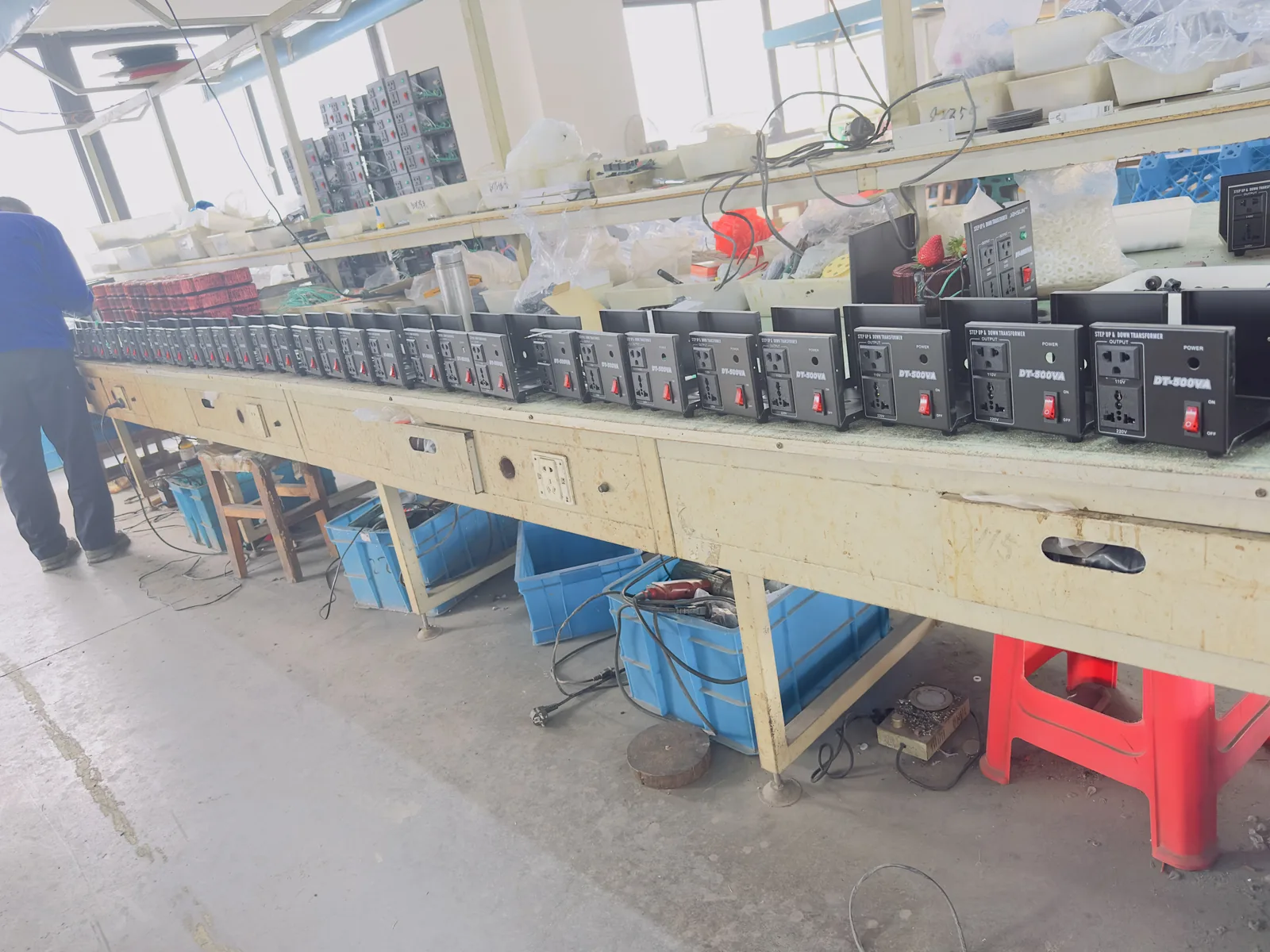
MOQ from our factory is 10 pcs if you are a reseller, but a single unit for your own house is also fine, we sell single pieces every week. Lead time for a standard 220V to 127V step down transformer is 15 to 25 days depending on the VA size, and we ship FOB Ningbo or Shanghai by sea for bulk, or by air courier for one or two units.
For personal imports, the value limit rules in Brazil change regularly, so check the current import allowance for the state you are in before shipping. We mark commercial shipments with the CE certificate, test report and commercial invoice your customs broker asks for. For larger commercial orders we can also help with the INMETRO documentation process, though that is normally handled by your importer of record.
Installation Notes from Our Brazilian Customers
A few practical points we collect from buyers who write back after installation, so yours goes smoothly the first time. Place the transformer in a ventilated spot, not inside a closed cabinet, and keep it off carpet; a 2000VA unit under full load moves air and you want that heat to escape. Do not daisy-chain a second transformer off the output for a motor load, and avoid thin extension leads between the transformer and the appliance. If your building has an older two-wire installation without ground, tell us when you order, because we can supply the unit with the grounding arrangement that matches your wiring instead of discovering the mismatch on site.
One habit we recommend in Brazil specifically: unplug the transformer during lightning storms. Brazilian storm season brings surges that no transformer filters, and an unplugged unit cannot pass a surge through to your appliances. A surge-protected power strip on the output is a small addition that protects a much more expensive appliance. Every unit we ship includes a built-in thermal cutoff as standard, so an overload shuts the unit down safely instead of smoking quietly in a cupboard.
Common Questions from Brazilian Buyers
Before you message us, here are the four things we answer most often.
What voltage should my transformer output in Brazil, 110V, 120V or 127V?
Output should match your appliance label. US appliances are built for 120V, so order the 220V to 120V version. If the appliance is a Brazilian 127V unit and you are powering it from a 220V circuit, order 220V to 127V. A generic 110V output will make motors and compressors run hot.
My city uses 127V. Do I still need a step down transformer for US appliances?
No, a US 120V appliance plugged directly into 127V is within tolerance and runs fine. You only need a 220V to 127V transformer if your property is on a 220V circuit. This is why checking your actual mains voltage first saves you money.
Can a 220V to 127V transformer run a refrigerator with a compressor?
Yes, if you size for the starting surge. A fridge that runs at 600W can pull 1800W or more for a moment at start-up. We recommend a 3000VA unit for a single refrigerator and 5000VA if a freezer shares the output. Our units include thermal protection for overload safety.
Do you ship a transformer with a Brazilian plug already fitted?
Yes. We fit a genuine NBR 14136 input plug (10A or 20A rated, matching the VA size) and keep a US NEMA output socket for your US appliances. Tell us your appliance plug type and we match the output side too.
What is the MOQ and lead time for a 220V to 127V transformer order?
Single units are available for personal use; reseller MOQ is 10 pcs. Standard production takes 15 to 25 days after confirmation, FOB Ningbo or Shanghai. Air courier takes about a week after production for small orders.
Still not sure whether your Brazilian city is 127V or 220V, or which VA size fits your appliance list? Send us the appliance nameplates and your city name, and we will confirm the right step up and down transformer from the factory before you order. Email sales@wilmall.com or WhatsApp +86 197 3022 6757.
Related reading: if you are comparing converter types, start with our voltage converter vs transformer explainer, and for the wider picture of Brazilian dual voltage see our voltage by country guide.