
Transformer Protection Devices: Fuse, Breaker, Thermal and RCD
A transformer is only as safe as the protection around it. Fuses, breakers, thermal overloads and RCDs each do a different job, and knowing which one protects against what is the difference between a transformer that fails gracefully and one that fails dangerously. This guide explains the protection devices on a step down transformer, what each one does, and how to keep the whole circuit safe.
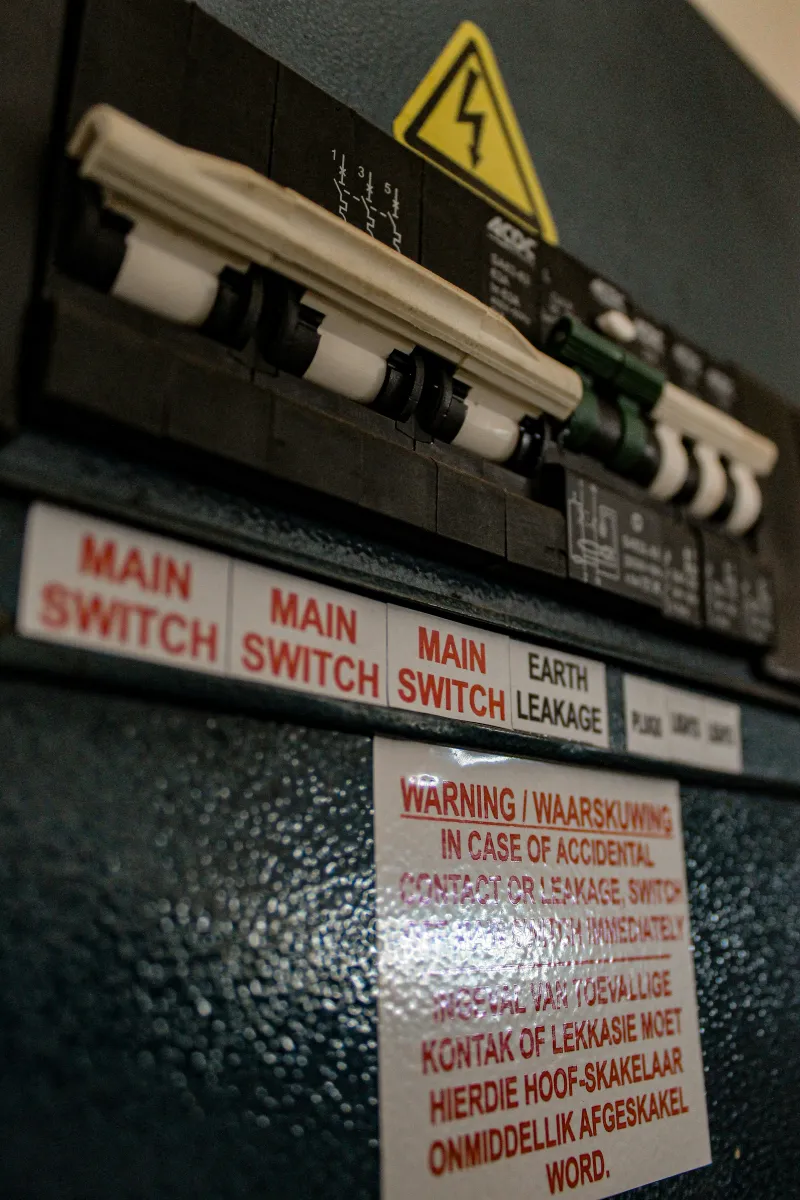
The four layers of transformer protection
A properly protected transformer circuit has four layers, and each one answers a different fault. The fuse and breaker protect against overload and short circuit — too much current through the wiring. The thermal overload protects against overheating — too much heat in the transformer. The RCD protects people — leakage current that should not be flowing at all. They are not substitutes for each other; they are a team.
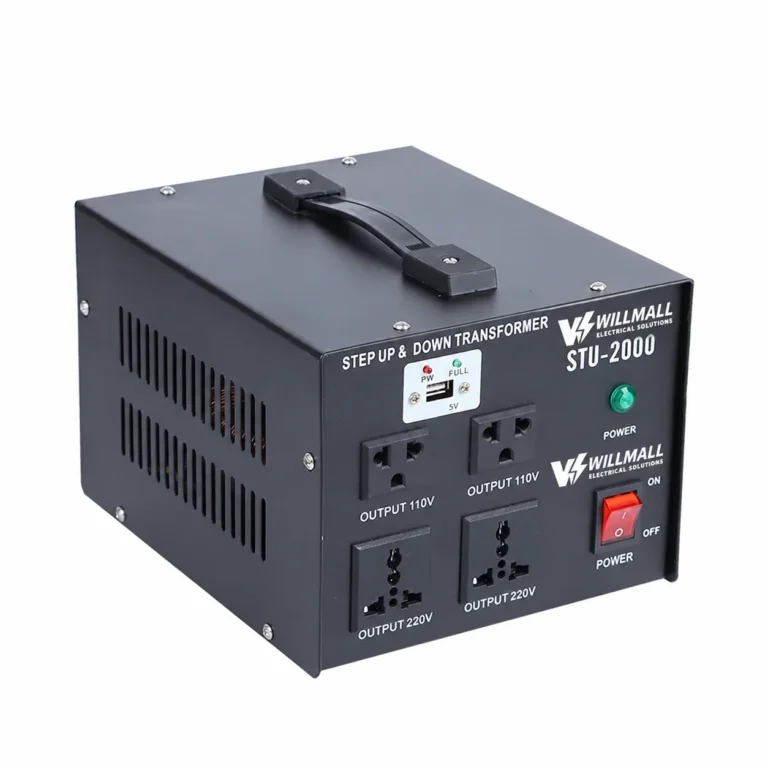
Most cheap transformers skip one or more of these layers to save a few cents. The ST series from Wilmall includes RCD and thermal protection as standard, and the input fuse protects the wiring. When you compare transformers, ask which protection layers are inside — not just what the label says.
Fuses and circuit breakers
| Protection device | Protects against | Where it lives | Typical rating |
|---|---|---|---|
| Input fuse | Overload, short circuit | Transformer primary | Rated to input current |
| Circuit breaker | Overload, short circuit | Supply panel | Above transformer rating |
| Thermal overload | Overheating | Inside transformer | Trip at rated temp |
| RCD / GFCI | Leakage current | Transformer output | 30mA trip |
The fuse on the transformer input is sized to the primary current — it blows only on a real fault, not on normal surge. The breaker upstream is one size larger, so the fuse blows first and the breaker stays on for the rest of the house. This cascade is the standard setup, and it is the one your electrician should wire.
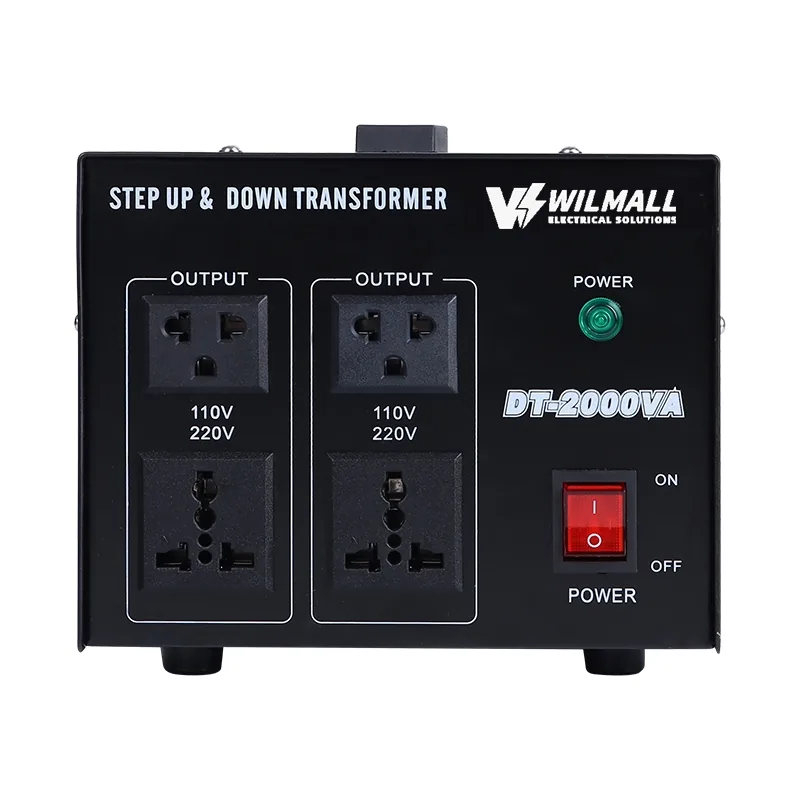
Thermal overload protection
Thermal protection is the transformer’s own guard against overheating. It trips when the winding temperature exceeds the safe limit, giving the unit a chance to cool before insulation damage. This is the layer that saves the transformer when it is undersized or the vents are blocked. The ST series includes a thermal cutoff as standard, and the reset is automatic once the unit cools.
RCD: the layer that protects people
Here is the thing: fuses and breakers protect equipment and wiring, but they do not reliably protect people. A person touching a live case can draw current below the breaker rating. The RCD detects the imbalance between live and neutral — the leakage through the person — and cuts the supply in milliseconds. That is why RCD is non-negotiable for transformers near water, outdoors, or in any installation where people touch the equipment.

How to test protection devices
- Test the RCD monthly. Press the test button; it should trip instantly. Reset and confirm.
- Check the fuse visually. A blown fuse is easy to spot — replace with the same rating only.
- Exercise the breaker. Switch it off and on a few times a year to keep the mechanism free.
- Feel the case for heat. A hot case before the thermal trip means the sizing is marginal.
- Test the RCD under load. Press the test button with an appliance running to confirm the trip current is correct.
Common mistakes with protection
- Replacing a fuse with a higher rating. It stops protecting the wiring.
- Skipping the RCD near water. This is how electrical accidents happen.
- Using the wrong breaker curve. Transformer inrush needs a slow-blow or C-curve.
- Bridging out the thermal trip. The transformer then cooks itself.
- Never testing the RCD. A test button that is never pressed is a device you trust blind.
Why buy from a factory directly
Wilmall builds RCD and thermal protection into the ST and STU series as standard, with the input fuse protecting the wiring and a clear diagram showing every protection layer. Every unit is tested before packing, and the batch test record documents the protection settings. MOQ 10 pcs per model, 15-25 day lead time, FOB Ningbo or Shanghai.
Breaker curve selection for transformer inrush
Transformers draw an inrush current at switch-on that can trip a standard B-curve breaker even with no load. The fix is a C-curve breaker or a slow-blow fuse on the transformer supply. This is a common installer complaint — the transformer is fine, the breaker is just too sensitive for the inrush. If your breaker trips at switch-on but not under load, this is the answer.
We can advise the breaker size and curve for your transformer rating. It is part of the installation guidance that ships with every unit.
Protection for three-phase installations
Three-phase transformers need protection on all three lines, not just one. Each phase gets a fuse or breaker, the thermal protection covers the whole unit, and the RCD or earth-leakage relay protects the circuit. Imbalance protection is available for larger units to catch unequal phase loading. Tell us the machine data and we will spec the protection set.
Three-phase protection is a job for a qualified electrician, and the connection diagram ships with the unit so the wiring is unambiguous.
Why cheap transformers skip protection
Here is the thing: protection devices cost money, and a transformer without them looks the same on the outside. The difference shows in service. A cheap unit with a bare fuse relies on the house breaker alone — one wet morning and the appliance is gone. A unit with RCD and thermal protection fails gracefully, resets, and keeps working. When you compare prices, ask what protection is inside.
The batch test record from Wilmall documents the protection settings, so you know exactly what you bought.
The short version
Fuses for overload, thermal for heat, RCD for people, and a C-curve breaker for the inrush. That is the complete protection formula for a step down transformer, and every ST and STU series unit from Wilmall comes with the layers built in.
RCD trip current: what 30mA means
A 30mA RCD trips when 30 milliamps of current leaks somewhere it should not — through a person, a wet cable or a faulty appliance. That is below the level that causes serious injury, which is why 30mA is the standard for personnel protection. The trip happens in milliseconds, before the current has time to do damage.
A 300mA RCD, by contrast, protects against fire by catching gross leakage, but it will not protect a person. Know which one you have. The ST series uses 30mA personnel protection as standard.
Protection in the real world
Here is a real example: a transformer in a coastal kitchen trips its RCD on a humid morning. The owner resets it and it trips again. The cause is leakage through a damp cable or a slightly faulty appliance — exactly the fault the RCD exists to catch. The fix is to find the leak, not to disable the RCD. Finding and fixing the cause is the correct response every time.
This is why we say protection is a diagnostic tool, not just a safety device. When it trips, it is telling you something.
The short version
Fuses for overload, thermal for heat, RCD for people, and a C-curve breaker for the inrush. That is the complete protection formula for a step down transformer, and every ST and STU series unit from Wilmall comes with the layers built in. Test the RCD monthly and never bypass it.
Protection in the real world
Here is a real example: a transformer in a coastal kitchen trips its RCD on a humid morning. The owner resets it and it trips again. The cause is leakage through a damp cable or a slightly faulty appliance — exactly the fault the RCD exists to catch. The fix is to find the leak, not to disable the RCD. Finding and fixing the cause is the correct response every time.
This is why we say protection is a diagnostic tool, not just a safety device. When it trips, it is telling you something. Listen to it.
Frequently asked questions
What protection devices does a transformer need?
A fuse or breaker for overload, thermal protection for overheating, and an RCD for leakage current. Each protects against a different fault; they work as a team.
Why does a transformer need RCD protection?
Fuses and breakers protect equipment and wiring. The RCD protects people by detecting leakage current and cutting the supply in milliseconds. It is essential near water and outdoors.
What size fuse does my transformer need?
The fuse is sized to the transformer input current — it blows on a real fault, not normal surge. Replace only with the same rating.
How does thermal protection work?
A thermal cutoff trips when the winding temperature exceeds the safe limit, letting the unit cool before insulation damage. It resets automatically once cool.
How do I test my transformer protection?
Press the RCD test button monthly, check the fuse visually, exercise the breaker, and feel the case for heat. Five minutes a month keeps the layers working.
Related reading
- Transformer Grounding and Earthing: A Safety Guide
- Transformer Inrush and Surge Current Explained
- Step Up and Down Transformer Products
Get a factory-direct quote
Email sales@wilmall.com or WhatsApp +86 197 3022 6757 with your application and we will recommend the right protection setup. MOQ 10 pcs.