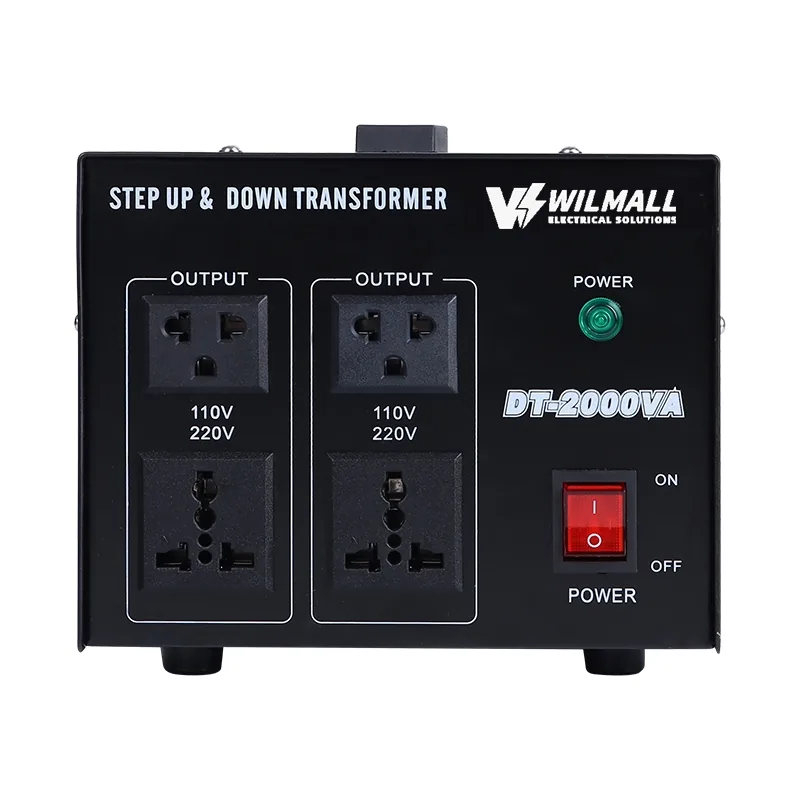
How to Parallel Transformers Safely: A Practical Guide
When one transformer is not enough — more load, more rooms, a growing workshop — the natural question is whether to run two in parallel. The answer is yes, with rules. Parallel transformers can share a load safely, but the conditions are strict, and getting them wrong causes the units to fight each other instead of sharing. This guide explains when paralleling makes sense, the three conditions it demands, and when a single larger unit is the better call.
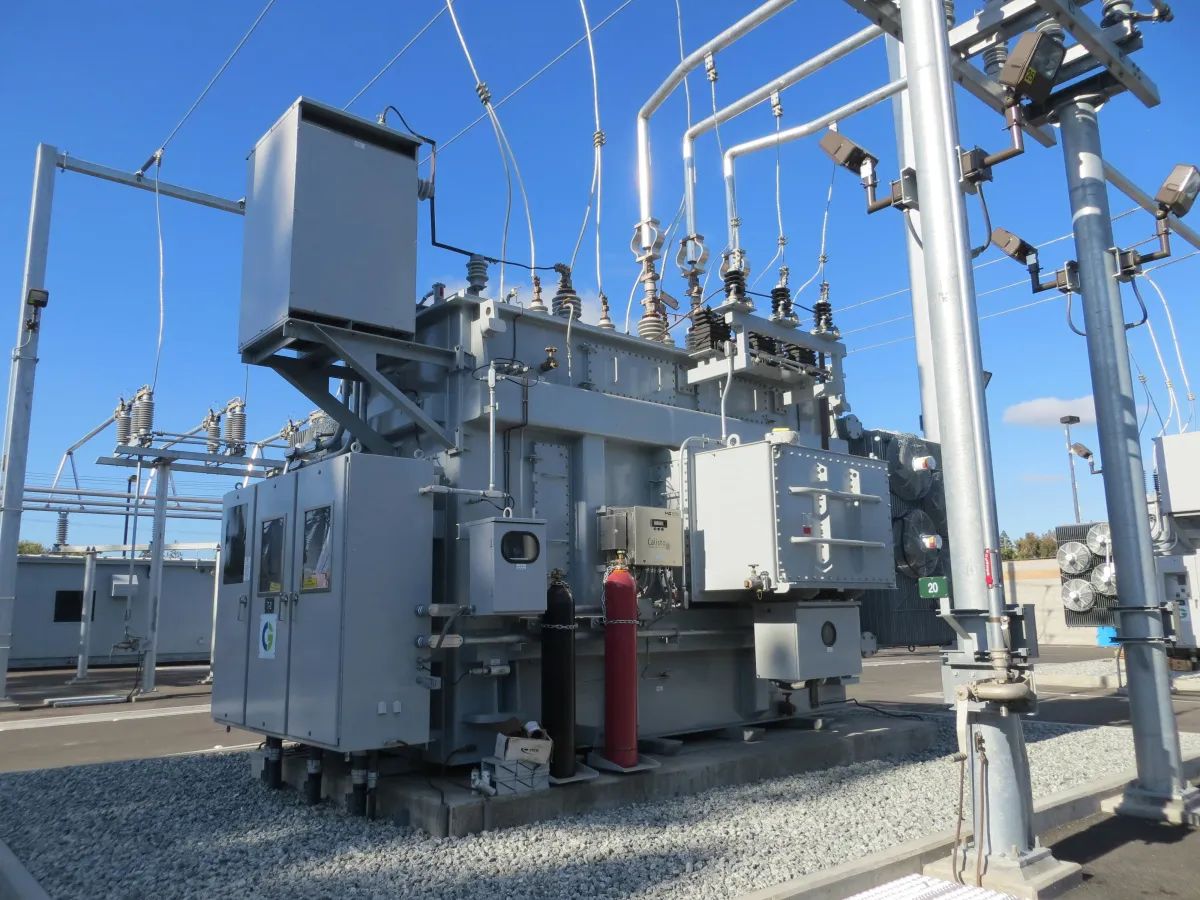
Why parallel transformers
Paralleling is worth it in three situations: the load has grown beyond one unit, you want redundancy so a failure does not stop the whole installation, or you already own two smaller units and do not want to replace them with one large one. For a growing workshop or a house that keeps adding appliances, two parallel units can be cheaper than one giant transformer.
But paralleling is not free. Two units running in parallel share the load only if they are matched, and mismatched units fight — one carries too much, runs hot, and both fail early. The rules below are the whole secret, and they are simple to follow.
The three conditions for paralleling
- Same output voltage. Both units must deliver the same secondary voltage. A 110V unit and a 115V unit cannot share.
- Same phase and polarity. The outputs must be in phase with each other, connected with correct polarity.
- Same or compatible ratings. Units with the same VA rating share evenly. Different ratings share proportionally but must be matched carefully.
The safest rule is to parallel identical models from the same batch. Identical units have the same voltage, the same phase, and the same impedance, so they share the load naturally. Mixing brands or models is where the trouble starts.

How the load divides
Here is the thing: the load does not divide by VA rating alone — it divides by impedance. Two identical units have identical impedance and share 50/50. A 3000VA and a 2000VA unit share roughly in proportion to their ratings, but only if their voltages match exactly. The closer the match, the cleaner the share. That is why we recommend same-model units for parallel duty.
When to use one big transformer instead
If the reason for paralleling is simply load growth, one large transformer is often the cleaner answer: one unit to maintain, one fuse, one RCD, no matching to think about. Paralleling earns its keep when you need redundancy — two units where one can carry the full load if the other fails — or when you already own the smaller units. If you are buying new and the load is growing, buy one size up first and think about parallel later.
Connecting and protecting parallel units
Each transformer keeps its own protection: input fuse, thermal trip and RCD on the output. The outputs join at a common bus or distribution point, and each unit gets its own breaker so a fault on one does not drag down the other. This is the redundancy the setup is for — protect it accordingly.
Common mistakes with parallel transformers
- Mixing voltages. Two units with different output voltages fight and overheat.
- Wrong polarity. Out-of-phase outputs cancel each other and draw circulating current.
- Mixing brands without checking impedance. The load share becomes unpredictable.
- No individual protection. A fault on one unit should not take down the pair.
- Paralleling when one unit would do. Redundancy is the reason; check you need it.
Why buy from a factory directly
Wilmall can supply matched pairs from the same batch for parallel duty, with test records showing the output voltage and impedance so you can verify the match. Tell us you are running parallel units and we will mark the batch so the units share cleanly. MOQ 10 pcs per model, 15-25 day lead time, FOB Ningbo or Shanghai.
Voltage matching: the non-negotiable
The single most common paralleling mistake is connecting units with slightly different output voltages. Even a 2-volt difference causes the higher unit to carry most of the load and run hot. Check the output voltage of each unit under load with a multimeter before connecting them in parallel. Wilmall supplies matched pairs with test records showing the voltages side by side.
If the voltages differ, do not parallel them. Use the units separately or return one for a match. Fighting transformers fail fast.
Circulating current and what it costs
Circulating current is the current that flows between mismatched parallel units without doing useful work. It heats both units, wastes power and ages the insulation. In a bad mismatch, the circulating current alone can trip the protection. That is why the three conditions — same voltage, same phase, compatible rating — are not suggestions; they are the difference between sharing and fighting.
The test record shows the impedance, which is the other half of the matching story. Matched impedance means matched sharing.
Redundancy design: the real reason to parallel
The strongest reason to parallel is redundancy: two units, each able to carry the full load, so a failure on one keeps the installation running. This matters for security gates, refrigeration, and any load where downtime is expensive. The design rule is simple — each unit must handle the full load alone, and each keeps its own protection so a fault is contained.
For a security gate or a cold room, that redundancy is worth the extra unit. For a household, it usually is not. Know which situation you are in.
The short version
Parallel transformers work when the units match: same voltage, same phase, compatible impedance. Identical models from one batch are the safe choice. Use paralleling for redundancy or growth, protect each unit individually, and when in doubt, one big transformer beats two small ones.
Paralleling in the real world
A workshop that started with one 3000VA unit and outgrew it is the classic parallel candidate: buy a second identical 3000VA unit, connect them correctly, and the pair shares the load with redundancy. The key word is identical — same model, same batch if possible, so the voltages and impedance match. That is the difference between a setup that shares and one that fights.
If you already own a unit and are adding a second, send us the serial and the test record. We can confirm whether a matching unit is available and what to check before connecting.
The three conditions, checked
Before you parallel anything, check the three conditions with a multimeter: output voltage of each unit under load, phase and polarity of each output, and the VA rating of each unit. The voltages must match within half a volt. The polarity must be confirmed with a safe test — wrong polarity is the fastest way to damage both units. The ratings must be compatible.
When in doubt, ask. We answer wiring questions by email or WhatsApp, and the connection diagram ships with every unit.
The short version
Parallel transformers work when the units match: same voltage, same phase, compatible impedance. Identical models from one batch are the safe choice. Use paralleling for redundancy or growth, protect each unit individually, and when in doubt, one big transformer beats two small ones.

The three conditions, checked
Before you parallel anything, check the three conditions with a multimeter: output voltage of each unit under load, phase and polarity of each output, and the VA rating of each unit. The voltages must match within half a volt. The polarity must be confirmed with a safe test — wrong polarity is the fastest way to damage both units. The ratings must be compatible.
When in doubt, ask. We answer wiring questions by email or WhatsApp, and the connection diagram ships with every unit.
The short version
Parallel transformers work when the units match: same voltage, same phase, compatible impedance. Identical models from one batch are the safe choice. Use paralleling for redundancy or growth, protect each unit individually, and when in doubt, one big transformer beats two small ones. That is the whole guide in two sentences.
Frequently asked questions
Why would I run transformers in parallel?
Paralleling handles load growth, provides redundancy so a failure does not stop the installation, or makes use of two smaller units instead of buying one large one.
What conditions must parallel transformers meet?
They must have the same output voltage, the same phase and polarity, and compatible ratings. Identical models from the same batch share the load most cleanly.
Should I buy one big transformer or two small ones?
One big unit is simpler if the goal is load growth. Two units make sense for redundancy — one must be able to carry the full load if the other fails.
Can I order matched transformer pairs?
Yes. Tell us you need parallel duty and we supply matched pairs from the same batch with matching test records.
Related reading
- Transformer VA vs Watts: What Buyers Need to Know
- Transformer Protection Devices Explained
- Step Up and Down Transformer Products
Get a factory-direct quote
Email sales@wilmall.com or WhatsApp +86 197 3022 6757 with your load details and we will advise on single versus parallel. MOQ 10 pcs.