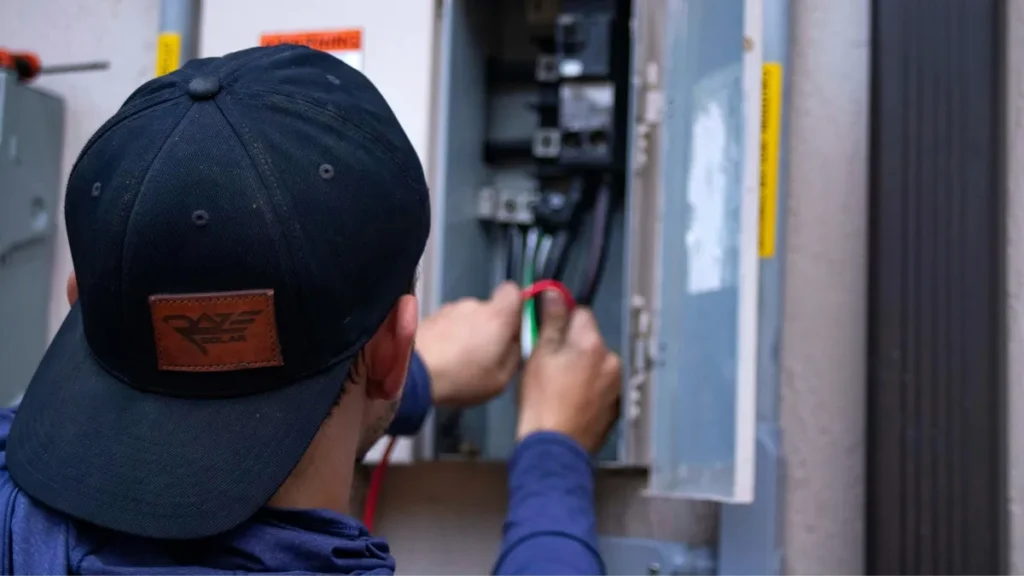
Transformer Grounding and Earthing: A Safety Guide
Grounding is the most skipped and most dangerous part of a transformer installation. A transformer can be perfectly sized and still be a hazard if it is not earthed correctly. This guide explains why grounding matters, how to earth a step down transformer properly, and the questions to ask before you connect anything.
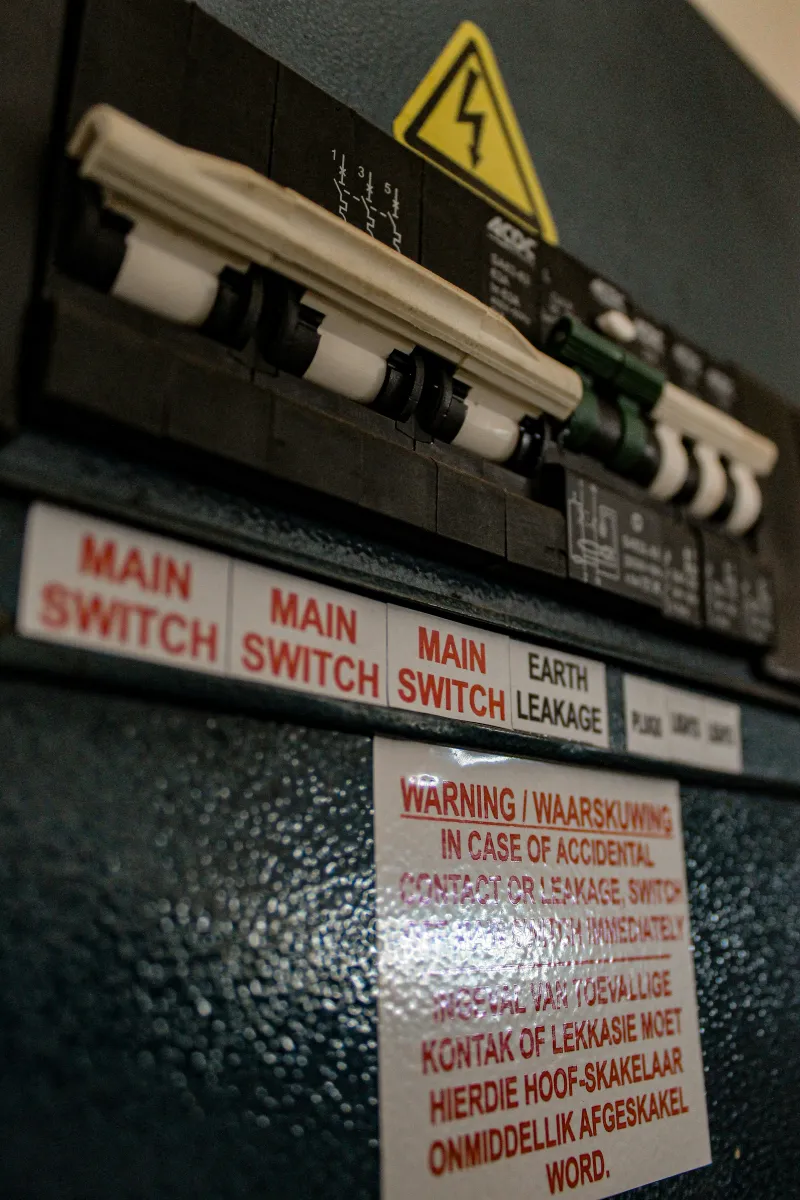
Why grounding matters
A transformer separates the supply from the appliance, but it does not automatically make the system safe. If the secondary winding develops a fault and touches the metal case, the case becomes live. Without an earth connection, that live case stays live until someone touches it. With a proper earth, the fault current flows to ground and trips the protection instead. That is the whole point of grounding: turn a hidden fault into a circuit that shuts itself off.
The second reason is noise. A grounded transformer screen and chassis reduce electrical noise, which matters for audio equipment, printers and anything with sensitive electronics. Grounding is not just a safety rule — it is part of making the equipment work correctly.
How to earth a step down transformer
- Earth the input side. The transformer primary must be connected to a properly earthed outlet or terminal.
- Earth the metal case. The chassis earth terminal connects the case to the supply earth.
- Earth the secondary when required. Some installations earth one secondary leg; floating secondaries are used for isolation in audio and medical work.
- Use the correct wire. Earth conductors should match the supply in size, never smaller.
- Never cut the earth pin. If the plug does not fit, change the plug — never remove the earth.
Floating vs earthed secondary
Here is the thing most people do not know: the secondary of an isolation transformer can be left floating (no earth reference) or earthed on one leg. Floating secondaries are used in medical, laboratory and audio installations to avoid ground loops and leakage paths. Earthed secondaries give a defined reference for the appliance. The Wilmall ST series is wired for standard earthed operation, and we can advise on floating configurations for special applications.
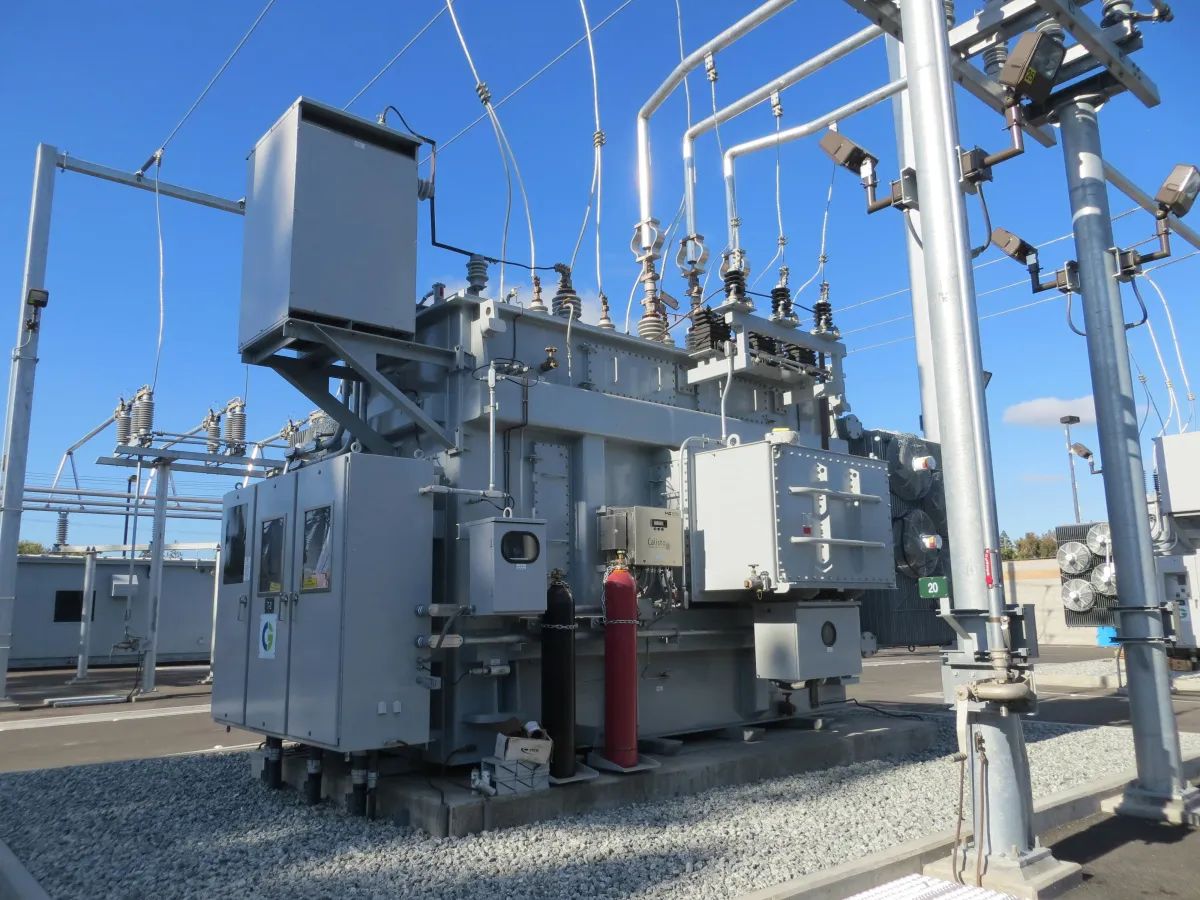
Grounding in countries with older wiring
Many buildings in the markets we serve have older wiring without a proper earth, or with the earth pin not actually connected. A transformer on such an outlet is not protected by grounding no matter what the label says. Options: install a proper earth rod, use an RCD-protected circuit (the RCD works even without a perfect earth), or have an electrician verify the outlet. The RCD in the ST series provides a second layer even where the earth is weak.
Ground loops and audio applications
Ground loops happen when two pieces of equipment are earthed at different points with a voltage difference between them, which causes hum in audio systems. An isolation transformer with a floating secondary breaks the loop. For audio and recording setups, we recommend the isolating ST series and a floating secondary configuration. This is the fix audiophiles chase for years.
Common grounding mistakes
- Removing the earth pin. The single most dangerous habit in electrical installations.
- Grounding through a water pipe. Pipes can be disconnected or painted, breaking the path.
- Oversized earth run. Long thin earth wires have resistance; keep them short and thick.
- Assuming the outlet is earthed. Verify it with a tester — many old outlets are not.
- Grounding the secondary when isolation was intended. Know which configuration you need.
Why buy from a factory directly
Wilmall transformers are built with a proper chassis earth terminal, clear earth markings, and full test records including insulation resistance. We supply installations across the Middle East, Africa and Asia, and our export engineers answer wiring questions by email or WhatsApp. MOQ 10 pcs per model, 15-25 day lead time, FOB Ningbo or Shanghai.
Grounding and RCD: the two layers
Grounding and RCD protection work together. The earth carries fault current away and trips the circuit; the RCD detects leakage and cuts the supply within milliseconds, even when the earth path is imperfect. A transformer with a proper earth terminal and a built-in RCD gives both layers. The ST series includes both as standard, which is why we recommend it for anything near water or with metal cases.
Test the RCD monthly with the test button, and check the earth continuity yearly. Two minutes of maintenance keeps the safety layers working for decades.
Grounding for portable and temporary setups
Portable transformers used on sites and at events are grounded through the supply plug. That means the outlet must be genuinely earthed, not just look earthed. If the site uses a two-pin outlet or a generator without earth, the portable transformer is only as safe as the supply. Use a properly earthed generator or an RCD-protected distribution board on sites.
For event power, we also recommend keeping the transformer off the ground on a stand, away from water, and checking the cable for damage before every use.
Grounding and surge protection
A good earth also gives surge protection somewhere to dump energy. Lightning and switching surges are diverted through the earth path instead of through the appliance. Combined with the RCD and the transformer isolation, a properly earthed installation survives events that destroy unearthed setups.
This is why we include the earth terminal and clear markings on every ST series unit, and why we ship a connection diagram with each order. Install it right the first time.
The short version
Earth the input, earth the case, earth or float the secondary as needed, and never remove an earth pin. If the building has no earth, use RCD protection as the second layer. That is the whole grounding story — and it is the difference between an installation you forget and one you regret.
Grounding and insurance compliance
In many countries, a properly earthed installation is a condition of insurance and electrical inspection. A transformer installed without earth, or with the earth pin removed, can fail inspection and void cover. Keeping the installation compliant — proper earth, correct cable, RCD fitted — protects the equipment and the business. The connection diagram we ship with each unit helps the electrician do it right the first time.
If an inspector questions the installation, the batch test record and the diagram give them the documentation they need. That paper trail is worth having on file.
The short version
Earth the input, earth the case, earth or float the secondary as needed, never remove an earth pin, and use RCD as the second layer where the earth is weak. That is the grounding rule book in one sentence. Follow it and the transformer is safe for decades.

Grounding and the neutral
In single-phase systems, the neutral is earthed at the supply, and the transformer secondary often references that earth through one leg. Do not mix the neutral and the earth at the appliance side unless the wiring diagram says so. A single bond at the right point is correct; multiple bonds create ground loops. The connection diagram on every Wilmall unit shows the right way.
Grounding for portable and temporary setups
Portable transformers used on sites and at events are grounded through the supply plug, so the outlet must be genuinely earthed. If the site uses a two-pin outlet or a generator without earth, the portable transformer is only as safe as the supply. Use a properly earthed generator or an RCD-protected distribution board, and keep the transformer off the ground on a stand.
Talk to the factory
Grounding questions are the most common messages we get, and they are easy to answer with a photo of the setup. Send us a picture of the outlet, the transformer and the appliance label, and our export engineers will confirm the right connections within 24 hours. Email sales@wilmall.com or WhatsApp +86 197 3022 6757.
Frequently asked questions
The Earth Connection: Why Grounding Is Not Optional
Grounding is the part of a transformer installation that people skip, and it is the part that prevents the dangerous failure. The earth terminal on the transformer must connect to the installation’s ground, usually through the earthed socket or a dedicated earth wire. In a fault condition, a correctly grounded transformer directs the fault current to earth and trips the protection, while an ungrounded unit can leave the case live and create a shock risk. For transformers with metal cases, the grounding requirement is absolute. For step down units feeding appliances in a home, the earthed socket provides the path, and the STU series adds RCD protection that trips on leakage. The two-minute check of confirming the earth connection is the cheapest insurance in any installation. If your wiring does not have a reliable earth, fix that before adding a transformer, not after.
Grounding Checks for Used and Second-Hand Transformers
If you buy a used or second-hand transformer, the grounding check is the first thing to do before connecting anything. Measure continuity between the earth terminal and the case with a multimeter, it should show a low resistance, confirming the case is bonded to earth. Then check between the input terminals and the case, which should show open circuit, confirming the windings are not shorted to the case. A used transformer that passes these checks can serve for many years, and one that fails them should be rejected. The grounding check takes two minutes and prevents the dangerous failure mode where the case becomes live. For new transformers, we test this at the factory and record it in the batch test report. If you are buying used, spend the two minutes, because the cost of a mistake is an electric shock.
Why does a transformer need to be grounded?
Grounding turns a hidden fault into a circuit that trips the protection. Without earth, a live case stays live until someone touches it. Grounding is the primary safety layer.
How do I earth a step down transformer?
Connect the input to an earthed outlet, earth the metal case via the earth terminal, and earth or float the secondary as your application requires. Never remove the earth pin.
What is a floating secondary?
A floating secondary has no earth reference on its output. It is used in medical, laboratory and audio installations to avoid ground loops. Earthed secondaries are standard for most appliances.
My building has no earth. What can I do?
Install an earth rod, use an RCD-protected circuit, or have an electrician verify the outlet. The RCD in the ST series provides protection even where the earth is weak.
Why does my audio hum through a transformer?
A ground loop between two earthed devices causes hum. An isolation transformer with a floating secondary breaks the loop. The isolating ST series is the fix.
Related reading
- Isolation vs Step Down Transformer
- How to Check a Transformer with a Multimeter
- Step Up and Down Transformer Products
Get a factory-direct quote
Email sales@wilmall.com or WhatsApp +86 197 3022 6757 with your application and we will advise on the right grounding configuration. MOQ 10 pcs.