How to Size a Step Down Transformer for Motors and Compressors
If you are buying a step down transformer for anything with a motor, a compressor or a pump, stop using the watts rule you use for heaters. A hair dryer draws its rated watts and that is that. A motor draws its rated watts only after it is spinning, and for the first half-second it can demand three to seven times that. Size a transformer from the running watts and the motor start will sag the voltage, overheat the unit, and trip its protection every time it kicks on. This guide is the motor-specific method we use at the factory, with the numbers you can actually apply.
Why Motors Are Different: Starting Current, Power Factor, Torque
Three physics facts drive every motor transformer decision, and they are worth stating plainly because they explain every “my transformer trips when the fridge starts” complaint we receive:
- Starting current: An induction motor at standstill behaves almost like a short circuit through its windings until it builds up back-EMF. Locked-rotor current is typically 4 to 8 times the full-load current. A refrigerator compressor that runs at 6A can pull 30A or more for a few cycles at start.
- Power factor: Motors draw real power (watts) and reactive power (VARs) together. The VA a transformer must supply is higher than the wattage on the nameplate. That is why transformers are rated in VA, not watts, and why you cannot simply match watts to VA.
- Torque scales with voltage squared: If the supply sags 10%, motor torque drops about 19%. An undersized transformer sags under the start surge, the motor struggles, draws even more current, and the loop feeds itself until something trips or overheats.
Reading a Motor Nameplate: FLA, LRA and Service Factor
Motor nameplates carry more information than appliance labels, and three numbers matter for sizing:
| Nameplate Term | What It Means | Why It Matters |
|---|---|---|
| FLA / Full-Load Amps | Current at rated load, steady running | Base number for running VA |
| LRA / Locked-Rotor Amps | Current at standstill, at the instant of start | Decides whether the transformer survives the start |
| Service Factor (SF) | Overload headroom, e.g. 1.15 | Tells you the motor can briefly exceed FLA |
For a single-phase motor on a 120V supply: running VA = FLA × 120. Starting VA = LRA × 120. If the nameplate shows LRA, use it directly. Most appliance motors do not print LRA, only FLA, so you estimate: for a refrigerator or freezer compressor, plan on 4 to 6 times FLA at start; for a pump or a workshop motor, 5 to 7 times; for a fan or blower that starts unloaded, 3 to 4 times is usually enough.
The Factory Sizing Rule for Motor Loads
Here is the rule we actually apply, and you can apply it too:
Step 1. Find FLA (or watts ÷ volts) and compute the running VA.
Step 2. Multiply running VA by the start factor: 3× for light-start fans and small compressors, 5× for refrigerators and freezers, 6× for pumps and heavy workshop motors.
Step 3. If the appliance has a hard start, a capacitor-start motor, or runs in a hot room, add one more size up.
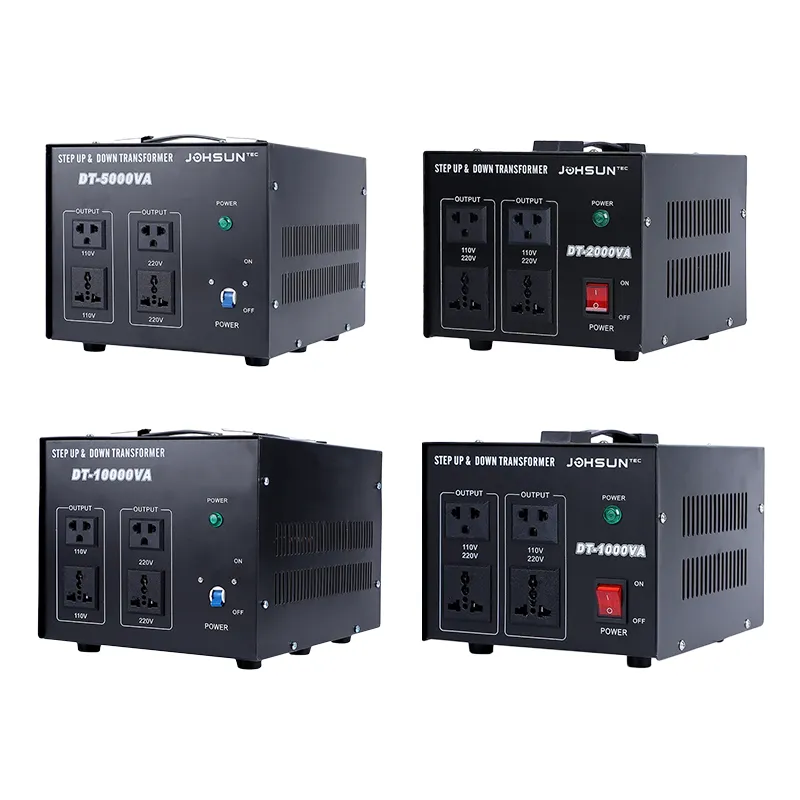
Step 4. Round up to the nearest transformer size we build: 500VA, 1000VA, 1500VA, 2000VA, 3000VA, 5000VA.
Let us run two real examples.
Example 1: US refrigerator in a 220V country. Nameplate: 120V, 6.5A full load. Running VA = 780VA. Compressor start: plan 5× = 3900VA. A 3000VA unit would run it, but it would be working hard at every start; the 5000VA unit starts the compressor without a blink and runs cool. For a single fridge we recommend 3000VA as the minimum and 5000VA as the comfortable choice, and this is exactly what our customers report back after a year of use: the 3000VA units run warm, the 5000VA units run cool.
Example 2: 1HP workshop motor. A 1HP 120V motor draws roughly 16A full load in practice. Running VA ≈ 1920VA. Starting at 5× ≈ 9600VA peak for a moment. This is why a “2000W” transformer is not enough for a 1HP motor despite the watts looking matched. You need a 5000VA unit for a single 1HP motor with a standard start, and if it drives a compressor or a saw that starts under load, consider a soft starter or a larger unit. We say this honestly because we would rather tell you before the order than test it on your machine after.
What If the Motor Still Trips the Transformer?
If a correctly sized transformer still trips on motor start, the cause is usually one of four things:
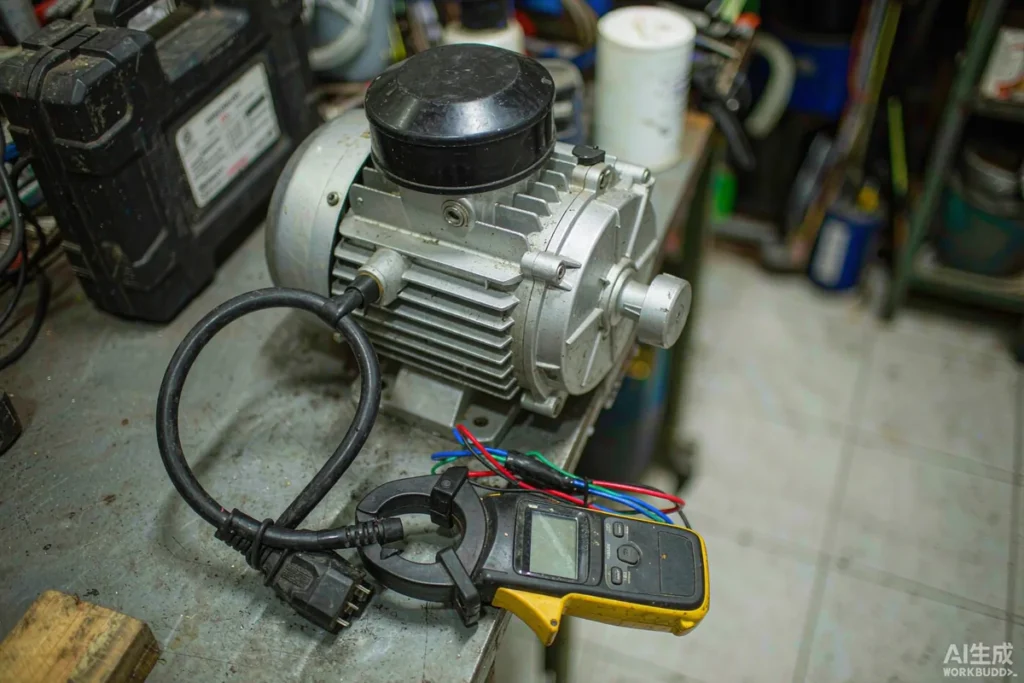
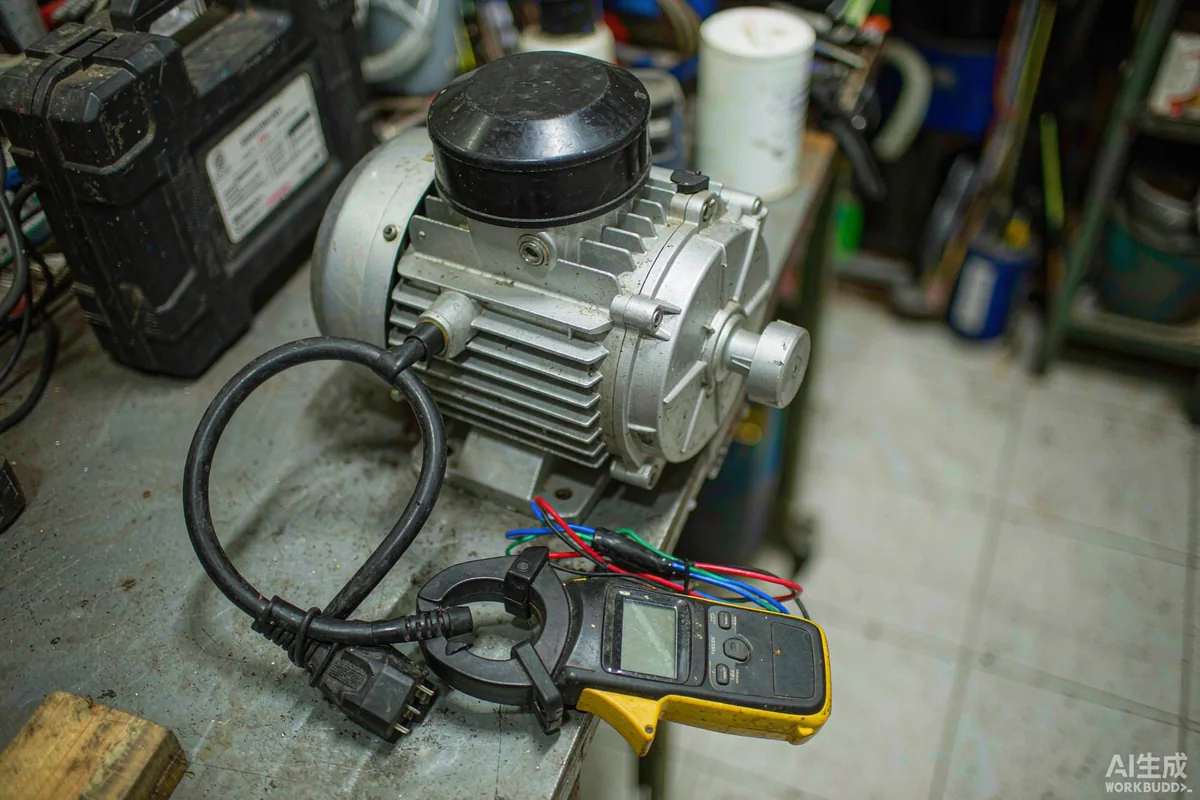
- The start load is higher than estimated. Pumps against a closed head, compressors against tank pressure, and saws under load all start harder. Measure the actual start current with a clamp meter if you can.
- Low incoming voltage. In countries with weak grids, the input sags at the moment the motor starts, and the transformer output sags further. A stabilizer or a larger transformer fixes it.
- A hard-start appliance without a start capacitor. Some compressors need a start relay and capacitor; if the appliance itself is marginal, the transformer is not the problem.
- The transformer is overrated on paper. Marketplace “5000W” units are frequently 2000VA cores. Weigh the unit and compare with the honest weight for its VA class.
If you can measure the real starting current with a clamp meter, send us the number and we will confirm whether your transformer is undersized or the appliance needs attention. Measuring beats guessing every time.
Soft Starters, Inverters and Other Ways to Reduce the Surge
You do not always need a bigger transformer. Three options reduce the start surge at the source:
- Soft starter or start capacitor: Ramp the motor voltage over a fraction of a second, cutting the start current peak dramatically. Cheap for workshop motors, and it also extends motor life.
- Variable frequency drive (VFD): For three-phase workshop motors, a VFD ramps frequency and voltage together, so the transformer only needs to cover running VA, not starting VA. This changes the whole sizing math.
- Stagger the loads: Never let two compressors start at the same moment. If a fridge and a freezer share one transformer, their start peaks can overlap and trip it even when each alone is fine.
For three-phase motor installations, the sizing is the same idea with one extra factor: three-phase VA = volts × amps × 1.732. Tell us the motor voltage, phase and FLA and we will size the three-phase transformer properly, or read our guide to three phase isolation transformers for the industrial version of this question.
The One-Number Shortcut for Home Buyers
If you do not want to do the math, use this shortcut that matches what we ship for households in 220V countries:
- Refrigerator alone: 3000VA minimum, 5000VA recommended.
- Freezer alone: same as refrigerator.
- Refrigerator plus freezer: 5000VA.
- Water pump (up to 1HP): 5000VA.
- Washing machine (US 120V type): 3000VA.
- Window air conditioner (US 120V type): 5000VA.
- Blender, vacuum, power tools: check the label, usually 2000VA covers them.
If the appliance is a modern inverter-type (refrigerators and air conditioners with inverter compressors are increasingly common), the start surge is much smaller than on fixed-speed units, and one size down is usually safe. Inverter compressors ramp up electronically, which is one more reason the future is on your side.
Capacitor-Start Motors vs Plain Motors: What Changes
Not all single-phase motors start the same way, and the start method changes the surge you have to plan for. Small appliance motors are often resistance-start or PSC (permanent split capacitor) types with modest start current. Larger motors, refrigerators and many compressors use capacitor-start designs, where a start capacitor gives the motor a hard kick of torque and the start current peaks higher for the first fraction of a second. Inverter-driven compressors, increasingly common in modern refrigerators and air conditioners, ramp electronically and have the gentlest start of all, which is why they tolerate a smaller transformer.
What this means in practice: if the appliance label or the compressor datasheet mentions a start capacitor, plan for the upper end of the start factor range. If the unit is inverter type, you can size closer to running VA with confidence. And if you are buying a transformer for a motor you have not bought yet, choose the appliance first and size the transformer to it, because matching a transformer to a motor you plan to swap later is how people end up with two transformers.
Frequently Asked Questions: Transformer Sizing for Motors
When you send us your order, include the appliance type and the country voltage and we will confirm the size in the reply, but if you want the rough answer today, the tables above cover the common cases. And when in doubt, buy one size up: a transformer running at 70% of its rating lasts longer, runs quieter and handles the occasional extra appliance, while a transformer running at 98% is a warranty claim waiting to happen. That margin is the cheapest insurance in the whole purchase.
Why does my step down transformer trip when the refrigerator starts?
Because the compressor start surge is 4 to 6 times the running load. A fridge that runs at 700W can demand over 2000W for the first moment. If your transformer is sized from running watts it is undersized for the start. Use a 3000VA unit minimum for a single refrigerator.
How do I calculate the transformer VA for a motor?
Find the full-load amps on the nameplate, multiply by the voltage to get running VA, then multiply by the start factor (3x for light-start fans, 5x for compressors, 6x for pumps). Round up to a standard transformer size. If LRA is printed, use LRA times voltage directly.
Can a soft starter reduce the transformer size I need?
Yes. A soft starter or start capacitor ramps the motor voltage and cuts the start current peak, so the transformer only needs to cover running VA. For three-phase motors, a variable frequency drive does the same and usually removes the need for start-surge headroom entirely.
What size transformer do I need for a 1HP 120V motor?
A 1HP 120V motor draws roughly 16A full load, about 1900VA running, and can pull close to 10,000VA at the instant of start. Use a 5000VA transformer for a standard-start motor, and consider a soft starter or VFD if it starts under load.
Is a 3000VA transformer enough for a refrigerator and a freezer together?
Barely, and only if the two compressors never start at the same time. When two start peaks overlap, a 3000VA unit will trip. We recommend 5000VA for a fridge plus freezer on one transformer, which starts either compressor without drama.
Have a motor appliance and want the exact VA before you buy? Send us the nameplate photo, or the model number, and tell us the country voltage. We will confirm the right unit from our step up and down transformer range. Email sales@wilmall.com or WhatsApp +86 197 3022 6757.
Related reading: transformer inrush and surge current, sizing a transformer for a washing machine, and VA vs watts explained.