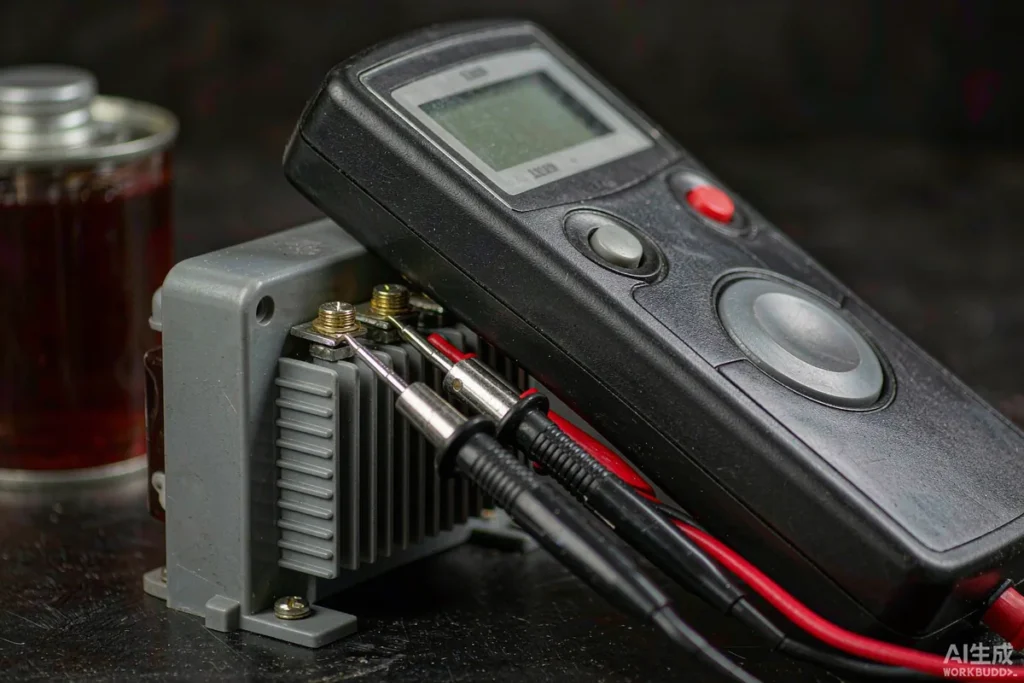
Amps to VA: How to Convert Nameplate Amps to Transformer Size
Half the appliance nameplates in the world do not tell you the watts. They tell you the amps, a number like “5.2A”, and you are left guessing whether that means a 600W or a 1200W appliance. When you are buying a step down transformer, the VA rating you need is calculated from exactly that number, and getting the conversion wrong is how people end up with a transformer that trips on day one. This guide shows the amps-to-VA conversion the way we teach it to buyers, with the tables you can copy into your order message.
The One Formula You Need for Single-Phase Appliances
For any single-phase appliance, the relationship is:
VA = Volts × Amps
Take the appliance’s rated voltage from the nameplate (usually 120V for US gear or 230V for European gear), multiply it by the nameplate current in amps, and you have the VA the appliance draws. That number is the starting point for sizing your transformer.
Two common traps hide in this simple equation:
- Do not use the local mains voltage; use the appliance’s own rated voltage. A US appliance rated 120V 5A needs 600VA of transformer output regardless of whether you feed it from a 220V, 230V or 240V country. The transformer output is 120V, so the amps rule applies at 120V.
- VA is not always watts. For a purely resistive load like a heater, VA equals watts. For motors, compressors and anything with a power factor below 1, the VA is higher than the watts. If the nameplate gives watts and amps together, size from the amps: VA = volts × amps is the honest number for transformer sizing.
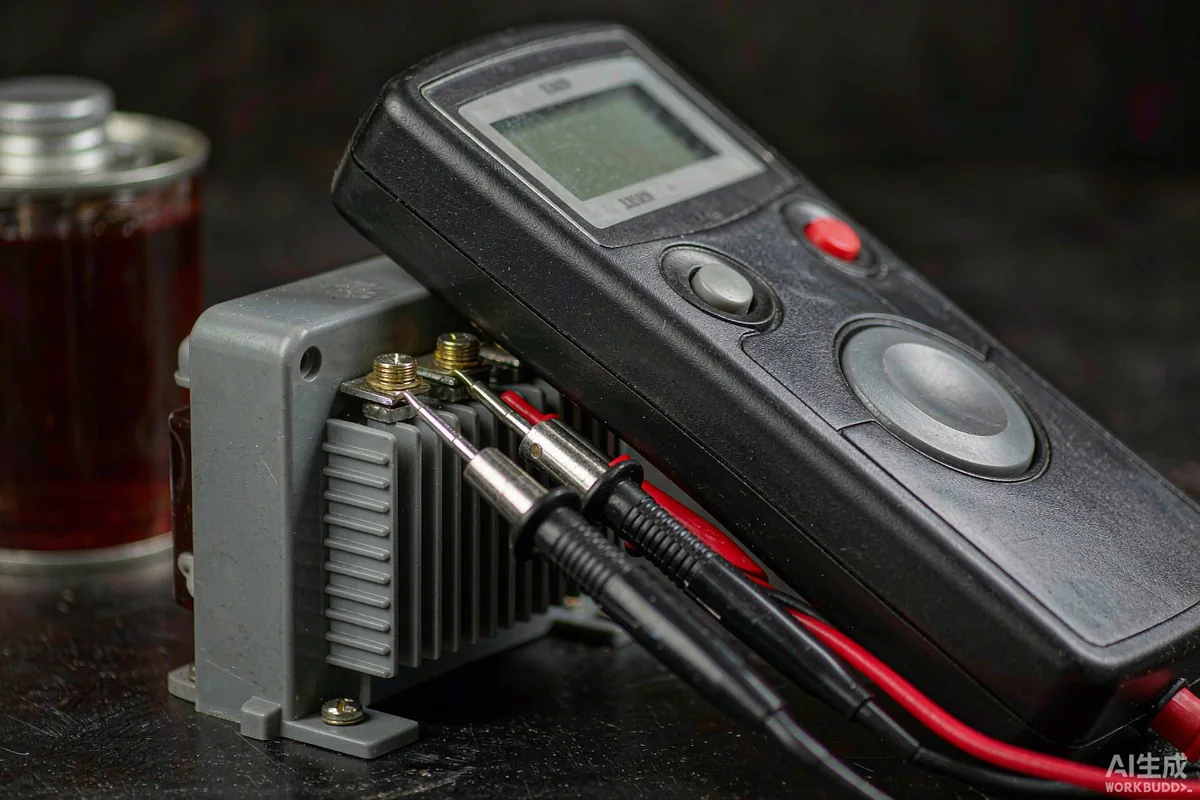
What If the Nameplate Gives Watts Instead of Amps?
Then you work backwards. Watts ÷ volts = amps, and amps × volts = VA again, so for a resistive load the VA equals the watts and you can size directly. A 1500W kettle on a 120V appliance spec needs 1500VA minimum, and with the 1.25× safety margin we recommend for heating elements, a 2000VA transformer.
For motor loads, the nameplate watts is the mechanical output in some cases and the electrical input in others, which is why we prefer amps. If only watts are shown on a motor appliance, use watts × 2 to approximate the transformer VA so the start surge is covered, then verify against the physical size of the appliance.
Common Amps-to-VA Conversions for 120V US Appliances
Here are the conversions we actually use daily for US appliances, assuming the appliance is rated 120V. Find your appliance’s amps on the left, read the running VA, then apply the start factor if it is a motor type.
| Nameplate Amps (120V appliance) | Running VA | Transformer Size We Recommend |
|---|---|---|
| 2A | 240VA | 500VA |
| 5A | 600VA | 1000VA |
| 8.3A (many heaters/kettles) | ~1000VA | 1500VA or 2000VA |
| 12.5A | 1500VA | 2000VA |
| 15A (US 1875W hair dryer class) | 1800VA | 2000VA |
| 6.5A (refrigerator compressor, run) | 780VA run, ~3900VA start | 3000VA to 5000VA |
| 16A (1HP motor, run) | ~1920VA run, ~9600VA start | 5000VA |
Notice the pattern: heating appliances convert almost 1:1 from watts to VA, while motor appliances jump several sizes because of the start surge. That is why the same 6A nameplate can mean a 1000VA transformer for a heater and a 5000VA transformer for a refrigerator compressor.
Reading the Label Like a Factory Guy
Appliances print the amps in different ways, and reading it wrong is the classic error. What to look for:
- “120V 60Hz 5.2A” means the appliance draws 5.2A at 120V. Running VA = 624VA.
- “120V 60Hz 1500W” means 12.5A at 120V. Use 1500VA as the base.
- “5.2A” with no voltage printed usually refers to the voltage the unit was sold for, which for a US unit is 120V. If you bought it in Europe it will be 230V. When in doubt, the plug shape and the plugging history tell the story.
- “Locked rotor amps” or “LRA” is the motor start current. Use LRA × volts to check the start peak; this is the number that decides if your transformer survives the first start.
If the label is in Chinese, Japanese or another language, the symbols translate the same way: the letter A stands for amps, W for watts, and V for volts in every country that follows the international system. The math does not care about the language.
Adding Multiple Appliances: The Sum That Matters
One transformer feeding several appliances must cover their combined VA, but only the appliances that run at the same time. The honest way to add them:
1. Convert every appliance to running VA.
2. Group them by when they actually run together. The TV, console and sound bar run together; the kettle and the toaster do not.
3. Add the running VA of the biggest simultaneous group.
4. If any appliance in the group is a motor type, check that the transformer handles that motor’s start surge on top of the group running load.
5. Round up to the next standard size.
A realistic example from our order history: TV (200VA) + console (350VA) + sound bar (150VA) + a refrigerator compressor (780VA run) = roughly 1480VA running together, but the fridge start adds a 3900VA peak. The customer bought a 2000VA unit, and it tripped on fridge start while the TV was on. The fix was a 3000VA unit, which holds the group load and absorbs the fridge start without dipping below the electronics’ tolerance. This is the difference between adding watts on paper and sizing for how a house actually runs.
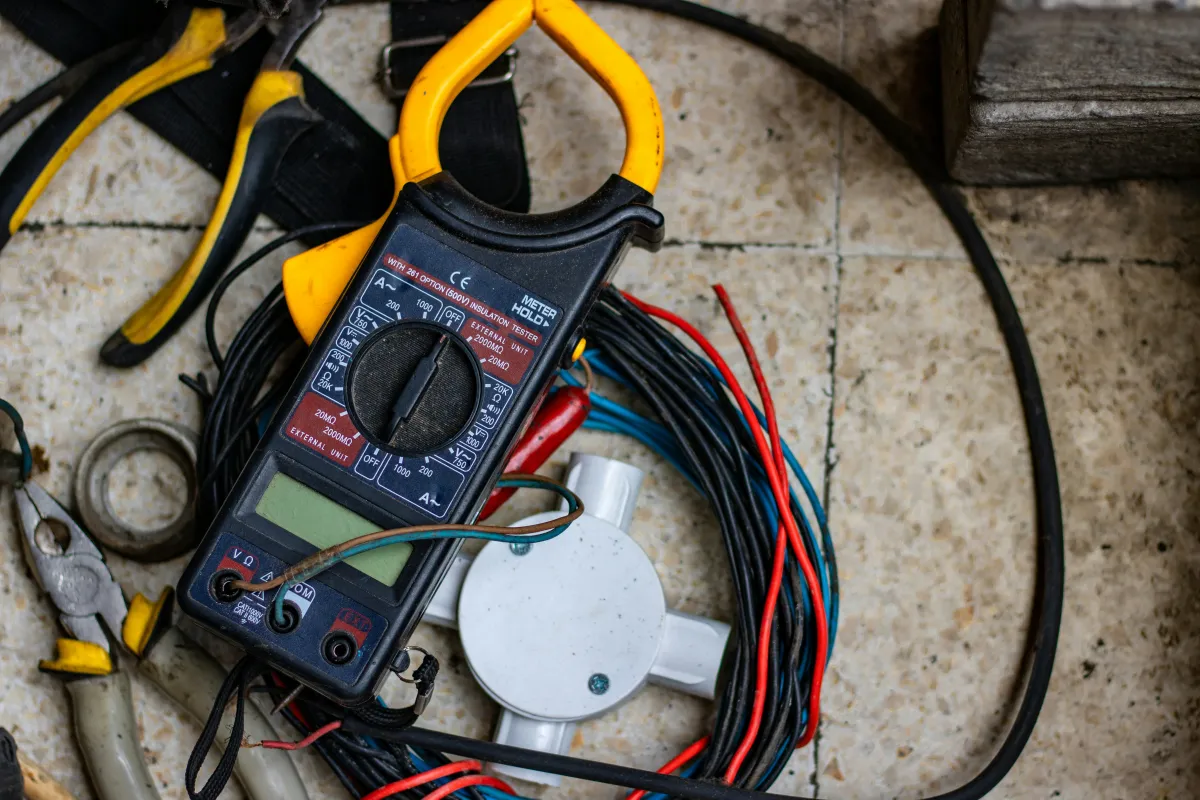
When You Need Three-Phase Math Instead
If the equipment is three-phase, the formula gains the square root of three, because three-phase power is delivered over three wires with a 120-degree phase relationship:
Three-phase VA = Volts × Amps × 1.732
A three-phase 380V motor drawing 20A per phase needs 380 × 20 × 1.732 ≈ 13,160VA, not the 7600VA you would get with the single-phase formula. Getting this wrong by a factor of nearly two is a costly mistake on industrial equipment, and it is the most common error we see on three-phase orders. When in doubt, send us the nameplate and we will do the math for you.
Why the Same Appliance Shows Different Amps in Different Countries
Here is a confusion that comes up constantly: the same blender sold in the US and in Europe carries different amp figures on the nameplate, and buyers think one of them is wrong. It is not. Power is the product of voltage and current, so an appliance that draws 1200W lists 10A at 120V in the US version and about 5.2A at 230V in the European version. The wattage is nearly the same, the amps differ because the voltages differ. When you convert amps to VA for transformer sizing, always use the voltage the appliance was built for, which is printed on its own nameplate, never the mains voltage of the country you are in now.
That is also why you cannot compare two appliances by amps alone across different voltage classes. A 5A appliance at 120V (600VA) is a very different thing from a 5A appliance at 230V (1150VA). If the nameplate is missing or worn, the safest assumption for a US-market device is 120V, and for a European-market device 230V, and if you are wrong, the transformer output voltage you ordered will usually reveal it in the first test run.
Frequently Asked Questions: Amps to VA Conversion
For a quick estimate without a calculator, remember the standard VA sizes and where everyday loads land: a phone or laptop charger is under 150VA, a TV and decoder around 200-300VA, a blender 500-800VA, a kettle or toaster 1000-1500VA, a hair dryer 1500-1900VA, and refrigerators, freezers and pumps sit in the range where the start surge, not the running load, picks the transformer. When the total lands between two standard sizes, choose the larger one; the price difference between 2000VA and 3000VA is small compared with the cost of a unit that trips on the first busy evening.
And if the whole exercise still feels like guesswork, send us the nameplate photos and we will return the VA calculation and the recommended model in one message. It costs nothing and it removes the only question that actually matters, which is whether the transformer you receive will start the loads you connect.
The whole conversion, in one line: read the amps, multiply by the appliance voltage, apply the start factor if it has a motor, and round up to the nearest standard VA size. Keep that line on your phone and you will never buy the wrong transformer again.
How do I convert amps to VA for a transformer?
For single-phase appliances, multiply the nameplate amps by the appliance voltage: VA = volts x amps. A 120V appliance drawing 5A needs 600VA. For three-phase equipment, use VA = volts x amps x 1.732, then add start-surge margin for motor loads.
Is VA the same as watts when sizing a transformer?
Only for resistive loads. Motors and compressors have a power factor below 1, so their VA is higher than their watts. Size transformers from VA (volts x amps) rather than watts, and add a start factor of 2 to 6 times for motor appliances.
What transformer do I need for an appliance rated 120V 15A?
A 15A 120V appliance draws about 1800VA. If it is a heating appliance, a 2000VA transformer covers it. If it is a motor or compressor type, the start surge can exceed the running VA several times, so size up to 3000VA or 5000VA.
My appliance label only shows watts, how do I size the transformer?
For a resistive load, VA equals watts, so size directly with a 1.25x margin. For motor appliances, multiply the watts by at least 2 to cover the starting surge, or find the amps and use VA = volts x amps. When in doubt send the factory the nameplate photo.
How many VA do I need for multiple appliances on one transformer?
Convert each appliance to VA, add the appliances that run at the same time, and round up to a standard size. If any appliance is a motor type, make sure the transformer also absorbs that motor’s start surge on top of the group load.
Nameplates confusing you? Send us a photo of the label, or just the model number and country, and we will return the exact transformer size, no obligation. Email sales@wilmall.com or WhatsApp +86 197 3022 6757, or use our transformer sizing calculator for a quick number.
More depth: how to calculate transformer VA rating, VA vs watts for buyers, and our step up and down transformer range.