Transformer IP Rating: Choosing for Dust and Moisture
IP (Ingress Protection) ratings tell you whether a transformer is sealed against dust and water. The right IP rating depends on the installation environment — dry indoor, kitchen, bathroom, outdoor sheltered, outdoor exposed or submersible. This guide explains the IP rating system and how to choose the right rating for your application.
What is an IP rating
IP (Ingress Protection) ratings classify the degree of protection an enclosure provides against intrusion by solids (first digit) and liquids (second digit). A transformer with IP20 is protected against fingers but not water; IP54 is dust-protected and splash-resistant.
Common IP ratings explained
| Rating | Solids | Liquids | Use case |
|---|---|---|---|
| IP20 | Fingers | None | Dry indoor locations |
| IP21 | Fingers | Dripping water | Indoor with occasional moisture |
| IP44 | Wires, tools | Splashing water | Bathrooms, outdoor sheltered |
| IP54 | Dust-protected | Splashing water | Kitchens, outdoor exposed |
| IP65 | Dust-tight | Water jets | Outdoor unprotected |
| IP67 | Dust-tight | Immersion up to 1m | Submersible applications |

What IP rating do step-down transformers need
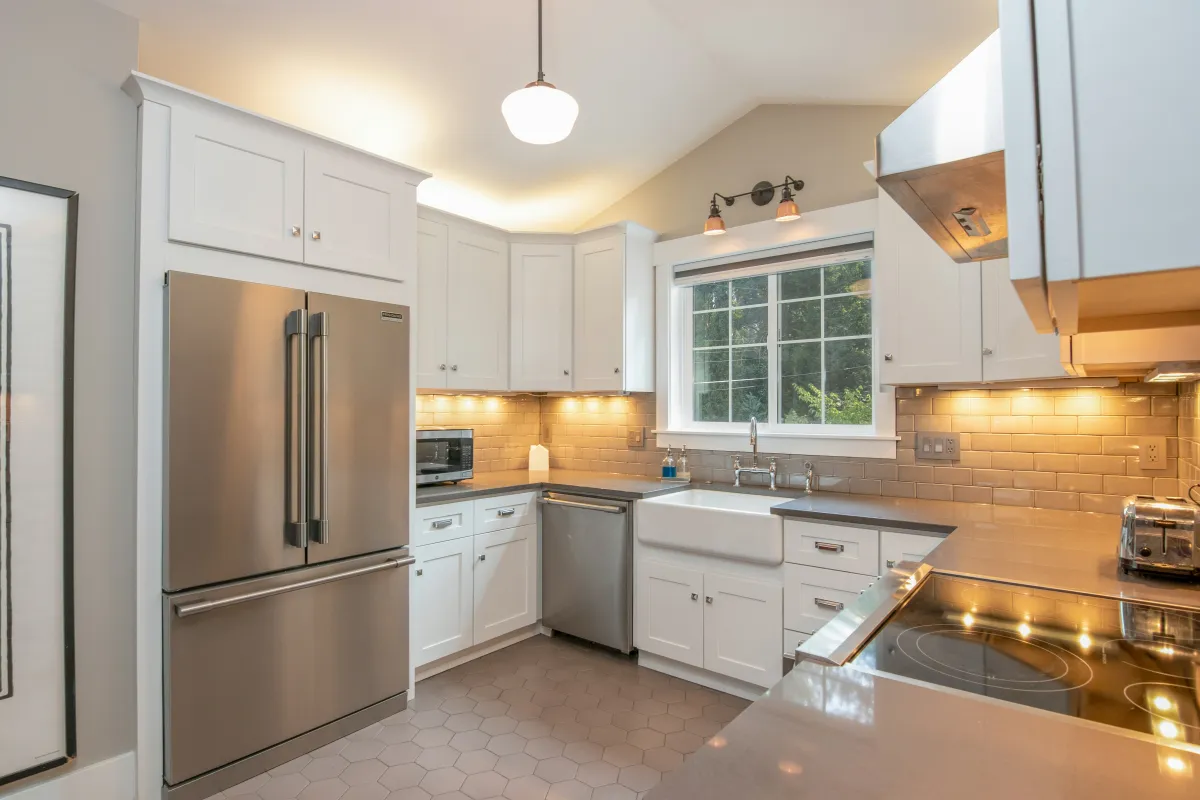
For most home and office installations, IP20 is sufficient. For kitchens, bathrooms and outdoor locations, IP54 is recommended. For unprotected outdoor use, IP65. Submersible installations (aquarium, fountain, pond pumps) need IP67.
Why Wilmall ST series uses IP20
Most indoor installations do not need higher protection. IP20 enclosures are smaller, lighter and cheaper to manufacture. For outdoor or wet location installations, ask us about IP54 or IP65 enclosures on the ST series.
How to choose the right IP rating
Match the IP rating to the installation environment. Indoor dry = IP20. Indoor wet = IP44 or IP54. Outdoor sheltered = IP54. Outdoor exposed = IP65. Submersible = IP67. Over-specifying wastes money; under-specifying risks damage and shock.
IP ratings for aquarium and pond transformers
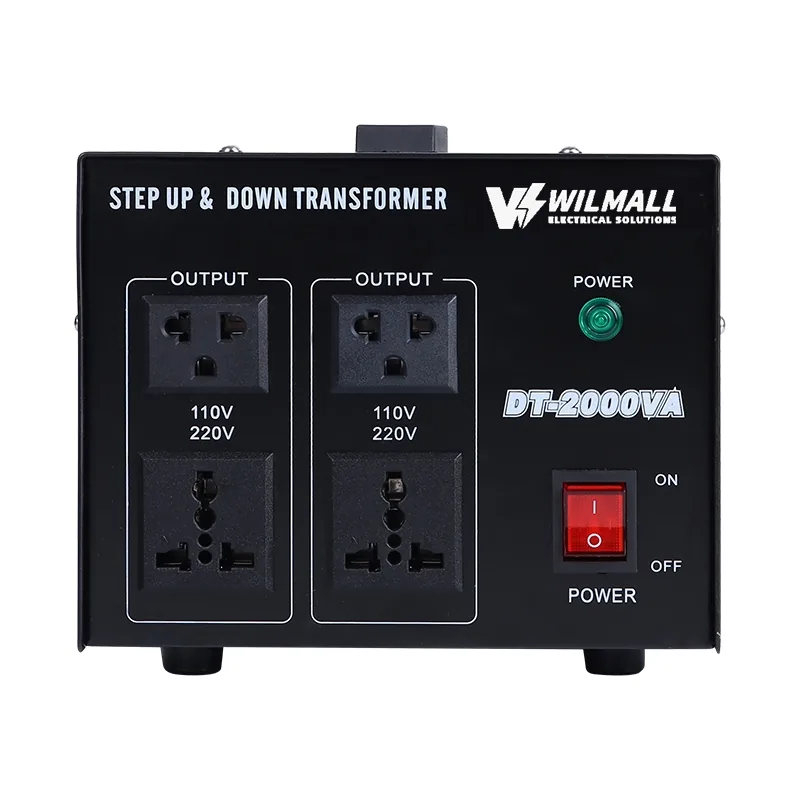
Aquarium and pond installations need IP54 minimum. For an outdoor koi pond pump installation, IP54 or higher is the safe choice. Indoor aquarium equipment mounted under the tank in a cabinet can use IP20 because the location is dry.
IP ratings for construction site transformers
Construction sites are dusty and sometimes wet. IP54 is the minimum. For unprotected outdoor sites, IP65 is the safer choice. Wilmall ST and STU series can be built with IP54 or IP65 enclosures on request.
Common mistakes
- Using IP20 outdoors. Rain and dust ingress damage the transformer.
- Using IP65 indoors unnecessarily. Larger and more expensive than needed.
- Confusing IP rating with waterproof rating. IP65 is water-jet resistant, not submersible.
IP Ratings and the Environment You Are Buying For
Match the IP rating to the environment, and you save money without risking the unit. For a normal living room, bedroom, or office, IP20 is enough, because the transformer sits inside a ventilated enclosure or on a shelf where it is not exposed to water jets or heavy dust. For a workshop, garage, or factory floor where metal dust and debris are common, consider IP54 or an IP20 unit inside a closed cabinet, because dust settles on windings and reduces cooling. For outdoor use, such as garden lighting, pond pumps, or construction sites, you need at least IP65, and even then the unit must be mounted with the cable glands pointing down so water drains away. One thing buyers often get wrong: an IP65 rating means protected against water jets, not that the unit can be submerged. If your application could see standing water, you need a proper outdoor enclosure around the transformer, not just a higher IP number. And remember the other side: IP65 units cost more and run hotter because the sealed case holds heat in. Pick the lowest rating that genuinely covers your environment, and you get the best balance of price, cooling, and protection.
What does IP rating mean on a transformer?
IP ratings classify enclosure protection against solids (first digit) and liquids (second digit). Higher numbers mean better protection.
What IP rating do I need for an indoor transformer?
IP20 is sufficient for most indoor dry locations. For kitchens or bathrooms, choose IP44 or IP54.
What IP rating for outdoor transformer installations?
IP54 for sheltered outdoor, IP65 for exposed outdoor. IP67 for submersible.
What IP rating for aquarium and pond transformer?
IP54 minimum for aquarium and pond installations. IP67 if the transformer may be submerged.
Where can I buy a transformer with a specific IP rating?
Wilmall builds ST series step-down transformers with IP20, IP54 or IP65 enclosures. Factory direct from Yueqing, China.
Related reading
Get a factory-direct quote
Email sales@wilmall.com or WhatsApp +86 197 3022 6757.
How IP ratings work
IP ratings have two digits. The first digit (0-6) is protection against solids: 0 means no protection, 5 means dust-protected, 6 means dust-tight. The second digit (0-8) is protection against liquids: 0 means none, 4 means splashing water, 5 means water jets, 7 means temporary immersion, 8 means continuous immersion.
Why IP rating matters for transformer placement
A transformer with IP20 (typical indoor enclosure) has ventilation slots that let dust in and provide no water protection. Placing it outdoors or in a kitchen splash zone risks water ingress and failure. Matching the IP rating to the environment is essential for safety and reliability.
IP ratings for different environments
Dry indoor rooms: IP20 is fine. Kitchens, bathrooms and covered outdoor areas: IP44 or IP54. Unprotected outdoor installations: IP65. Submersible or flood-prone areas: IP67 or IP68. Wilmall ST series is available in IP20, IP54 and IP65 enclosures on request.
IP rating versus waterproof
IP65 is water-jet resistant, not submersible. Many buyers misunderstand this and use IP65 transformers in flood-prone areas. If the installation may be submerged, choose IP67 or IP68. Clarify the actual water exposure before choosing.
IP rating and ventilation trade-off
A higher IP rating usually means a more sealed enclosure, which reduces natural ventilation and can increase operating temperature. For continuous-duty transformers in hot climates, balance the IP rating with ventilation needs — an IP54 enclosure with a small vent fan may be the right choice.
How to specify the right IP rating
Tell your supplier the installation environment: indoor dry, indoor wet, outdoor sheltered, outdoor exposed, or submersible. Wilmall will recommend the correct IP rating and enclosure. For most home and office installations, IP20 is sufficient; for kitchens and outdoors, IP54 or higher.
Common IP rating mistakes
Using IP20 outdoors, using IP65 indoors unnecessarily (larger and hotter), and confusing water-jet resistance with waterproof are the most common mistakes. Match the rating to the environment, not to the most expensive option.
Buying transformers with the right IP rating
Wilmall builds ST series step-down transformers in IP20, IP54 and IP65 enclosures, factory direct from Yueqing, China. Specify your environment when ordering and we will match the enclosure. MOQ 10 pcs, 15-25 day lead time, full documentation.
IP rating and corrosion in coastal areas
Coastal installations face salt-laden air that corrodes exposed metal and terminals. An IP54 or IP65 enclosure reduces salt ingress, and galvanised or powder-coated cases resist corrosion. For coastal transformers, specify IP54 minimum and ask about corrosion-resistant finishes. Wilmall builds ST series with suitable enclosures for coastal use.
IP rating and tropical humidity
In tropical climates, condensation forms inside enclosures when the temperature changes. A sealed enclosure (IP65) reduces condensation but traps heat; an IP54 with breather and desiccant is a common solution. Wilmall advises the right enclosure for tropical installations.
How to verify an IP rating
IP ratings are tested standards. Ask the supplier for the IP rating certificate or the test method used. Wilmall documents the enclosure rating on the datasheet and can provide the test certificate on request.
Buying with the right IP rating
Tell Wilmall your installation environment and we match the enclosure: IP20 for indoor dry, IP54 for kitchens and sheltered outdoor, IP65 for exposed outdoor. Factory direct from Yueqing, China, with MOQ 10 pcs.
IP rating and indoor placement
For most indoor installations, IP20 is sufficient and provides the best ventilation. A kitchen or laundry room with splashing water needs IP44 or IP54. The right IP rating balances protection and cooling — higher protection usually means less airflow, so choose carefully.
IP rating and warranty
Using a transformer outside its intended IP rating can void the warranty. If a unit fails due to water ingress in an area that required a higher rating, the claim may be refused. Choose the correct IP rating from the start to protect your investment.
Buying with the right IP rating
Wilmall builds ST series in IP20, IP54 and IP65 enclosures. Specify your environment and we match the enclosure, with the rating documented on the datasheet. Factory direct from Yueqing, China, with MOQ 10 pcs.
Common environments and recommended ratings
Living room and bedroom: IP20. Kitchen and laundry: IP44 or IP54. Garage and workshop: IP54. Outdoor sheltered: IP54. Outdoor exposed: IP65. Flood-prone areas: IP67. A quick reference like this helps you choose correctly without over-spending.
Final summary
Match the IP rating to the installation environment to protect the transformer and the user. Wilmall builds ST series in IP20, IP54 and IP65 enclosures, with the rating documented on the datasheet. Contact sales@wilmall.com with your environment for a recommendation.
IP rating and inspection
Before installing, inspect the enclosure gaskets and vents. A damaged gasket or blocked vent reduces the effective IP rating. Wilmall inspects every unit before packing and provides a clean, intact enclosure with the correct rating for your order.
Choosing between IP54 and IP65
IP54 resists splashing water and dust; IP65 resists water jets and is dust-tight. For sheltered outdoor areas, IP54 is adequate. For exposed outdoor areas where rain hits the case directly, IP65 is the safer choice. Wilmall builds both.
Contact Wilmall for the right IP rating
Email sales@wilmall.com or WhatsApp +86 197 3022 6757 with your installation environment. Wilmall matches the enclosure — IP20, IP54 or IP65 — to your needs, with the rating documented on the datasheet. MOQ 10 pcs, factory direct from Yueqing, China, 15-25 day lead time.
Final recommendation
For most indoor installations, IP20 is the economical choice. For kitchens, bathrooms, outdoor and humid environments, choose IP54 or IP65. Wilmall builds ST series in all three ratings, factory direct from Yueqing, China, with the rating documented on every datasheet.
Contact Wilmall
Email sales@wilmall.com or WhatsApp +86 197 3022 6757 with your environment and requirements. Wilmall recommends the right IP rating and enclosure, with datasheets and test certificates provided. MOQ 10 pcs, factory direct from Yueqing, China, 15-25 day lead time.