Transformer Efficiency and Energy Loss Explained
A step down transformer is not a perfect machine, and the energy it loses shows up as heat. Buyers sometimes ask whether a transformer running warm is wasting electricity, and the answer is yes, a little, but how much depends on the build quality and the load. Here is what efficiency actually means for a transformer on your 110V setup.
Where the losses come from
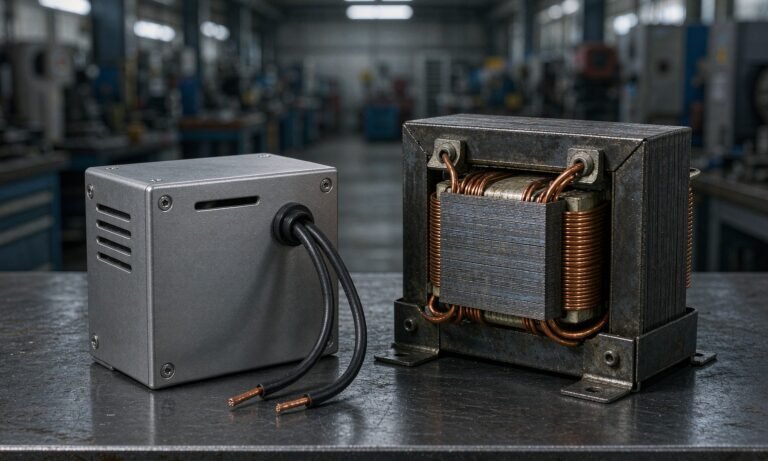
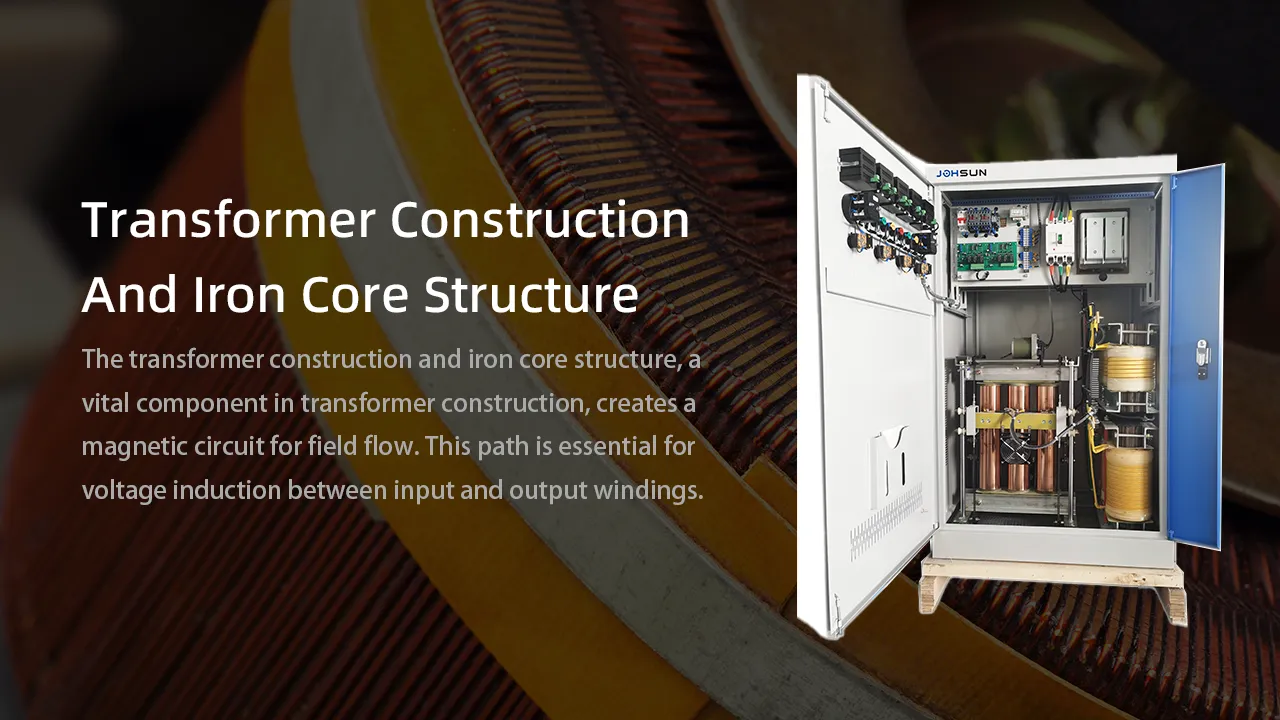
A transformer has two kinds of loss. Iron loss (core loss) is the energy used to magnetize and demagnetize the laminated core 50 or 60 times every second. It is constant, whether the transformer is loaded or idle, and it depends on the core material and the input voltage. Copper loss is the resistance heating in the windings under load, and it grows with the square of the current.
At no load, a transformer still draws a small magnetizing current and loses the iron-loss wattage. At full load, the copper loss dominates. Total efficiency is what remains after both are subtracted from the input power.
Real efficiency numbers
A well-built copper-wound step down transformer runs at 90 to 97% efficiency at full load. The iron loss is typically 1 to 3% of rating, and the copper loss 3 to 7% at full load. For a 1000VA unit running at 800W, a 94% efficiency means about 50W lost as heat, which is why a loaded transformer feels warm.
Cheap aluminum-wound transformers are the problem. They can lose 10 to 20% of the power as heat because aluminum has higher resistance than copper and the core is often undersized. That wasted power shows up as a higher electricity bill and a transformer that runs too hot to touch.
Why partial load is less efficient
Here is the counterintuitive part: a transformer is most efficient at or near full load, and less efficient at light load, because the iron loss stays constant while the useful output drops. A 1000VA transformer running a 100W appliance is burning the same iron-loss watts as one running 900W, so the efficiency at 100W load is much lower in percentage terms.
This does not mean you should undersize your transformer. The absolute wasted watts are still small, and running a transformer near its limit shortens its life far more than the efficiency gain is worth. Size for the 80% rule, accept the small light-load loss, and enjoy the reliability.
Choosing an efficient transformer
Three things to check: copper windings (not aluminum), a properly sized silicon steel core with tight laminations, and a published efficiency figure or at least a VA rating you can trust. Our ST series uses copper windings, cold-rolled silicon steel cores, and holds above 93% efficiency at typical household loads.
If a transformer runs hot at idle or under light load, that is iron loss working against you, a sign of poor core material or wrong input voltage. It is also the most common cause of the humming sound buyers complain about.
For more on transformer fundamentals, see our VA vs Watts guide and the lifespan and replacement guide.
Idle power consumption
One number buyers rarely think about is the idle draw. A transformer that is plugged in but running no load still draws a small magnetizing current, typically 2 to 4% of its VA rating. A 1000VA transformer at idle draws about 20 to 40 watts of reactive power and a few watts of real power, just to keep the core magnetized.
For a transformer that stays plugged in 24/7, that idle draw is a cost. If it is real power, it shows on your meter. The fix for a transformer that only runs occasionally, like a travel setup, is to unplug it when it is not in use. For one that runs a fridge or a vending machine all day, the idle loss is a small fraction of the load power and not worth worrying about.
Comparing efficiency claims
When you see an efficiency figure on a datasheet, check what load it was measured at. A transformer that claims 97% efficiency may have been measured at full load with a purely resistive load, which flatters the number. The same unit at 30% load with a motor load will be less efficient. The honest comparison is the efficiency at the load you actually plan to run, not the headline number.
We publish the efficiency of the ST series at three points: no load, 50% load, and 100% load, on the spec sheet for each model. If a supplier cannot give you all three numbers, treat the single headline number with suspicion. And if the unit feels warm at no load, the iron loss is high, which means poor core material and a transformer that will run hot under load.
For importers comparing suppliers, the three-point efficiency table is one of the first things to ask for, along with the winding material and the test report.
Thermal cameras and hotspot checks
In our factory we test every ST unit with a thermal camera at full load, and the hotspot pattern tells us instantly whether the winding balance is right. You can do a simpler version of the same check at home: run the transformer at a known load for an hour, then feel the case with your hand. An even warmth across the case is normal. A hot spot on one corner or one side points to a winding fault or a loose joint.
If you have access to a thermal camera, the check is faster and more precise. A healthy transformer under load shows a warm winding zone, a much cooler core, and no hot spot on the terminals. If a terminal is visibly hotter than the winding, the connection is loose, which is the classic cause of intermittent failures.
Efficiency vs longevity tradeoff
There is a tension between efficiency and longevity that buyers should understand. A transformer sized right at its load runs at peak efficiency, but it also runs at its thermal limit, which shortens its life. A transformer oversized by one step runs slightly less efficiently at light load, but it runs cooler and lasts far longer.
Our recommendation is to prioritize longevity over peak efficiency for appliances that run continuously, because the transformer’s replacement cost and downtime dwarf the small efficiency loss. For a transformer that runs only occasionally, like a travel unit, size it close to the load and accept the higher temperature, because the duty is short.
Standby power and regulations
Some regions regulate the standby power of electrical products, and a transformer that idles at a high wattage can draw attention in energy audits. Our ST series idles at 2 to 4% of rating, which is typical and acceptable, but no-name transformers with poor core material can idle at 8 to 10% of rating, wasting real power 24 hours a day.
For a transformer that stays plugged in all the time, the idle loss is part of your running cost. The honest way to compare is the no-load power in watts printed on the spec sheet. If a supplier will not give you that number, assume the core is poor and the idle loss is high.
Appliance-level efficiency
The transformer is only part of the efficiency picture. The appliance behind it, especially a motor or a compressor, has its own efficiency, and it degrades when it runs undervoltage. A transformer that sags the output forces the appliance to draw more current to deliver the same power, which lowers the appliance efficiency and adds heat.
The chain works in reverse too. A fridge with a worn compressor draws more, which loads the transformer harder, which runs hotter, which lowers its efficiency. The two losses compound. Keeping the transformer correctly sized and the appliance healthy is the whole efficiency game, neither side can fix the other.
Utility bills in practice
What does transformer loss actually cost on a bill? For a household running 300W of 110V loads for 6 hours a day through a 94% efficient transformer, the loss is about 18W average, roughly 40 kWh a year, worth a few dollars on most tariffs. For a business running 2000W for 12 hours a day, the loss is about 130W average, roughly 570 kWh a year, which starts to matter.
The message is the same at both scales: the transformer’s own loss is small, but an undersized or cheap unit with 10% loss doubles the waste and runs hot. The 94% efficiency of the ST series at typical loads keeps the loss, and the bill, honest.
The efficiency conversation also has a sizing component. A transformer measured at 97% efficiency at full load is a very different product from one measured at 94% at half load, and the datasheet rarely says which. When you compare units, ask for the efficiency at the load you plan to run, not the headline number. For most household buyers, the difference between 93% and 96% efficiency is a few dollars a year, so the efficiency claim should not drive the purchase. The winding material, the core quality, and the warranty are the decisions that actually matter, and the efficiency follows from them.
How efficient is a typical step down transformer?
A well-built copper-wound step down transformer runs at 90 to 97% efficiency at full load. Losses are roughly 1 to 3% iron loss (core magnetizing) and 3 to 7% copper loss (winding resistance). At partial load, efficiency is lower because the iron loss stays constant.
Do cheap transformers waste more electricity?
Yes. Aluminum-wound and undersized-core transformers can lose 10 to 20% of the power as heat, especially under load. That wasted power shows up as heat and a higher electricity bill. Our ST series with copper windings and a properly sized core stays above 93% at typical household loads.
What is iron loss and copper loss?
Iron loss (core loss) is the energy used to magnetize and demagnetize the core 50 or 60 times per second. It is constant whether the transformer is loaded or not. Copper loss is the resistance heating in the windings under load. Total efficiency is what remains after both.
Does a bigger transformer waste more when running small loads?
A larger transformer has higher iron loss because the core is bigger, so at very light loads a big unit is slightly less efficient than a smaller one. But the difference is small and the reliability gain from headroom usually outweighs it. For a small appliance, match the size; for a large one, oversize.