How Long Do Transformers Last and When to Replace Them?
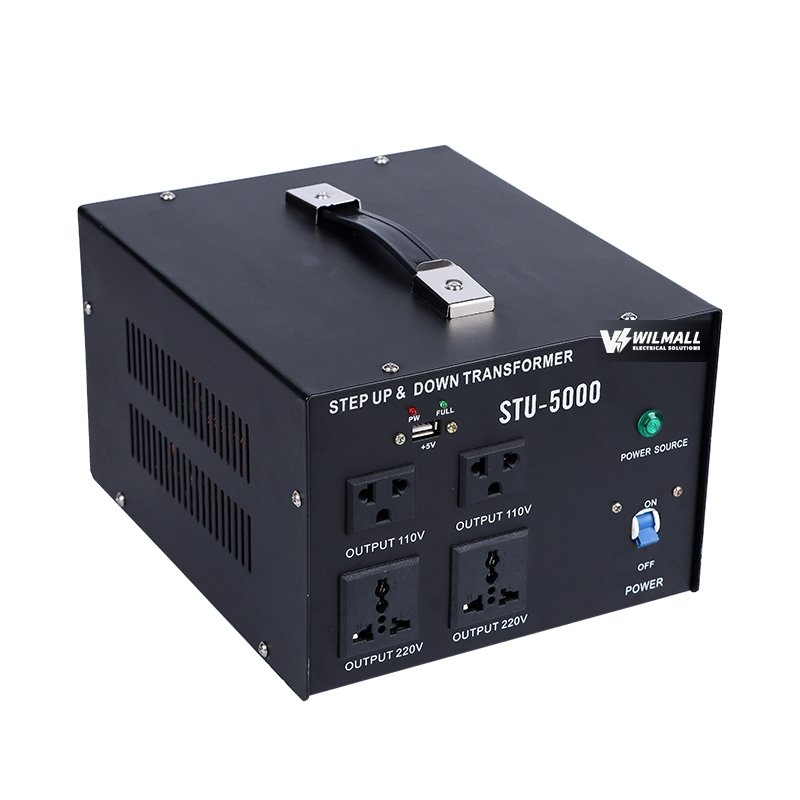
Most buyers ask about watts and volts, but few ask the question that saves real money: how long do transformers last, and when should you replace them? A good quality step down transformer 220V to 110V is designed for decades of service – typically 20 to 40 years – because it has no moving parts. But lifespan depends on load, heat, humidity and build quality, and every transformer eventually gives warning signs that it is time for a replacement. This guide covers realistic lifetimes, the signs of failure, and how to extend the life of your unit.
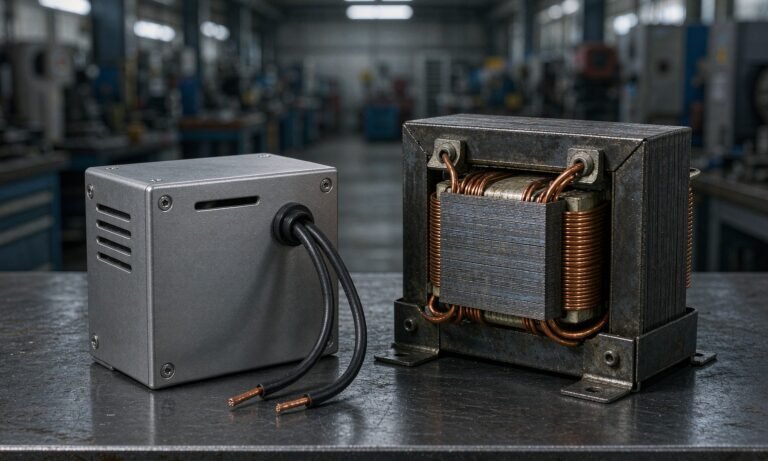
Transformers fail differently from electronics. There is no software to corrupt and no battery to age; the failure modes are insulation breakdown, winding overheating, and mechanical damage to the core or terminations. That is why a transformer that is correctly sized and kept cool can outlive the appliances it powers.
How Long Do Step Down Transformers Last: The Real Numbers
Engineers rate transformer life using the 10-degree rule: for every 10 degrees Celsius that winding temperature rises above the design limit, insulation life halves. A well-built transformer operating at 70% load in a ventilated room can exceed 30 years of service. The same transformer running flat-out in a closed cabinet may fail in 5 to 8 years because the insulation slowly bakes. Cheap units with undersized copper and thin varnish can fail within 2 years under continuous load.
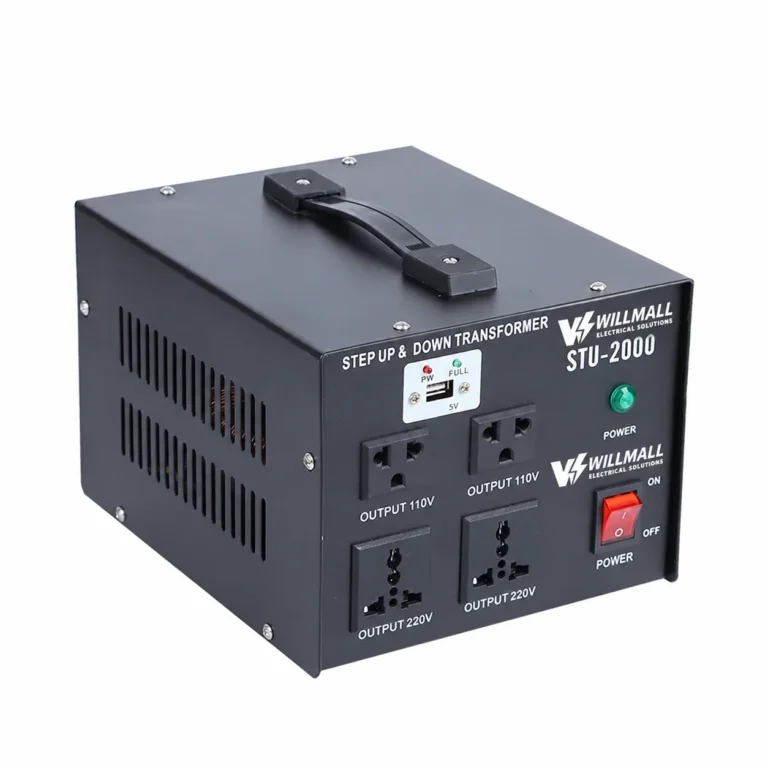
For practical planning, assume: light occasional use (phone chargers, small appliances) – 25 to 40 years; daily moderate use (kitchen appliances, tools) – 15 to 25 years; continuous high load (24/7 refrigeration, workshops) – 8 to 15 years. These ranges assume the transformer is not overloaded and has basic ventilation. The Wilmall ST-2000 step down transformer, built with full copper windings and thermal protection, sits at the long end of these ranges.
What Determines Transformer Lifespan
Five factors control how long a step down transformer lasts. Load: running above 80% of rating for hours heats the windings. Heat: ambient temperature above 35 degrees Celsius and poor airflow accelerate insulation ageing. Humidity: moisture on the windings and terminals causes tracking and short circuits. Voltage quality: sustained overvoltage or frequent surges stress the insulation. Build quality: copper windings, proper varnish impregnation and real thermal protection make the difference between 5-year and 30-year units.
Warning Signs Your Transformer Needs Replacement
Replace a step down transformer when you notice any of these signs: the case is too hot to hold after normal use; the hum is noticeably louder or has a buzz that was not there before; there is a burnt smell, especially acrid or like varnish; the output voltage drops under load (measure with a multimeter – see our how to test a transformer guide); the fuse or RCD trips repeatedly with a known-good appliance; or the case is cracked, discoloured or shows burn marks. Any of these means internal insulation damage that will only get worse.
A transformer that is hot, humming and smelling burnt is not just inefficient; it is a fire risk. The safest response is to unplug it, stop using the connected appliance, and order a replacement. Our transformer overheating guide explains the common causes in detail, and why transformers hum covers which noises are normal and which are not.
How to Extend the Life of Your Step Down Transformer
Five habits will push a transformer to the long end of its lifespan. Keep the load under 80% of the VA rating; this single habit doubles insulation life. Keep the unit in a cool, dry, ventilated location – never inside a closed cupboard or on carpet. Dust the vents every few months. Avoid daisy-chaining transformers and extension leads. And size a new transformer with 20-30% headroom, so it runs cool even on hot days. The core point: a 220V to 110V transformer costs a fraction of the appliances it protects, so treat it as a long-term investment and give it the environment it needs.
When Replacement Is Cheaper Than Repair
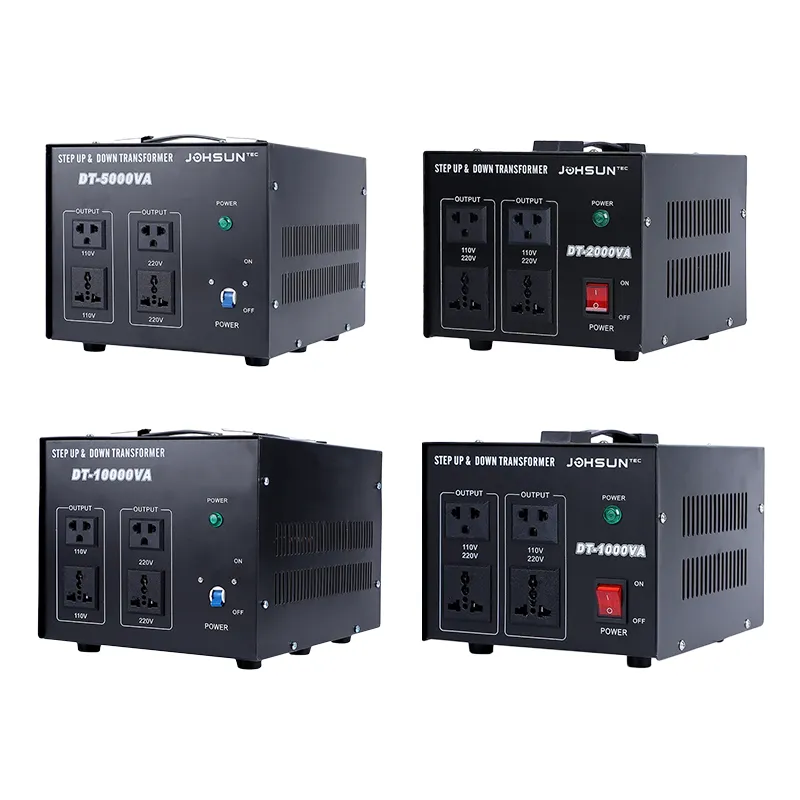
Small transformers are rarely worth repairing. A 500VA unit can be replaced for a fraction of the cost of rewinding, and even a 2000VA transformer is cheaper to replace than the appliance it protects. Repair only makes sense for large industrial units and custom three-phase transformers. For home and small-business step down transformers, replacement is the economical and safer choice – especially once the insulation has been compromised, because a repaired winding will always run hotter than a fresh one.
Frequently Asked Questions
The Insulation Aging That Limits Transformer Life
The lifespan of a transformer is really the lifespan of its insulation, because the windings themselves, copper and steel, last for decades. The insulation ages through heat, moisture, and electrical stress, and every 10 degrees above the rated temperature roughly halves its life. That is why the two things that kill transformers early are heat and moisture. A transformer that runs hot, from oversizing the load, poor ventilation, or a hot environment, ages its insulation faster. A transformer that sits in a damp location can develop tracking on the insulation surface. The practical way to extend transformer life is boring but effective: size it right, keep it ventilated, keep it dry, and do not run it at maximum load continuously. With those habits, a well-built copper transformer commonly runs for fifteen to twenty years.
Signs That a Transformer Is Nearing the End of Its Life
Transformers rarely fail without warning signs, and catching them early saves your appliances. Watch for a hum that gets progressively louder, a case that runs hotter than it used to, a burning or varnish smell, discoloration around the ventilation slots, and tripping that becomes more frequent. Any of these suggests the insulation is degrading or a winding is developing a fault. A transformer that is losing output voltage under load, measured with a multimeter, is another sign of a weak winding. When you see these signs, replace the transformer rather than pushing it, because a failing transformer can damage the appliances it feeds. We tell our customers the same thing: a transformer that served you for a decade has earned its retirement, and replacing it before it fails is cheaper than repairing what it takes down with it.
Replacement: When to Repair and When to Buy New
When a transformer shows its age, the question is repair or replace. A minor issue, such as a loose terminal or a worn connection, is worth repairing. A burned winding, a cracked core, or failing insulation is usually not worth repairing, because the cost of a rewind can approach the price of a new unit, and a rewound transformer never matches the original quality. For most household and light commercial transformers, replacement is the honest recommendation. When you replace, match the voltage, the VA rating, and the mounting, and consider whether your load has grown since the old unit was installed. Many buyers find their replacement needs are larger than the original because they added appliances over the years. Send us the old nameplate and your current appliance list, and we will confirm the right replacement.
Warranty and Replacement: What to Look For
The warranty terms are one of the few things you cannot see in a product photo, so ask before you buy. Some suppliers offer a warranty that requires you to ship a failed unit back to China, which is rarely worth it for a transformer that costs less than the shipping. Our policy is replacement-first: if a unit fails within the 12-month warranty, we ship a replacement and settle the details afterwards. Keep the batch number and your invoice to make a claim simple, and the batch test certificate doubles as the evidence if a unit arrives faulty. For distributors, the warranty is a selling point you can pass on, and a replacement that arrives with the next container beats a claim that drags for months. If you are comparing suppliers, ask specifically how a warranty claim works from your country, because the answer tells you more than the price.
Voltage Spikes and the Surge Protector Layer
A transformer converts voltage, but it does not stop fast voltage spikes from reaching your appliance, and spikes are common in areas with unstable grids, generators, or nearby lightning. For sensitive electronics, add a surge protector between the transformer output and the appliance, which catches the high-frequency spikes that can damage circuit boards. For heavy loads like fridges and pumps, the RCD protection on our STU series catches earth leakage, and a correctly rated MCB protects the wiring. The combination of a transformer, a surge protector, and an MCB covers the three failure paths: overvoltage, leakage, and overcurrent. Many of our distributor customers include the surge protector recommendation in their own packaging and marketing, because it reduces returns and builds trust. If your market has unstable power, this extra layer is worth the small cost, and it protects the investment in both the transformer and the appliance.
How long do step down transformers last?
A well-built step down transformer 220V to 110V lasts 20 to 40 years with light use, 15 to 25 years with daily moderate use, and 8 to 15 years under continuous high load. Heat is the main enemy; each 10 degrees above design temperature halves insulation life.
When should I replace my 220V to 110V transformer?
Replace it when the case is too hot to touch, the hum grows louder, there is a burnt smell, output voltage drops under load, or the fuse trips repeatedly. These signs mean internal insulation damage and a growing fire risk.
Can a transformer last 30 years?
Yes. A transformer has no moving parts; a correctly sized unit kept under 80% load in a cool, dry, ventilated room can exceed 30 years. Models like the Wilmall ST-2000 with copper windings and thermal protection are built for that kind of service life.
Is it worth repairing a transformer or should I buy a new one?
For home and small-business sizes up to 2000VA, replacement is cheaper and safer than repair, because a repaired winding runs hotter and ages faster. Only large industrial or custom three-phase transformers justify professional rewinding.
A step down transformer is one of the longest-lived investments in your power setup, and knowing how long transformers last helps you plan replacements before failure, not after. If your transformer is showing warning signs, or you want a new unit built for a long service life, contact sales@wilmall.com or WhatsApp +86 19730226757 for a factory-direct quote on a copper-wound 220V to 110V model.