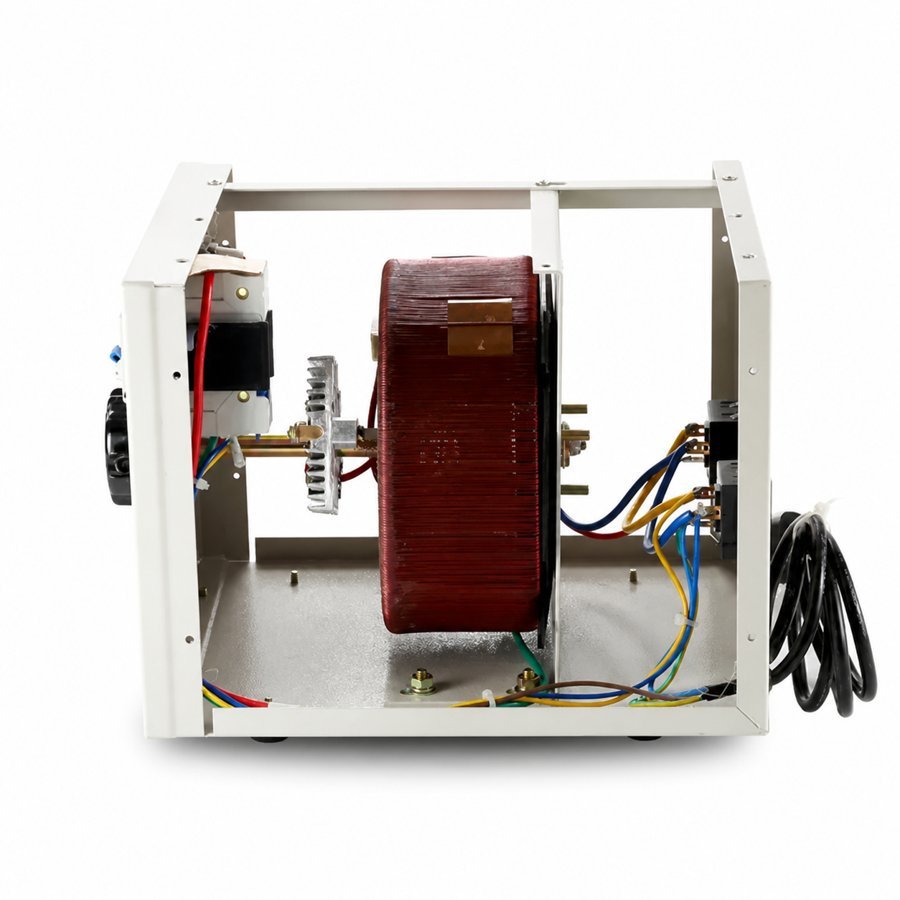
Step Down Transformer for Peru: 220V to 110V Guide
Quick answer: what transformer do I need in Peru
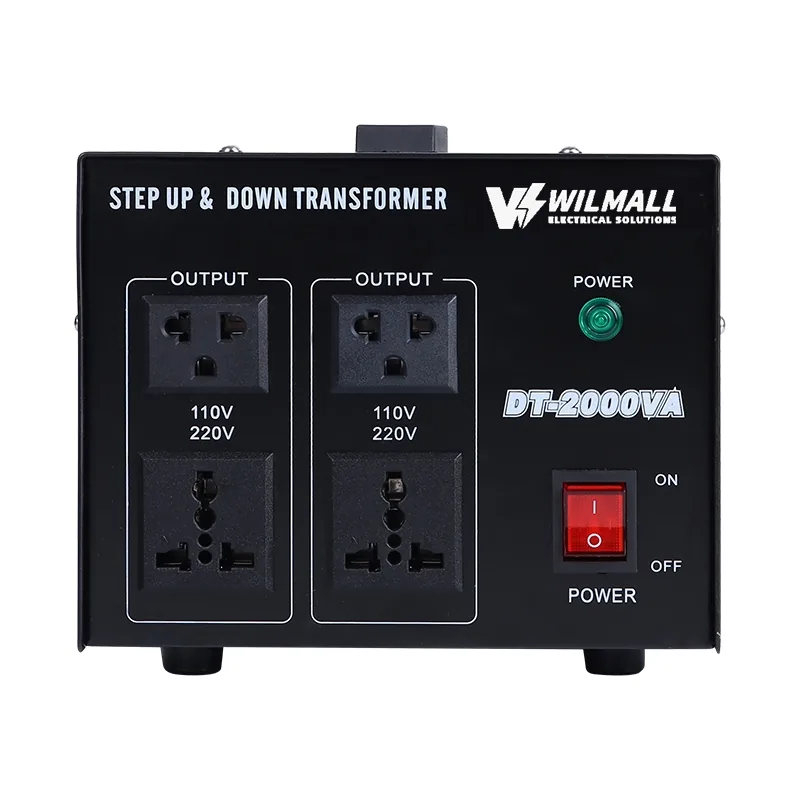
Peru runs on 220V at 60Hz, so a US-spec 110V appliance needs a step down transformer, not a step up. The size follows the appliance: a 1000VA unit covers a TV, a soundbar, and a console, and a 2000VA unit handles a fridge or a kitchen appliance. The quick rule: take the wattage on the appliance nameplate, add 30 percent, and pick the next size up. For most households, 1000VA to 3000VA covers the US-spec gear, and the transformer input must accept 220V Peruvian mains.
Peru’s 220V system and the US appliance mismatch
Peru supplies 220V at 60Hz across most of the country, with some areas seeing 220V nominal and others closer to 230V. The frequency matches the US, which is convenient, but the voltage does not. A US-spec 110V appliance plugged straight into a Peruvian socket burns out, and the damage is usually immediate. The step down transformer converts the 220V mains to 110V and lets the appliance run exactly as designed. Expats moving to Lima or Cusco, online purchases, and hand-carried US electronics all create the same need. If the appliance label says 100-240V, it is dual-voltage and needs only an adapter, so check the nameplate before buying anything.
Sizing table for Peruvian buyers
| US appliance | Step down transformer |
| TV, soundbar, console | 1000VA |
| Kitchen appliance up to 700W | 1000VA to 1500VA |
| Fridge or freezer | 2000VA to 3000VA |
| Multiple appliances together | 3000VA to 5000VA |
The sizing math is the standard rule: take the running wattage, add 30 percent, and for motor loads like a fridge or a blender, double or triple it because of the start-up surge. A US-spec fridge draws 150W running but spikes several times that when the compressor starts, so it needs 2000VA to 3000VA. If you run several appliances at the same time, add their wattages before choosing. The simultaneous load is the number that decides, and it is the one we ask about before recommending a size.
The 60Hz advantage in Peru
Peru runs on 60Hz, the same frequency as the US, which makes it one of the easier markets for US appliances. A US appliance designed for 60Hz runs at its correct speed and behavior through a transformer rated for that frequency. All our transformers are rated for both 50Hz and 60Hz, so they work in Peru, the US, and anywhere else your appliances came from. The dual-frequency rating is printed on every label, and it means you never have to worry about frequency when you buy a step down unit from us. For resellers, this is a useful selling point, because Peruvian buyers often own appliances from several countries.
Transformer vs converter for Peruvian buyers
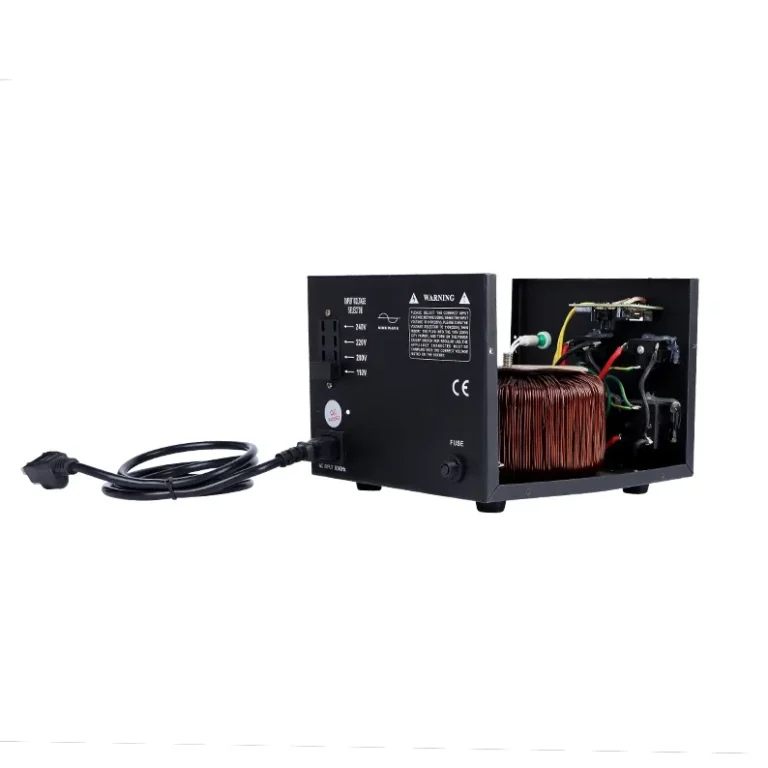
The transformer versus converter question in Peru follows the load. A transformer is a magnetic device that handles continuous loads and motor surges, which is what a fridge, a blender, or a power tool needs. An electronic converter is lighter and cheaper but rated for light loads, and it can struggle with anything that heats or runs a motor. For a laptop or a phone charger, a converter or a dual-voltage appliance with an adapter works. For anything heavier, the step down transformer is the reliable choice. Our transformers are copper-wound and rated for continuous duty, so they cover the loads that converters cannot, and they last for years rather than weeks.
Copper windings and Andean altitude
Peru has a wide range of climates, from the coastal humidity of Lima to the high altitude of Cusco and Arequipa. At altitude, the air is thinner and cooling is less efficient, so a transformer runs slightly warmer. That makes the winding material and the margin more important. Copper windings run cooler and carry the current more efficiently, and the extra 30 percent margin gives the transformer room to run comfortably at altitude. Aluminium windings run hotter, and in thin air the heat dissipates less easily. Our ST series uses copper as standard, with a fuse and a thermal cut-out, and the STU adds RCD protection for humid coastal conditions. If you are in a high-altitude city, tell us, and we will confirm the right margin for your elevation.
Three mistakes buyers in Peru make
The first mistake is buying an electronic converter for a motor load, which trips or shuts down when a fridge or a blender starts. The second is undersizing the transformer for the surge, so it sags or overheats under load. The third is forgetting the plug standard, a US appliance has a NEMA plug that will not fit a Peruvian socket, so the transformer must have the right output socket or you need an adapter that fits. Our step down units come with the output socket matched to the appliance plug. Check the nameplate of each appliance, because dual-voltage units marked 100-240V need no transformer at all.
Importing transformers into Peru
Importing a transformer into Peru uses the standard export documents. The commercial invoice, packing list, and bill of lading are essential, and your customs broker may ask for a certificate of origin. We provide the commercial invoice, packing list, and batch test certificate with every order, and we can arrange the certificate of origin. Air freight from China to Lima takes about 7 to 12 days, and sea freight about 35 to 50 days, so plan accordingly. For a single household unit, air freight is practical. For distributors, sea freight plus the resale margin works well. Send us your quantity and destination, and we quote FOB or DDP with the freight estimate.
Lima apartments and the appliance mix
A typical Lima apartment runs a mix of US-spec and local appliances, and the transformer need follows the US-spec items. The US TV, soundbar, console, and laptop chargers are the usual candidates, and they add up to a modest load, a 1000VA transformer covers the living room easily. Add a US-spec kitchen appliance, a blender, a coffee machine, or a mixer, and 1000VA to 1500VA handles it. A US-spec fridge or freezer pushes the requirement to 2000VA to 3000VA because of the compressor surge. The practical approach is to list the US-spec appliances that run at the same time, add the wattages, apply the 30 percent rule, and choose the transformer for that combination. Most households find that one 2000VA unit covers the US-spec load with room to spare.
RCD protection for coastal and humid areas
Peru’s coastal cities, Lima especially, have high humidity, and that makes earth-leakage protection relevant. An RCD monitors the current balance between live and neutral and cuts power if it detects leakage, protecting people and appliances. Our STU series includes RCD protection as standard, and we recommend it for households running US appliances in humid or older-wiring conditions. The transformer converts the voltage, and the RCD protects the circuit. Keep the transformer in a dry, ventilated spot, off the floor, and away from water sources, and the RCD adds a layer a plain transformer cannot. For a family home in Lima or a villa in a humid area, the small extra cost of the STU is the responsible choice.
Warranty and after-sales for Peruvian buyers
The after-sales arrangement matters for Peruvian buyers, because shipping a failed transformer back to China is rarely practical. Our policy is replacement-first: if a unit fails within the 12-month warranty, we ship a replacement with the next order and settle the details afterwards. Every order includes the batch test certificate, so you have documented proof the units were tested before packing. We also answer sizing and application questions after the sale, so if you add a new appliance later, you can ask whether your transformer still covers it. For distributors in Lima or Arequipa, this support is a selling point you can pass on, and the replacement policy turns a warranty into a real promise rather than a paperwork exercise.
The plug standard in Peru and what to expect
The plug standard in Peru is the two-pin flat or the two-round-pin type, depending on the region, and a US appliance plug will not fit a Peruvian socket without an adapter. When you order a step down transformer from us, we fit the input plug to the Peruvian standard and the output socket to match your US appliance plug, so you connect directly without an adapter chain. Getting the socket right the first time removes the loose-connection problem that adapters often cause, especially with heavier loads. For resellers, offering transformers with the Peruvian input plug and the US output socket covers the most common customer situation. Tell us the appliance plugs in your household, and we will supply the matching configuration with the transformer.
Why a tested transformer matters for Peru
When you import a transformer for Peru, the test documentation matters more than the price. Every unit we ship carries the batch test certificate, which records the turns-ratio, no-load, full-load, and hi-pot tests for your batch, so you have documented proof the units were checked before packing. This matters for Peruvian buyers because a transformer that fails on arrival is a hassle to return, and the certificate gives you the evidence for a smooth warranty claim. Our 12-month replacement-first warranty means if a unit fails, we ship a replacement rather than asking you to return the failed unit. Keep the batch number and your invoice to make a claim simple. If you are comparing suppliers, ask to see a sample test certificate before you commit, because it tells you more about the factory than any marketing page.
FAQ
Do I need a transformer for a US appliance in Peru?
Yes, if the appliance is 110V only. Peru runs on 220V, so you need a step down transformer rated for 220V input.
What size step down transformer do I need in Lima?
Take the appliance wattage, add 30 percent, and pick the next size up. A TV and console need 1000VA, a fridge needs 2000VA to 3000VA.
Is the frequency a problem in Peru?
No. Peru runs on 60Hz like the US, and our transformers are rated for both 50Hz and 60Hz, so the voltage conversion is always correct.
Can a converter run a fridge in Peru?
Usually not. A fridge’s compressor surge is too much for most converters. Use a step down transformer sized for the fridge.
Get the right transformer for Peru
Send us your appliance list and the wattage from each nameplate, tell us what runs at the same time, and we will confirm the right transformer within 24 hours. We supply step down transformers from 100VA to 10KVA, copper-wound, with the output socket matched to your appliance. WhatsApp us or use the inquiry form, and we will quote factory-direct pricing with the batch test certificate.