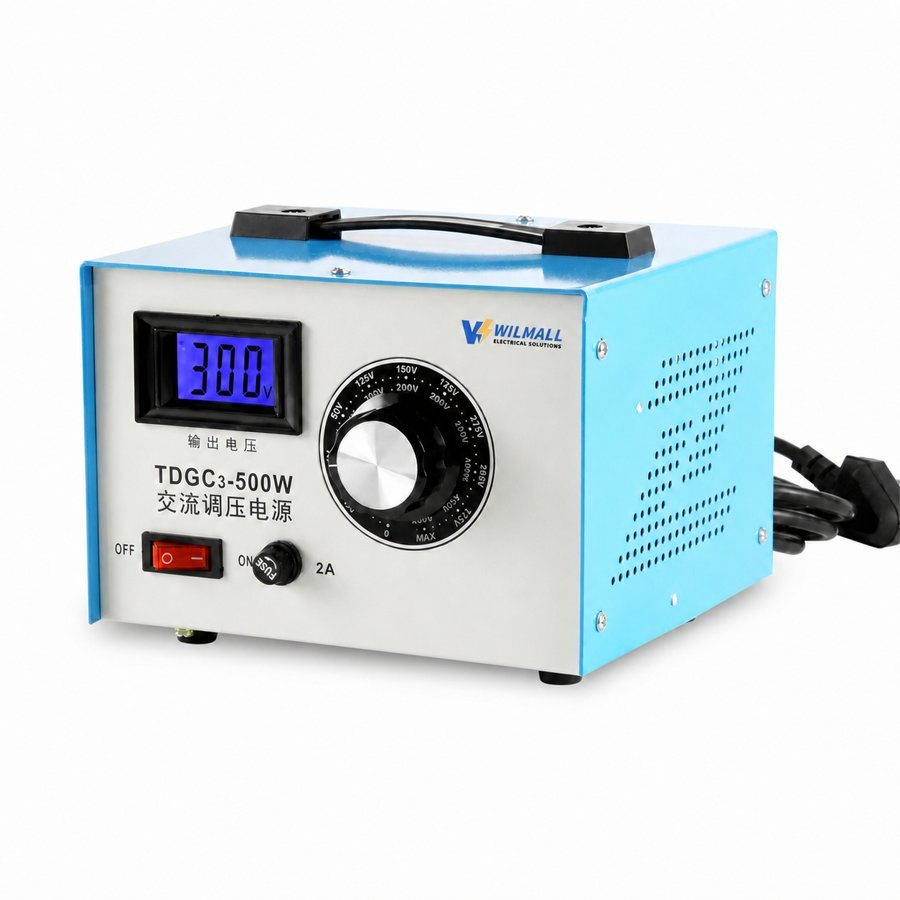
Step Down Transformer for CPAP Machine and Medical Equipment
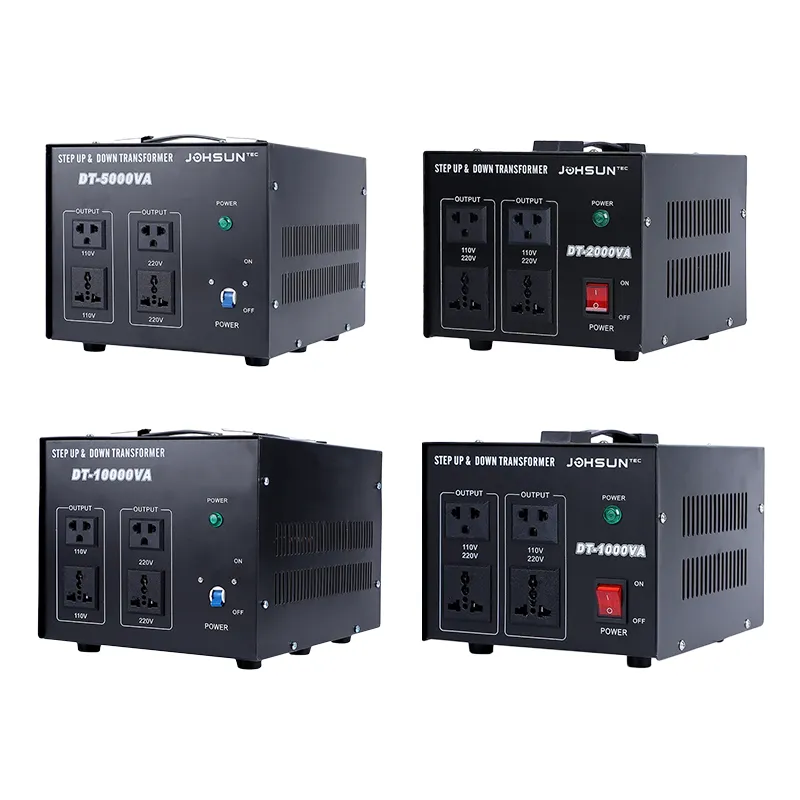
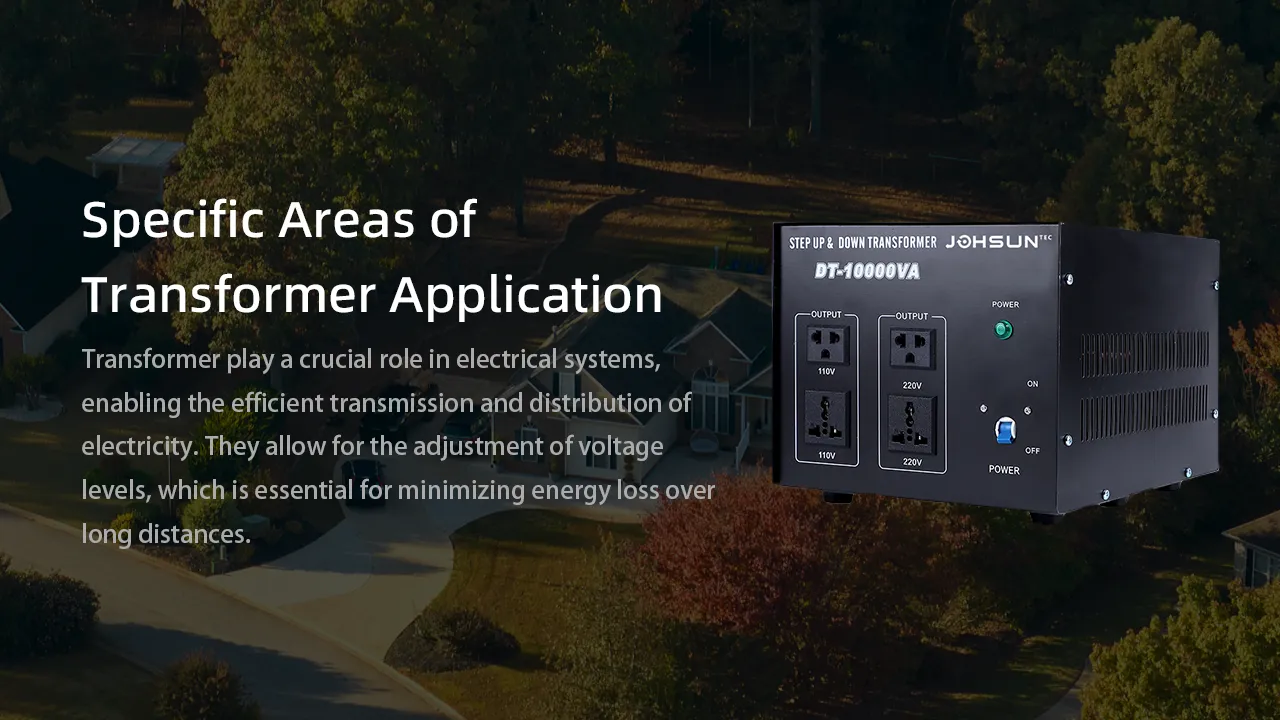
Quick answer: what transformer do I need for a CPAP machine
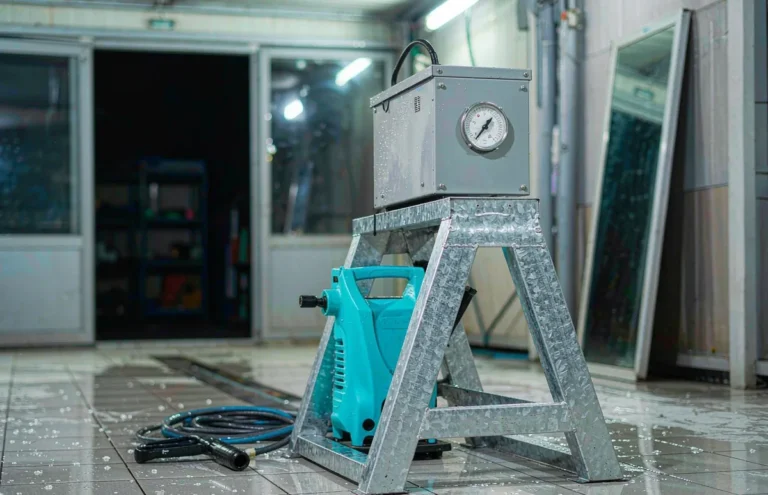
Most CPAP machines draw between 30W and 90W, so the transformer size is small. A 300VA step down transformer covers a CPAP with generous margin, and a 500VA unit is the safe choice if you also run a humidifier heater or a second device. The quick rule: take the wattage on the CPAP power supply label, add 30 percent, and pick the next size up. For nearly every CPAP, that lands on 300VA or 500VA, and the transformer must accept your local mains voltage, 220-240V in most of the world.
Why a CPAP needs a transformer, not a converter
A CPAP machine bought in the US is single-voltage, 110-120V, and plugging it into a 220V socket damages the internal power supply. The step down transformer converts the local mains to the voltage the CPAP expects, and it runs all night, every night. That nightly duty is the key: a CPAP runs continuously for seven to nine hours, so the transformer must handle a long continuous load, and it should have margin so it stays cool through the night. An electronic converter, the small travel type, can handle a CPAP’s modest wattage, but it is not built for nightly duty, and a failure in the middle of the night is the worst possible timing. The transformer is the dependable choice for a device that must run every night without fail.
Sizing table for CPAP and sleep equipment
| Device | Transformer size |
| CPAP up to 60W | 300VA |
| CPAP with humidifier up to 90W | 500VA |
| CPAP plus oxygen concentrator | 1000VA |
| Full sleep setup with extras | 1000VA to 1500VA |
Check the CPAP power supply label for the input wattage or amperage. A 60W unit is comfortable on 300VA, which runs at 20 percent of capacity, cool and silent through the night. If the humidifier heater raises the draw to 90W, 500VA keeps the same margin. If you also run an oxygen concentrator, which can draw 300W or more, add its wattage, and the transformer jumps to 1000VA. The combined load is the number that decides, and it is the one we ask about before recommending a size.
The 30% headroom rule for nightly duty
For a device that runs every night, the 30 percent headroom rule is not optional. A CPAP at 60W on a 300VA transformer runs at 20 percent of capacity, which means almost no heat and no stress. If you squeezed it onto a 100VA unit, it would run at 60 percent and generate noticeable heat over eight hours, and the transformer would age faster. The margin also covers the humidifier heater cycling and any small surge at start-up. A transformer that is never pushed hard runs cool, stays quiet, and lasts for years, which is exactly what you want for a device that must work every single night.
Why an isolation transformer is worth considering for medical use
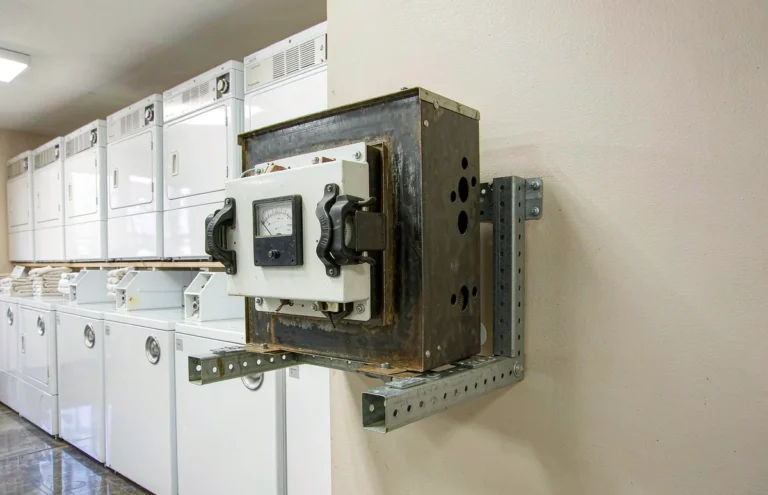
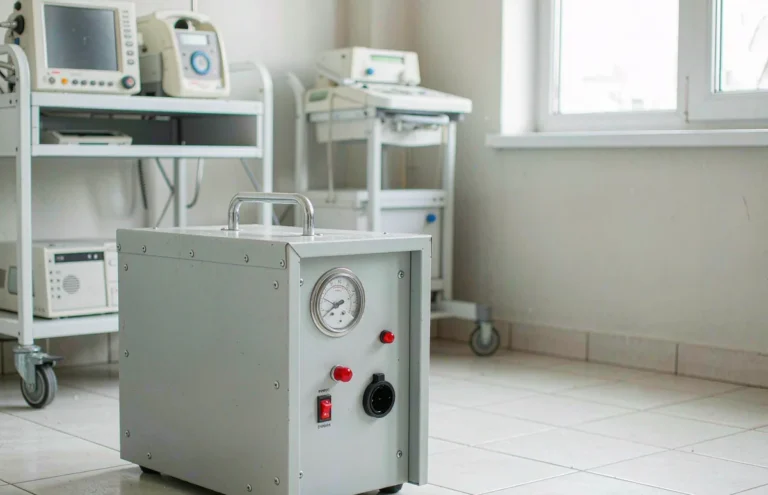
For medical and sleep equipment, an isolation transformer adds a layer of safety that a standard distribution transformer does not. An isolation transformer separates the primary and secondary windings electrically, so the output floats relative to earth, and a fault on the device side does not create a live-to-earth path. That matters for equipment that runs all night near a sleeping person. Our range includes both distribution and isolation transformers, and for a CPAP we usually recommend the isolation type, because the extra cost is small and the safety margin is real. If you are buying for a hospital, a clinic, or a home with sensitive medical devices, tell us, and we will confirm the isolation unit that fits your equipment.
Copper windings and silent operation
For a device in the bedroom, two things matter beyond the rating: quiet and cool. Copper windings run cooler and carry the current more efficiently, and a transformer running at 20 percent of capacity with copper windings produces barely a whisper of hum and almost no heat. Aluminium windings run hotter, and in a warm bedroom that heat builds up over eight hours. Our transformers are wound with copper as standard, and the smaller sizes are built to run silently. Place the transformer out of the way, on the floor or a shelf with ventilation, away from the bed, and it will not disturb sleep. A transformer that runs cool and quiet is the right companion for a device that must run all night.
Three mistakes CPAP buyers make
The first mistake is buying a cheap travel converter and trusting it for nightly duty, which risks a failure in the middle of the night. The second is forgetting the plug standard, a US CPAP has a NEMA plug that will not fit a 220V socket, so the transformer must have the right output socket or you need an adapter that fits. The third is buying a transformer rated for the wrong input voltage, the input side must match your local mains, 220-240V in most countries, and the output side must match the CPAP, 110V for a US unit. Our units are clearly labelled on both sides, and the wiring diagram is printed on the unit, so there is no guesswork.
CPAP and travel: choosing a transformer that moves with you
If you travel with your CPAP, the transformer choice changes. A fixed household unit is fine if you stay in one country, but travelers often move between 110V and 220V countries, the US and Europe, or Japan and Southeast Asia. For that, the STU series with auto-selecting input detects whether the mains is 110V or 220V and switches automatically, so one transformer works everywhere. It also includes RCD protection, which is a sensible extra for medical equipment. The weight is a consideration, a 300VA transformer is small and light enough for a suitcase, and it fits beside the CPAP case. If you tell us where you travel, we will confirm the right model, fixed or auto-selecting, for your pattern.
Importing a transformer for medical equipment
Importing a small transformer for a CPAP is straightforward. The commercial invoice, packing list, and bill of lading are essential, and for a personal device, air freight is fast and practical, usually 5 to 10 days from China. For clinics and distributors buying in volume, sea freight plus the batch test certificate works well, and we can arrange a certificate of origin if your customs broker asks. We provide the batch test certificate with every order, so you have documented proof that the unit was load-tested before packing. Send us your quantity and destination, and we quote FOB or DDP with the freight estimate.
CPAP power supply labels: what to read
The CPAP power supply, the brick that sits between the wall and the machine, carries the information you need for sizing. The label lists the input voltage range and the output wattage or amperage. If the input says 100-240V, the supply is dual-voltage, and the CPAP needs only a plug adapter, no transformer. If the input says 110-120V only, the CPAP needs a step down transformer in a 220V country. The output figure, usually 24V at a few amps, tells you the actual wattage, which you can estimate by multiplying volts by amps. A 24V supply at 3.3A delivers about 80W, which is why a 300VA or 500VA transformer is plenty. Reading the label before buying saves you from buying a transformer you do not need, or an undersized one.
Humidifier heaters and the warm-up surge
Many CPAP machines include a heated humidifier, and the humidifier heater adds a real load with a surge at warm-up. The heater draws more when it first turns on and then cycles to hold the temperature, and that warm-up surge is the moment the transformer is tested. A CPAP with a humidifier can draw 60W to 90W total, and the surge at the start of the night is higher for a moment. The 500VA recommendation covers this with generous margin, so the transformer never struggles even at the warm-up surge. If you use a heated tube as well, the draw adds a little more, and 500VA still covers it comfortably. The margin is what keeps the setup reliable all night, every night, which is exactly what a CPAP user needs.
Why silence matters for a bedroom transformer
A transformer in a bedroom must be quiet, because it runs all night beside a sleeping person. Our smaller transformers, the 300VA and 500VA sizes, are built to run with only a faint hum that is inaudible at a few feet. The hum level is lowest when the transformer runs at a fraction of its rating, which is another reason the margin matters: a 60W CPAP on a 300VA transformer runs at 20 percent of capacity, and the core noise is minimal. Place the transformer on a soft surface or a shelf with a little separation, not on a resonant table that amplifies vibration. If you are sensitive to sound, the smaller sizes with copper windings are the quietest, and you will not notice them through the night.
FAQ
Can I run a CPAP on a 300W transformer?
Yes, for a standard CPAP drawing 60W or less. If the humidifier raises the draw, use 500VA for the same margin.
Do I need a transformer for a CPAP in the UK?
Yes, if the CPAP is US-spec 110V. The UK runs on 230V, so you need a step down transformer rated 220-240V input.
Is a travel converter safe for nightly CPAP use?
Not recommended. A converter is not built for nightly duty. Use a transformer sized for the CPAP with margin, and consider an isolation unit for medical equipment.
What if my CPAP is dual-voltage 100-240V?
Then it needs only a plug adapter, no transformer. Check the power supply label for the voltage range before buying anything.
Get the right transformer for your CPAP
Send us the CPAP model or the wattage from its power supply label, tell us whether you use a humidifier and where you travel, and we will confirm the right transformer within 24 hours. We supply step down transformers from 100VA to 10KVA, copper-wound, with the output socket matched to your device, and isolation units for medical use. WhatsApp us or use the inquiry form, and we will quote factory-direct pricing with the batch test certificate.