
Step Down Transformer for Audio and Hi-Fi Equipment: Guide
A cheap step down transformer that runs a hair dryer fine will ruin an audio chain. I have heard it from buyers: plug in a 110V amplifier or turntable through a no-name unit and the music comes out with a 50Hz or 100Hz hum underneath it. The reason is not the transformer itself, it is the lack of isolation between the 220V mains and the audio ground. For Hi-Fi and home theater, you need more than a basic step down.
Why cheap transformers hum in audio
Here is what happens. A standard autotransformer step down does not have a separate primary and secondary winding. The 220V input and 110V output share a common winding, which means the 110V ground is electrically connected to the 220V ground through the transformer core. Any noise, ripple, or ground loop on the 220V mains gets passed straight through to your audio gear.
For a kettle or a fridge, this does not matter. For a phono preamp, a tube amplifier, or a DAC, that noise turns into audible hum. Once you hear it, you cannot un-hear it.
What low noise actually means
Low noise in a transformer context means two things. First, mechanical hum, the physical vibration of the core laminations under load. Second, electrical noise, the leakage of mains-borne interference into the secondary winding.
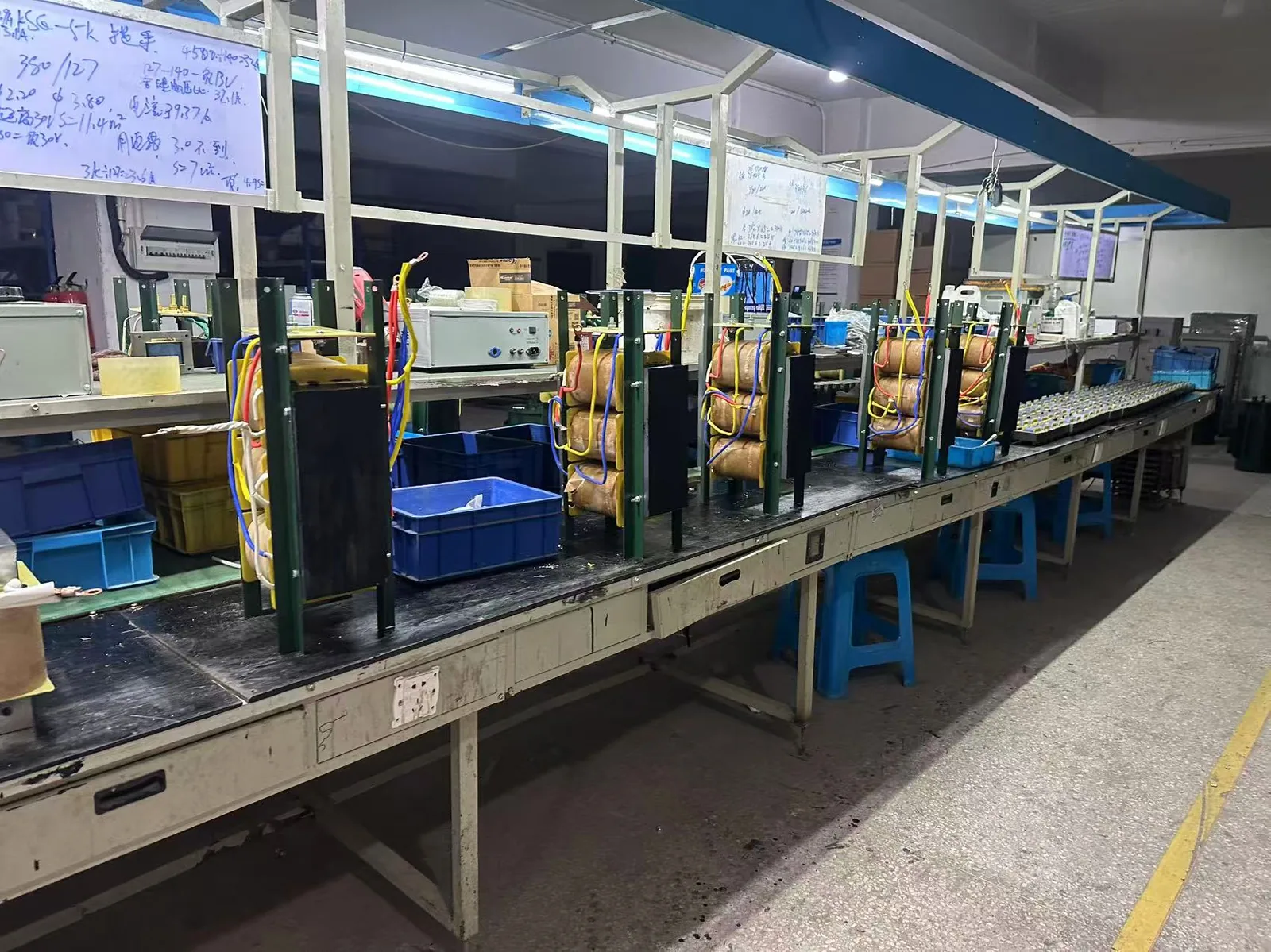
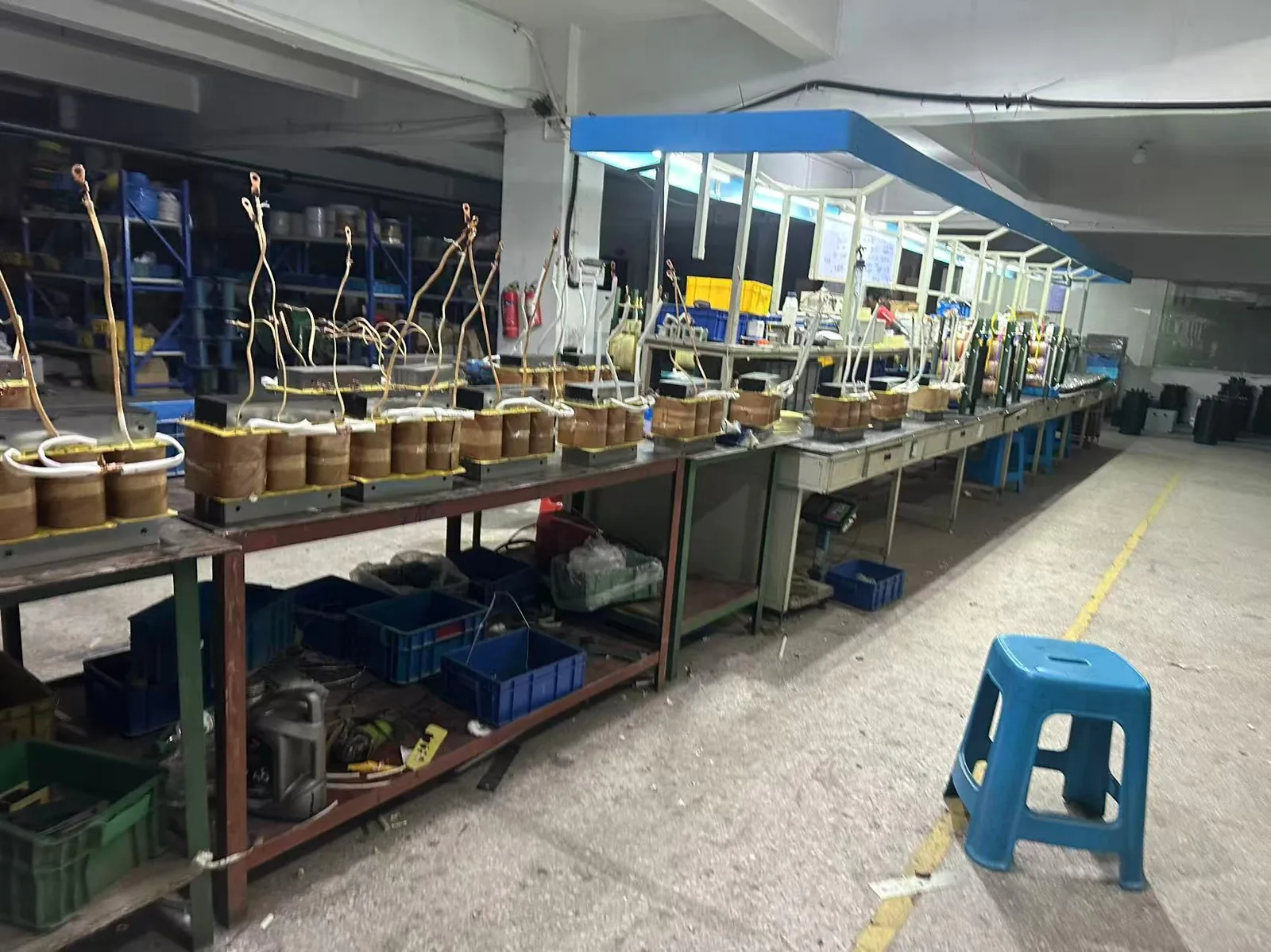
Mechanical hum is fixed by tighter core stacking, proper lamination varnishing, and rubber mounting feet. We do this on every ST unit over 500VA. Electrical noise is fixed by adding a separate primary and secondary winding with a grounded electrostatic shield between them. That is what makes a transformer an isolation transformer.
Isolation vs standard step down for audio
If your audio gear is just a 110V powered speaker or a simple Bluetooth amp, a standard ST-500 or ST-1000 will work fine. The hum issue tends to show up with:
- Turntables (phono preamps are extremely sensitive to ground noise)
- Tube amplifiers (high-gain circuits pick up everything)
- Studio monitors with balanced XLR inputs
- Hi-Fi DACs with USB or optical isolation issues
For these, we recommend our isolation transformer variants, which add a Faraday shield between the windings and break the ground loop. The trade-off is size and cost. An isolation transformer for the same VA rating is about 30% larger and 25% more expensive than a standard autotransformer.
Recommended Wilmall models for Hi-Fi
- ST-500 (500VA) — for a single turntable, DAC, or headphone amp. Compact, runs cool.
- ST-1000 (1000VA, isolation) — for a full 110V system: amplifier, turntable, streamer, and powered monitors.
- ST-2000 (2000VA, isolation, RCD) — for a home theater receiver or a multi-component rack.
If you are running an entire rack of 110V Hi-Fi gear, send us your total wattage and we will size it. Most two-channel systems land at 500 to 1000VA.
For more on the difference between a standard step down and an isolation transformer, see our isolation vs autotransformer guide.
Balanced vs unbalanced audio
Whether the hum problem shows up at all depends a lot on the type of audio connection. Unbalanced connections, which use one signal wire plus a shared ground, are the most vulnerable to ground loop hum. If your turntable or amplifier uses RCA cables, that is unbalanced, and a ground loop between the 220V side and the 110V side will be audible as a constant low buzz.
Balanced connections, the kind you see on professional studio gear with XLR cables, cancel out ground noise because the signal is carried on two wires with opposite polarity and the receiver subtracts them. If your whole chain is balanced, a standard autotransformer step down is much less likely to hum. This is why studio gear often gets away with a cheaper transformer, while home Hi-Fi with RCA cables needs the isolation variant.
If you already have hum and your equipment supports it, switching to balanced interconnects between the amplifier and the sources can fix the issue even without an isolation transformer, though the isolation transformer remains the robust fix.
Ground loop troubleshooting
If you are getting hum and you are not sure whether the transformer is the cause, run this quick test. Unplug everything from the transformer except one source, say a turntable, and listen. If the hum is still there with nothing else connected, the loop is inside that single device and the transformer. If the hum only appears when two devices are connected, the loop is between the devices through the shared 110V ground.
Try a ground lift adapter on one of the devices as a test. If the hum disappears, you have confirmed a ground loop, and the proper fix is an isolation transformer with a grounded shield, not a ground lift left in place permanently. Lifting the ground on audio gear is a safety risk and should only be used as a diagnostic step.
If you send us a short description of your setup, we can tell you within one message whether the isolation variant will fix it. We ship the isolation ST series from 500VA to 5000VA with the same 12-month warranty as the standard units.
Tube amplifiers and isolation
Tube amps are the hardest case in audio. The high-gain circuit in a tube amp picks up every bit of mains noise and hum, and the heater supply inside the amp is sensitive to ripple on the 110V rail. If you are running a US 110V tube amp in a 220V country, the isolation transformer is not a luxury, it is the difference between a quiet amp and a hissing, humming one.
One specific issue with tube amps and cheap autotransformers is that the output voltage sags under the amp’s transient current draw when it hits a loud passage. The tube bias shifts, the amp sounds compressed, and in the worst case the power tubes red-plate. A transformer with good regulation and headroom keeps the 110V rail steady, which is what the amp’s bias circuit expects.
Our isolation ST series holds output voltage within 5% at full load and includes the grounded shield. For a 100W tube amp, the 500VA isolation unit is the minimum, and the 1000VA gives you room for the preamp and the turntable on the same supply.
Studio monitor setups
Studio monitors with balanced XLR inputs are less sensitive to ground hum than RCA gear, but they are sensitive to voltage sags that make the amplifier modules clip. A pair of 110V monitors, each with a 100W amplifier, peaks near 250W when playing bass-heavy material. A 500VA unit is the floor, and 1000VA is the comfortable size for a pair plus an interface and a headphone amp.
For a project studio with a desk full of 110V gear, the cleanest setup is one isolation transformer feeding a small power distributor, so every piece of gear shares the same clean 110V ground. This kills hum loops between the computer, the interface, and the monitors, which is the classic studio hum source that no amount of cable swapping fixes.
Home theater multi-zone setups
For a home theater, the loads are a receiver, a powered sub, a projector or TV, and possibly a game console. The receiver is the variable one, a 7-channel AV receiver can draw 400 to 800W on dynamic peaks. The sub adds 200 to 400W. Together they can peak past 1200W, which is why we size home theaters on the 2000VA isolation unit rather than the 1000VA.
If you are wiring a dedicated home theater room, run one 110V circuit from the transformer to the equipment rack and keep the sub on the same phase so the ground reference is consistent. A single isolation transformer for the whole rack is cheaper than fixing hum later, and it protects the receiver’s HDMI board from ground potential differences between components.
Speaker impedance and transformer load
The transformer feeds the amplifier, not the speakers directly, so speaker impedance does not change the transformer sizing. What matters is the amplifier’s power draw, which depends on how hard you push it. A 100W per channel amplifier at moderate volume draws maybe 60W, but at sustained loud levels it draws its full rated power plus efficiency losses.
The practical implication is that a transformer sized for an amp’s rated draw has no headroom for loud listening. A 100W stereo amp rated to draw 400W belongs on a 1000VA unit, not a 500VA, so the loud passages do not sag the supply. If your music is compressed and loud, size at 1.5x the amp’s rated draw.
Upgrading from a basic step down
If you already run audio through a basic autotransformer step down and you hear hum, the upgrade path is the isolation variant of the same VA. The swap is plug and play, the isolation unit has the same plug and the same 110V output, only the internals change. Most buyers report the hum is gone in the first listening session.
If the upgrade does not fix the hum, the loop is between two devices, not between the mains and the gear, and the fix is in the interconnect wiring, not the transformer. Try lifting the ground on one device as a diagnostic, then rewire the interconnects away from power cables. The isolation transformer is the right fix for mains-borne noise, and the interconnect routing is the right fix for device-to-device loops.
Do I really need an isolation transformer for a turntable?
Yes, if you are hearing a 50Hz or 100Hz hum through your speakers. A standard autotransformer will pass ground noise straight through to the phono preamp. An isolation transformer with a grounded shield between the windings breaks that loop and kills the hum in almost every case we have seen.
Can a step down transformer damage a tube amplifier?
Not the transformer itself, but a noisy one will shorten the life of your tubes by adding ripple to the heater supply. If you are running a tube amp on 110V through a step down, use the isolation variant. It is worth the extra cost.
What is the best transformer size for a 110V home theater receiver?
Most AV receivers draw 200 to 400W running. A 1000VA isolation transformer gives you headroom for the receiver plus a powered subwoofer on the same circuit. If your sub is over 300W, step up to 1500VA.
Will a voltage stabilizer help with hum instead of an isolation transformer?
A voltage stabilizer regulates the output voltage but does not break the ground loop between primary and secondary. For hum, the fix is isolation, not regulation. For unstable mains voltage in addition to noise, you would need both or a servo-controlled isolation transformer.