Transformer for Audio and Hi-Fi Equipment: What Audiophiles Need
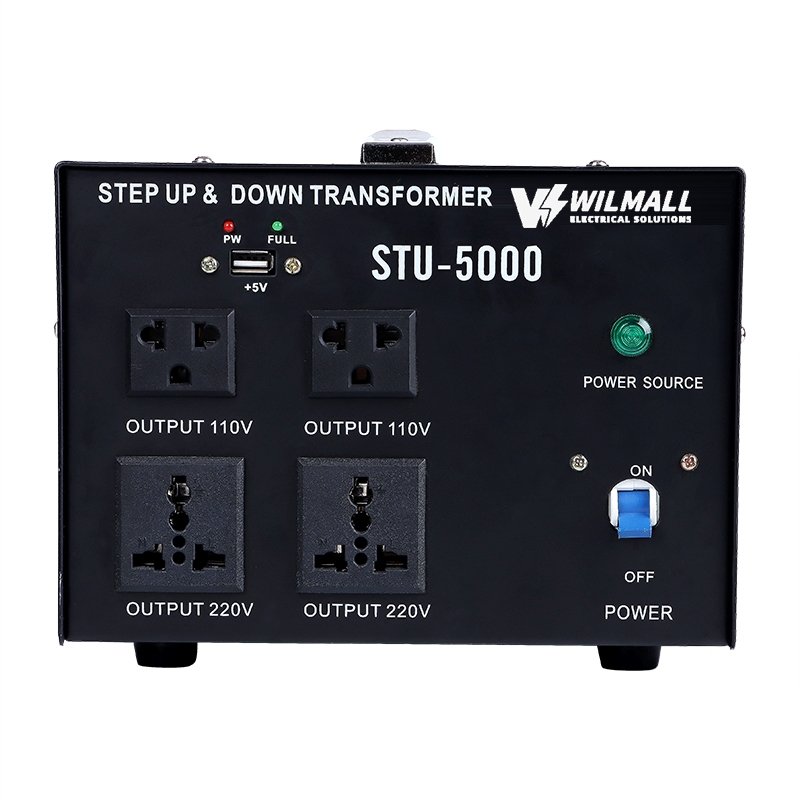
Quick answer: yes, the transformer matters for audio — a cheap or overloaded transformer introduces hum, noise and voltage sag that no cable upgrade will fix. For US/Japanese 110V audio gear on 220V mains, buy a properly oversized step down transformer; for sensitive systems, buy a step down isolation transformer to also kill ground-loop hum.
Key Takeaways
- Size audio transformers at 2x amplifier rated watts.
- Copper windings and oversizing reduce hum and sag.
- Ground-loop hum needs isolation, not a bigger transformer.
- A struggling converter degrades sound; a proper transformer does not.

Quick Size Guide
| Gear | Transformer |
| AV receiver | 1000VA |
| 100W/ch amp | 1000-1500VA |
| Studio / multiple units | 3000VA+ |
Voltage: US Gear on 220V Mains
Classic problem: a US-spec amplifier or receiver (120V) plugged into 220V mains in the Middle East, Africa or Asia. Some audiophiles grab any cheap converter; they then chase “noise” that is really the converter struggling. The correct move is a real copper-wound step down transformer, sized generously (see table), which delivers clean, stiff 110V/120V power.
Sizing for Amps and Receivers
| Audio equipment | Typical draw | Recommended transformer |
|---|---|---|
| Headphone amp, small DAC | 20-50W | 300-500VA |
| AV receiver | 200-500W | 1000VA |
| Power amplifier (100W/ch) | 400-600W | 1000-1500VA |
| Large amp (200W+/ch) | 800-1200W | 2000VA |
| Full studio / multiple units | 1500W+ | 3000VA+ |
Amplifiers draw far more during loud peaks than their average rating. Size at 2x the rated wattage of the amplifier to keep voltage stiff on transients — that is where “sagging” bass comes from.
Transformer Quality and Hum
Not all transformers hum the same. Quality differences that matter to audio:
- Copper vs aluminium windings: copper runs cooler and saturates more cleanly — noticeable on transient peaks.
- Core quality: a good silicon-steel core runs quieter; cheap cores buzz.
- Oversizing: a unit loafing at 40-60% load generates less mechanical hum than one at 95%.
- Shielding: a shielded (electrostatic screen) transformer injects less noise into nearby audio circuits.
Hum has two sources: the transformer itself, and ground loops through the mains. Oversizing fixes the first; isolation fixes the second.
Isolation for Clean Power
A ground-loop hum (the low 50/60Hz buzz that stays even with volume at zero) happens when two pieces of gear are earthed at slightly different potentials. A step down isolation transformer with 220V input and 110V isolated output fixes both problems at once — correct voltage for the gear, and no direct electrical path between the mains and the audio chain.
Questions Customers Ask Us
Is a 500W-rated amplifier okay on a 1000VA transformer?
Yes — that is exactly the 2x rule for audio. It will run cool and quiet, and keep bass tight.
Will a transformer degrade my sound?
A properly sized copper-wound unit is transparent — it does not add colour. A struggling undersized one sags and hums.
Can you build a shielded isolation transformer to my spec?
Yes, with the VA, voltages and shielding level you need. Send your requirements and we will quote.
Why does my cheap converter buzz at high volume?
Because it is overloaded and unshielded. Replace it with a properly sized transformer before it damages the amplifier.
Still not sure which model fits?
Tell us your appliance, wattage and country — we reply within 24 hours with a straight recommendation.
Why Hi-Fi gear is sensitive to power
Audio equipment amplifies everything it receives, including the noise on the power line. A turntable’s phono preamp boosts a signal of a few millivolts, and any hum or ripple on the 110V supply is amplified with it. The result is the 50Hz or 100Hz hum that buyers describe, which is not a fault in the amp, it is the power supply feeding it noise.
The second sensitivity is to voltage stability. A transformer that sags under load drops the voltage the amp sees, the amp’s rail voltages drop, and the music sounds compressed and dull at the peaks. This is why audio buyers need a transformer with good regulation, not just a correct VA number.
Isolation and the ground loop fix
The ground loop is the audio buyer’s classic enemy. In a standard autotransformer step down, the 110V output shares a winding with the 220V input, so the audio ground is electrically connected to the mains ground, and any noise on the mains flows into the audio chain. An isolation transformer breaks that connection with a separate secondary winding and a grounded shield.
For a turntable, a tube amp, or a studio monitor chain, the isolation variant kills the hum in most cases. For a simple powered speaker or a Bluetooth amp, the standard step down is usually fine. If you are not sure which you need, tell us the gear and we will recommend the right type.
Sizing for an audio system
Size the transformer for the amplifier’s draw, not the speaker wattage. A 100W per channel amp draws 200 to 400W from the wall depending on how hard it is driven, and a full system with a turntable, a streamer, and powered monitors lands at 500 to 1000VA. The 1000VA isolation unit is the practical size for a serious system, and the 500VA covers a single turntable and amp.
Audio loads are dynamic, so the 80% rule is extra important. The transformer must handle the peak of a loud passage without sagging, and the headroom is what keeps the music clean at the top of the dynamic range.
The audio buyer’s transformer checklist
If you are buying a transformer for Hi-Fi gear, the checklist is different from a household buyer. Confirm the transformer is copper-wound, because aluminum hums more and sags more. Confirm it has regulation within 5% at full load, because the amp needs a stable rail. Confirm the isolation option for turntables and tube amps, and the standard option for powered speakers is fine.
The wattage must cover the amp’s peak draw, not the speaker rating, and the 80% rule applies. A system that peaks at 600W belongs on a 1000VA unit, and a system that peaks at 1200W belongs on a 2000VA unit. The headroom is what keeps the music clean at the peaks.
Ground loops between multiple devices
A ground loop appears when two audio devices are connected by a signal cable and also by a ground path through the power supplies, forming a loop that picks up the mains hum. The hum is worse when the devices are on different circuits or different transformers. The fixes are: put all audio gear on one transformer, use balanced interconnects where possible, and use the isolation transformer as the definitive fix.
The test for a ground loop is simple: with the system on, unplug the signal cable between two devices. If the hum stops, the loop was between them. The isolation transformer then removes the loop by breaking the ground path at the power stage.
The upgrade path from a standard unit
If you already run audio through a standard step down and the hum is there, the upgrade is the isolation variant of the same VA. The swap is plug and play, and the hum disappears in most cases within the first listening session. If the hum persists, the loop is between the devices, not the mains, and the interconnect routing is the fix.
For resellers serving audio buyers, stock the isolation variants in 500VA and 1000VA as the premium SKUs. The margin is higher, and the buyers are repeat customers who upgrade their gear and need the matching transformer each time.
The audio buyer’s transformer checklist
If you are buying a transformer for Hi-Fi gear, the checklist is different from a household buyer. Confirm the transformer is copper-wound, because aluminum hums more and sags more. Confirm it has regulation within 5% at full load, because the amp needs a stable rail. Confirm the isolation option for turntables and tube amps, and the standard option for powered speakers is fine.
The wattage must cover the amp’s peak draw, not the speaker rating, and the 80% rule applies. A system that peaks at 600W belongs on a 1000VA unit, and a system that peaks at 1200W belongs on a 2000VA unit. The headroom is what keeps the music clean at the peaks.
Ground loops between multiple devices
A ground loop appears when two audio devices are connected by a signal cable and also by a ground path through the power supplies, forming a loop that picks up the mains hum. The hum is worse when the devices are on different circuits or different transformers. The fixes are: put all audio gear on one transformer, use balanced interconnects where possible, and use the isolation transformer as the definitive fix.
The test for a ground loop is simple: with the system on, unplug the signal cable between two devices. If the hum stops, the loop was between them. The isolation transformer then removes the loop by breaking the ground path at the power stage.
The upgrade path from a standard unit
If you already run audio through a standard step down and the hum is there, the upgrade is the isolation variant of the same VA. The swap is plug and play, and the hum disappears in most cases within the first listening session. If the hum persists, the loop is between the devices, not the mains, and the interconnect routing is the fix.
For resellers serving audio buyers, stock the isolation variants in 500VA and 1000VA as the premium SKUs. The margin is higher, and the buyers are repeat customers who upgrade their gear and need the matching transformer each time.