Isolation Transformer vs Autotransformer Explained
If you are shopping for a step down transformer for sensitive equipment, you have probably seen both autotransformer and isolation transformer in the spec sheets, and wondered what the difference actually means for your application. After building thousands of both on our line, here is the practical answer.
What each transformer actually does
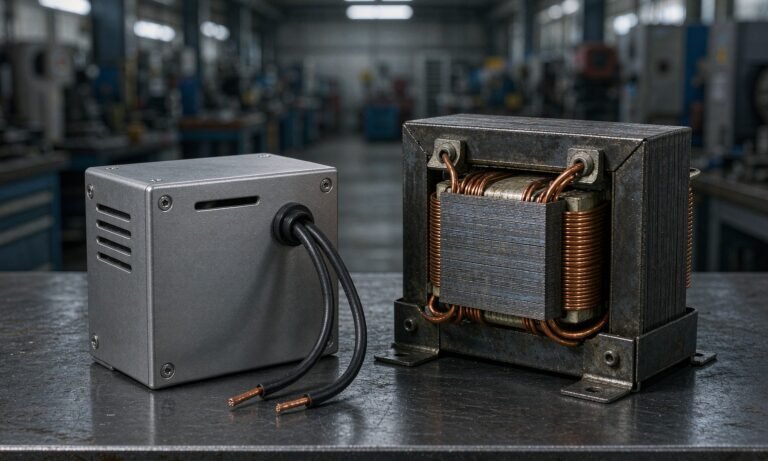
An autotransformer has a single winding with taps at different points. The 220V input connects across the full winding, and the 110V output connects across a partial tap. There is a single wire that is common to both primary and secondary, which means the 110V ground and the 220V ground are electrically connected through the transformer.
An isolation transformer has two physically separate windings. The 220V winding connects to the input, the 110V winding connects to the output, and there is no electrical connection between them. A grounded electrostatic shield sits between the two windings to block capacitive coupling of noise from primary to secondary.
The result: an autotransformer changes voltage but shares the ground. An isolation transformer changes voltage and breaks the ground connection.
Why the difference matters
For most household appliances, the shared ground in an autotransformer does not matter. A kettle, a fridge, a hair dryer, a space heater, all of these work fine on a basic step down autotransformer. The ground loop between primary and secondary is not an issue because these devices do not have sensitive signal circuitry.
For audio gear, lab instruments, medical devices, and industrial controls, the shared ground is a real problem. Ground loops introduce 50Hz or 60Hz hum in audio, false readings in measurement instruments, and erratic behavior in control circuits. For these applications, isolation is not optional, it is required.
Where you must use isolation
The short list: medical equipment that touches patients, lab instruments measuring microvolt or microamp signals, audio gear with ground loop hum (turntables, tube amps, balanced XLR studio monitors), industrial PLCs and control boards that read sensor inputs, and any application where a noisy ground would cause a safety or accuracy issue.
If you are running a Hi-Fi system and you hear hum, the fix is an isolation transformer. If you are running a CNC machine and the controller resets randomly, the fix is an isolation transformer. If you are running a centrifuge in a lab and the readings drift, the fix is an isolation transformer.
When a step down autotransformer is fine
For heating elements, induction motors, resistive loads, and modern switching power supplies with their own input filtering, an autotransformer is the right pick. It is cheaper (about 25% less than isolation for the same VA), smaller (about 30% less volume), and lighter.
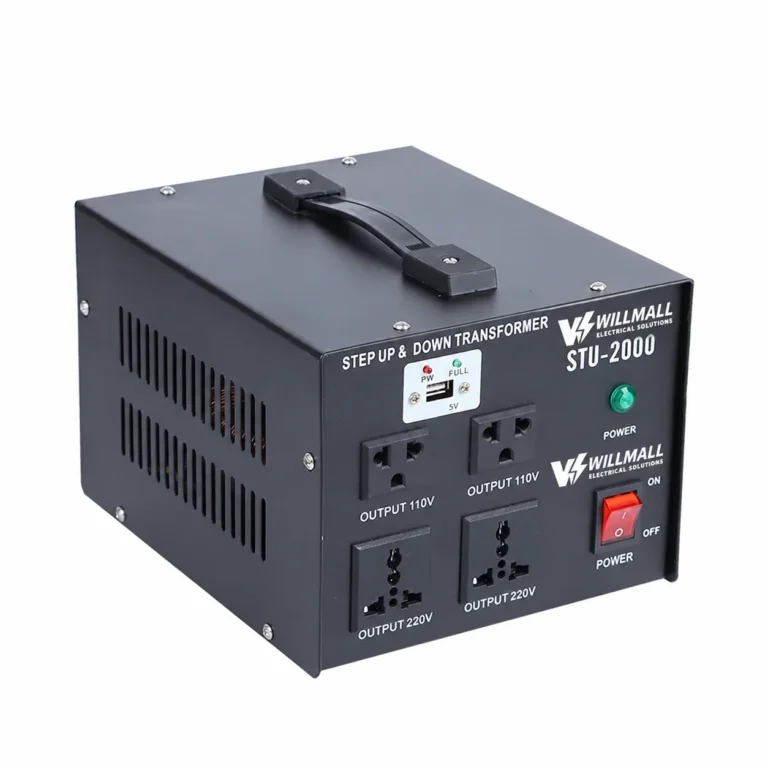
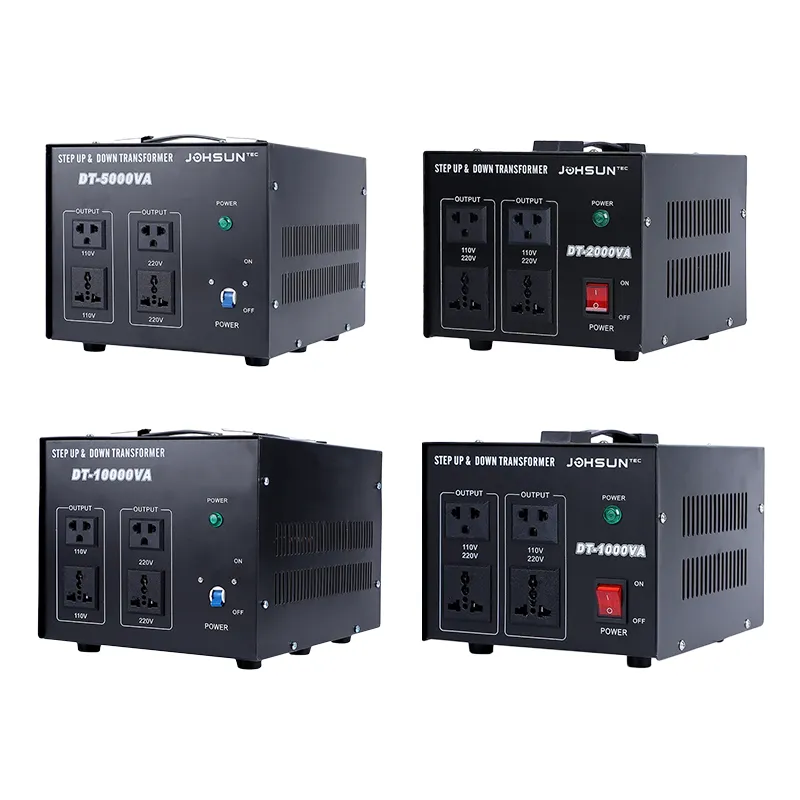
Most of what we ship from our line in Yueqing is the ST series autotransformer step downs in 500VA to 5000VA ratings. These cover the bulk of household and light commercial applications.
For a deeper look at wiring a step down safely, see our wiring diagram guide.
How we build both at our factory
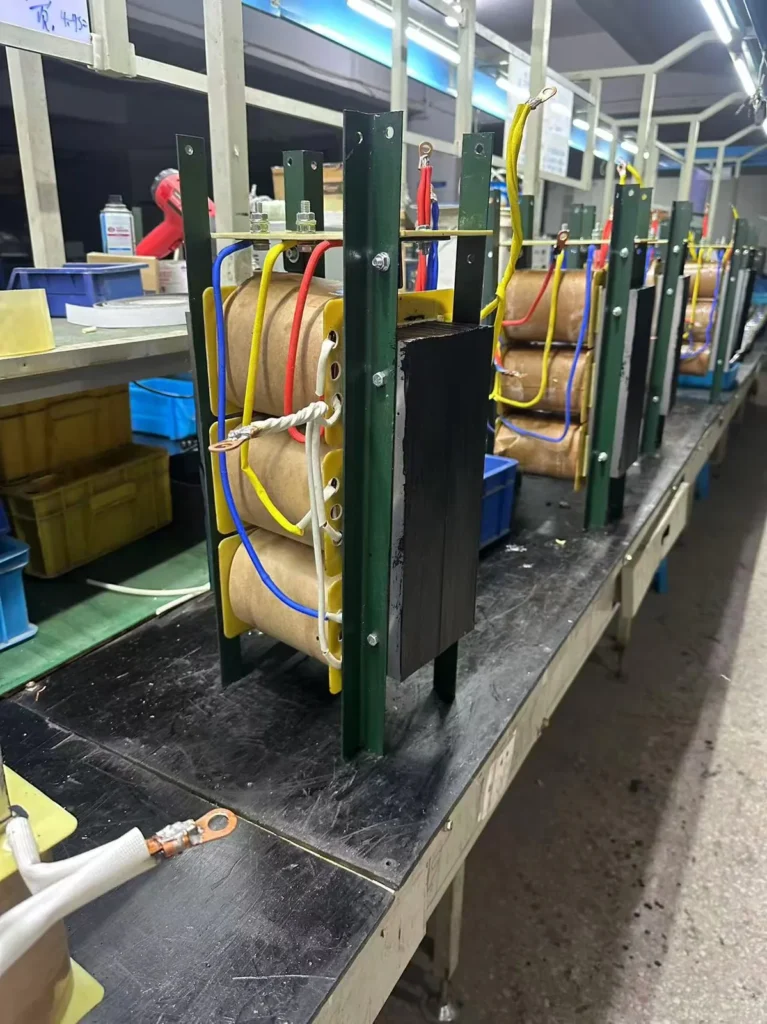
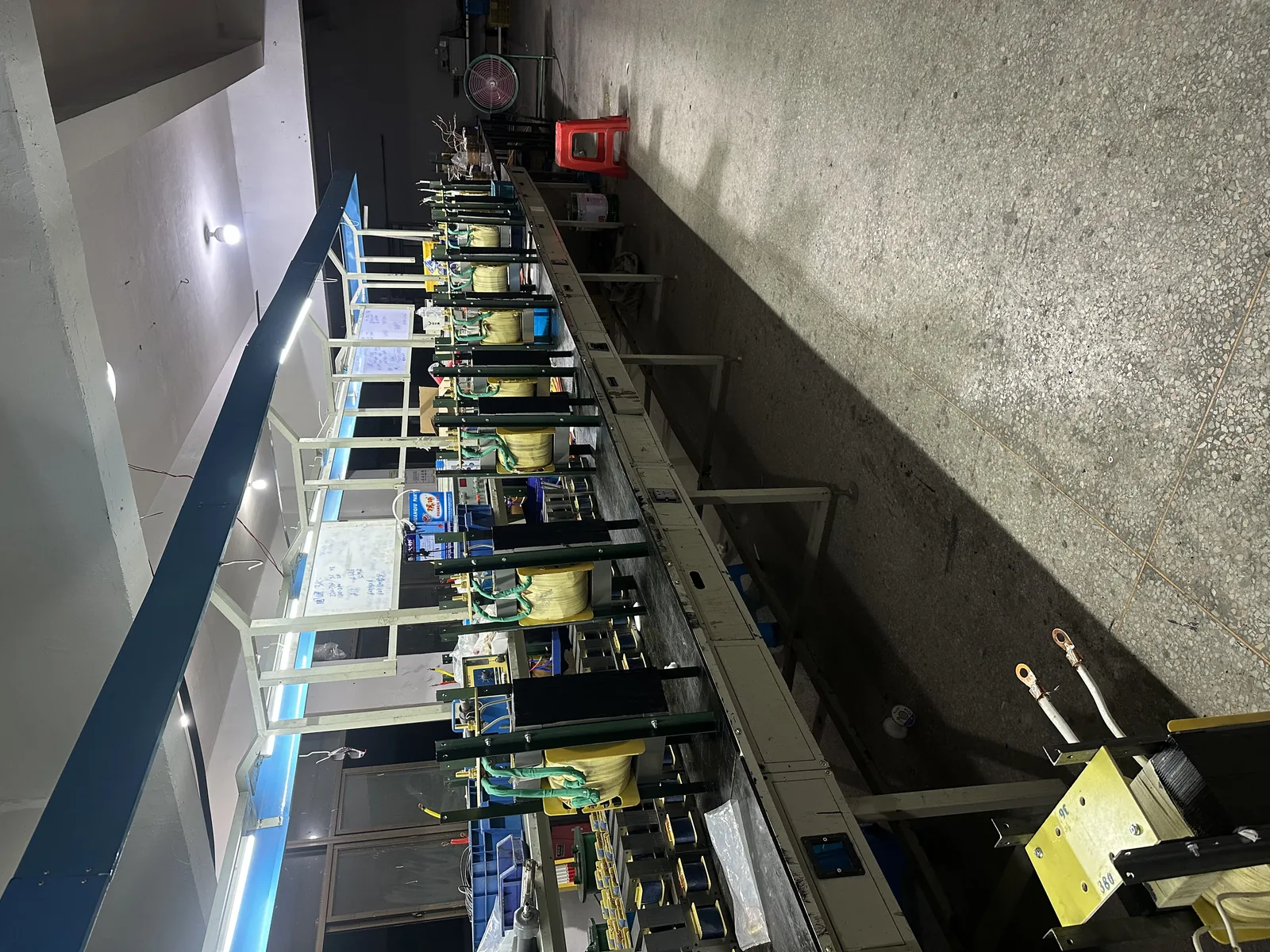
On our production line in Yueqing, the autotransformer and isolation transformer are built on the same core winder but with different winding configurations. The autotransformer is faster to wind and uses less copper, so it costs less. The isolation transformer needs two separate coils with an insulated shield between them, which adds about 30% to the labor and material cost.
Both go through the same final test: full load for 4 hours, voltage ratio check, insulation resistance check, and ground continuity check. We publish the same 12-month warranty on both.
Cost comparison and what you pay extra for
Let us be straight about the price difference. For the same VA rating, an isolation transformer costs about 25% more than an autotransformer in our factory pricing, and it is about 30% heavier. A 1000VA autotransformer ships at roughly 6 kg, while the isolation version is closer to 8 kg because of the second winding and the shield. That extra weight also adds to the freight cost, which matters if you are importing a container.
What you are paying for is the second winding, the electrostatic shield, and the labor to assemble and test them. If your application does not need isolation, that money and weight buy you nothing. If your application does need it, nothing else will do the job. The mistake to avoid is buying an isolation transformer for a kettle, where it just adds cost, or buying an autotransformer for a medical device, where it is a safety problem.
Safety considerations for both types
There is one safety difference worth understanding. With an autotransformer, the 110V output is not fully separated from the mains, so a fault in the appliance can in theory be referenced back to the mains neutral. With an isolation transformer, the output is floating, which gives you a layer of protection against electric shock in medical and wet environments.
Both types need the same care: a properly rated fuse or breaker on the input, a grounded case, and no running at over 80% of rating. We add RCD protection on the 110V output of the ST-2000 and above in both types. If you are buying for a hospital, a lab, or a spa, specify the isolation variant and we will make sure the shield is bonded to the case ground.
If you are unsure which type your project needs, send us the application and we will tell you within one message, and we will quote both versions so you can compare.
Medical device requirements
For medical equipment, isolation is not a preference, it is a safety requirement. Devices that touch patients, monitors, infusion pumps, dental equipment, must not have a direct electrical path from the 110V output back to the mains. An autotransformer keeps that path, an isolation transformer breaks it. This is why hospital-grade power systems always use isolation transformers with a floating secondary.
If you are importing 110V medical devices for use in a 220V country, specify the isolation variant and keep the secondary floating, do not ground it unless the device instructions require it. We can supply the ST isolation series with medical-grade bonding and the test certificate that your equipment acceptance review will ask for.
Lab and test equipment
Laboratory instruments are the second biggest isolation customer. Oscilloscopes, spectrum analyzers, sensitive multimeters, and reference sources all reference their measurements to the ground at their input connector. If that ground carries mains noise from an autotransformer, the measurements drift and the instrument reports phantom signals.
The same isolation rule applies to EMC testing and any equipment that shares a ground with switching power supplies. One isolation transformer feeding the test bench cleans the ground reference for the whole setup, and it protects the instrument’s input stage from ground transients when other equipment on the bench switches.
Which to stock as a reseller
If you are a reseller deciding what to stock, the answer is both types, with a clear split. Autotransformer step downs cover 80% of the market, household appliances, tools, and electronics that do not need isolation. The isolation variant covers the profitable 20%, medical, lab, and high-end audio buyers who will pay a premium and come back for more.
The practical stock mix is 70% autotransformer across 1000VA to 3000VA, and 30% isolation in 500VA to 2000VA. The isolation units turn over slower but carry a 25 to 35% higher margin, which balances the cash flow. We can supply both types with your brand label from a 10 pcs minimum each.
When an autotransformer is dangerous
There are situations where an autotransformer is not just wrong, it is unsafe. The dangerous case is any appliance where the secondary side touches a person, the body, or water, and a fault could reference the mains back to the appliance. Medical devices, dental chairs, massage and physiotherapy equipment, and any gear used in wet conditions belong on an isolation transformer.
The second risky case is equipment with exposed metal that a user touches while grounded through another device. A guitar amplifier through an autotransformer, touched by a player standing on a damp floor, creates a shock path that the isolation transformer removes. If the application involves skin contact or water, isolation is the safety decision.
Testing isolation with a multimeter
You can verify that a transformer is truly isolating with a simple multimeter test. With the transformer unplugged, measure the resistance between the 110V output terminal and the 220V input terminal. An autotransformer shows a low resistance, a few ohms, because the windings are shared. An isolation transformer shows an open circuit, because the windings are separate.
For a grounded isolation transformer, the shield between the windings connects to the case ground, so measure between the output terminal and the case ground as well. The reading should be open. If you see continuity to ground, the shield or the winding insulation is compromised, and the unit should not be used for sensitive equipment until it is checked.
If you are choosing between the two types for a single purchase and the price difference is the deciding factor, weigh it against what the appliance is worth. An isolation transformer protecting a 2000 dollar lab instrument or a 1500 dollar tube amp is cheap insurance at 25% more than the autotransformer. The same 25% on a 30 dollar kettle is money wasted. The rule of thumb we give buyers is simple: if the appliance costs more than five times the transformer, buy the isolation version; if it costs less, the autotransformer is fine.
What is the difference between an isolation transformer and an autotransformer?
An autotransformer has a single winding that is shared between the input and output. An isolation transformer has two separate windings with no electrical connection between them, plus a grounded shield. The isolation version breaks ground loops and blocks mains noise, the autotransformer does not.
When do I need an isolation transformer instead of a step down?
You need isolation for medical equipment, lab instruments, audio gear with ground loop hum, sensitive industrial controls, and any application where a noisy ground would cause problems. For heating elements, motors, and most household appliances, an autotransformer is fine and cheaper.
Is an isolation transformer more expensive than a step down?
Yes, usually 20 to 30% more for the same VA rating. The extra cost comes from the second winding and the electrostatic shield between them. For most buyers exporting household appliances to 220V countries, the autotransformer is the right pick.
Can I convert an autotransformer to isolation by adding a ground wire?
No. Adding a ground wire to the secondary does not break the electrical link between primary and secondary windings. Isolation requires a physical separation of the windings, which only an isolation transformer provides.