220V vs 240V: What Is the Difference for Transformers?
Buyers ask us all the time whether 220V and 240V are the same thing, usually after their transformer or appliance behaved differently than expected. The honest answer is that they are two points on the same nominal band, and for step down transformers the difference is real but manageable. Here is the factory-floor view.
Where 220V and 240V actually come from
Historically, 220V was the standard in continental Europe, China and Russia, while 240V was used in the UK, Australia, New Zealand, and much of Africa and the Middle East. The two standards came from different national grid decisions decades ago, and they persist because changing a national grid is expensive.
Then came the 230V compromise. The EU harmonized on 230V as a nominal standard, and many countries now label themselves 230V even though their grid actually runs closer to 220V or 240V in practice. That is why you see all three numbers on transformer datasheets.
What the 20V gap means in practice
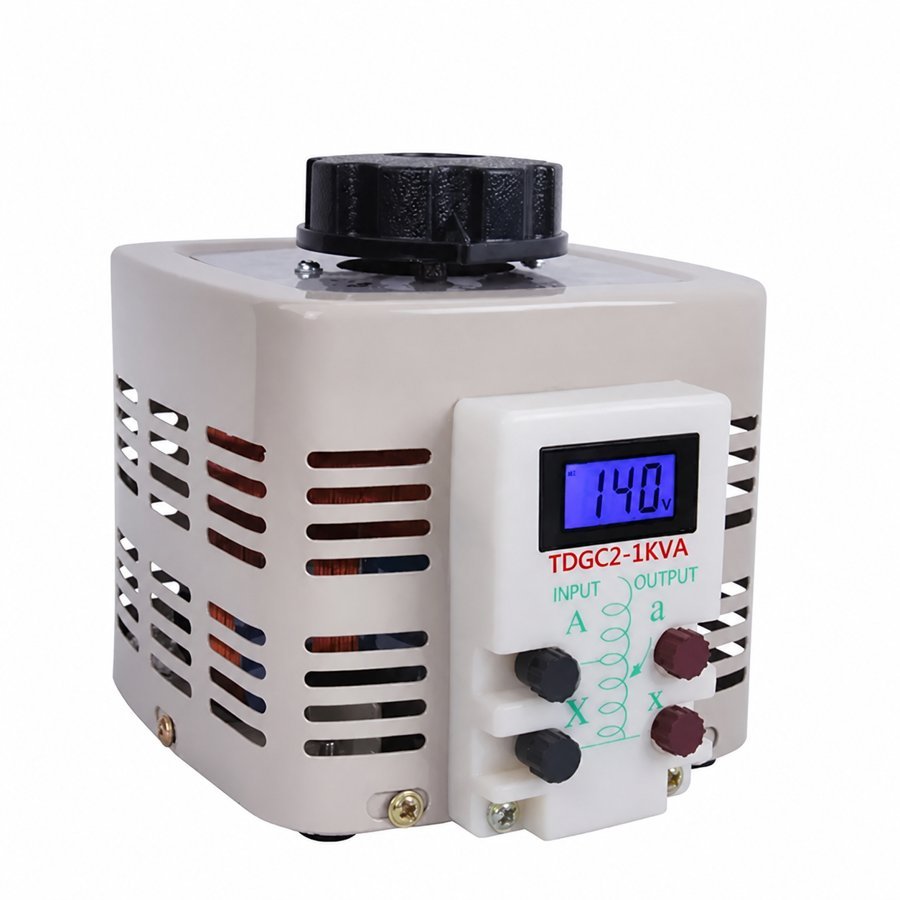
A transformer rated for a fixed 220V input, fed from a 240V grid, will run about 9% hotter on the core and deliver about 9% more output voltage, so a nominal 110V output becomes about 120V. That is still fine for most 110V appliances, but the extra heat shortens transformer life.
A transformer rated for the full 220V to 240V input range handles both grids without extra heat. This is why we build the ST series to the full range: it ships to Europe, the Middle East, Africa and Asia without the buyer needing to think about which nominal voltage their grid uses.
How it affects your 110V appliances
On a 220V grid, an ST series unit outputs about 110V. On a 240V grid, the same unit outputs about 120V. Both are within the operating range of appliances rated 110V to 120V, which covers essentially everything sold in the US.
The thing that actually kills appliances is not the 20V gap, it is skipping the transformer entirely. A 110V appliance on 240V mains dissipates four times the designed heat and fails fast. The 20V difference between grids is a rounding error compared to that.
Choosing the right transformer for your grid
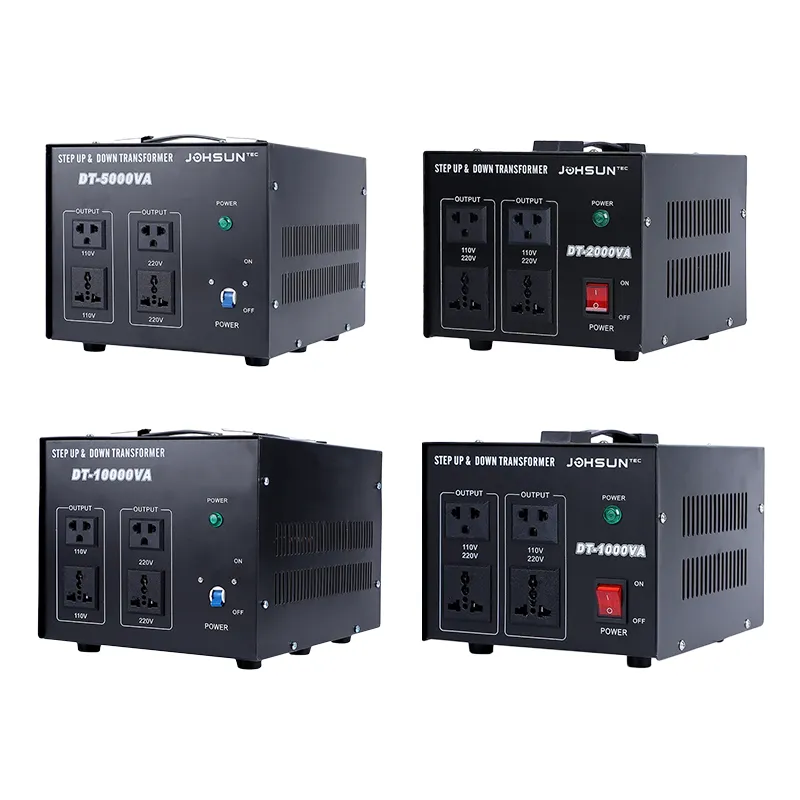
Check the input range on the label before you buy. If it says 220V only, it is built for continental Europe, China and Russia. If it says 220V to 240V, it is built for the world, and that is what we recommend for anyone shipping to multiple markets or buying for a country whose grid varies.
If you are buying a transformer for your own home, tell us your country and we will confirm the input range. If you are an importer stocking transformers for multiple markets, the 220V to 240V input range is the only version worth carrying.
For more on transformer fundamentals, see our VA vs Watts guide and the voltage by country tool.
What your multimeter will show
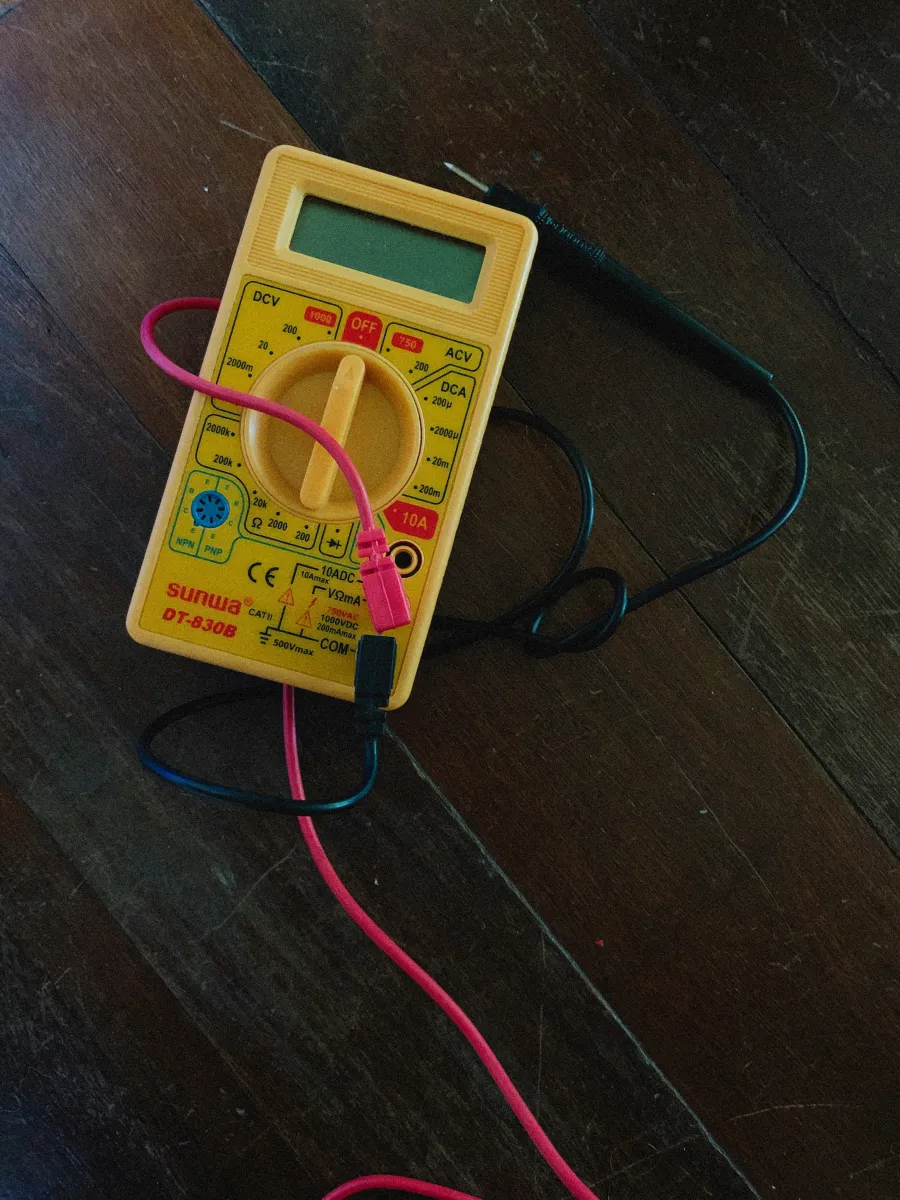
If you want to see the 220V vs 240V difference yourself, measure it. Set a multimeter to AC voltage and read the wall socket in your country. In Germany you will typically see 228 to 232V. In the UK you will see 235 to 242V. In China it is usually 220 to 228V. The reading drifts with the time of day and the local load, which is why transformer datasheets list a range rather than a single number.
Measure the transformer output the same way, between the 110V socket and neutral. On a 224V input you should read about 112V output, and on a 240V input about 120V. If your multimeter shows something far outside 105 to 125V at light load, the transformer may have the wrong taps or a developing fault, and it is worth a quick check with us.
Plugs and sockets by country
The voltage question and the plug question go together, and the plug is where most buyers get caught. A transformer with a Type F Schuko plug fits Germany, Spain, Portugal and Russia. A Type G plug fits the UK, Ireland, Malaysia and the Middle East. A Type N plug fits South Africa and Brazil. A Type A or B plug fits the US, Japan and the Philippines, which matters if you are buying a transformer that steps 110V up to 220V for a 220V appliance.
We ship the ST series with the input plug matched to your market, and we can supply interchangeable plug heads for multi-market resellers. Tell us the countries you sell to, and we will fit the right plug on every unit, so your customers never need an adapter on the input side.
Choosing the right input rating
When you order a step down transformer, confirm the input rating matches your actual grid. For continental Europe, China and Russia, a unit rated 220V input is fine. For the UK, Ireland and most of Africa and the Middle East, order the 220V to 240V input version so you have margin on the higher grid voltage. Our ST series ships with the full 220V to 240V input rating as standard, so one model covers every market and you never have to match a specific nominal voltage.
If a supplier offers you a transformer with a fixed 220V input and you are on a 240V grid, walk away. It will run hot and die early.
Generators and their output
Generators complicate the voltage picture because their output depends on load and engine speed. A generator that idles at 240V no-load can sag to 215V under a heavy load, and the frequency sags with the engine speed, so you can see 48Hz on a loaded small generator. A step down transformer faithfully divides whatever it receives, which means the 110V output sags proportionally.
If your transformer is generator-fed, add a stabilizer or use an inverter generator, which regulates both voltage and frequency electronically. We see more generator-fed transformer failures in markets with load-shedding, and a stabilizer is the cheap insurance that prevents the whole chain from running undervoltage.
Frequency vs voltage for transformers
Transformers care about frequency as well as voltage, and the two interact. A transformer designed for 60Hz fed with 50Hz runs hotter because the core saturates more per cycle. Our ST series is rated 50/60Hz, so it runs correctly on both, but single-frequency transformers from other suppliers can overheat if you feed them the wrong frequency.
For buyers, this matters most when a 60Hz US appliance meets a 50Hz grid through a transformer. Most modern electronics handle both, but motors with synchronous timing, like old turntables and some clocks, run at the wrong speed on 50Hz regardless of the transformer. If you are running one of those, the transformer fixes the voltage, but the frequency difference is a separate issue.
Flicker and brownout tolerance
The voltage on most grids flickers with the local load, and the tolerance your transformer sees depends on the grid quality. A transformer rated 220V to 240V input handles the normal swing, but deep brownouts below 200V make the output sag below 100V, which undervoltage appliances with motors and compressors.
If your area has deep brownouts, a stabilizer ahead of the transformer holds the input at a usable level. Our STU series integrates basic surge and brownout handling in one unit, which is the simpler option for buyers who do not want two boxes. For heavy industrial areas, the separate stabilizer is the more robust choice.
Nominal voltage and tolerance
The nominal voltage on the grid label is the target, not the constant. A grid labeled 230V runs anywhere from 218V to 242V depending on the load and the time of day, which is the standard tolerance band. The transformer sees all of it, and a unit rated for the full 220V to 240V input handles the whole band without stress.
This is why we rate the ST series 220V to 240V and recommend it everywhere. A transformer rated at exactly 230V would sit at the edge of its range half the time, and a fixed 220V unit on a 240V grid runs hot forever. The wide input range is not a marketing feature, it is the engineering answer to real grids.
Buying for mixed markets
For importers who distribute to multiple countries, the input range decision is the one that prevents a warehouse of wrong units. A single ST series model with the 220V to 240V input range covers Europe, the Middle East, Africa, and Asia, and only the plug changes between markets. If you stock the wide-range unit with interchangeable plugs, one SKU serves every market you ship to.
The alternative, stocking fixed-220V units for continental Europe and fixed-240V units for the UK and Africa, doubles your SKU count and your dead-stock risk. We recommend the wide-range model as the single stock keeping unit, with the plug fitted at the factory per order, which is the configuration most of our multi-market distributors use.
One more distinction worth keeping straight: the voltage you measure at the wall is not the same as the voltage your appliance actually sees through a transformer. The transformer multiplies or divides the input by its turns ratio, and the output follows the input, so a 235V input gives roughly a 117V output on a 2:1 step down. If the grid drifts to 245V, the output drifts to 122V, which is still fine for a 120V appliance. The tolerance chain is one reason the wide input range matters, it keeps the output inside the appliance’s accepted band across the whole grid swing.
Is 220V and 240V the same thing?
No. 220V is common in parts of Europe, China and Russia. 240V is used in the UK, Australia, and much of Africa and the Middle East. Both are within the 220V to 240V nominal band, but the actual measured voltage can sit anywhere in that range depending on the grid.
Can a transformer rated 220V work on a 240V supply?
Yes, if it is rated for a 220V to 240V input range like our ST series. A transformer rated strictly at 220V input would run slightly hotter and output a slightly higher voltage on a 240V supply. Always check the input range on the label.
Does the 20V difference affect my 110V appliance?
A transformer with a 220V to 240V input range and a 110V to 120V output will deliver about 110V on a 220V grid and about 120V on a 240V grid. Modern appliances handle that range fine. The thing that kills appliances is skipping the transformer entirely.
Is 230V the same as 220V or 240V?
230V is the compromise standard that the EU harmonized on. Many countries nominally say 230V but actually run closer to 220V or 240V in practice. A transformer rated 220V to 240V input covers all of these, which is why we build the ST series to that full range.