Washing Machine Step Down Transformer: 220V to 110V Guide
A 110V washing machine is one of those appliances where the wrong step down transformer fails on the very first spin cycle. The motor surge at spin start is far above the running draw, and a transformer sized only for the label wattage will sag and overheat. Here is how we size for washing machines on our line, and why the answer is usually 1500VA or 2000VA.
Why washing machines need careful sizing
A washing machine has three loads at once: the drum motor, the water pump, and on many models a heating element for hot wash. The motor alone pulls 300 to 600W running, but the startup surge at spin is 2 to 3 times that for a second or two. If the machine also heats water, add 1200 to 2000W during the heating phase.
That combination is why a 1000VA unit is only enough for small compact machines. Full-size 110V washing machines, especially ones with a heater, want 1500VA minimum and 2000VA to be safe.
Motor surge and the 80% rule
The math we use: take the machine’s peak running watts (motor plus heater if fitted), multiply by 1.5 for the spin surge, and keep the result under 80% of the transformer rating. A machine that peaks at 1200W gives you 1800W after surge margin, which lands you on a 2000VA unit. A machine that peaks at 700W with no heater fits a 1500VA comfortably.
Running a transformer above 80% of rating on a washing machine is worse than on other appliances because the load is on-off-on-off through the whole cycle. Each surge cycle stresses the windings and the thermal cutoff.
Heater-equipped machines
Many washing machines sold as 110V export models include a water heater element for the hot wash program. That element is the single biggest load on the machine, often 1200 to 1800W on its own. When the heater is on, the motor and pump are usually off, so the peak is the heater wattage plus a bit, not everything at once. Still, size for the heater wattage, because that is the sustained load during the heating phase.
If your machine has a heater and a 1500W element, a 2000VA transformer is the minimum. A 1500VA unit would run at the edge of its rating for the full heating time and overheat.
Recommended Wilmall models
- ST-1500 (1500VA) — for compact and mid-size 110V washing machines without a heating element, up to about 900W peak.
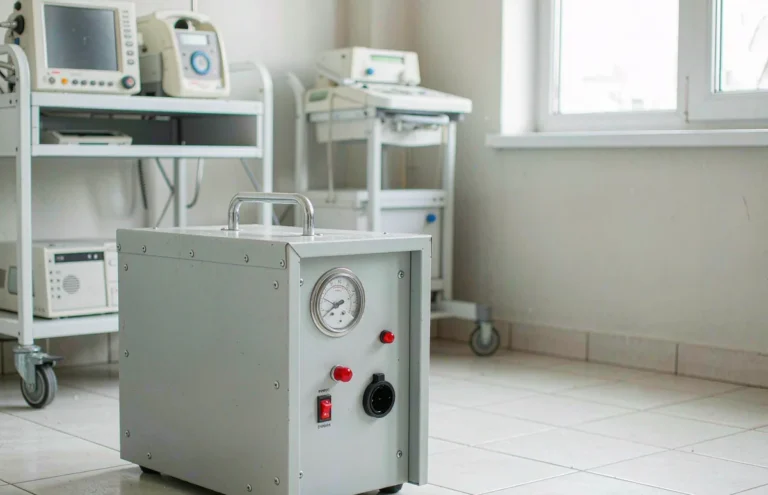
- ST-2000 (2000VA, with RCD) — for full-size machines and any model with a water heater element.
- ST-3000 (3000VA) — for commercial washers, hotel laundry rooms, or a washer plus dryer on one transformer.
Every ST series unit is copper-wound, Class B insulated, and tested at full load for 4 hours before packing. We ship from 10 pcs with a 12-month warranty.
Installation notes
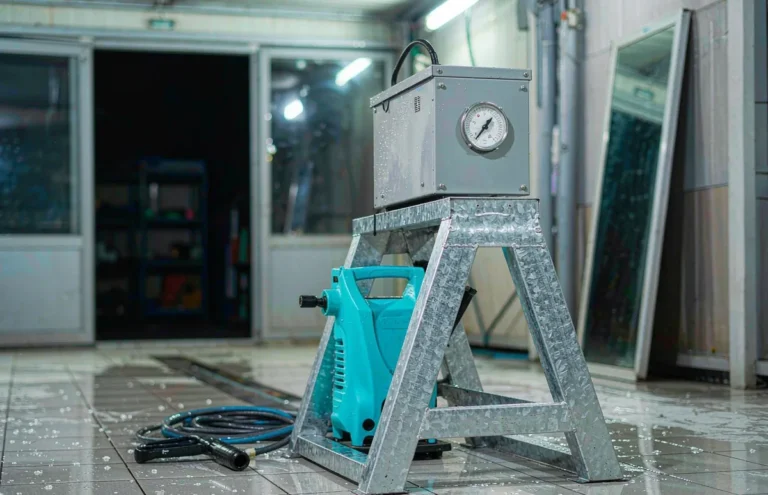
Put the transformer close to the machine but not in a sealed cabinet. Washing machines live in humid spaces, so keep the transformer off the floor and in a ventilated spot. The 110V output of the ST-2000 has RCD protection, which is exactly what you want near water.
For other high-surge appliances, see our air conditioner sizing guide and the general step down selection guide.
Front load vs top load differences
Front-load washing machines and top-load machines draw power differently, and it affects sizing. Front-load machines use a smaller motor with a slower spin and a heating element for hot wash, so their peak is the heater wattage during the wash phase. Top-load machines have a bigger motor for the agitator and a faster spin, so their peak is the motor surge during spin.
In practice both land on the same transformer size. A front-load machine with a 1500W heater and a 300W motor peaks at about 1800W during heating, which is a 2000VA transformer. A top-load machine with a 600W motor peaks near 1800W during spin surge, also a 2000VA. The difference matters more for the duty cycle: a front-load machine keeps the heater on for longer, so the transformer runs at high load for longer stretches.
If you are importing washers for resale, tell your customers which type they have and we will confirm the size. It avoids the most common phone call we get, a customer who bought a 1000VA for a front-load machine with a heater and wonders why it trips.
Warranty and support
Every ST series unit carries a 12-month manufacturing warranty, and we stand behind it with a replacement policy, not a repair queue. If the transformer fails inside the warranty period for a manufacturing reason, we ship a replacement with the next batch to your forwarder, which keeps your stock intact.
The support we give importers matters more than the warranty paperwork. We publish the full spec sheet for every model, we answer sizing questions within one working day, and we provide the CE and test reports your customs broker needs. For distributors, we can print your brand on the label and the carton, and we will hold the correct transformer sizes in stock for your reorders so the lead time stays at 15 to 25 days.
Commercial laundromat setups
For a laundromat or a hotel laundry room running US-spec 110V commercial washers, the transformer setup is a small power system, not an appliance accessory. A commercial washer pulls 800 to 1500W with a heavy motor surge, and running several on one transformer is asking for trouble. We design laundromat layouts as one 5000VA transformer per two washers, with the dryers on separate units because a dryer’s heating element and a washer’s motor surge do not mix on one transformer.
The layout rule that prevents failures is isolating the heating loads from the motor loads. Dryers, which are pure heating, are easiest on a transformer. Washers, which are motor-heavy, need the surge headroom. When they share a transformer, the dryer’s steady draw leaves no headroom for the washer’s spin surge, and the transformer trips at the worst moment.
Vibration and transformer mounting
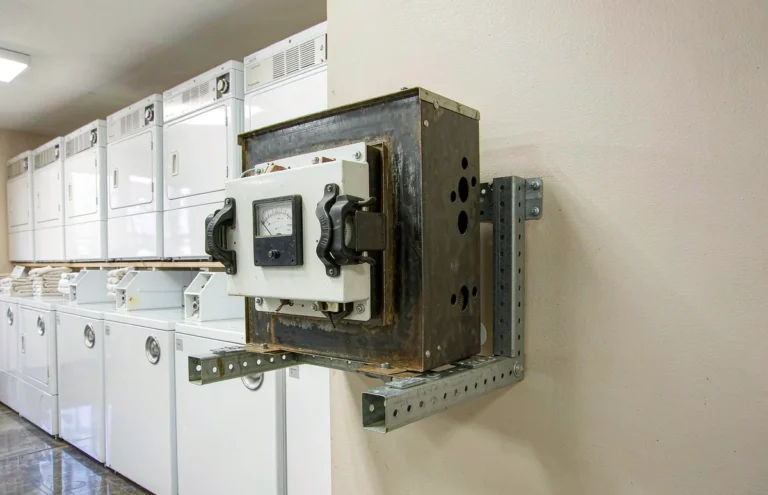
Washing machines vibrate, and if the transformer sits on the same floor as the machine, the vibration shakes the transformer’s internal connections loose over time. Mount the transformer on a wall or a shelf, not on the floor next to the machine, and use rubber feet if the wall mount is not possible.
The vibration issue is worse with front-load machines, which spin at 1200 to 1600 rpm and transfer more energy to the floor. A transformer on a solid wall bracket with rubber isolation is immune to the daily shaking and will outlast one that shares the machine’s floor.
Energy labels and consumption
US appliance energy labels give you the annual kWh, which is the honest number for running costs, and it also tells you the average running draw you can expect. A fridge-freezer labeled 400 kWh per year averages about 45W, but it peaks at several times that during the compressor cycles, which is exactly the surge pattern the transformer must handle.
When you are sizing a transformer for a washing machine, ignore the energy label’s annual figure for sizing and use the peak watts instead, which are printed on the rating plate as the maximum connected load. The energy label is for the electricity bill, the rating plate is for the transformer.
Water pump and drain motor loads
A washing machine has more than the drum motor. The water pump that drains the tub is a smaller motor, usually 80 to 150W, but it runs under load while the drum is full of water, and it surges on every start. The drain phase, which combines the pump and the drum motor, is a second surge event in every cycle that the transformer must absorb.
When you size a transformer for a washing machine, count both motors. The drum motor at 300 to 600W and the pump at 100 to 150W can run together during spin and drain, so the peak is the sum plus the surge. This is another reason the 1500VA is the practical minimum and the 2000VA the safe size.
Appliance bundles for importers
For importers selling US washing machines in 220V markets, bundling the transformer with the machine is the highest-converting strategy. The customer’s biggest objection is the uncertainty about power, and a bundle that includes the right transformer removes it. We can supply the ST-2000 with the machine in one shipment, labeled to match the machine’s brand.
The bundle economics work because the transformer is a small fraction of the machine’s price, and the margin on the bundle is higher than on the machine alone. Importers who offer the bundle also see fewer post-sale support calls, because the sizing question is answered at the point of sale.
One more sizing note for washing machines: the water inlet valve and the control board are part of the load too, and modern machines have more electronics than older ones. The control board draws 5 to 15W continuously, and the inlet valve surges briefly when filling. These are small numbers, but they are part of the total, and they matter when you are running a machine that is already at 75% of the transformer rating. Counting the electronics and the pump in the total gives you the honest peak, which is what the transformer must handle without sagging.
What size step down transformer do I need for a washing machine?
A 110V washing machine pulls 300 to 900W running, with a motor surge of 2 to 3x at spin start. We recommend a 1500VA or 2000VA step down transformer for most machines. The 2000VA with RCD is the safest pick if your machine also has a water heater element.
Do washing machines need an isolation transformer?
No. A standard autotransformer step down works fine for washing machines. The motor and heater are not sensitive to ground loops. What matters is VA headroom for the motor surge and a grounded 110V output for the machine’s metal frame.
Can a washing machine share a step down transformer with other appliances?
We do not recommend it. The spin cycle surge plus another appliance on the same transformer can exceed the VA rating. Give the washing machine its own 1500VA or 2000VA unit, especially during the spin phase.
Will a 1000VA transformer run a washing machine?
Only for very small compact machines under 500W running. Most full-size 110V washing machines need 1500VA minimum. If your machine has a built-in water heater (common on European 110V export models), step up to 2000VA.