1000W vs 2000W Step Down Transformer: How Much Power
Most buyers I talk to want the smallest step down transformer that will run their appliance. That is the right instinct for cost and weight, but it is the wrong instinct for reliability. The rule of thumb we use on our line: size at 1.3 times the running wattage, and never run a transformer above 80% of its rating. Here is how that plays out between the 1000W and 2000W sizes.
The 80% rule
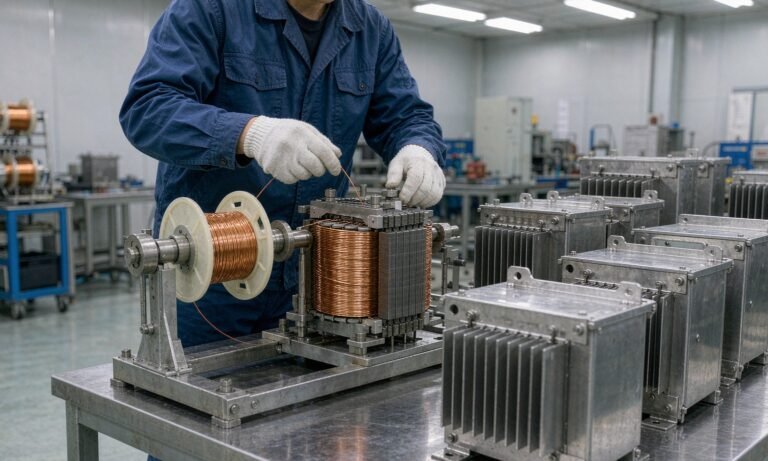
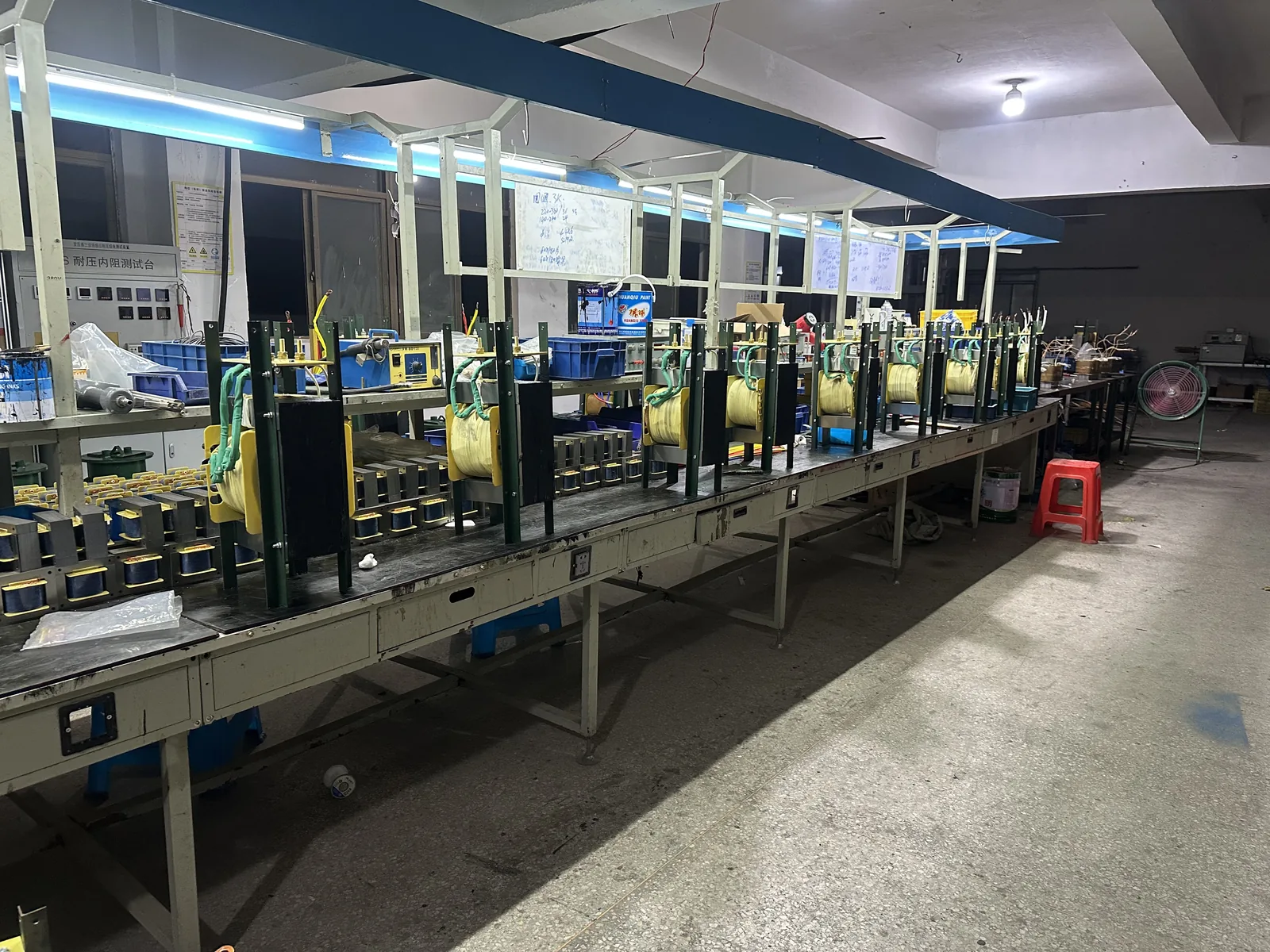
Electrical components last longer when they run cooler. A transformer rated at 1000VA continuous is designed to dissipate heat at that load, with a Class B insulation that can handle 130 deg C on the windings. Running it at 100% load all day keeps the windings right at the edge of the rated temperature. Running it at 80% load keeps the windings at about 65% to 70% of rated temperature, which doubles the insulation life.
For household use where the transformer runs for hours a day (kitchen appliances, AV gear, office equipment), the 80% rule is the difference between a transformer that lasts 8 years and one that lasts 15 years.
1000W vs 2000W head to head
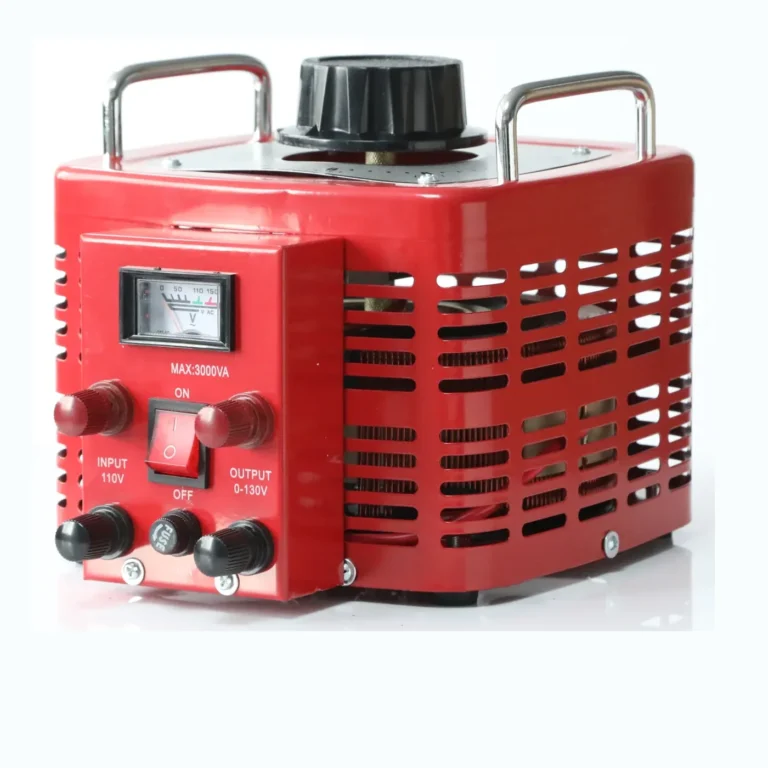
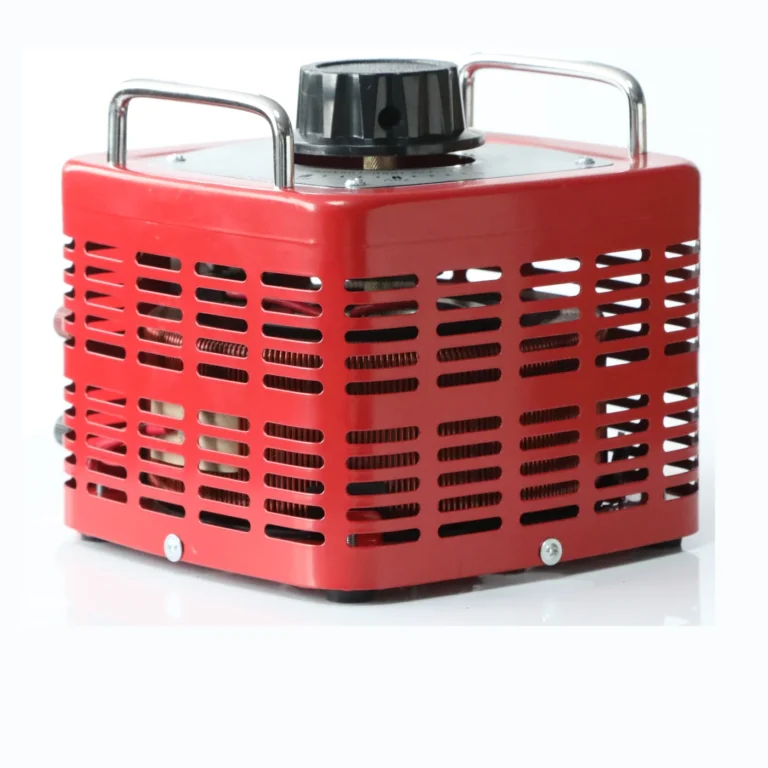
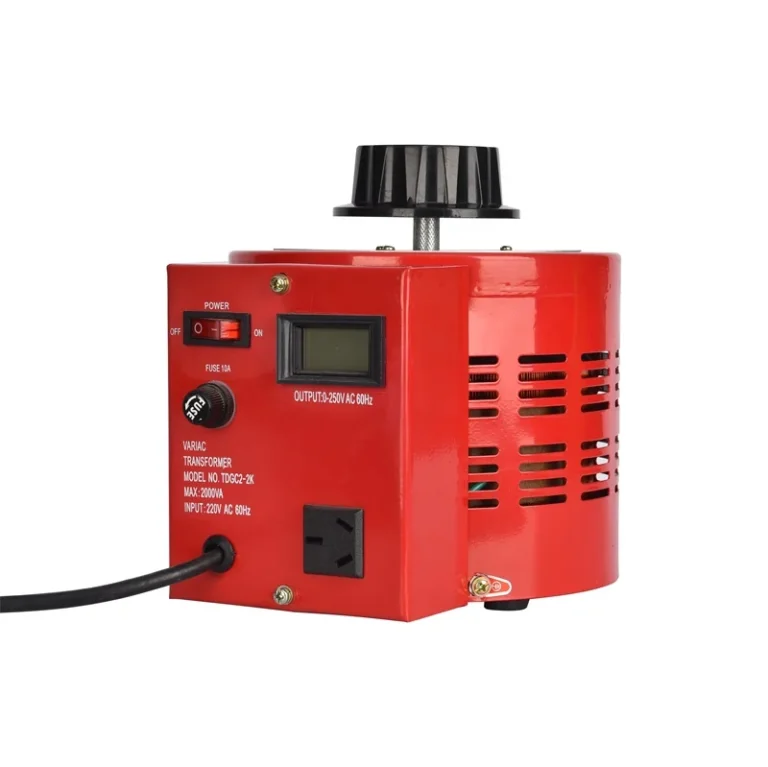
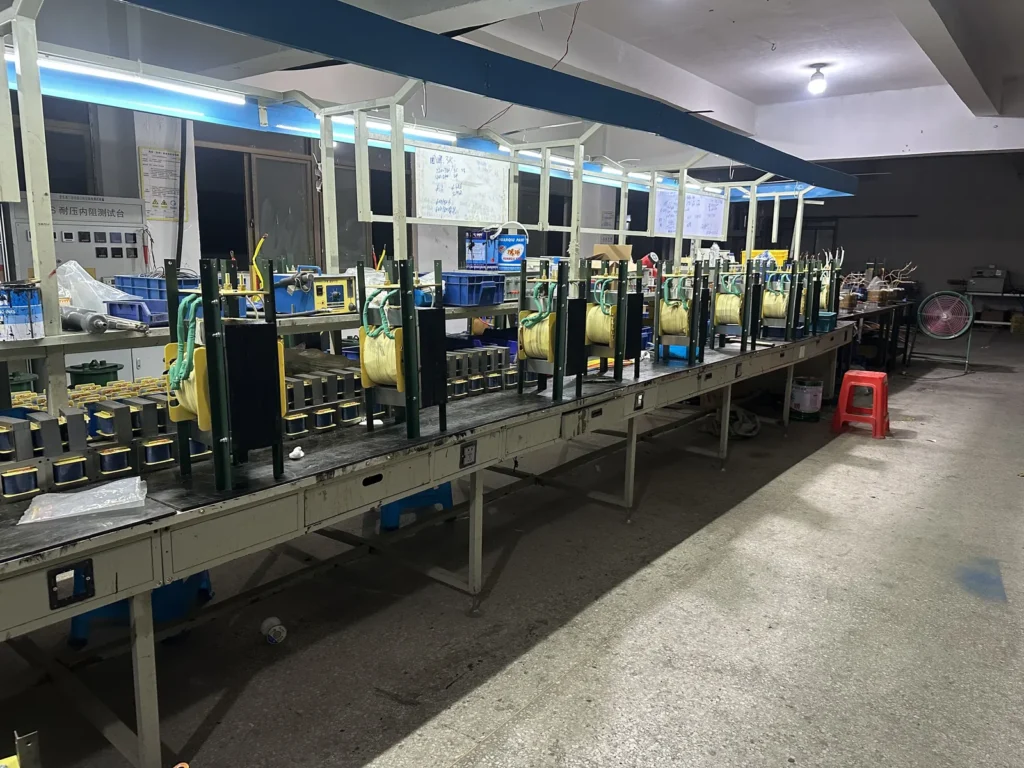
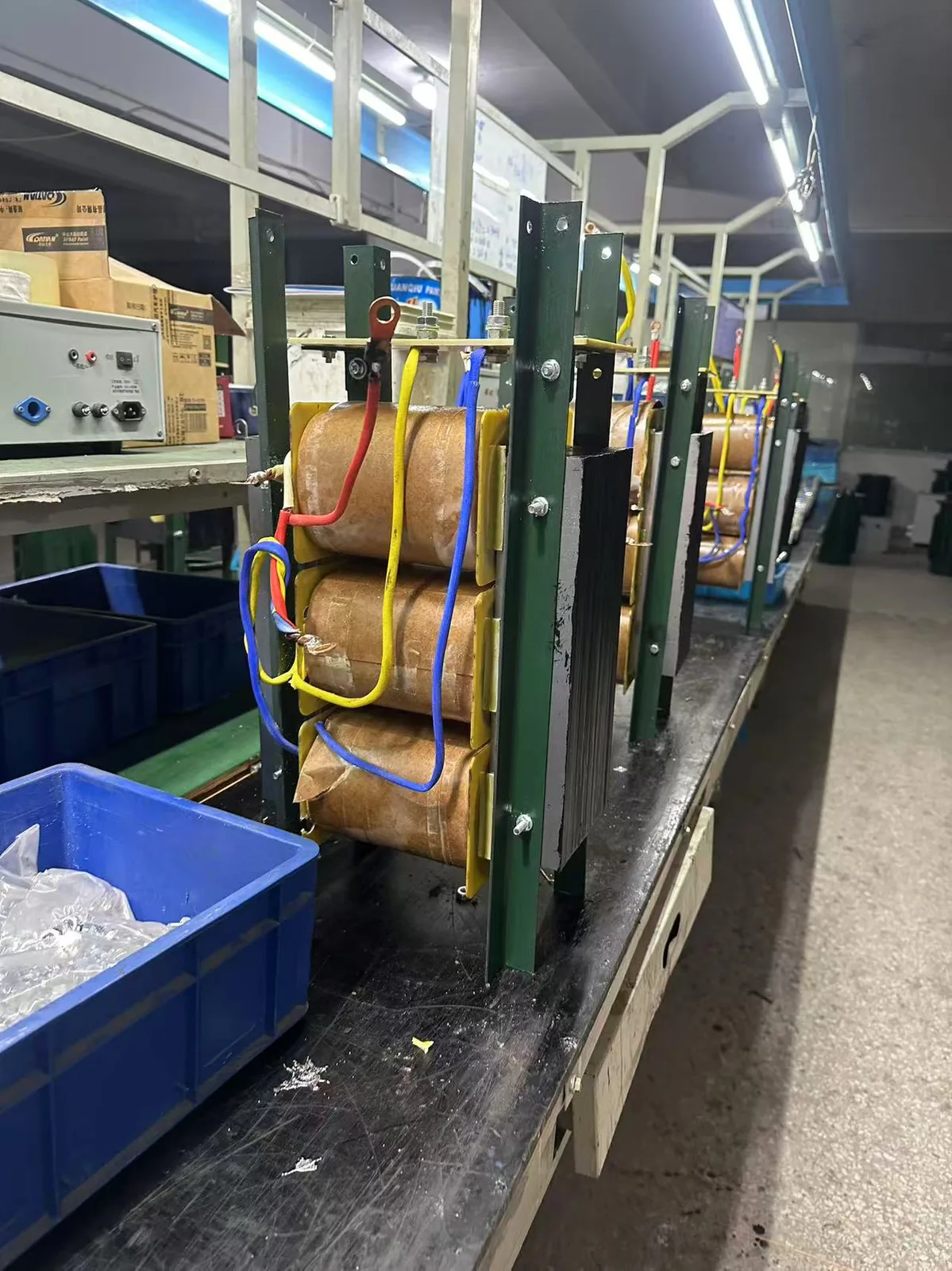
The 1000W ST-1000 weighs about 6 kg, runs cool up to about 700W continuous, and costs less to ship and stock. The 2000W ST-2000 weighs about 11 kg, runs cool up to about 1400W continuous, and has the room for a larger core and copper windings. The 2000W also has RCD protection on the 110V output, which we recommend for any kitchen or bathroom appliance.
For a buyer who is running one or two 110V appliances that draw under 600W total, the 1000W is the right pick. For a buyer who is running multiple appliances or a single high-draw appliance (microwave, espresso machine, large AV receiver), the 2000W is the safer pick.
Common appliances at each size
- 1000VA covers: 110V TV (under 200W), Bluetooth speaker, single laptop charger, 110V desk lamp, 110V fan, 110V monitor under 30 inch.
- 2000VA covers: 110V microwave (700 to 1100W), 110V espresso machine (1200 to 1500W), 110V home theater receiver (200 to 400W plus powered sub), 110V hair dryer (800 to 1800W at low setting), two or three mid-range 110V appliances on the same circuit.
If your appliance list goes above 1400W total, step up to the 3000VA or 5000VA STU series.
Which one should you buy
For a single 110V appliance under 700W, buy the 1000VA. It runs cool, costs less, and lasts long. For a 110V appliance between 700W and 1400W, or for multiple appliances on one transformer, buy the 2000VA. The extra VA costs more upfront but saves the transformer from running hot, which saves you from replacing it in 3 years.
If you are not sure, send us the model numbers and wattage of your 110V appliances. We will tell you which transformer fits and which one will give you the longest life. We ship from 10 pcs, with 15 to 25 days lead time, FOB Ningbo or Shanghai.
For other sizing questions, see our air conditioner sizing guide and general step down selection guide.
Physical size and shipping cost
The jump from 1000VA to 2000VA is more than double the price tag, it is also a big jump in weight and box size. A 1000VA ST-1000 weighs about 6 kg and ships in a small carton. A 2000VA ST-2000 weighs about 11 kg and takes noticeably more warehouse space. If you are an importer paying per cubic meter, the difference in freight is real, though it is small compared to the price difference of the units themselves.
For a single customer buying one unit, the weight difference is rarely a reason to downsize. The reliability gain from headroom is worth the extra 5 kg. For a container order, the mix matters: most of our distributor customers order 60% 2000VA, 30% 1000VA, and 10% 3000VA to 5000VA, which balances coverage and freight.
Buying for a whole house
If you are outfitting a whole home with 110V appliances, the smart move is not one giant transformer, it is one transformer per zone. A 2000VA unit for the kitchen, a 1000VA for the AV rack, and a 1000VA for the bedroom appliances. This gives you redundancy, shorter 110V cable runs, and the ability to isolate a failing zone without cutting power to everything.
A single 5000VA unit for a whole house sounds simpler, but the 110V cabling from one central point gets long and the failure mode takes everything down at once. Our distributor customers in the Middle East and Africa report fewer service calls with the per-zone layout.
If you are not sure how many zones you need, send us your appliance list with wattages and we will draw up the layout, including the transformer sizes and the cable gauges, within one working day.
Power factor and VA vs watts
There is a distinction between watts and VA that matters when you are sizing a step down transformer. Watts are the real power your appliance uses. VA is the apparent power, which includes the reactive component from motors and switching supplies. A transformer is rated in VA because the core and windings must handle the apparent power, not just the real power.
For resistive loads like heaters, watts and VA are nearly equal. For motor loads like fridges and tools, the power factor is 0.6 to 0.8, so a 600W motor draws 750 to 1000VA. This is why we size with the 80% rule and tell you to use the VA rating, not the watts, when matching a transformer. If you only know the watts of your appliance, add 20 to 30% before picking a VA size.
Voltage drop on long cable runs
When the transformer is far from the appliance, the cable between them drops voltage, and that drop is part of the load the transformer sees. A long thin cable at high current can drop 5 to 10 volts, which means the appliance at the far end runs below its rated voltage and draws more current to compensate.
The fix is thicker cable, not a bigger transformer. For a 10 meter run at 10 amps on the 110V side, use 2.5 square millimeter cable at minimum. If you are running 15 meters or more, step up to 4 square millimeters. Keep the transformer close to the appliance and use short thick leads, and you will never see a voltage-drop-related appliance failure.
Seasonal loads and future-proofing
The other reason to buy the 2000VA over the 1000VA is the seasonal load. A 1000VA unit that is perfect for a summer setup of a TV and a fan becomes inadequate in winter when a 1500W space heater joins the circuit. Buying one size up now avoids a second purchase in three months, and the price difference is small compared to the hassle.
Future-proofing also covers appliances you do not own yet. If there is any chance a 110V microwave or espresso machine joins your setup, the 2000VA is the one purchase that covers both current and near-future loads. We tell every buyer the same thing: the 2000VA is the cheapest insurance you can buy for a growing household.
Two real setups to learn from
Here is how the choice plays out in practice. A buyer in Dubai runs a 55 inch TV, a soundbar, and a PS5, all 110V, and the peak draw is about 400W. The 1000VA ST-1000 runs this at 40% load, cool and silent, and it was the right call. Another buyer in the same city runs a microwave, an espresso machine, and a fridge on 110V in the kitchen, peaking near 1600W. That setup needs the 2000VA, and running it on a 1000VA unit caused trips every morning until the upgrade.
The pattern is simple: electronics and AV fit on 1000VA, kitchens with heating elements need 2000VA. When in doubt, draw the appliance list, add the peaks, and compare against the 80% rule.
Upgrade paths without waste
If you bought a 1000VA and your needs grew, the upgrade does not have to be wasted money. The 1000VA moves to the AV rack or the bedroom, and the 2000VA takes over the kitchen. We see this two-step path from buyers all the time, and it is a sensible way to grow, each transformer ends up in a zone where it runs comfortably.
If you are buying your first transformer and you expect the appliance list to grow, start at the 2000VA and skip the intermediate step. The price difference between the sizes is small relative to the cost of buying twice, and the 2000VA covers a kitchen plus a living room with room to spare.
There is also the question of the transformer’s own rating margin in hot climates. A transformer rated for 40 degrees ambient delivers its full VA only up to that temperature. In a Dubai summer, a 1000VA unit in a warm cupboard is effectively derated to 800VA, which is why we recommend the next size up for buyers in hot countries, even for appliances that fit the smaller size on paper. The 2000VA in a hot climate behaves like the 1000VA in a cool one, which is the margin you are paying for.
What is the difference between 1000W and 2000W step down transformers?
A 1000W (1000VA) step down transformer can deliver 1000 watts of continuous load. A 2000W (2000VA) unit can deliver 2000 watts. The 2000W is physically larger, heavier, and more expensive, but it gives you more headroom for high-draw appliances like coffee makers or microwaves.
Which one do I need for a typical 110V appliance?
If your appliance is under 700W running, a 1000W step down is enough. If it is between 700W and 1400W, go with 2000W. If it is over 1400W (large microwave, big espresso machine), look at 3000VA or 5000VA. We size for 1.3x the peak running wattage with margin for surge.
Is it bad to oversize a step down transformer?
No, an oversized transformer runs cooler and lasts longer. But oversizing costs more upfront and the unit is heavier. For most household applications, the 1500VA or 2000VA is the sweet spot: enough headroom, not too heavy to move, not too expensive.
Can a 1000W transformer handle a 1200W appliance for a few minutes?
Briefly, yes. A 1000VA transformer can handle 1200W for a few minutes without tripping, especially if the duty cycle is not continuous. But running it at 120% of rating for longer than 10 to 15 minutes will overheat the windings. If your appliance pulls 1200W regularly, get the 2000VA.