How Long Do Transformers Last and When to Replace
A well-built step down transformer can easily outlast every appliance you plug into it, but a cheap one will fail in a few years. The difference comes down to design margin, winding material, and how the you it sits in your installation. After building thousands of these on our line, here is what actually determines lifespan.
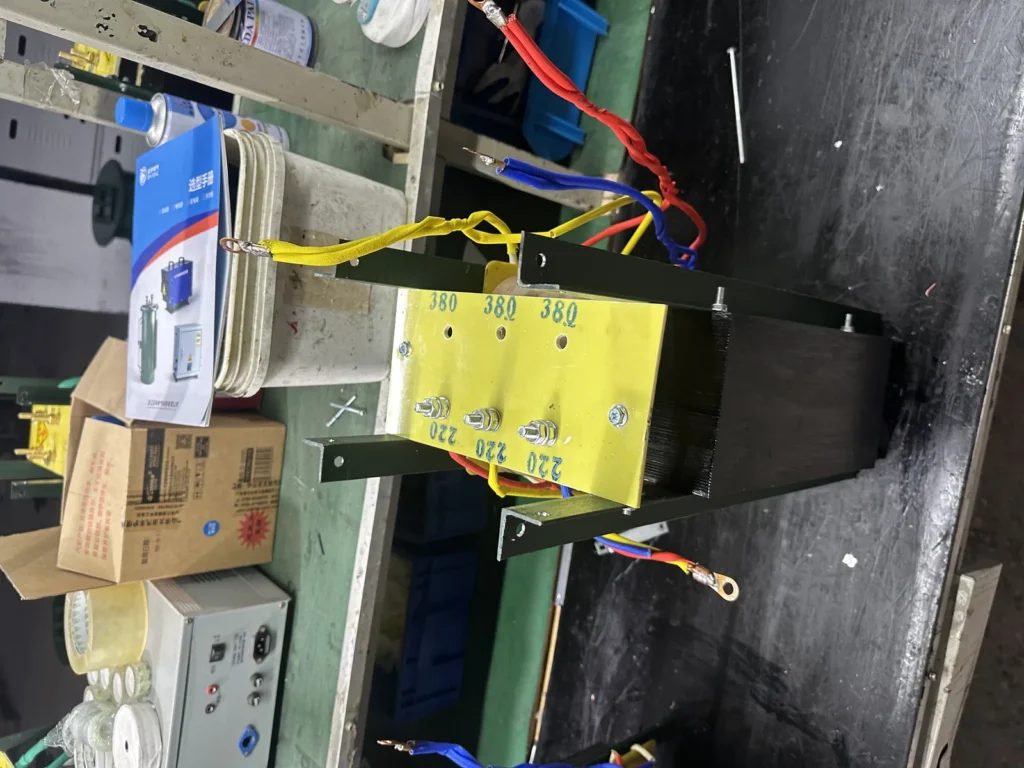
Typical lifespan of a low voltage transformer
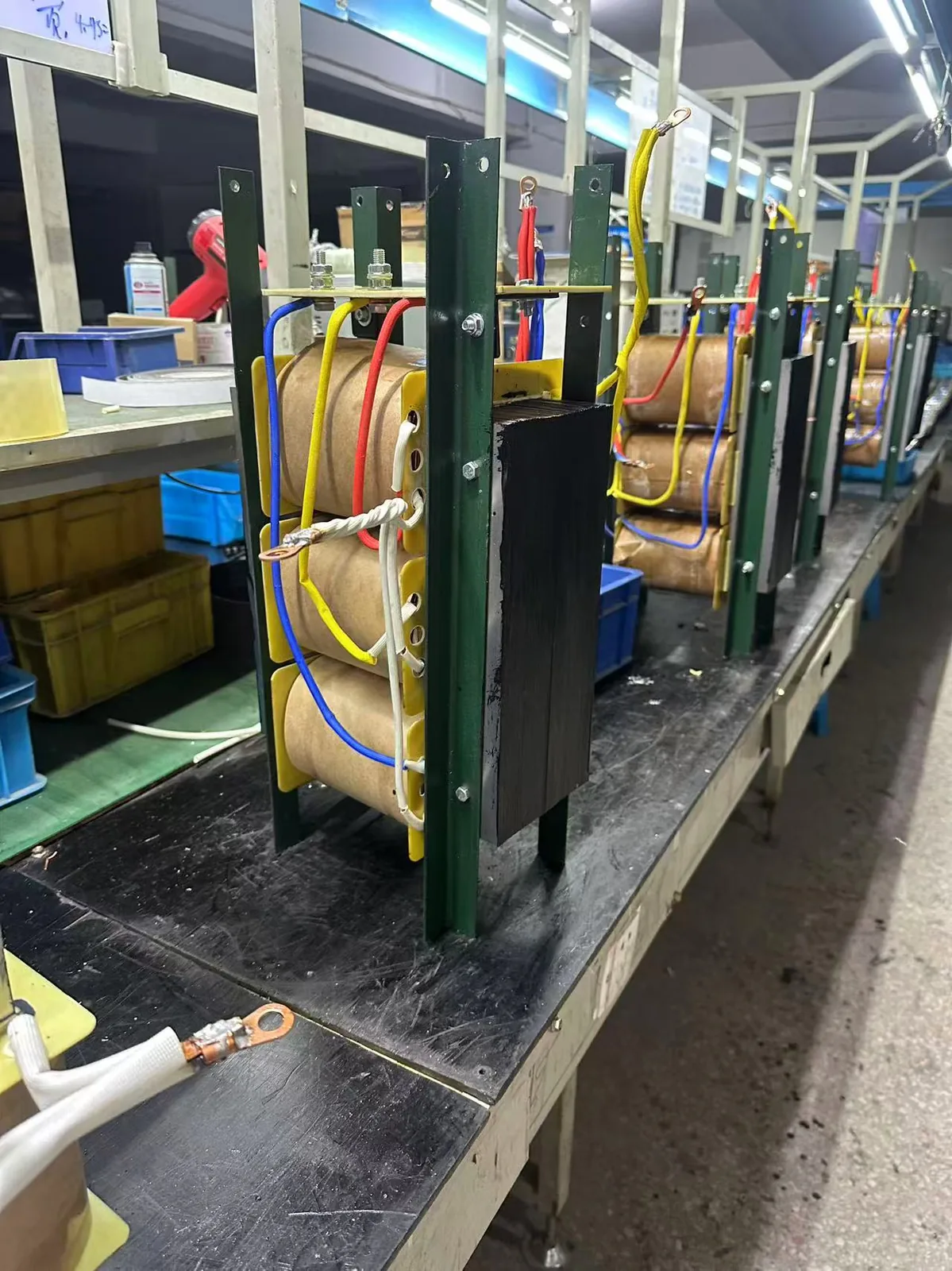
For a copper-wound transformer with Class B insulation, running at no more than 80% of its rated load in normal indoor conditions, the expected lifespan is 10 to 15 years. We have ST series units in the field that are still running after 12 years with no maintenance beyond keeping them clean.
For an aluminum-wound transformer, even with similar insulation class, the lifespan is typically 3 to 6 years. Aluminum wire has higher resistance than copper, which means more heat for the same load, which degrades the insulation faster.
For a no-name transformer with unknown winding material, undersized core, and no published load rating, the lifespan is a coin flip. We see warranty claims on these inside 2 years.
What shortens transformer life
Four killers, in order of how often we see them in warranty claims:
Continuous overload. Running a transformer above 80% of its VA rating for long periods cooks the insulation. The insulation starts as Class B (rated for 130 deg C) but degrades faster at sustained high temperature. A transformer running hot to the touch is living on borrowed time.
Poor ventilation. Putting a transformer inside a sealed cabinet or burying it behind other equipment blocks the convection cooling. The windings heat up, the insulation degrades, the transformer fails. We have seen this three times this quarter alone.
Voltage spikes from the mains. Lightning strikes, utility switching, and large motor loads on the same circuit can send spikes into the transformer primary. Each spike degrades the inter-winding insulation a little. Over years, the insulation breaks down and you get a short between primary and secondary.
Mechanical vibration. If the transformer core is not properly clamped or the laminations are loose, the 50Hz or 60Hz hum gets worse over time as the vibration loosens bolts and fractures solder joints. Eventually the winding shorts and the transformer is done.
Warning signs before failure
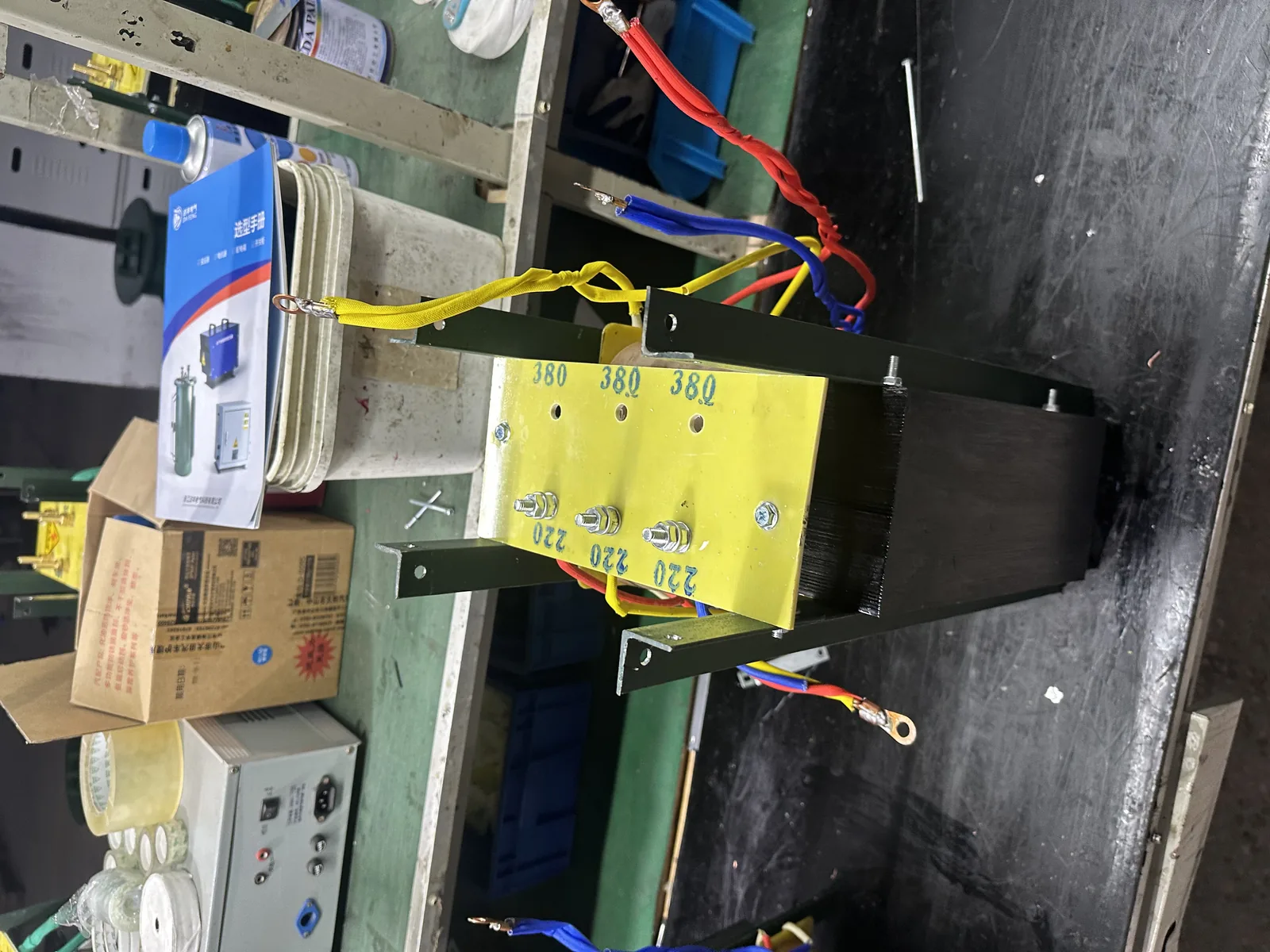
Watch for these: hum getting louder over weeks or months (loose laminations), a burning smell from the case (insulation overheating), visible discoloration on the case near the windings (heat damage), tripped thermal fuse that resets and trips again (overload), or output voltage drifting more than 5% from the rated 110V to 120V (winding shorts developing).
Any of these signs means the transformer is on its way out. Replace it before it fails completely, which can take the connected appliance with it.
Wilmall warranty and replacement
We back every ST series unit with a 12-month manufacturing warranty against defects. If the transformer fails inside that period for a manufacturing reason (loose laminations, winding defect, insulation failure), we replace it. Wear and tear from overload, environmental damage, or physical abuse is not covered, which is why we publish clear VA ratings and running guidelines.
For a long-life installation, the single best thing you can do is oversize the transformer. A 1000VA unit running at 600W will last twice as long as a 600VA unit running at 580W. The extra headroom keeps the windings cooler and the insulation happier.
For more on selecting the right VA, see our 1000W vs 2000W sizing guide.
Preventive maintenance checklist
A transformer needs almost no maintenance, but the few things that matter are worth doing twice a year. First, clean the dust off the case and out of the ventilation slots; a dust layer acts as insulation and traps heat. Second, check that the plug and the output socket are not discolored or loose, which indicates a poor connection building heat. Third, give the transformer a sniff test, literally, because the early sign of insulation breakdown is a faint electrical smell before any visible damage.
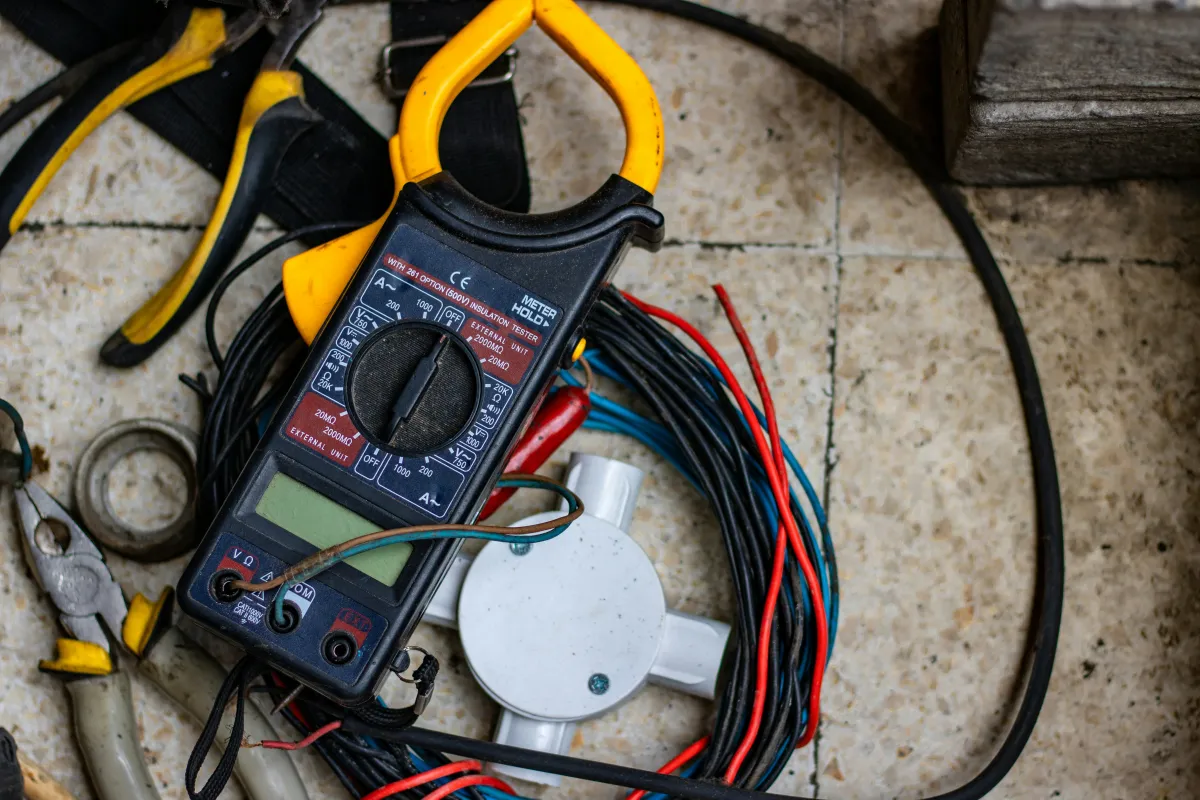
Fourth, check the output voltage with a multimeter once in a while. It should sit within 5% of the rated output at light load. If you see it drifting, the winding may be developing shorts, and the transformer should be replaced rather than repaired. This two-minute check is the cheapest insurance you have against a transformer failing in the middle of a busy workday.
Storage and transport tips
If you are an importer holding stock, how you store transformers matters as much as how they run. Keep them dry, off concrete floors, and away from direct sunlight. Moisture is the enemy, it gets into the windings and reduces insulation resistance over months of storage. A pallet with a vapor barrier and good airflow beats a sealed warehouse corner.
For transport, transformers are heavy but not fragile. The risk in a container is moisture condensation during the ocean crossing, especially in the tropics. Ship with silica gel packs if you can, and open the cartons on arrival to air the units before sale. If a unit has been stored for over a year, we recommend a simple insulation resistance check before it goes to a customer.
Every ST unit leaves our factory with a moisture-protected varnish dip and a sealed carton, but long storage is on the buyer, and this is the checklist we give to our own distributors.
Environment factors that shorten life
Beyond the four main killers, the environment quietly decides transformer lifespan. Dust that settles on the case and into the ventilation acts as a thermal blanket, so a transformer in a dusty workshop runs hotter than the same unit in a clean office. Humidity does the same thing in the other direction, moisture in the air gets into the windings and reduces insulation resistance over time, which is why coastal buyers see shorter transformer life.
Temperature is the compounding factor. For every 10 degrees Celsius the ambient temperature rises above 25, the winding insulation ages roughly twice as fast. A transformer mounted in a hot attic or an unventilated enclosure is living on borrowed time compared to one in a cool, ventilated room. If your installation runs warm, oversize the transformer by one step to buy back the margin.
Load profiles and duty cycles
The pattern of the load matters as much as the size. A transformer running a steady 500W for eight hours a day ages differently from one running 800W surges every ten minutes. The surge-heavy profile stresses the winding insulation with thermal cycling, which is the mechanical fatigue of heating and cooling, and it wears out the transformer faster than a steady load at the same average power.
When you are sizing, think about the worst duty cycle, not the average. A welding transformer that idles at 100W and surges to 1500W for a minute at a time has a worse duty profile than a fridge running 300W steady. We size surge-heavy applications with a bigger margin and recommend the fan-ventilated case for continuous industrial duty.
Factory test standards
Every ST series unit we ship passes a four-hour full load test, an insulation resistance test, a voltage ratio check, and a ground continuity check before packing. The full-load burn-in is the important one, it catches winding shorts and loose connections that would fail in the first week of a customer’s use.
When you compare suppliers, ask what their burn-in test is. A supplier that only does a no-load voltage check is shipping transformers that will fail on their first real load. Our test records are kept per batch, and we can provide the test certificate for your batch on request, which also helps your customers’ maintenance files.
Signs your transformer is undersized
The first sign of an undersized transformer is heat. If the case is too hot to hold after an hour at load, the transformer is running beyond its design margin. The second sign is the hum getting louder under load, which points to the core saturating. The third is the output voltage sagging more than 5% under load, which you can verify with a multimeter while the appliance runs.
If you see any of these signs, do not keep running the unit. An undersized transformer does not fail gracefully, it cooks its insulation over weeks and then shorts, often taking the appliance with it. The fix is simple and cheap, step up one size. We handle this conversation with customers every week, and it is always cheaper than the replacement bill for a fried appliance.
Batch testing and factory QC
The lifespan of a transformer starts at the factory, and the QC process decides whether the first-year failure rate is one in a thousand or one in ten. Our batch test covers every unit: full load for 4 hours, insulation resistance, voltage ratio, and ground continuity. Units that pass the burn-in have a first-year failure rate well under 1%.
When you compare suppliers, ask for their first-year failure rate and their batch test records. A supplier that cannot show either is shipping untested units. We keep per-batch test certificates for every shipment and provide them on request, which is also the document your customers’ maintenance teams will ask for on large orders.
How long does a step down transformer last?
A well-built step down transformer with copper windings and Class B insulation, used at no more than 80% of its rated load in normal indoor conditions, will last 10 to 15 years. Cheaper aluminum-wound units often fail within 2 to 3 years under the same conditions.
What shortens a transformer’s lifespan?
The four big killers are continuous overload, poor ventilation, voltage spikes from the mains, and mechanical vibration. If your transformer runs hot to the touch, sits in a sealed cabinet, or lives on a circuit with frequent brownouts, expect a shorter life.
How do I tell when a transformer needs replacing?
The signs are audible hum getting louder, a burning smell from the case, visible discoloration on the windings (only seen when you open the unit, do not do this on a live transformer), tripped thermal cutoff, or output voltage drifting outside spec. Any of these means replace it.
Does Wilmall warranty cover transformer replacement?
We back every ST series unit with a 12-month manufacturing warranty against defects. If the transformer fails inside that period for a manufacturing reason, we replace it. Wear and tear from overload or environmental damage is not covered, which is why we publish clear VA ratings and running guidelines.