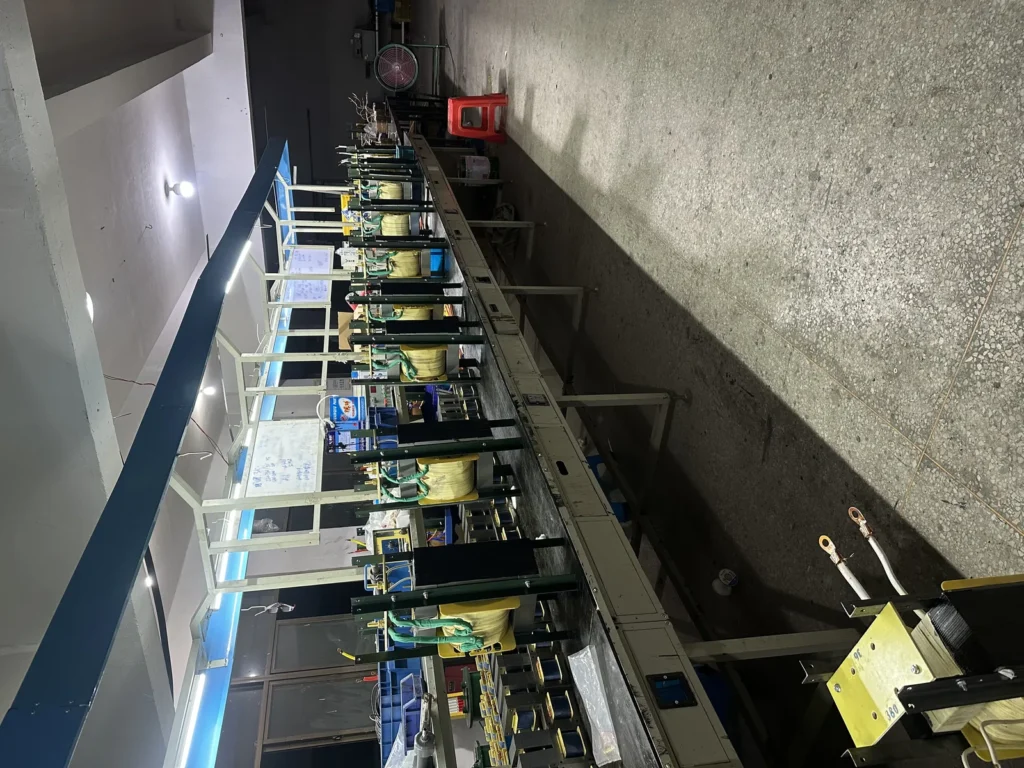
Step Down Transformer 220V to 110V for Coffee Machine
An espresso machine and a drip coffee maker draw very different currents, and the wrong step down transformer will either trip on the first shot or run so hot it smells like burning varnish by the third cup. I have heard both stories from buyers in the last month. The fix is the same: match the VA rating to the heating element, not to the nameplate.
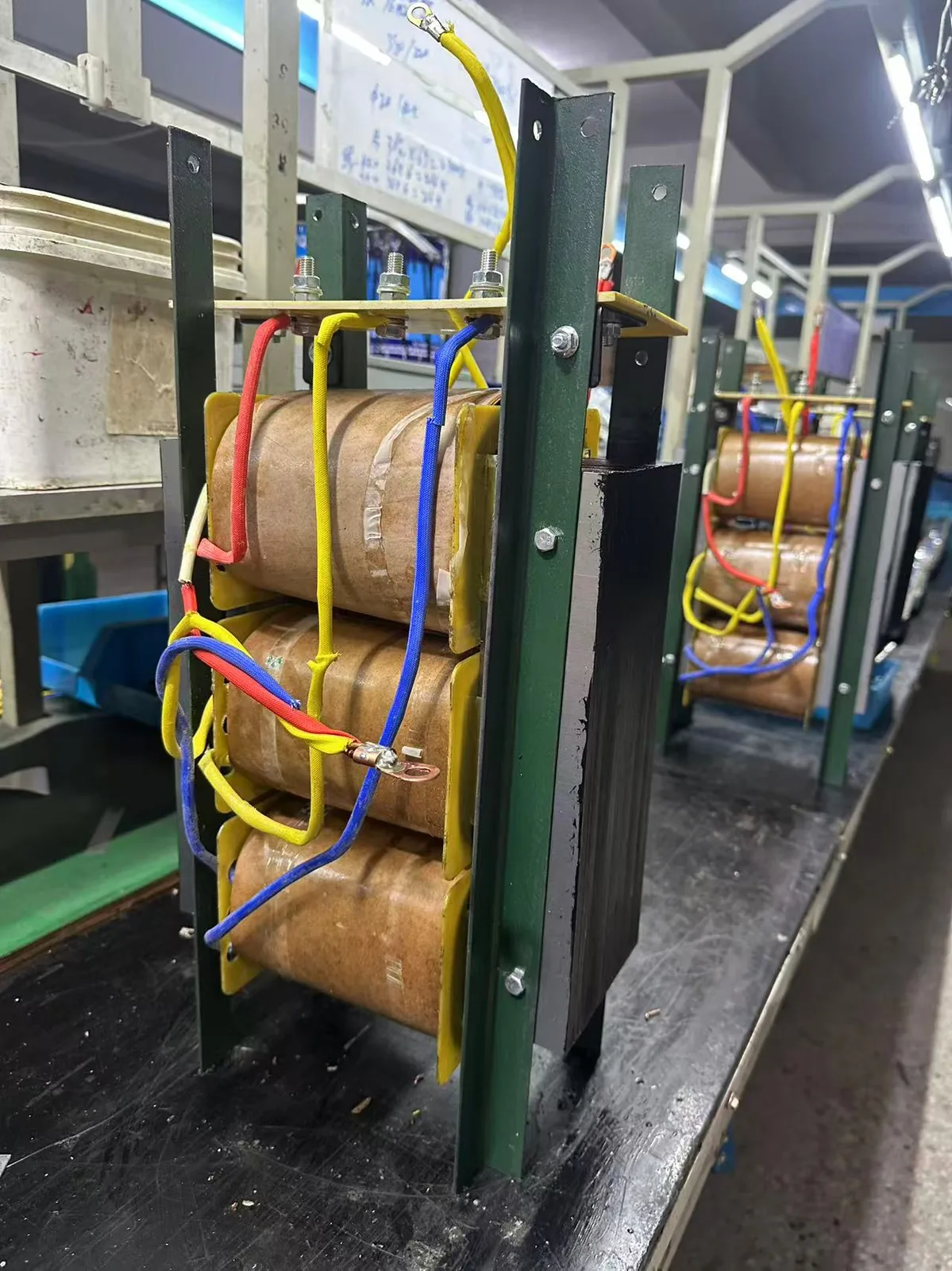
Coffee machine power draw
Two numbers matter. The first is the heating element wattage, which is what the boiler pulls when it is heating up. The second is the pump and electronics wattage, which is what the machine pulls while brewing. For a 110V espresso machine, the heating element is usually 1000W to 1500W and the pump is 100W to 200W, so a typical shot of espresso pulls about 1200 to 1400W while the boiler is heating.
For a 110V drip coffee maker, the heating plate is 800W to 1100W and the electronics are about 50W. Total running draw is 850 to 1150W.
Sizing for different machine types
Now, here is where most sizing guides go wrong. They tell you to multiply the running watts by 1.5 or 2 for surge, which is fine for motors, but heating elements have almost no surge. The element ramps up in 2 to 3 seconds, then stays flat. So for coffee machines, you do not need a huge surge margin. You need continuous-duty headroom so the transformer does not run at 95% of its rating for the 90 seconds it takes to heat the boiler.
The rule we use on our line: size the transformer at 1.2 to 1.3 times the peak running wattage, and never run a transformer above 80% of its rating for more than a few minutes. So for a 1300W espresso machine, we ship a 2000VA unit. For a 900W drip coffee maker, a 1500VA unit is plenty.
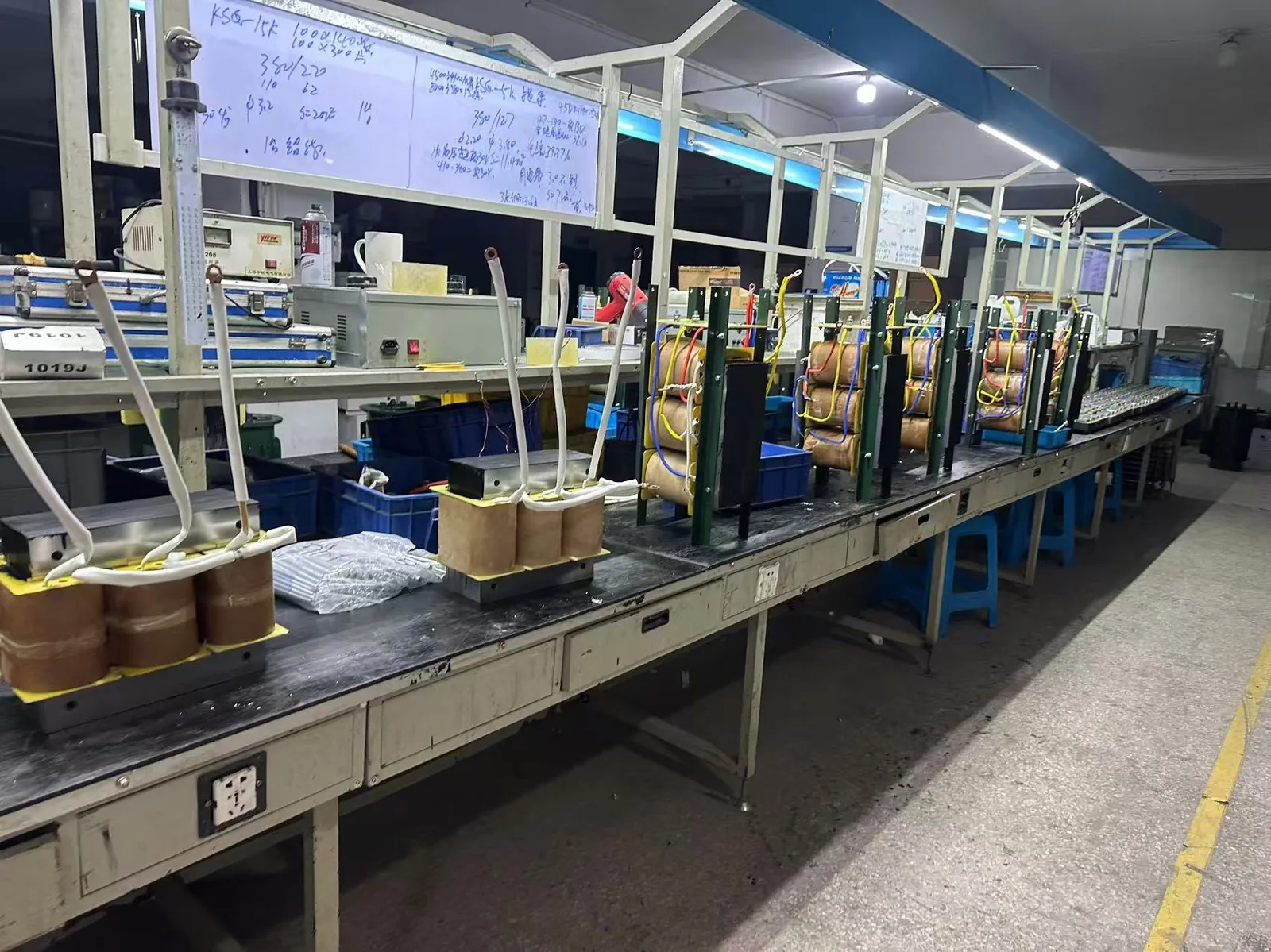
Wilmall picks for espresso and drip
- ST-1000 (1000VA) — for single-serve pod machines and small drip makers up to about 700W.
- ST-1500 (1500VA) — fits most 110V drip coffee makers and entry-level espresso machines.
- ST-2000 (2000VA, with RCD) — for prosumer espresso machines (Breville Dual Boiler, Rancilio Silvia on 110V, similar).
If you are also running a milk frother or a grinder on the same transformer, add their wattage to the boiler wattage before sizing.
Wiring notes
Espresso machines need a grounded 110V outlet. Every ST series unit we ship is three-prong grounded on the 110V side. Do not run the espresso machine and a kettle or microwave off the same transformer. The combined draw will exceed the VA rating, even on a 2000VA unit.
If you are unsure, send us the model number of your coffee machine and we will tell you which transformer fits. Lead time is 15 to 25 days after deposit for a sample, and we ship from 10 pcs.
For other kitchen appliances on the same 220V to 110V conversion, see our kitchen appliance step down transformer guide.
Maintenance and transformer care
Coffee machines build up scale and moisture, and the transformer near a coffee station is the appliance most likely to be ignored until it fails. The three habits that keep a coffee transformer alive are: keep it off the floor and away from splashes, keep the ventilation slots clear, and check the plug and socket for heat after the first few uses.
A warm transformer case is normal, but a hot-to-touch case after the boiler finishes heating means the transformer is undersized or the ventilation is blocked. If the thermal fuse trips more than once, do not keep resetting it, find the cause. Usually it is the transformer running at the edge of its rating during the heating phase, and the fix is stepping up one size.
If you are a reseller stocking coffee machine transformers, the 2000VA ST-2000 with RCD is the model your customers will come back for. It covers every single-group espresso machine on the market, and the RCD is a selling point you can use in your listing.
Travel and dual-voltage machines
Not every espresso machine needs a step down transformer. Many modern machines sold for the export market are dual voltage, with a label that says 110V to 240V, and those plug straight into 220V mains with just an adapter. Check the label near the power cord before you buy a transformer. If it says 100V to 240V or 110V to 240V, you do not need one.
The machines that always need a transformer are the single-voltage 110V models, which is what most US-market machines are. If you are moving countries or shipping machines to resellers in different markets, buy dual-voltage machines for travel, and stock single-voltage machines with the matching transformer for your local market.
For resellers, pairing the machine with the correct ST transformer in one carton saves your customer a second shipment and avoids the most common sizing question we get.
Bean-to-cup machine loads
Bean-to-cup machines, the ones that grind and brew in one unit, are the fastest-growing segment of the coffee market, and their power profile is different from a simple drip maker. The grinder motor pulls a 150 to 300W surge for a few seconds at the start of every shot, then the boiler heater takes over at 1200 to 1600W. The grinder and the heater never run together, but the sequence repeats every time someone makes a coffee.
That repeated surge pattern is exactly what an undersized transformer punishes. Each grinder start draws a spike, and each boiler heat-up draws a long continuous load. We size bean-to-cup machines on the 2000VA ST-2000 across the board, because the 1500VA runs at the edge during the boiler phase and the grinder surge on top of a hot transformer is the failure recipe.
Commercial cafe sizing
For a cafe running one or two 110V espresso machines on a counter, the transformer is a commercial-duty piece of equipment. Two prosumer machines pulling 1500W each, with the milk frother and the grinder, can peak past 3000W during the morning rush. That is a 5000VA STU unit, one per pair of machines, mounted high on the wall with fan ventilation.
The morning rush is the sizing case, not the average day. A cafe transformer sized for the average load will overheat by 10am on a busy day. If you are setting up a cafe in a 220V country with US-spec equipment, send us the machine list and the counter layout, and we will give you the per-machine and per-counter transformer plan with the fan option where needed.
Fault finding when the transformer trips
When a coffee transformer trips, the first check is whether the machine’s heating element is shorting. Measure the element resistance with a multimeter, a healthy 1500W element at 110V reads about 8 ohms. If it reads near zero, the element has failed and will pull a huge current that trips any transformer, no matter the size.
If the element is fine, check the transformer’s thermal state. A unit that trips after three coffees and cools down to reset is running at the edge of its rating, and the fix is the next size up. A unit that trips instantly is seeing a short circuit, either in the machine or in the cable, and that needs a repair, not a bigger transformer.
Rental and Airbnb setups
Short-term rentals that host American guests benefit from a transformer in the kitchen, because guests arrive with 110V coffee makers and expect them to work. The practical rental setup is one ST-2000 in the kitchen, mounted above the counter and out of reach of water, covering the guest’s coffee maker, kettle, and small appliances.
The rental-specific advice is to secure the transformer so guests cannot move it. A wall-mounted unit with a clear label, “110V output, US appliances only,” survives guests who ignore instructions and plug in whatever fits. The RCD on the output is the safety net that keeps the property manager’s insurance valid.
Espresso machine voltage labels
The voltage label on an espresso machine is the first thing to check, and it is also the easiest to misread. A label that says 110V to 240V means the machine has a universal power supply and runs on 220V mains with just a plug adapter, no transformer. A label that says 110V or 120V only means it needs the step down transformer.
Some machines sold as dual voltage have a manual voltage selector switch hidden on the bottom, which is easy to miss. If a machine labeled 110V to 240V is not working on 220V mains, check for that switch before you blame the transformer. And if the label is worn, the resistance reading on the heating element tells us the answer, a 1500W element at 220V reads about 32 ohms, at 110V about 8 ohms.
One more point worth making about coffee machine transformers: the output socket type matters more than buyers think. A US 110V coffee machine ships with a US two-prong or three-prong plug, and the transformer’s 110V output must accept it. Our ST series comes with a US-style outlet as standard, so the machine plugs straight in with no adapter on the 110V side. If you are reselling in a market where the machine was adapted to a local plug, tell us and we will match the output socket to it, so the customer’s machine plugs in without a second adapter in the chain.
What size step down transformer for a Breville espresso machine?
Most Breville espresso machines on 110V draw between 1300W and 1600W peak. We recommend the 2000VA ST-2000 with RCD protection. The 1500VA will work for lighter models like the Bambino, but for the Dual Boiler or the Oracle, step up to 2000VA.
Can I run a coffee maker and a kettle on the same step down transformer?
We do not recommend it. A kettle pulls 1000W to 1500W on its own, and a coffee maker adds another 800W to 1400W. Combined draw exceeds the rating of most 2000VA units during simultaneous use. Use two transformers or run them one at a time.
Does an espresso machine need an isolation transformer?
Most modern espresso machines with SMPS power supplies run fine on a standard autotransformer step down. If you hear a buzz or click through the speakers of an attached grinder or nearby appliance, an isolation transformer will quiet it.
How fast will the transformer heat up running a coffee machine?
Our ST series is rated for continuous duty at full load, so it should not heat up beyond the rated 90 deg C rise on the windings during normal use. If the case feels too hot to touch, the transformer is undersized for the load or the ventilation around it is blocked.