1000W vs 2000W Transformer: How Much Power Do You Need?
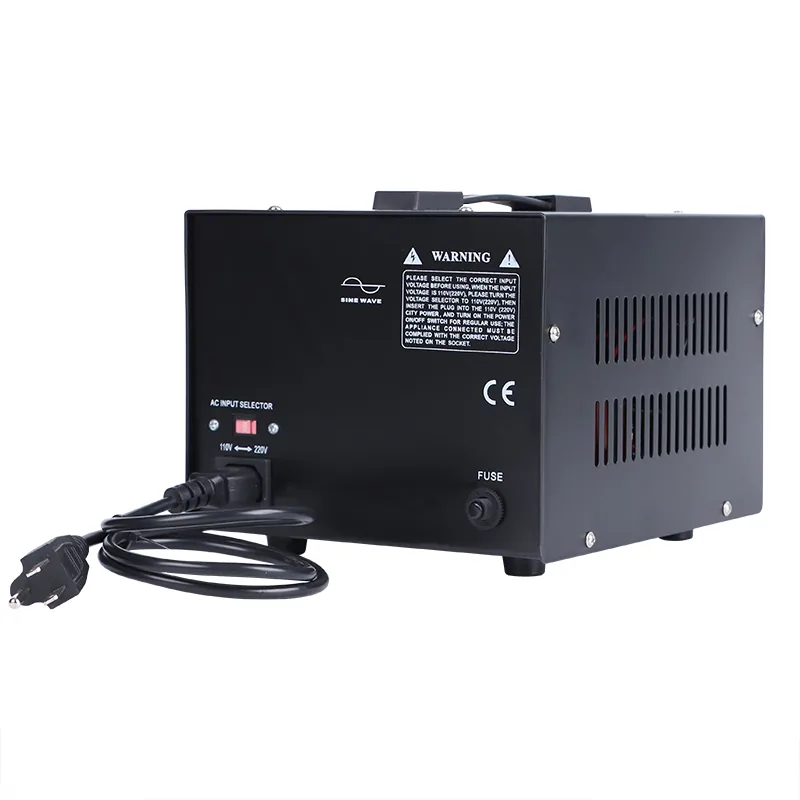
Two sizes dominate every transformer shop: 1000W and 2000W. When buyers ask which step down transformer they need, the answer is never the model number – it is the load. A 1000W vs 2000W step down transformer 220V to 110V decision comes down to one list: the appliances you will run, their nameplate wattage, and their starting surge. This guide breaks down what each rating actually delivers, which appliances fit each size, and what happens if you choose wrong.
Before comparing sizes, understand the unit. Transformer capacity is rated in VA (volt-amperes), and for the resistive and motor loads found in homes, 1000VA is effectively 1000W of continuous output at 220V to 110V conversion. Both ratings exist because buyers sit on two sides of a clear line: small electronics under 800W, and kitchen or workshop appliances that need 1000W or more.
What 1000W and 2000W Ratings Actually Mean
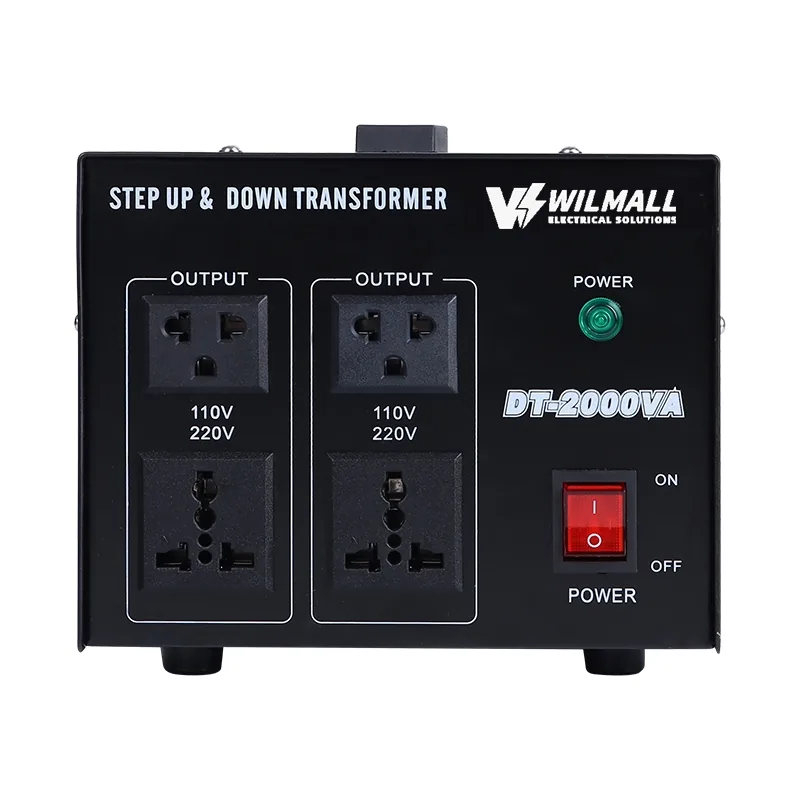
A 1000W transformer delivers 1000VA continuously, which is about 9A at 110V output – enough for a TV, laptop, router, printer and a small kitchen machine together, but not for a hair dryer, microwave or power tool. A 2000W transformer delivers 2000VA, about 18A at 110V, which covers one heavy appliance or several small ones simultaneously. Both units have short-term overload capacity of roughly 150% for a few seconds, which is what handles motor start-up.
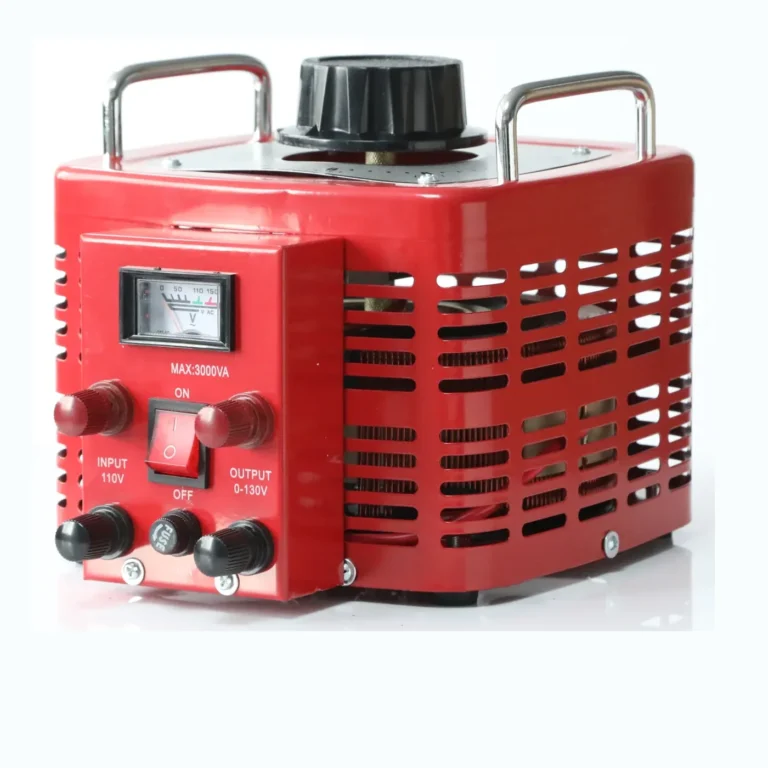
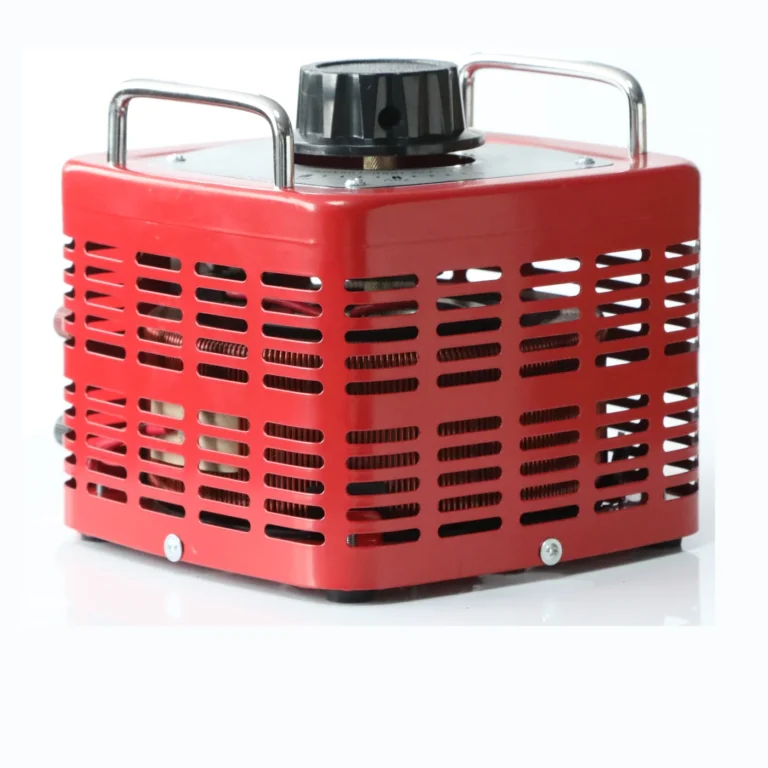
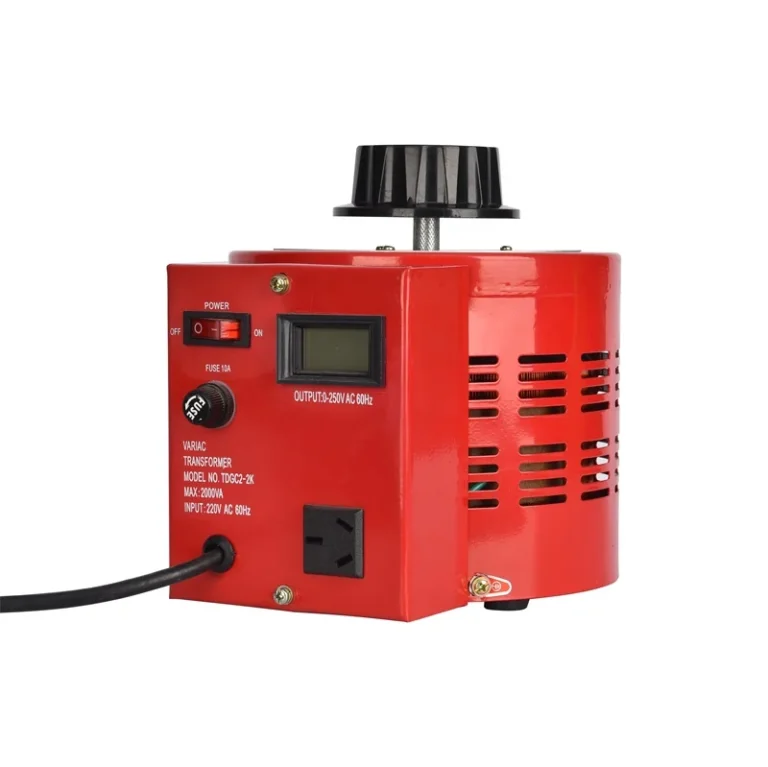
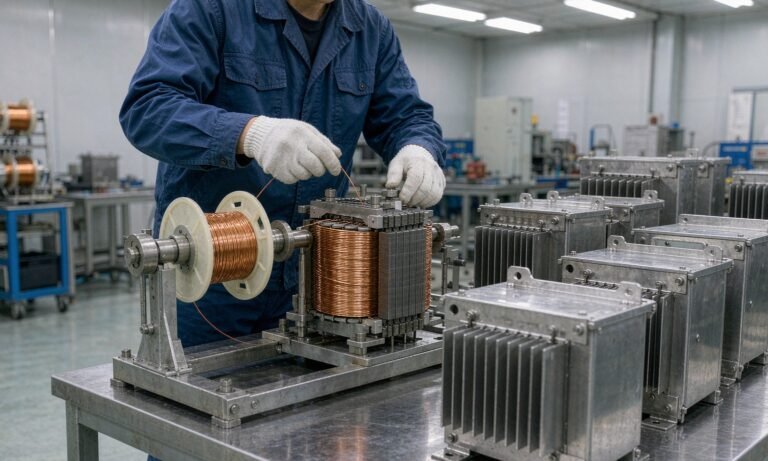
The practical difference is not just watts; it is the physical build. A 2000VA unit has larger windings, a bigger core and more heat dissipation, so it runs cooler at the same percentage load. That matters for lifespan: a 1000W transformer loaded to 900W runs near its limit and ages fast, while a 2000W transformer at the same 900W runs at 45% load and stays cool for decades.
Common Appliances and Their Real Power Draw
Most buyers are surprised by real nameplate figures. A modern LED TV draws 60-150W, a gaming console 150-300W, a desktop PC 300-600W, a blender 300-800W, a microwave 800-1200W, a hair dryer 1000-1800W, and a refrigerator 150-600W running with a much larger surge. The table below maps these to the two transformer sizes.
| Load Scenario | Total Watts | Best Size |
|---|---|---|
| Phone, laptop, TV, router | 150-400W | 1000W |
| TV + console + speakers | 400-700W | 1000W |
| Blender + small appliances | 500-900W | 1000W (tight) / 2000W |
| Microwave or hair dryer | 1000-1800W | 2000W |
| Refrigerator / freezer | 150-600W + surge | 2000W |
| Power tools / workshop | 800-2000W | 2000W |
For a full walkthrough of matching a transformer to a specific appliance, see our voltage transformer size guide from 1000W to 10000W. And if a refrigerator is on your list, our step down transformer size for a refrigerator guide explains the surge calculation in detail.
1000W vs 2000W: Matching the Transformer to Your Load
Use the 80% rule to decide: the transformer should run at no more than 80% of its rating for the appliances you switch on together. Add up the wattage of everything running at the same time, add 20-30% for start-up surge, and pick the next size up. One 900W blender plus a 300W TV equals 1200W, so a 1000W unit is overloaded and the answer is the 2000W size. If the total is under 700W with surge margin, a 1000W transformer is the economical choice.
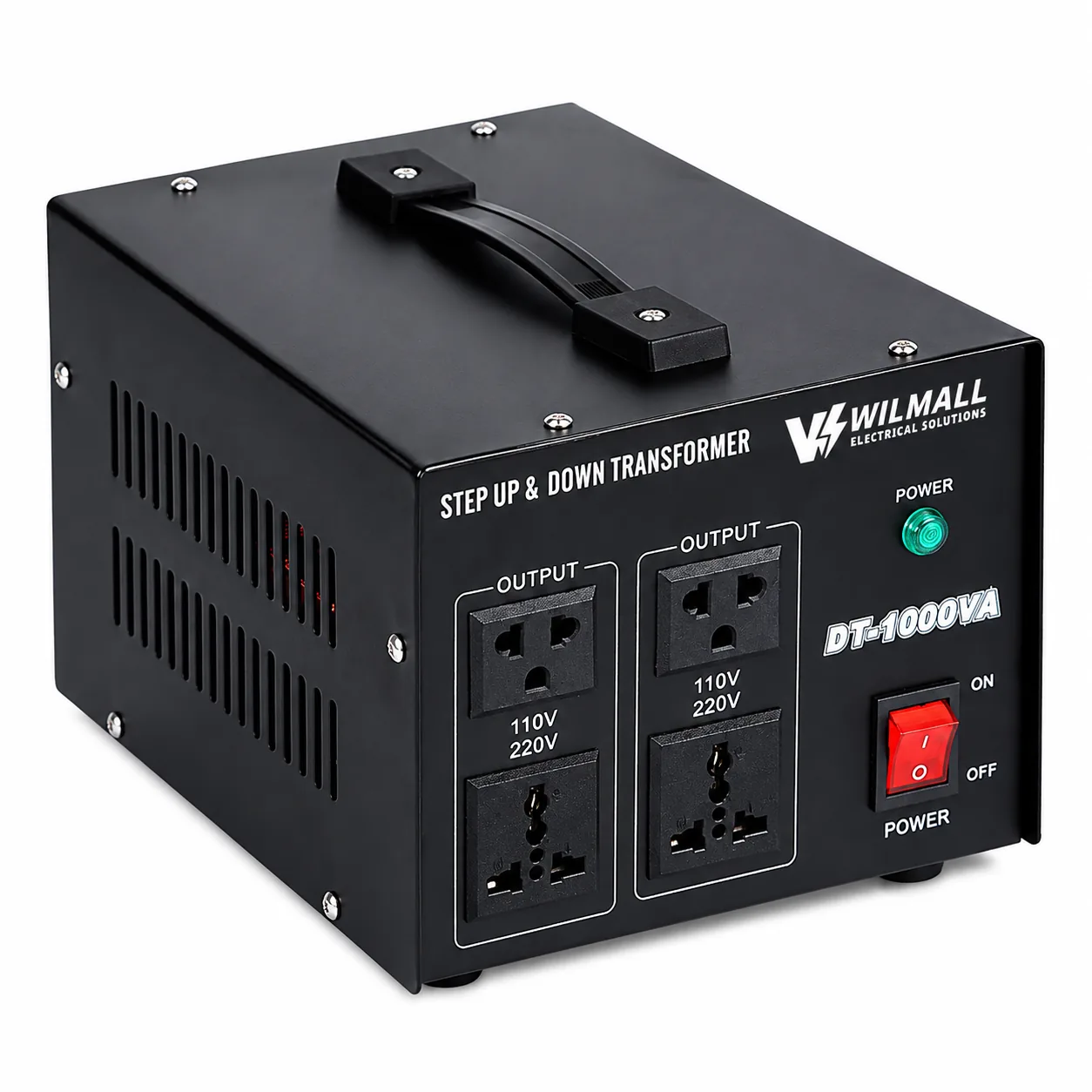
Also plan for the future. The price difference between a 1000W and 2000W step down transformer is small compared with replacing it after you buy a bigger appliance. The Wilmall ST-2000 step down transformer adds RCD protection, and the DT-1000VA step up down transformer is a flexible 1000W choice that also converts 110V to 220V if your needs change.
What Happens If You Oversize or Undersize
Undersizing is the expensive mistake: a 1000W transformer running a 1200W load overheats, the fuse trips, and continuous abuse cooks the insulation, cutting a 25-year life down to a few years. Oversizing is harmless for the transformer but costs more and takes up space; a 2000W unit running a 200W TV is perfectly safe and simply runs cool. When the budget allows, sizing up is the better failure mode. Use the transformer sizing calculator to confirm your number before you buy.
How to Extend the Life of Your 1000W or 2000W Transformer
A well-built 1000W or 2000W step down transformer 220V to 110V lasts 20 to 25 years when installed and used properly. Keep the unit in a dry, ventilated spot where air can move around the casing, because heat is the main enemy of winding insulation. Do not stack boxes on top of the transformer or push it flat against a wall. Check the fuse and wiring connections once a year, especially if the transformer moves between rooms or is used seasonally. If the unit starts to hum loudly or the casing feels hot after an hour of use, unplug it and re-check the connected load against the rating; a transformer should run warm, never hot. These habits cost nothing and keep your 2000W unit ready for the next surge, so the transformer reliably outlasts every appliance plugged into it.
Frequently Asked Questions
1000W vs 2000W: The Real Difference Under Load
The practical difference between a 1000W and a 2000W transformer shows up the moment you run a heavy appliance. A 1000W unit comfortably handles a TV, a soundbar, and a laptop, but it reaches its limit with a kettle, a hair dryer, or a microwave, and it cannot start most motors. A 2000W unit runs those appliances with margin and can start small motors like a fridge or a blender. The other difference is headroom: a 2000W unit running a 1000W load runs cool and quiet, while a 1000W unit running at 900W runs hot and ages faster. If you expect to add appliances later, the 2000W unit is the safer investment. For most households, a 2000W transformer covers the mix better than a 1000W unit, and the price difference is small compared with the flexibility it buys.
When a 1000W Transformer Is Enough
A 1000W transformer is the right choice for a specific set of loads: light electronics, a TV, a decoder, a laptop, a phone charger, and small appliances under about 800W. If you know your load will stay light and you will not add heavy appliances, the 1000W unit is cheaper, lighter, and adequate. It is also the right size for travel or for a single room where only light equipment runs. The mistake is buying 1000W for a load that grows: a kitchen that adds a kettle or a coffee machine, a room that adds a heater, or a setup that adds a motor appliance. When in doubt about future load, the 2000W unit costs little more and removes the ceiling. The honest sizing advice is to buy for your simultaneous load plus headroom, and to lean one size up if you expect the appliance list to grow.
How to Match the Transformer to Your Actual Usage
Matching the transformer to your usage is about three questions: what runs at the same time, what is the heaviest single load, and will the appliance list grow. Add up the simultaneous load, add 30 percent, and that is the minimum VA. Then check the heaviest single appliance: if it is a motor load, its surge may push the requirement higher than the simultaneous total. Then decide on future headroom: if you expect to add appliances, choose one size up. This three-question method covers the cases that a simple wattage lookup misses. Most households land on 2000W as the practical floor, and 3000W covers kitchens with heavy appliances or homes that expect growth. If you send us your current appliance list and your plans, we will recommend the size that fits both today and next year.
The Cost of the Wrong Size: Two Real Scenarios
Buying the wrong size transformer costs money in two different ways, and seeing both helps you decide. An undersized 1000W transformer running a 900W load runs hot, trips under surge, and fails early, and the replacement plus the damaged appliance costs more than buying the right size first. An oversized 3000W transformer running a 500W load wastes money on the purchase and still loses no-load energy, though the loss is small. The honest middle is the 2000W size for most households: it covers the typical simultaneous load with margin, costs little more than 1000W, and handles the appliance list growing by a kettle or a fridge. If your load is clearly heavy, a kitchen with several appliances, go to 3000W. If it is clearly light, a single TV and a laptop, 1000W is fine. Size for your actual simultaneous load, and the transformer pays for itself in reliability.
Choosing Between a 2000W and 3000W Transformer
The choice between 2000W and 3000W is the one that most households face, and it comes down to the kitchen and the fridge. A 2000W transformer covers a living room setup plus a kettle or a hair dryer, and it can start a small fridge. A 3000W unit adds the margin to run a fridge and a kettle at the same time, or a microwave and a toaster together, and it handles the compressor surge of a fridge-freezer with ease. The price difference between the two is small, usually a few dollars, and the 3000W unit runs cooler at the same load because it has more headroom. If your household runs heavy appliances together, or if you expect the appliance list to grow, the 3000W unit is the safer investment. If your load is clearly light and stable, 2000W is adequate. Send us your appliance list and we will tell you which side of the line you are on.
Is a 1000W transformer enough for a refrigerator?
Usually not. A refrigerator runs at 150-600W but surges above 1000W when the compressor starts. The safer choice is a 2000W step down transformer 220V to 110V such as the Wilmall ST-2000, which covers the surge without overheating.
What appliances need a 2000W transformer?
Hair dryers, microwaves, irons, kettles, power tools, refrigerators and freezers all need 2000W because they draw 1000-1800W with motor or heating surge. A 1000W unit is limited to electronics and small kitchen machines under 700W total.
Can a 2000W transformer run several appliances at once?
Yes, if the combined wattage stays under 80% of 2000W, about 1600W. For example, a 300W TV plus a 500W blender plus a 400W PC totals 1200W and runs comfortably on a 2000W transformer with surge headroom.
What happens if I use a 1000W transformer for a 1500W appliance?
The transformer will overload: it heats up, the fuse or thermal cut-out trips, and repeated overload permanently damages the insulation. Always size a step down transformer 220V to 110V at least 20-30% above the appliance wattage.
The 1000W vs 2000W question is really a load question: list your appliances, add the wattage, apply the 80% rule, and the right size becomes obvious. Still unsure between a 1000W and 2000W step down transformer 220V to 110V? Email sales@wilmall.com or WhatsApp +86 19730226757 and tell us what you are running – we will recommend the exact model and send a factory-direct quote.