Using 110V Appliances in 220V Countries: The Complete Guide
You packed your laptop, blender, PlayStation or printer for a trip or a new posting abroad – then you look at the outlet and realise the country runs on 220V while your device expects 110V. Plugging a 110V appliance directly into a 220V outlet is one of the fastest ways to destroy it. The safe solution is simple: a step down transformer 220V to 110V. This guide explains exactly how to use 110V appliances in 220V countries, how to size the transformer, and what else you need to buy.
Roughly 90 countries and territories, including most of Europe, Asia, Africa and South America, use a nominal mains voltage of 220V to 240V. The United States, Canada, Japan, Taiwan and a handful of others use 110V to 120V. When you travel or relocate between these zones, every single-phase appliance you own becomes a candidate for damage unless it is dual voltage or protected by a converter transformer.
Why a 220V to 110V Step Down Transformer Is Essential
Voltage mismatch is not a minor inconvenience – it is an electrical event. A 110V motor, heater or power supply subjected to 220V receives roughly four times the rated power, because power scales with the square of voltage. The result is usually a burnt winding, a tripped breaker, a blown fuse, or in the worst case a small fire. Transformers, on the other hand, are designed to handle exactly this conversion.
Appliances with motors and compressors – blenders, mixers, refrigerators, air conditioners, power tools – are the most sensitive. Heating appliances such as irons, kettles and hair dryers heat twice as fast and can self-destruct within seconds. Even electronics with switching power supplies can fail, although some laptop adapters and phone chargers are marked 100-240V and are already dual voltage. Always check the label before you assume anything.
How a Step Down Transformer 220V to 110V Works
A step down transformer uses two copper windings on a common core. The primary winding connects to the 220V mains; the secondary winding delivers 110V to your appliance. The turns ratio of roughly 2:1 means the transformer converts the voltage level without changing the frequency: 50Hz stays 50Hz and 60Hz stays 60Hz. For most resistive and universal-motor appliances this frequency difference is acceptable; for synchronous clocks and some audio equipment it matters.
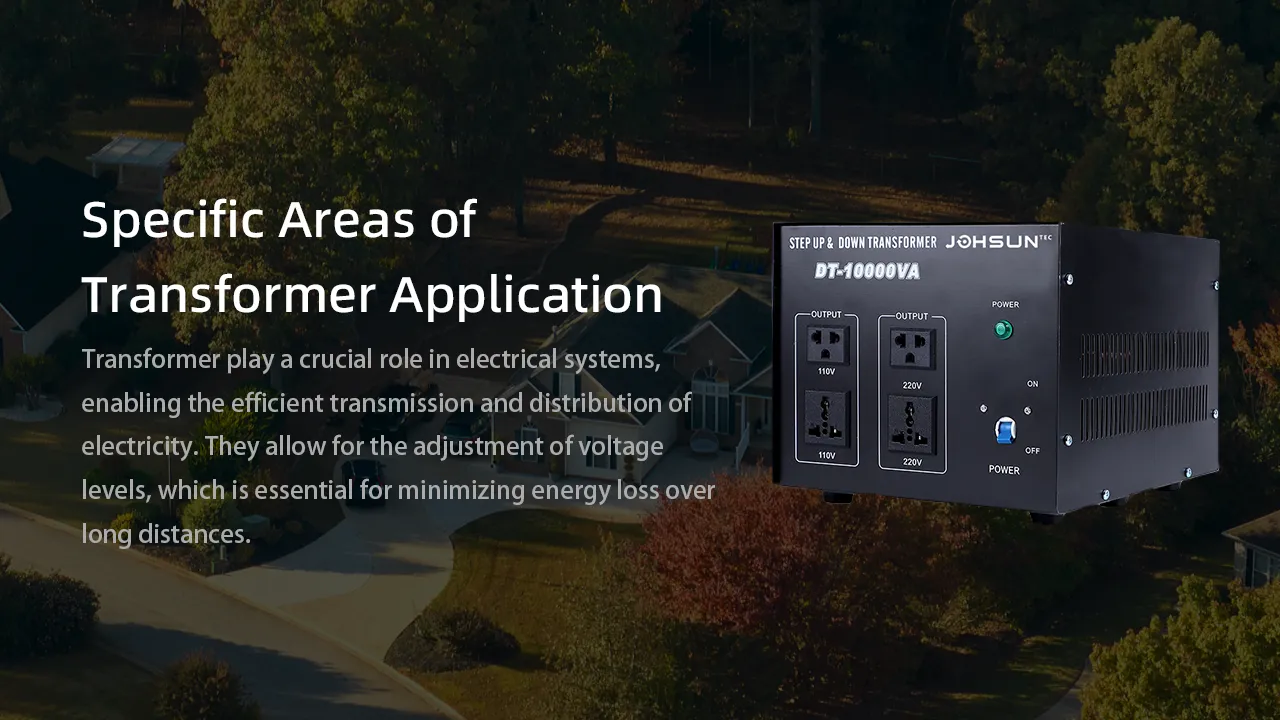
For single appliances up to about 2000W, a compact step down unit with a built-in fuse or RCD protection is the standard choice. For multiple appliances, buy one transformer rated for the combined load instead of several small ones; it is cheaper, takes less space and gives you a single point of control. The Wilmall ST-2000 step down transformer, for example, delivers 2000VA of 220V to 110V conversion and includes a residual current device for extra protection.
Step Down Transformer Sizing for Common 110V Appliances
Sizing is the step where most buyers go wrong. The golden rule is to read the appliance nameplate and find the wattage (W) or amperage (A). If only amps are shown, multiply by the voltage: for a 110V appliance, watts = amps x 110. Then add a safety margin of at least 20-30% because motors draw extra current at start-up. The table below gives typical starting points.
| Appliance | Typical Wattage | Recommended Transformer VA |
|---|---|---|
| Phone charger / laptop | 30-90W | 300VA |
| TV / monitor | 80-200W | 500VA |
| Blender / mixer | 300-800W | 1000VA |
| Microwave oven | 800-1200W | 1500VA |
| Hair dryer / iron | 1000-1800W | 2000VA |
| Refrigerator / freezer | 150-600W | 1000-2000VA |
If you are unsure about your total load, use the transformer sizing calculator or read our how to choose a 220V to 110V step down transformer guide for a fuller walkthrough. When in doubt, size up: a transformer running at 80% of its rating runs cooler and lasts far longer than one pushed to its limit.
Plugs, Sockets and Adapters You Will Also Need
The transformer converts voltage, not plugs. A US 110V appliance has a Type A or B plug, while the wall socket in your destination country may be Type C, E, F, G, I or another standard. You need a plug adapter between the appliance cord and the transformer output, and between the transformer input and the wall, or you buy a transformer with the correct input plug already fitted. Check the voltage and plug type by country tool to confirm both voltage and socket standard before ordering.
A plug adapter is a mechanical fitting only; it never changes voltage. Never use an adapter alone when the voltages differ, and never stack adapters. If the transformer is a heavy 2000VA unit, prefer a grounded three-pin connection and check that the local socket has an earth pin available.
Safety Checklist for 110V Appliances in 220V Countries
Follow this checklist every time you connect a 110V appliance in a 220V country: verify the appliance label says 110-120V and not 100-240V dual voltage; confirm the transformer rating exceeds the appliance wattage by 20-30%; plug the transformer into the wall first and let it energise for a few seconds; then connect the appliance and switch it on; feel the transformer case after 15 minutes, and if it is too hot to touch you are overloaded; never run the unit in a closed cabinet or on carpet.
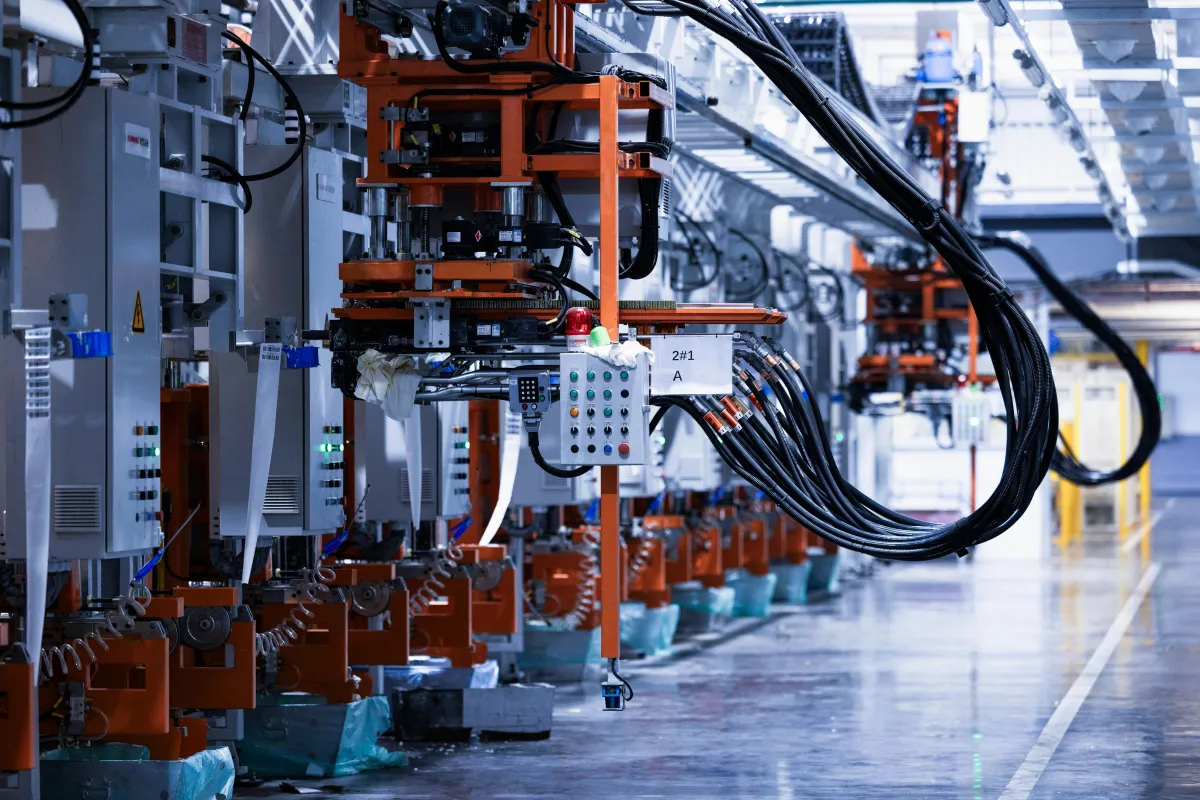
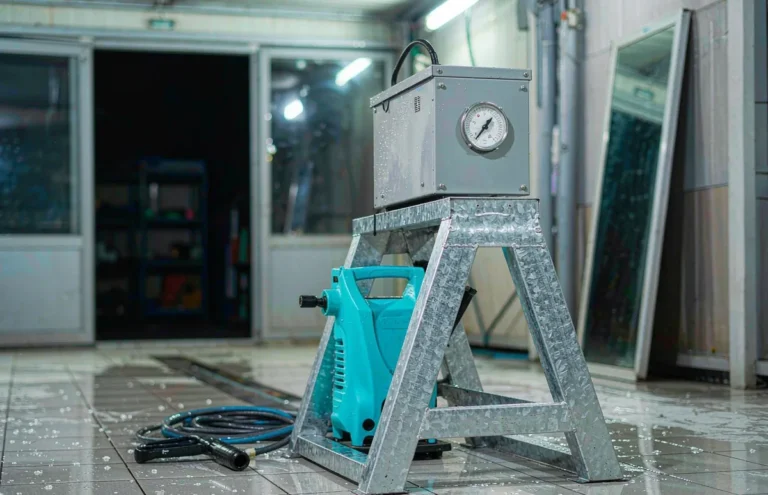
Quality matters when mains voltage is involved. Units built by factories that test every batch, such as the Wilmall plant shown above, use properly rated copper windings and thermal protection. Buying a cheap unmarked converter for an expensive appliance is a false economy.
Frequently Asked Questions
The Appliance Nameplate: Your First Reference
Before you buy anything, read the nameplate on each appliance you plan to run. The nameplate lists the voltage, the frequency, and the power draw in watts or amps. The voltage tells you whether the appliance needs a step-down transformer in a 220V country, the frequency tells you whether the appliance cares about 50Hz or 60Hz, and the wattage is the input for your sizing calculation. Most modern electronics are dual-voltage and marked 100-240V, which means they do not need a transformer at all. The appliances that do need one are the US-spec units rated 110-120V only, typically older electronics, small kitchen appliances, and power tools. Check every appliance, because a single 220V-only appliance plugged into a step-down transformer will still be damaged. The nameplate is the five-second check that prevents most buying mistakes.
Sizing for the Whole Household, Not One Appliance
The most common sizing error is buying a transformer for the biggest appliance and ignoring everything else that runs at the same time. A TV and a soundbar might suggest a 1000VA unit, but if you also run a heater, a hair dryer, or a vacuum cleaner at the same time, the total changes completely. The honest method is to list everything that can run simultaneously, add the watts, add 30 percent, and pick the next size up. For motor loads, double or triple the running watts. If you buy for the whole household instead of one appliance, the transformer covers every situation without tripping or overheating. We ask every customer for the simultaneous load, not the biggest load, because that is the number that decides whether the unit survives its first busy evening in a 220V country.
Why RCD Protection Belongs in the Conversation
Running 110V appliances in a 220V country through a transformer works well, but the installation is only as safe as its protection. An RCD, also called a residual current device, monitors the current balance between live and neutral and cuts power if it detects leakage. In older wiring, in humid climates, or in rented apartments where you cannot verify the installation, the RCD is the difference between a safe setup and a dangerous one. Our STU series includes RCD protection as standard, and we recommend it for households running US-spec appliances, especially with children or in humid regions. The transformer converts the voltage, and the RCD protects the people and the appliances. If you are buying a transformer for a 220V country, the small extra cost of RCD protection is the responsible choice.
The Appliance List Method: Sizing Everything at Once
Here is the method we use with every customer, and it is more reliable than a calculator with one appliance. Write down every appliance you plan to run through the transformer, with its wattage from the nameplate. Group them by which ones run at the same time, such as morning and evening routines. For each group, add the watts, add 30 percent, and note the largest single appliance’s surge if it has a motor. The size you need is the largest group total, not the sum of everything you own. A household that runs a TV and soundbar in the evening, and a kettle and toaster at breakfast, probably needs a 2000VA unit, even though the total of everything is higher. If you send us your appliance list and how you use it, we will run this method for you and confirm the right size, and it is the same method we use to recommend the ST series for households.
Protection Features That Matter for Household Use
When you buy a transformer for household use, three protection features make a real difference. A fuse protects the wiring if something shorts, and it is the minimum you should expect. A thermal cut-out protects the transformer itself if it overheats, which matters for continuous loads and hot climates. An RCD, on the STU series, protects people by cutting power on earth leakage, which matters in humid regions and older wiring. Our ST series includes a fuse and thermal cut-out as standard, and the STU adds the RCD. For a household running US-spec appliances, the combination covers the three failure paths: overcurrent, overheating, and earth leakage. When you compare transformers, check which protection features are actually built in, because a price difference often reflects a missing fuse or a missing thermal cut-out rather than a better deal.
Can I plug a 110V appliance into a 220V outlet?
No. A 110V appliance plugged directly into a 220V outlet receives roughly double the voltage it was designed for, which usually burns out the motor or power supply. Always connect it through a step down transformer 220V to 110V such as the Wilmall ST-2000 before energising.
Do I need a transformer for a dual voltage appliance?
No. If the label says 100-240V, the appliance can accept 220V directly and only needs a plug adapter. If the label says 110-120V only, you need a step down transformer 220V to 110V rated for at least 20-30% above the appliance wattage.
What size step down transformer do I need for multiple appliances?
Add the wattage of every appliance you will run at the same time and multiply by 1.3 for motor surge. For example, a 500W blender plus a 400W TV needs about 1200VA, so a 1500VA transformer is a safe choice. Use the sizing calculator to confirm.
Will a 220V to 110V transformer damage my appliance?
No, when correctly sized the output is a clean 110V at the same frequency as your input mains. The ST-2000 adds RCD protection against leakage current. The main thing to watch is total load, which must stay below the transformer VA rating.
Moving between voltage zones does not mean leaving your appliances behind. With the right step down transformer 220V to 110V and a few plug adapters, you can run blenders, TVs, tools and kitchen machines safely in almost any country. Need help choosing the right unit for your appliance list? Email sales@wilmall.com or message us on WhatsApp at +86 19730226757 for a factory-direct quote. For kitchen-specific advice, see our step down transformer for kitchen appliances guide.