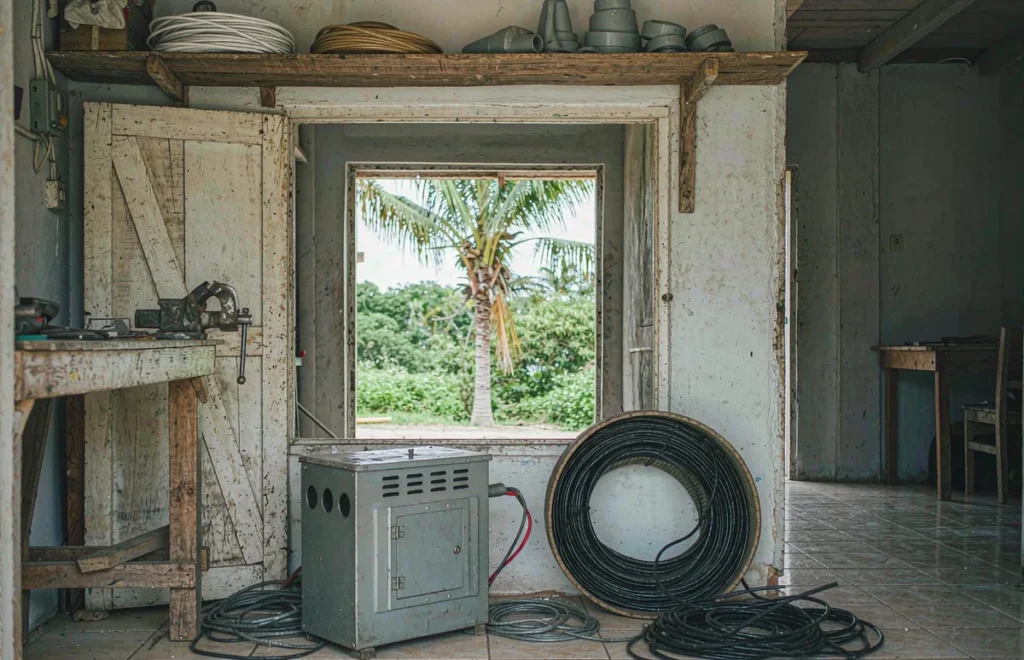
Step Down Transformer for Mozambique: 220V to 110V Guide
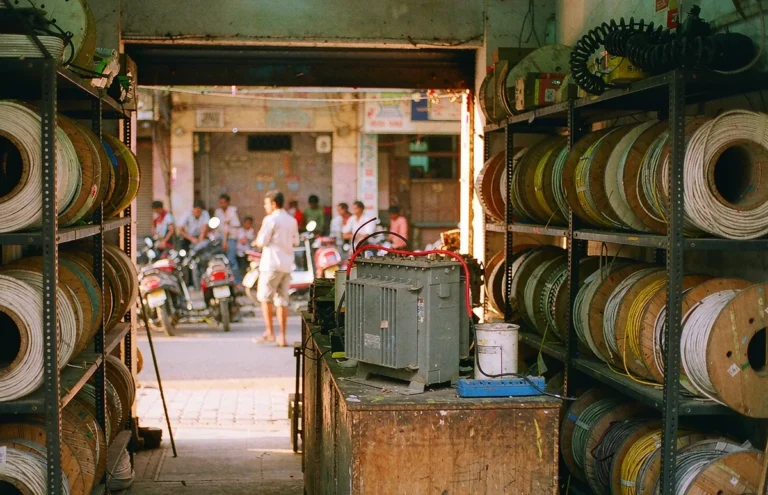
Half the enquiries I get from Mozambique open the same way. A buyer in Maputo has a container of North American equipment sitting on the floor, or a workshop in Beira has a 110V machine that has to run off a 220V wall, and the first message is a photo of a nameplate and the word help. The other half come from contractors on the northern gas and mining work, where there is a schedule on the table and a commissioning date already booked.
Both conversations finish in the same place, but they start from different sides. Mozambique runs 220V at 50Hz, so on paper a step down box looks like a simple answer. Where the unit is going changes the order a great deal. Coastal air eats enclosures, an end-of-feeder socket does not behave like the substation voltage, and a household load has almost nothing in common with a camp workshop. I wind these units in Yueqing and Mozambique has been on our export list long enough that I know which three questions to ask before I put a price on anything.
Two Kinds of Buyer, One Voltage: What a Step Down Transformer for Mozambique Has to Do
The short answer is that it still changes 220V to 110V and nothing else, but how you order it depends entirely on who is holding it. A household buyer wants one box on the floor under a shelf, quiet, with a socket on the front and a switch you can reach. A project buyer wants a unit that goes into a panel, gets wired to a terminal block, and survives a commissioning engineer poking at it with a meter.
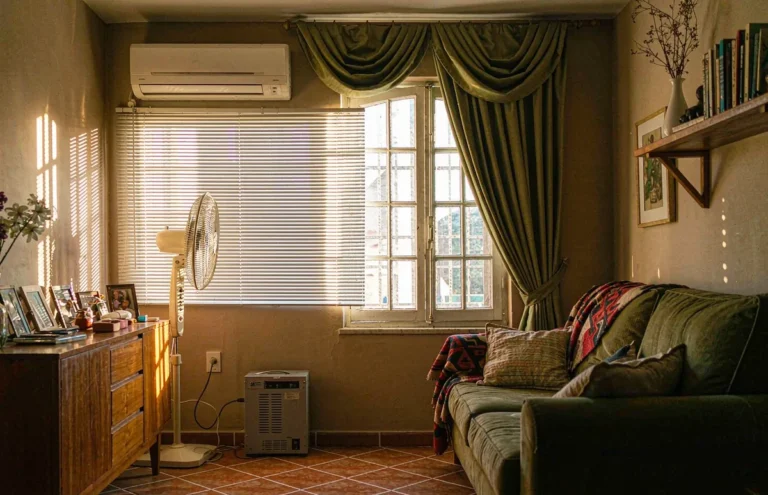
Those two orders do not share a bill of materials. The household unit lives on a tiled floor in a warm room with no airflow problems worth mentioning. The project unit lives in a container workshop or a switch room where the door is open half the day and the humidity never really drops. Same ratio, different build.
So the first thing I ask is not the wattage. It is where the box will stand and who will touch it. Buyers who answer that question honestly tend to get the right unit on the first quotation, and the ones who skip it usually come back six months later asking why the case has rust at the seams.
Reading the Supply: 220V, 50Hz and the Long Feeder Problem
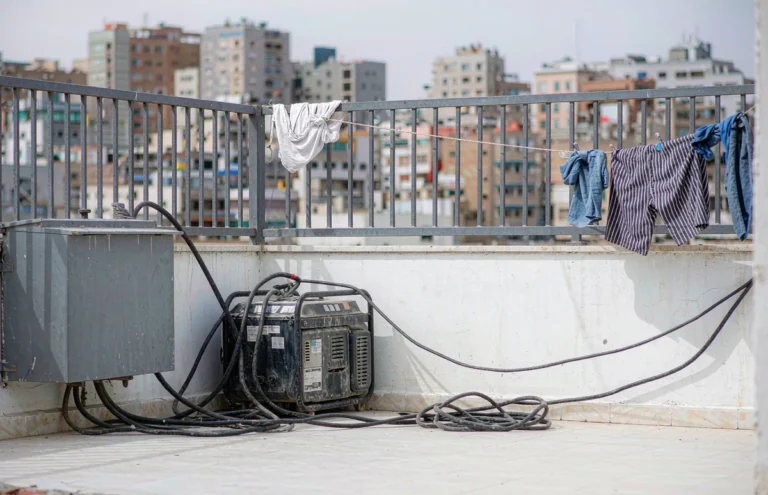
The national figure is 220V at 50Hz, supplied by EDM. That is the number on the paper and it is the number your transformer is wound against. What arrives at a socket in a suburb on the edge of a city is a different story, and I have seen enough photographs of cheap plug-in voltmeters from Maputo and Beira to believe it.
Two things happen at the end of a long low-voltage feeder. The voltage sags when the neighbourhood loads up, and it lifts when the load drops away, often late at night when the big users shut down. Neither direction is kind to equipment that was designed for a tight tolerance. A domestic refrigerator compressor that sees 190V on a hot afternoon works harder and runs hotter for the same job.
A transformer cannot hold the line steady on its own. It is not a stabiliser, and anyone who promises you otherwise is selling you something else. What a good transformer can do is avoid making the problem worse. If your unit is wound with an input tolerance band rather than one narrow tap, a sagging supply puts less stress on the insulation and the output stays closer to the figure your machine was built for. That is the practical difference between a narrow-spec box and one wound for a feeder-end market, and it is why I always ask for the lowest voltage the site ever sees, not the label voltage.
| Application in Mozambique | Typical running load | Unit I would quote | Why this one |
|---|---|---|---|
| Imported 110V kitchen and laundry appliances in a home | 300 – 800 W | ST-1500 1500VA | Steady domestic load, one appliance running at a time |
| Household water pump and garden tools | 750 – 1500 W | ST-2000 with RCD | Motor start surge sets the size, not running watts |
| Small shop, salon or clinic with mixed 110V kit | 600 – 1200 W | DT-1000VA bidirectional | Light mixed load, some items already dual voltage |
| Restaurant or bakery prep machines | 1200 – 2500 W | STU-3000 | Several motors can be alive together in a rush |
| Workshop bench tools and a compressor | 1500 – 3000 W | STU-3000 or STU-5000 | Hard-start motors against pressure |
| Gas or mining camp feed in the north | 2000 – 5000 W | STU-5000 bidirectional | Motor plus heater duty, and a hard environment |
A Worked Example From a Beira Workshop
Say a workshop in Beira runs a 110V bench drill at 750W, a bench grinder at 400W, a small compressor at 1100W and a bench light at 60W. You would be tempted to add the lot and call it 2310W, but that is not how a person works. The light is on all day, the drill and grinder take turns, and the compressor cuts in when the receiver drops.
The honest worst case is the compressor starting while the drill is already running: 1100 + 750 = 1850W, plus the light. The compressor start is the real driver, so multiply 1100 by three and you are looking at a momentary 3300W before you add anything else. That pushes you past a 2000VA box and onto the STU-3000, which also gives you room to run the grinder at the same time without the case running hot by mid-morning.
Cook the same list without the start factor and you will order the 2000VA, and it will trip or hum every time the compressor kicks in. This is the single most common sizing mistake I see from this market, and it costs far more in downtime than the jump in price between the two units.
Salt Fog, Humidity and Why the Enclosure Decides Service Life
Here is the part that separates a Mozambique order from an inland one. Maputo, Beira and Nacala all sit on the coast, and the air carries salt. Salt does not care that the electrical part of your transformer is fine. It attacks the steel, the fasteners, the terminal screws and the inside of the socket, and it does it faster than most buyers expect.
The fix is boring and effective. A powder-coated case rather than a bare painted one, plated screws rather than plain steel, gaskets that actually seal against the lid, and a lid that needs a tool to open. None of that changes the winding, and all of it decides whether the unit still looks like new after two rainy seasons or has rust weeping down the case.
Humidity is the second half of the same problem. In a coastal climate the inside of a metal case can sit close to dew point overnight, especially if the unit is switched off and the case is cold. A sealed case with a gasket and a well-sealed gland keeps most of that moisture out. What you should not do is leave the unit on a floor in a room where the sea air blows through, and you should not mount it flat against a wall where it can never dry out. Give it a hand’s width of clearance on the vented faces and keep it off bare concrete.
Type C, Type F and the Type M Socket You Will Also Meet
Mozambique uses Type C, the two-pin Euro plug, and Type F, the earthed Schuko pattern. Both are familiar and both are easy for me to build for, because the input side is just a standard 220V lead into the case. Where it gets interesting is Type M, the large three-pin South African pattern, which you will find on older installations and on equipment brought across from the region.
The Type M detail matters more than people think. A Type M plug is physically bigger and a careless adapter gets hot under load, which is a fire risk in a workshop. If your site has Type M outlets, tell me and I will build the unit with a Type M input lead so you are not stacking adapters. The output side is a separate decision: the 110V outlet should match the machine, not the wall, and a lot of North American equipment lands with a NEMA 5-15 plug that needs a proper outlet on the transformer rather than a taped-on adapter.
If you are unsure which socket you have, take a photo of the wall with a coin or a pen next to it for scale. I can tell Type C from Type F from Type M in about two seconds, and it saves a whole email thread about adapter sizes.
Maputo, Beira, Nacala: Ports, Documents and the Neighbours
Three ports do most of the work for this market. Maputo in the south serves the capital and the industrial belt around it, and it is also the natural gateway for goods moving on to Eswatini and into the South African border region. Beira in the centre is the practical route for the middle of the country and onward to Zimbabwe and Malawi. Nacala in the north has grown with the coal and gas traffic and is the shortest way to the northern provinces.
Which port you name changes your landed cost and your schedule, so it belongs in the first message rather than the last. We ship FOB Ningbo or Shanghai, which means you or your forwarder choose the sailing and the discharge port. Once you tell me the port and the consignee, we prepare the commercial invoice, the packing list and the certificate of origin to match the entry your clearing agent will submit. A document that has to be amended after the vessel sails is a week lost at the wharf.
For Portuguese-speaking buyers, we print the rating label and the manual in Portuguese when asked, and we keep the artwork on file so a repeat order carries the same labelling without you resending it. For buyers moving stock onward into Eswatini, Malawi or Zimbabwe, tell us at quotation stage, because the packaging and the paperwork for a transit consignment are not the same as for a domestic sale.
The Units We Wind for Mozambican Orders
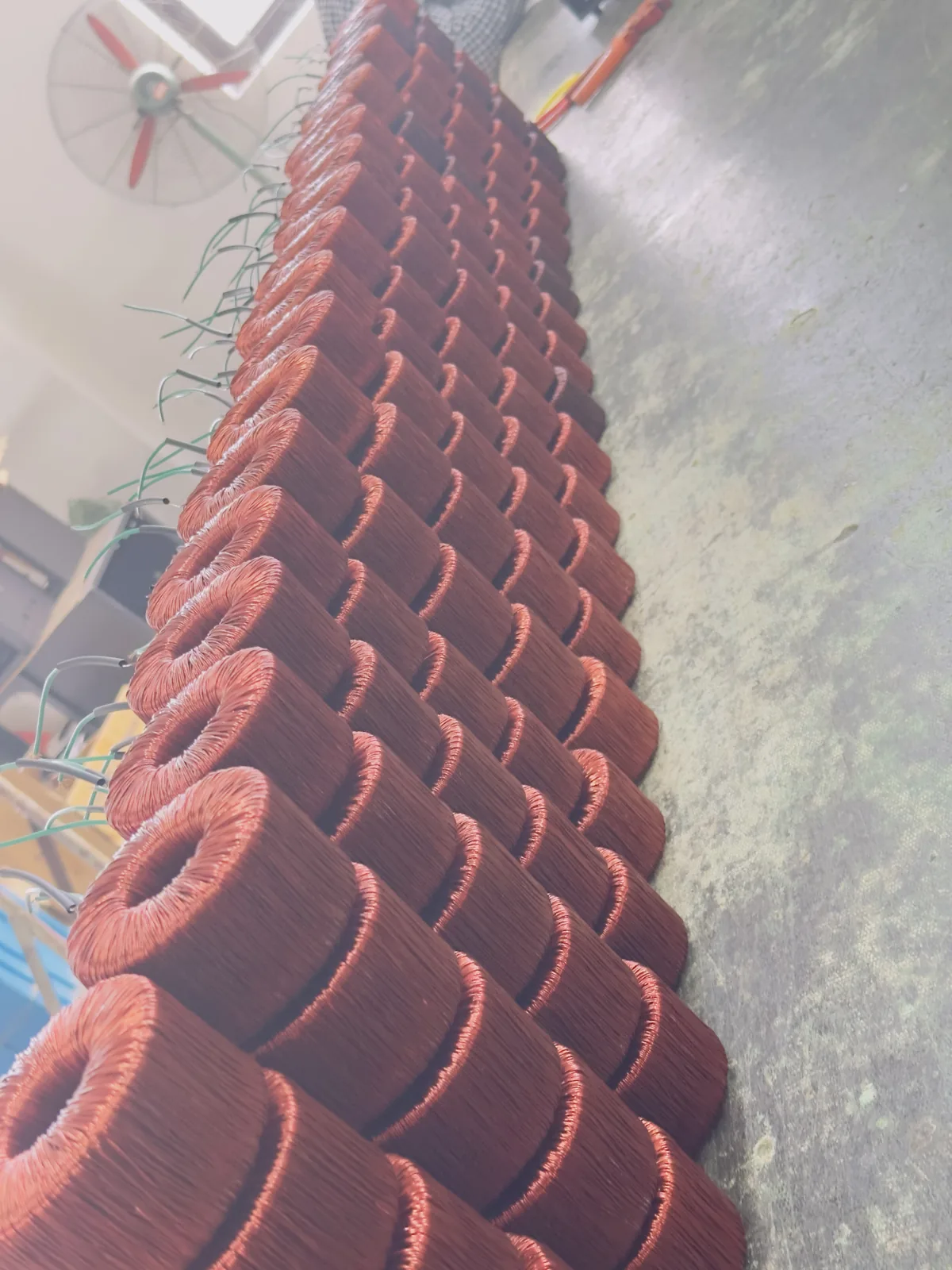
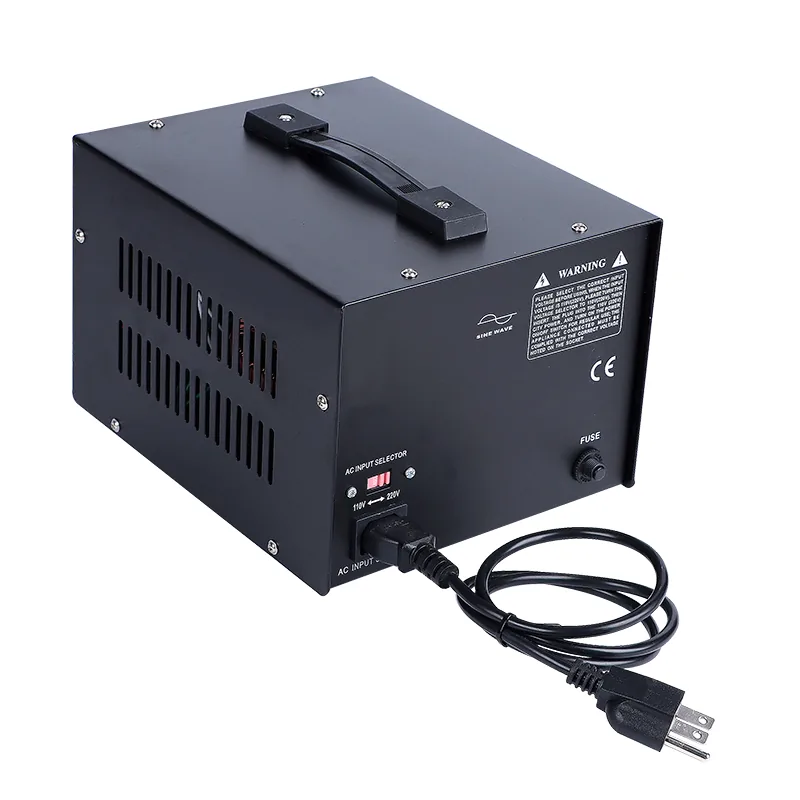
I am at the bench, not at a trading desk, so the unit on your invoice is the one we wound. The ST-2000 is a 2000VA step down box, 220V in and 110V out, with the RCD mounted inside the case. For a home with a pump and an imported appliance or two, that is the unit I put on the quotation most often, and the ST-1500 covers the single-appliance jobs.
When the load grows past a pair of machines, the STU series takes over. The STU-3000 and STU-5000 run in both directions, and that flexibility earns its keep here, because a contractor bringing in equipment from North America, Europe and South Africa at the same time does not always know which way the box will need to work next quarter. Flipping a unit rather than ordering a new one is worth real money on a project schedule.
For the lighter mixed loads, the DT-1000VA handles a small feed automatically, either direction, without anyone at the switch. Panel and control duty goes to the TC series control transformer. And for the bench engineer checking a container of imported machines before they are handed over, the Variac range at 500VA, 1KVA, 2KVA and 3KVA lets you dial the output and watch the equipment settle, which is a lot safer than proving a nameplate against whatever the socket happens to be giving that afternoon.
Installation Mistakes That Cost Mozambican Buyers Money
The faults we see on units that come back from this market are rarely winding faults. They are the result of four habits, and all four are easy to break.
Stacking adapters is the first. A Type M socket with a converter plug, then a travel adapter, then the transformer lead is three joints carrying a full load, and every joint is a place where heat builds and contact resistance creeps up. If your supply is Type M, ask us for a Type M input lead and remove two of those joints from the chain before anything else. The same applies at the output: a 110V machine with a NEMA plug deserves a real outlet on the transformer, not a piggyback adapter.
Mounting badly is the second. Units get pushed flat against a wall, wedged into a cupboard under a workbench, or stood directly on a concrete floor in a room with no through draught. A transformer sheds its heat by convection through the vents, and if those vents are blocked the case temperature climbs while the winding does the same. Give it clear space on every vented face, stand it on feet or a plinth, and never box it into a sealed cabinet. In a coastal building, that clearance also helps the case dry out overnight instead of sitting in its own condensation.
Ignoring the earth is the third. The case has to be bonded to a real earth, and in older buildings that connection is sometimes more decorative than functional. If the RCD trips the moment you switch on, that is usually the unit telling you it found a fault, not the unit being faulty. Fix the earthing rather than bypass the protection, because bypassing it takes the only local safeguard out of the circuit.
Putting the unit in the sun is the fourth. A transformer in a metal container workshop or against a west-facing wall in Maputo can sit in an ambient well above the temperature you measured when you sized it, and the same unit that runs cool in the morning runs hot by three in the afternoon. If the mounting position is hot, say so, and we will build in the derating rather than leave you to discover it.
The Five Lines We Need in Your First Message
You do not need a finished specification to get a number out of me. Send the input voltage at the point of connection, the output voltage your machine needs, the total power or the equipment list with each nameplate wattage, how many pieces you want, and the discharge port. With those five lines I can pick the rating, quote the quantity and give you a dispatch window.
Two reads will help while you pull that together. Our Voltage Converter for South Africa: 230V to 110V Guide covers the neighbouring market and the Type M socket detail that shows up in the south of Mozambique too. If you have not settled whether you need to step down, step up or both, the step up & down transformers page lays the choices out plainly. There is a full set of voltage guides by country on the site as well, so you can check the figures for wherever the unit is headed next.
If any line is unclear, send a photo of the nameplate and the wall socket and we will work it out together. Sizing a step down transformer for Mozambique is ordinary work for us, and ten minutes on WhatsApp beats discovering at commissioning that the compressor cannot start.
Mozambique Transformer Questions Buyers Send Me
These are the messages that reach me most from Maputo, Beira and the northern project offices, answered the way I would answer them on a call.
What voltage does Mozambique use, and does a step down transformer fix a sagging supply?
Mozambique runs 220V at 50Hz from EDM, with Type C, Type F and Type M sockets. A step down transformer for Mozambique only changes the ratio, it does not hold the line steady the way a stabiliser does. Winding it with a wider input band does reduce the stress a sagging feeder puts on the unit.
Will a transformer survive the coastal air in Beira or Maputo?
Yes, if the enclosure is specified for it. Salt fog attacks steel, fasteners and terminal screws rather than the winding, so we build coastal orders with a powder-coated case, plated screws and proper lid gaskets. The ST-2000 and the STU series both go out in that finish for Mozambican sites.
Why do you ask for the motor start current when sizing my unit?
Because motors pull two and a half to three times their running watts for an instant at start. A compressor rated 1100W can demand over 3000W for that moment, so a step down transformer for Mozambique sized on running watts alone will hum or trip every time it cuts in.
Can you supply the unit with a Type M input lead?
Yes. Type M is the large three-pin pattern common in the region, and stacking an adapter on it under load is a genuine heat risk. Tell us which socket the site has and we fit the matching lead. The 110V outlet is chosen to suit your machine instead.
How do I import and clear a transformer into Mozambique?
We ship FOB Ningbo or Shanghai, minimum order 10 pieces, built and tested in our Yueqing factory with a 12-month warranty and a lead time of 15 to 25 days. You nominate Maputo, Beira or Nacala, and we prepare the invoice, packing list and certificate of origin to match your clearing entry.
Tell us where the unit will stand and what it has to start. Send the nameplate wattages, the socket type on the wall, your discharge port and the quantity you need. We come back with a rating, a price and a ship date, and coastal orders get the enclosure built for salt air from the start.
Or talk to us directly: WhatsApp +86 197 3022 6757 · Email sales@wilmall.com
MOQ 10 pcs · Lead time 15-25 days · FOB Ningbo or Shanghai · 12-month warranty