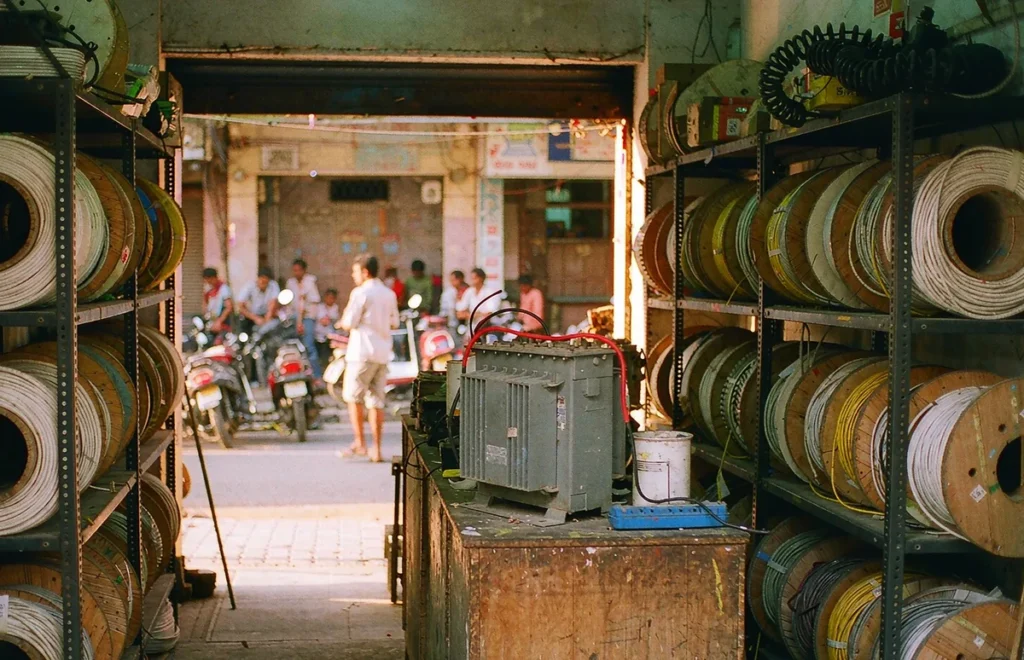
Voltage Converter for Nepal: 230V to 110V Guide
Nepal runs on 230V at 50Hz, and the sockets you will meet most often in Kathmandu are the two pin round Type C, the older Type D with its three round pins, and the large Type M that everyone recognises from South African fittings. None of that is the interesting part. The interesting part is what the voltage actually does between the meter and your wall socket, because a supply that reads 208V at seven in the evening and 236V at midnight is a very different problem from a supply that sits still.
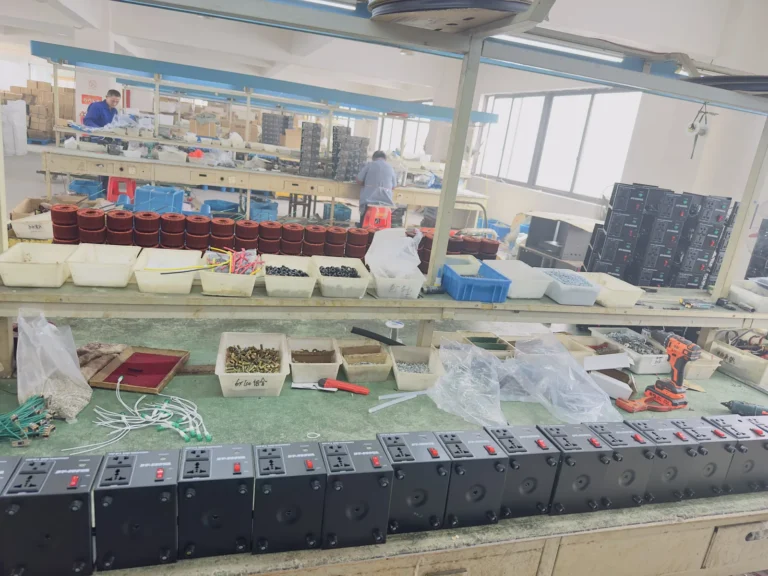
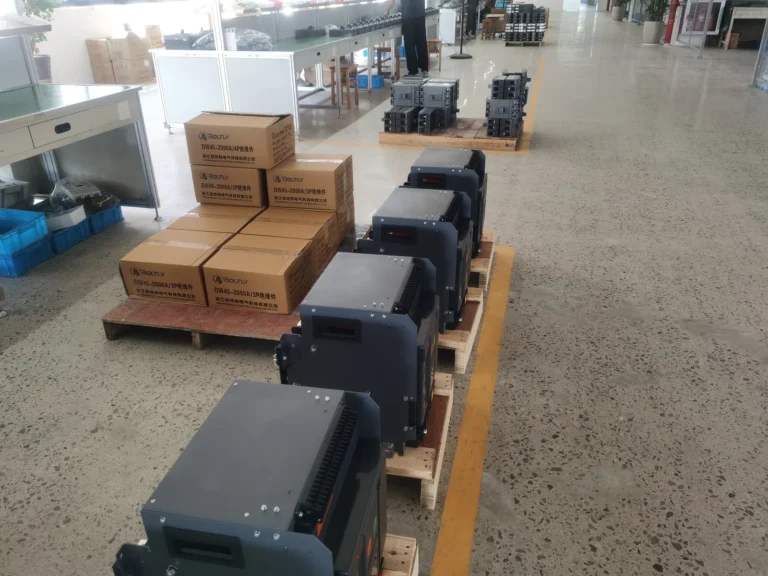
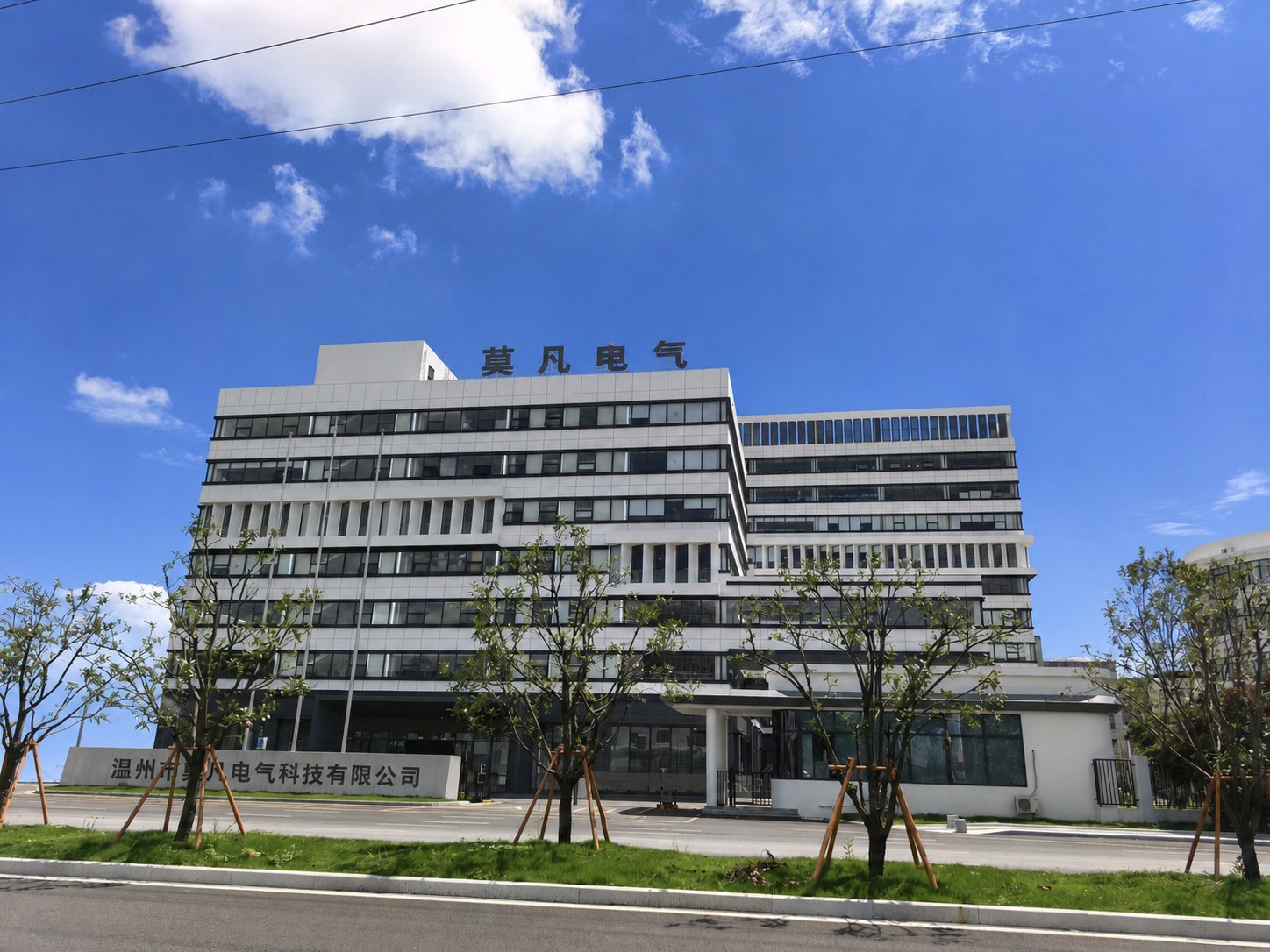
I work at a transformer factory in Yueqing, China, and we ship voltage converters to Nepal regularly. Most go to Kathmandu, some to Pokhara and the Terai, and a good share to shops that stock imported appliances for the local market. The questions I get are consistent, so let me answer them here the way I would on a call, with the numbers that actually matter.
What the Nepali Supply Actually Looks Like Day to Day
Nominal figures first, because they set the baseline. Nepal is 230V and 50Hz, the same as India and most of South Asia. In practice the figure you measure depends on where you are and what time it is. In Kathmandu, a house in a well served area can read close to 230V through the day. A house at the end of a long low voltage feeder can read 195V to 210V during the evening peak, and that is before anything unusual happens.
Two patterns cause most of the variation. The first is time of day. Everybody cooks, lights and runs a water heater in the same two hours, so the feeder sags and then recovers. The second is season. In the dry months the rivers run low, hydropower output falls, and imported power covers less of the gap, which is when you see the deepest and most frequent voltage dips. During the monsoon the reverse happens and supply is usually steadier.
Outages are the other half of the picture. Trips and load management are a fact of life in many areas, and when the supply comes back it does not always come back gently. A voltage spike on restoration is what kills imported electronics, far more often than a steady overvoltage ever does. If you own a compressor fridge or a washing machine that came from the United States, this is the single biggest risk you are running.
Why a Step Down Transformer Alone Is Not Always Enough
Here is the thing most buyers get wrong. A plain step down transformer is a fixed ratio device. Feed it 230V and it hands you 115V, more or less. Feed it 205V and it hands you about 102V, and your 110V refrigerator compressor now starts on a lower voltage than it wants, draws more current to compensate, and runs hot. Nothing has failed, and yet the refrigerator’s life is being shortened every single evening.
That is why we quote two arrangements for Nepal rather than one. If your measured supply stays within roughly 215V to 245V, a straightforward step down transformer is all you need, and it will serve you well for years. If your supply regularly drops below 210V, or swings more than about fifteen percent across the day, the transformer should sit behind an automatic voltage stabiliser on the mains side, so the transformer always sees a steady input and always delivers a steady output.
Worth saying once, plainly, because it comes up on every call. A transformer changes voltage, never frequency. Nepal is 50Hz, so a 110V appliance built for 60Hz gets a clean 110V at 50 cycles. Electronics with a switching supply will not notice. Anything with an induction motor, a compressor or a pump will run roughly seventeen percent slower and slightly warmer. If you are importing from the United States, that applies to your refrigerator, your washing machine, your mixer grinder and your water pump, but not to your television, your laptop or your router.
The Imported Appliances That Need a 110V Supply in Nepal
Most of what arrives in Kathmandu from North America is 110V, and most of what arrives from India, China or Europe is already 220-240V. Sorting a household or shop list into those two groups is the first job, and it usually cuts the transformer requirement in half. Here is what lands on the 110V side most often.
- Refrigerators and freezers brought from the United States, 150W to 500W running, compressor driven and running around the clock.
- Washing machines and dryers, 500W to 2500W, and the dryer heater alone can pull more than the rest of the house.
- Kitchen appliances, blenders, mixers, air fryers, rice cookers and microwave ovens, 300W to 1500W, and they are the reason people buy a converter in the first place.
- Water pumps and pressure boosters, 300W to 1200W, common in Kathmandu houses with a rooftop tank and an unreliable mains pressure.
- Air conditioners and portable units ordered from the United States, 900W to 2500W, with a heavy compressor start.
- Power tools for workshops and small businesses, drills, circular saws, compressors and welders, 500W to 3000W depending on the tool.
- Medical devices in clinics, nebulisers, small sterilisers and examination equipment, 100W to 1500W.
- Gaming consoles, audio equipment and desktop computers built for 110V, 100W to 600W, though many of these already accept 100-240V.
- Home gym equipment and treadmills, 500W to 2000W, with a motor that starts under load.
- Shop equipment, display fridges, sewing machines and small compressors for tailors and workshops, 200W to 1500W.
What does not need a converter, and I would rather tell you this than sell you a unit you do not need: laptops, phone chargers, most televisions, LED lighting, and anything whose label reads 100-240V, 50/60Hz. That label means the device is already happy on Nepali mains. Checking it takes ten seconds and saves real money on a household list.
How to Size a Voltage Converter for Nepal
The method is the same one I give every household and shop, with one Nepal specific adjustment. Work out the simultaneous load rather than the total of everything you own. Then add 25 to 30 percent headroom at nominal 230V. Then, if your supply drops to 205V in the evening, add a further allowance, because the transformer needs to hold its output while the input is sagging, and that takes a bigger core and a bigger winding.
Motors get the same treatment as anywhere else: 2.5 to 3 times the running current for a moment on start. In a Nepali house the compressor in a refrigerator and the motor in a water pump are the two that matter most, and they are also the two that run most often when the supply is at its weakest. If they start within a second of each other, size for both.
A Worked Example: A Kathmandu Household
Say you have run the refrigerator from the United States at 200W, a washing machine at 1000W while heating, a kitchen mixer at 500W, a water pump at 750W and a set of small kitchen appliances at 800W. You will not run all of that at once. The realistic evening peak is the fridge, the pump and either the washing machine or the kitchen appliances: 200 + 750 + 1000 = 1950W. Add 25 percent headroom and you reach about 2450VA. Then, because the evening supply can drop to 205V and the pump is a motor load, step up to a 3000VA unit. That is our STU-3000, and it will hold its output through the dip without the pump dragging the fridge down with it.
Now consider a small tailor’s shop with three sewing machines at 250W each and an iron at 1200W. Realistic peak is 750 + 1200 = 1950W, plus 25 percent gives 2450VA, and a 3000VA unit covers the shop. A retail shop with a display fridge and a counter scale is far lighter, somewhere near 600W, and a 1000VA bidirectional unit handles it comfortably. Same city, same supply, three completely different answers.
| Application in Nepal | Typical simultaneous load | Suggested converter rating | Why this size |
|---|---|---|---|
| Household kitchen appliances only | 800 – 1500 W | ST-2000 2000VA with RCD | Short bursts, mixed loads, one socket at a time |
| Refrigerator plus water pump | 900 – 1400 W | ST-2000 2000VA with RCD | Two compressors and motors cycling through the evening dip |
| Washing machine plus appliances | 1500 – 2200 W | STU-3000 bidirectional | Heater element held for long periods, heavy on the supply |
| Full household evening peak | 1800 – 2500 W | STU-3000 bidirectional | Voltage sag at 205V needs a bigger core than at 230V |
| Air conditioner or treadmill | 900 – 2500 W | STU-3000 or STU-5000 | Compressor and motor starts at 2.5 to 3 times running |
| Tailor shop or small workshop | 1000 – 2200 W | STU-3000 bidirectional | Several motors plus a heating iron on one circuit |
| Retail counter and display fridge | 400 – 800 W | DT-1000VA bidirectional | Small mixed load that may need to work either direction |
| Clinic and diagnostic equipment | 300 – 1200 W | ST-1500 1500VA plus stabiliser | Sensitive loads want a steady output more than capacity |
Where the Voltage Stabiliser Fits
On a Nepali installation the stabiliser goes on the mains side, ahead of the converter. The stabiliser takes whatever the feeder is doing, 195V or 245V, and hands a steady 230V to the converter. The converter then does its fixed ratio job and your 110V appliances see a supply that hardly moves. Sockets and wiring stay the same, and adding the stabiliser later is straightforward if you have left space beside the unit.
If you are not sure whether you need one, measure rather than guess. Borrow a plug-in voltage meter, or ask an electrician to log the socket voltage for three evenings, one in the dry season. Send us the numbers and we will tell you honestly whether a stabiliser is worth the money at your address or whether the converter alone is enough.
Sockets, Plugs and What to Check Before You Buy
Nepali buildings use Type C, Type D and Type M sockets, often side by side in the same room, and the mix is a good clue about which arrangement you need. Type M is the large three round pin fitting rated around 15A, and it is the one worth using for anything heavy, because the smaller sockets are not built for a 2000VA load. If your converter output is going to a 110V appliance, the output side should have the right socket for that appliance’s plug rather than a chain of adapters.
Ask for the socket arrangement you actually need when you order. We fit output sockets to match US, UK or European plugs, and we can supply the input side with a plug or with terminals for an electrician to wire into a dedicated circuit, which is the better answer for anything above about 2000VA. A dedicated circuit also removes the temptation to run the converter off an extension lead, which is the single most common cause of nuisance tripping that we hear about.
Buying a Converter in Nepal: What to Look For
Kathmandu has plenty of places to buy a converter, from electrical shops in the old bazaar to online sellers, and the price range is wide for good reason. Three things separate a unit that lasts from one that does not. Ask whether the winding is copper. Ask whether there is RCD protection on the 110V side. Ask for a test record showing the input and output voltage under load. A seller who can answer those three questions is a seller who knows what they are moving.
Power rating needs a critical eye too. A converter sold as 3000W that runs warm at half that figure is usually rated on a peak basis rather than continuous, and continuous is what a Nepali household needs when the fridge runs twenty-four hours a day. Our own ratings are continuous VA figures with the input and output voltages printed on the faceplate, so you can check what you are buying rather than taking a box’s word for it.
One more thing, and it is a safety point rather than a sales point. Buy from a seller who will tell you where the unit was made and who stands behind it. A converter with no paperwork and no warranty is a gamble on a household’s appliances, and the appliances usually cost far more than the converter did.
The Units We Ship to Nepal
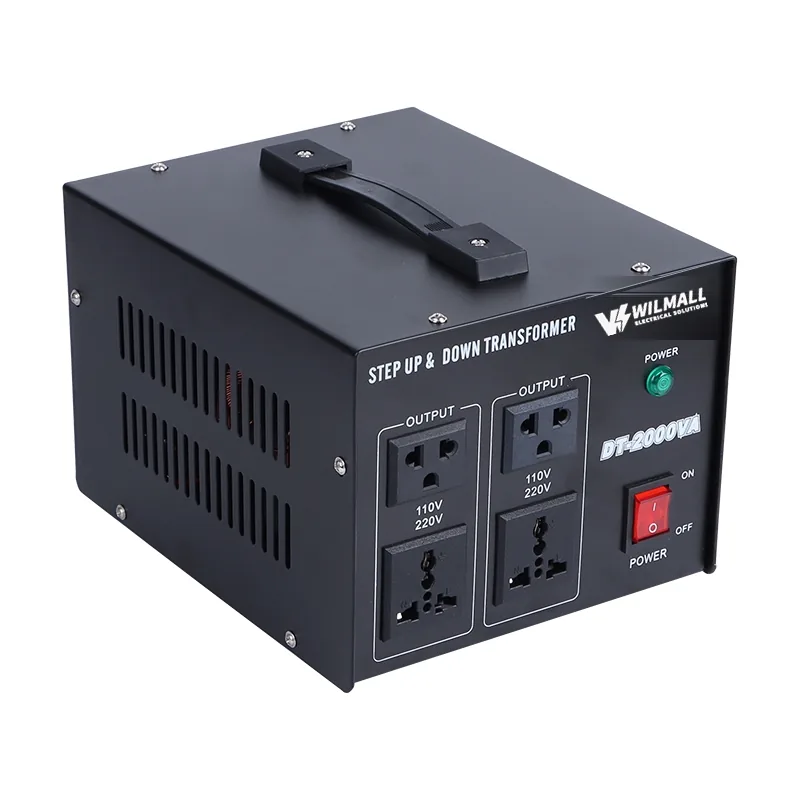
We are a factory, not a trading company, so I can tell you exactly what leaves our line. The ST-2000 is a 2000VA step down transformer that takes 220-240V in and gives 110V out with RCD protection inside the enclosure. For a household running kitchen appliances, a refrigerator and a small pump, that is the unit most of our Nepali customers start with.
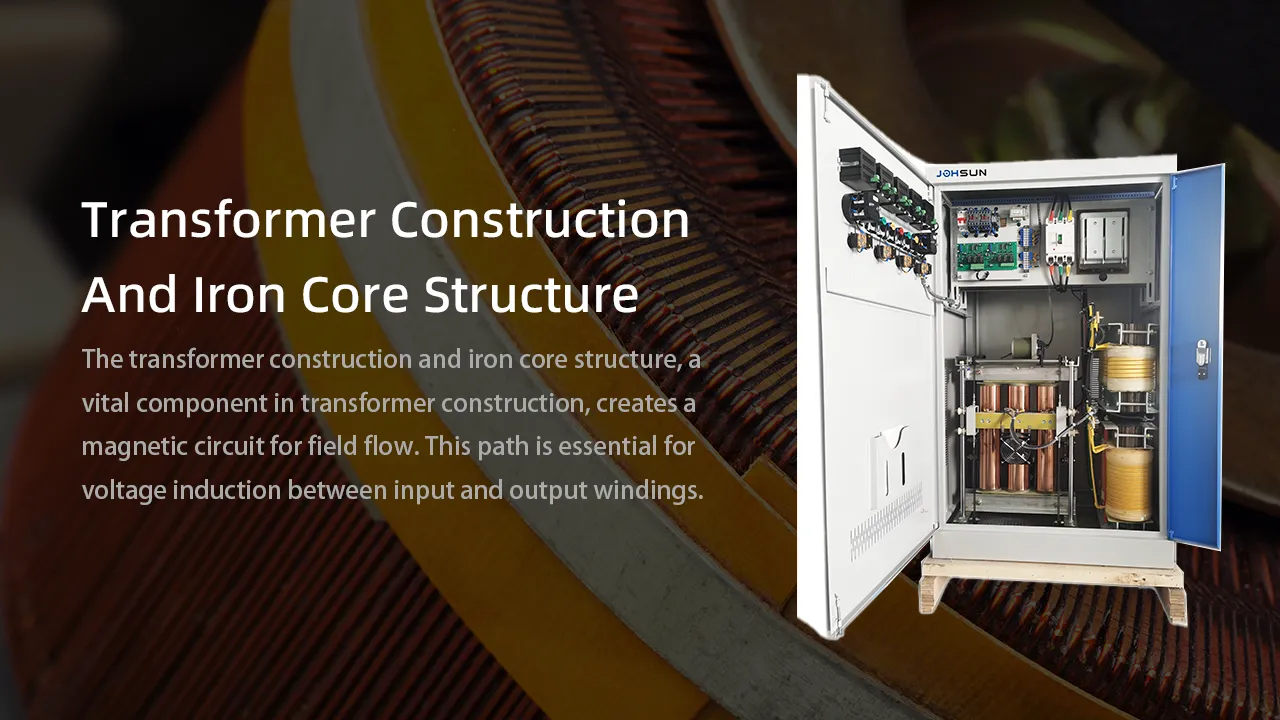
For anything beyond that, the STU series comes into play. STU-3000 and STU-5000 are bidirectional, so they step up as well as down, and they carry the heavier side of household and shop work: washing machines, air conditioners, treadmills and workshop tools. Bidirectional matters in Nepal more than in most markets, because a house that imports 110V appliances from America will also own 220V appliances from India or China, and the ability to go either way from one box saves buying twice.
The DT-1000VA is our bidirectional automatic unit and it suits retail counters, small offices and light domestic loads where a modest circuit needs to work in either direction without anyone thinking about it. A Variac range sits alongside those, at 500VA, 1KVA, 2KVA and 3KVA. Adjustable output is mainly a service tool here, used by repair shops bringing a fresh import up slowly or checking how a motor behaves at 105V, but the shops that own one use it every week.
Order Size, Delivery Time and Test Records
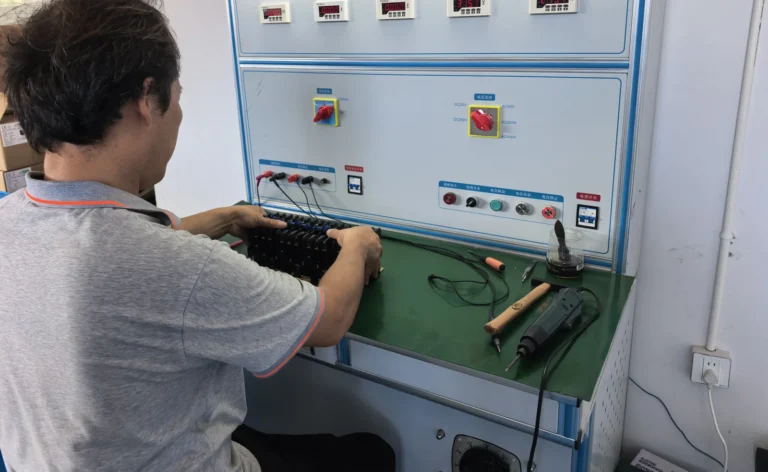
The commercial details are brief, and importers usually ask about them first. Our minimum order is 10 pieces, which suits a shop stocking several ratings rather than a full container. Production takes 15 to 25 days, and a bigger quantity or custom labelling puts you nearer the far end. We ship FOB Ningbo or Shanghai, and every unit carries a 12-month warranty. Each carton contains a test record from the batch your unit came from, showing input voltage, output voltage under load and no-load current, because we wind and 100 percent test every unit in our own factory here in Yueqing.
For Nepali importers we can set the output to 100V, 110V or 120V depending on what your customers bring in, fit Type M, Type D or Type C arrangements on the input side, print your own brand on the faceplate, and pack units in retail boxes if you are selling rather than installing. Tell us which ratings move fastest for you and we will build the order around that mix.
Before We Quote You: The Details We Need
No finished specification is needed before the first message. Whatever is on hand will do. The appliance list with the wattage from each nameplate, a photo of one nameplate if that is quicker than typing, your measured socket voltage in the evening, how many separate 110V feeds you need, and your target date. From that we can size the unit, quote the quantity and give you a delivery window, normally the same working day.
Two things worth reading while you put that list together. Neighbouring markets face a very similar supply, so our guide to a Step Down Transformer for Myanmar: 230V to 110V Guide covers much of the same ground. And if you want to compare other countries before you commit, there is a full set of voltage guides by country on the site. For the hardware side, the step up & down transformers page lists the arrangements we build most often.
The last thing I will say to a Nepali buyer is this. Tell us your measured voltage, not just your nominal. Nominal is 230V everywhere in the country. What matters at your address is what the socket reads at seven in the evening in the dry season, and that number decides whether you need a stabiliser as well as a converter.
Nepal Voltage Converter Questions I Get Asked Most Weeks
The five questions below cover most of what Nepali buyers ask me, answered the way I would answer them on WhatsApp.
What voltage does Nepal use and do I need a converter?
Nepal is 230V at 50Hz, with Type C, Type D and Type M sockets. Anything brought in from North America that is rated 110V or 120V needs a step down converter, and a ST-2000 2000VA unit covers most household kitchen and refrigeration loads. Devices labelled 100-240V, 50/60Hz do not need one at all.
Why do I need a voltage stabiliser as well as a converter?
Because a converter is a fixed ratio device. If your socket drops to 205V in the evening, a 230V to 110V converter hands out roughly 102V, and a compressor motor starting on that draws more current and runs hotter. A stabiliser on the mains side keeps the converter input steady, so the output stays steady too.
Can a voltage converter protect my appliances from power cuts and surges?
It cannot store energy, so it will not keep anything running through an outage. What a good converter with RCD protection does is trip locally on a fault rather than passing it downstream. If outages are frequent at your address, put a stabiliser and a surge protective device ahead of the converter as well.
How do I work out the size of converter my Kathmandu house needs?
Add up what can run at the same moment, never the total of everything you own, then add 25 to 30 percent. A fridge, a water pump and a washing machine on together comes to about 1950W, so a 3000VA bidirectional unit covers it with headroom and still holds its output when the evening supply sags.
Will a 50Hz supply in Nepal damage my 110V appliances from the United States?
The converter changes voltage only, never frequency, so your appliances get a clean 110V at 50Hz. Electronics are unaffected. Motors and compressors run about seventeen percent slower and slightly warmer, which mainly means longer run times rather than damage. Send us the model numbers if you want anything checked.
Tell us your measured evening voltage and we will size the right converter. Send your appliance list, how many separate 110V feeds you need, and whether your supply dips below 210V. Give us that and the recommended unit, the quantity and the price follow, usually the same working day.
Or talk to us directly: WhatsApp +86 197 3022 6757 · Email sales@wilmall.com
MOQ 10 pcs · Lead time 15-25 days · FOB Ningbo or Shanghai · 12-month warranty