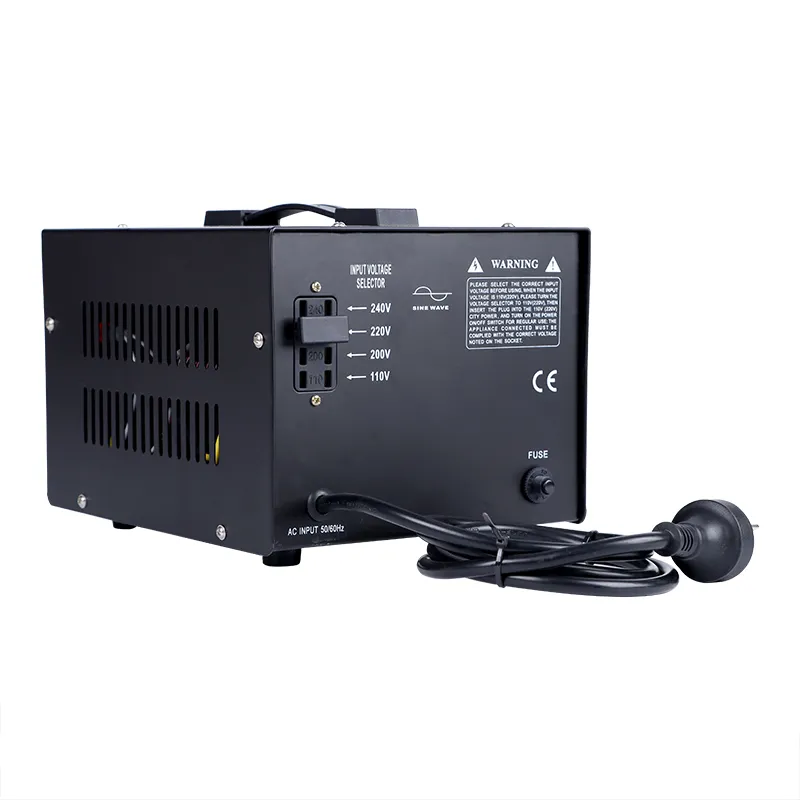
Step Down Transformer for Supermarkets: 220V to 110V
A supermarket is the hardest commercial building to get voltage right, and it has nothing to do with the machinery being complicated. It is because a store never stops. Freezers run through the night, the chilled display case on the dairy aisle compresses every few minutes, the bakery starts at four in the morning, and the checkout lanes switch on at eight. Every one of those loads lands on the same supply, and if the transformer sizing is wrong, you find out at the worst possible moment: a full store, a queue at the till, and a compressor that will not start.
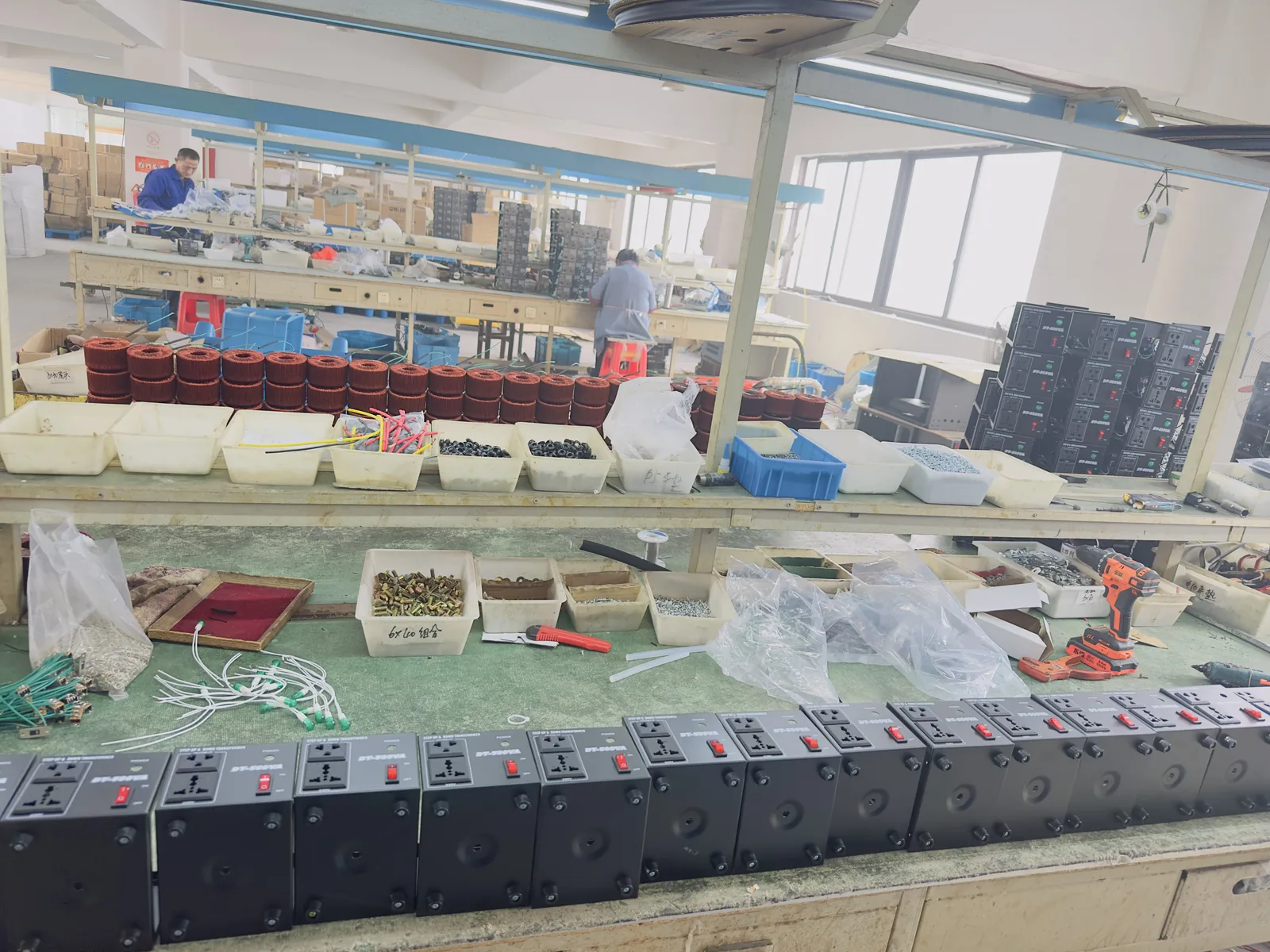
I build transformers at a factory in Yueqing, China, and we ship supermarket orders into African markets regularly. Nigeria, Kenya, Ghana, Tanzania, South Africa. The pattern is always similar. A store is wired at 230V or 240V, the cold chain equipment was bought on a 110V specification because it was available and priced right, and somebody now has to make the two work together across a building that draws power every hour of every day.
Why a 230V Store Ends Up Running 110V Equipment
Voltage at the meter and voltage on the nameplate are separate decisions, and in retail they drift apart fast. The most common cause is the cold chain. Commercial freezers, display chillers and ice machines are manufactured in huge numbers for the North American market, and a 115V unit is often cheaper and more available than its 230V equivalent, especially on the used and surplus market. A store buying fifteen display cases at once will take the deal and plan to sort out the electrics later.
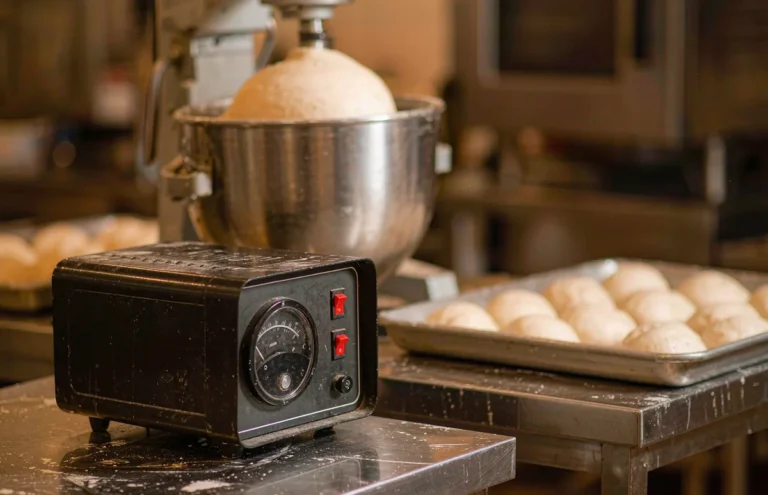
Then there is the checkout and back office side. POS terminals, cash drawers, receipt printers, barcode scanners, security DVRs and alarm panels frequently arrive as 110V units through a group procurement list written for another region. Bakery equipment is the third source. Dough mixers, deck ovens, proofers and donut fryers bought from US suppliers land in African stores with 110V plugs on them, and those are high-draw machines.
One more thing worth knowing before you plan a store-wide installation. On top of normal supply variation, mains voltage in parts of Africa swings more than most equipment tolerates. A transformer passes that variation straight through rather than smoothing it, because a transformer is not a regulator. If your incoming supply is bouncing between 190V and 250V, your 110V output will bounce between roughly 90V and 125V, and compressors and electronics both hate that. If voltage stability is a known problem at your site, talk to us about it at the quotation stage, because it changes what we would recommend.
The Loads Inside a Store, Department by Department
When a supermarket sends me a load schedule, this is how it usually breaks down.
- Frozen display cabinets and chest freezers, 200W to 900W each, with a compressor that starts hard and runs most of the day.
- Chilled multi-decks, dairy and deli cases, 300W to 1200W each, cycling every few minutes and adding a defrost element several times a day.
- Walk-in cold rooms, 1000W to 3000W, the single biggest continuous load in most stores.
- Bakery mixers, deck ovens and proofers, 800W to 3500W, on in the early hours before the store opens.
- Deli slicers, mincers, vacuum sealers and scales, 150W to 800W, switched on and off all day.
- Checkout equipment, POS terminals, printers, scanners, cash drawers, 30W to 200W per lane.
- Display and shelf lighting, 110V LED and track lighting on imported fittings, frequently several hundred watts across a store.
- CCTV, alarm panels and access control, 50W to 300W, running continuously.
- Air conditioning and ventilation, where the units were specified for a 110V supply rather than bought locally.
The other pile matters just as much. Modern office equipment in the back office, laptops, monitors, phone chargers, most LED drivers and a growing share of security hardware are rated 100-240V, 50/60Hz. Those run on your 230V supply with a plug adapter and should stay off the transformer. Every watt you leave off the calculation is capacity you can spend on a compressor start instead.
Sizing a Supermarket Transformer, Department by Department
Do not size a store from one number. Split it into departments and size each one, because that is how the cabling will be run anyway and it is how you keep one failure from stopping the whole building. Then apply the right headroom to each load type, which for retail means paying serious attention to compressors and motors.
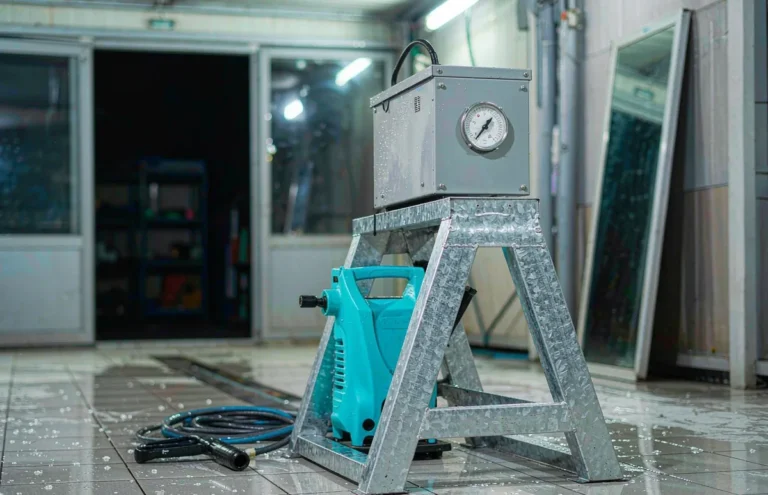
Worked example, frozen aisle. Twelve chest freezers at 500W each sounds like 6000W, and if all twelve compressors started at the same instant you would need a transformer far beyond 6kVA. They do not. Compressors cycle, and the realistic peak is maybe four running together with one starting. Figure 2000W of running load plus a start surge on one unit, apply 150 percent headroom for the motor portion, and you land comfortably in the 3000VA to 5000VA bracket. That is the STU-3000 or the STU-5000, both of which are bidirectional, which matters in retail because a store that imports some equipment at 110V will import other equipment at 230V, and the same box covers both.
Second example, checkout block. Six lanes with a POS terminal, printer, scanner and drawer at roughly 150W each, plus a CCTV recorder and a small back office load. Call it 1100W running, no serious motors, so 25 percent headroom puts you near 1400VA. A 2000VA unit with RCD protection covers it with margin, and that is our ST-2000. Keeping the checkout on its own unit means a compressor problem on the frozen aisle never takes the tills down at five in the afternoon.
| Store area | Typical running load | Load type | Headroom to apply |
|---|---|---|---|
| Frozen display cabinets | 200 – 900 W each | Compressor motor | 150 percent on start |
| Chilled multi-deck cases | 300 – 1200 W each | Compressor plus defrost heater | 150 percent on start, plan for defrost |
| Walk-in cold room | 1000 – 3000 W | Compressor, continuous | 150 – 200 percent |
| Bakery mixer | 800 – 2000 W | Motor under load | 150 – 200 percent |
| Bakery deck oven | 2000 – 3500 W | Resistive, long duty | 30 percent |
| Deli slicer or mincer | 150 – 800 W | Motor, frequent starts | 100 – 150 percent |
| Checkout lane | 30 – 200 W per lane | Electronic | 25 percent |
| CCTV and alarm panel | 50 – 300 W | Electronic, continuous | 25 percent |
| Display and shelf lighting | 200 – 1500 W | LED drivers | 25 percent |
If you would rather not build this table yourself, send us the store plan and the equipment list and we will do it with you. We have sized enough stores that the pattern is familiar, and it is a much cheaper conversation than replacing a transformer that was undersized.
Defrost Cycles: The Load Nobody Plans For
Here is the detail that catches almost every first-time buyer. A refrigeration unit does not draw a steady load. Compressors cycle on and off, and on top of that, most commercial cases run a defrost cycle several times a day, where an electric heater melts the ice off the evaporator coil. During defrost, a cabinet that was drawing 400W can pull well over 1000W, and several cases defrosting at once adds up quickly.
If your transformer sizing was based on the running watts on the nameplate and nothing else, defrost is where it gets caught. Two fixes work. Size the transformer with enough headroom to absorb defrost on top of normal running load, or stagger the defrost timers across the aisle so they do not all run at the same time. The second costs nothing and is what a good refrigeration contractor will do anyway, but it is worth confirming before you sign off on a transformer size.
24-Hour Duty Changes the Sizing Rule
Most commercial loads spend part of the day idle. A supermarket does not. A transformer in a store runs at some meaningful fraction of its rating every hour of every day, and heat is what ends the life of the insulation inside it. That is the whole reason we size store loads more conservatively than office or hotel loads.
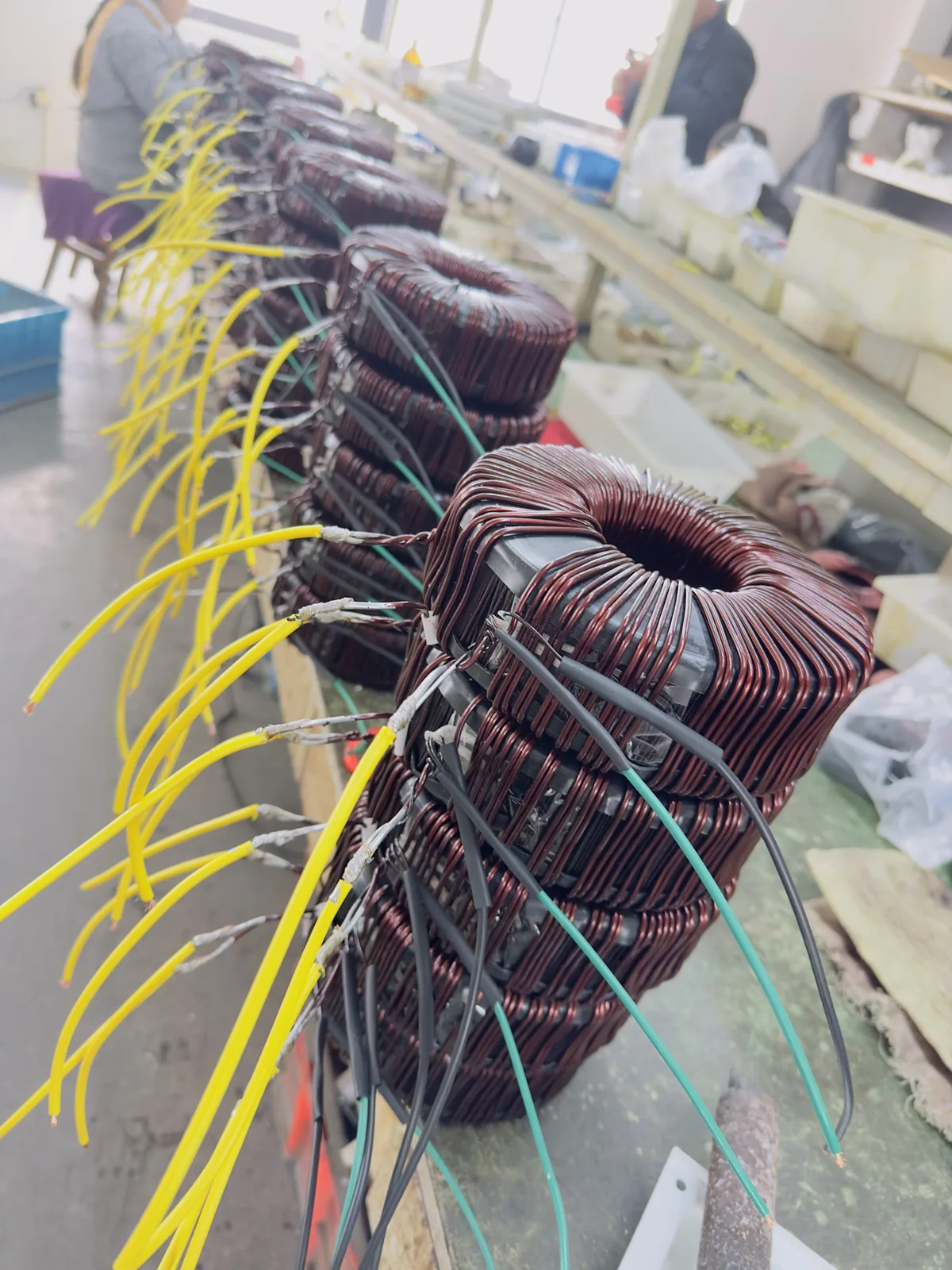
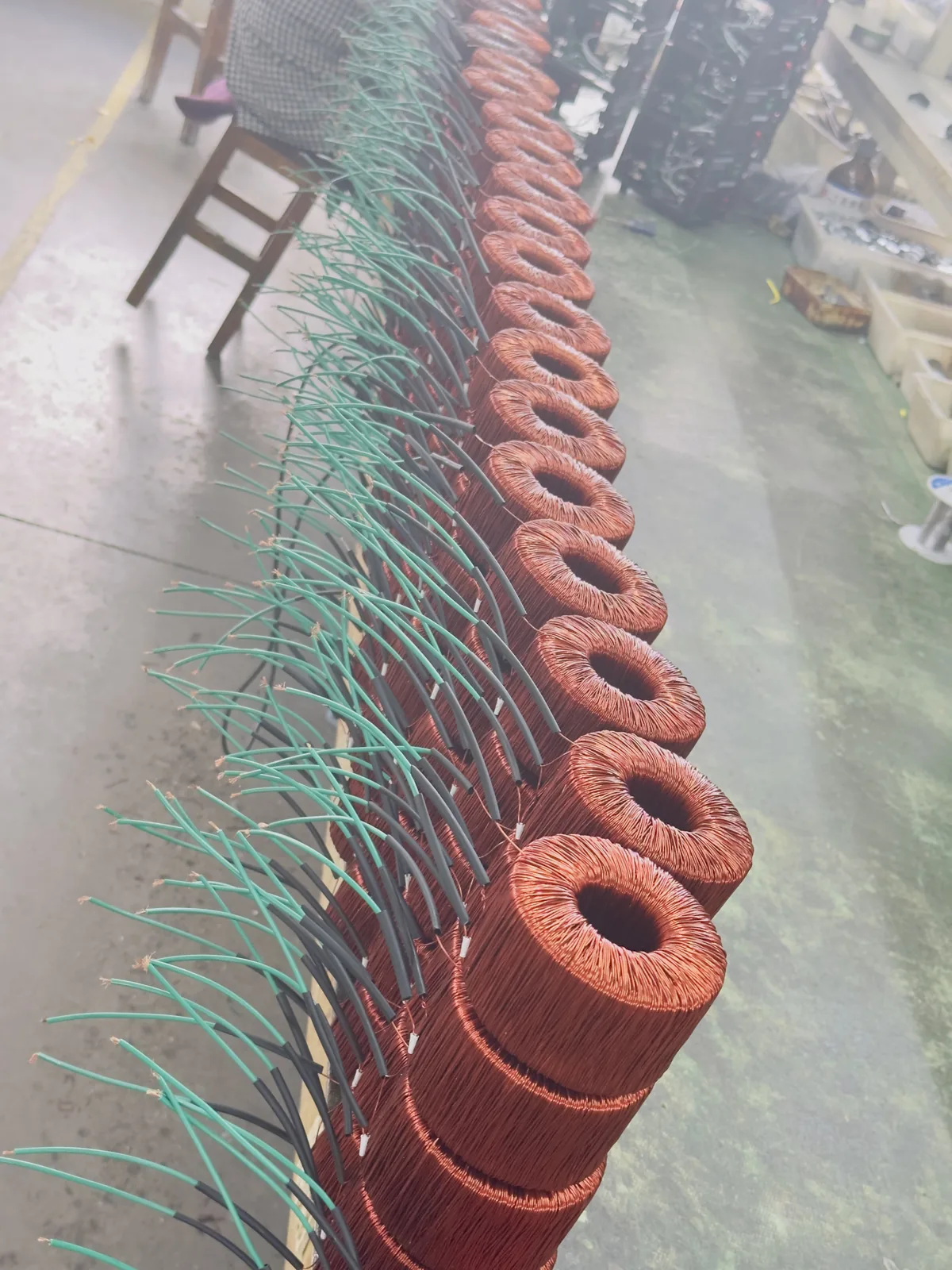
My practical rule for retail: never run a supermarket transformer above about 70 percent of its rating for extended periods, and prefer 50 to 60 percent. It costs a little more at purchase and it is the difference between a unit that quietly does fifteen years and one that fails in year three, in August, with a full freezer. Copper windings matter here as well. We wind with copper rather than aluminium because aluminium runs hotter at the same rating, and hot insulation is what fails. In a walk-in plant room at 40 degrees ambient, that difference is not academic.
Every unit we build is 100 percent tested in our own factory here in Yueqing and ships with a batch test record showing input voltage, output voltage under load and no-load current. For a store group, that record is your baseline when a compressor gets blamed for a supply problem a year down the line.
Where to Mount a Transformer in a Store
Retail space is expensive, so the transformer usually ends up wherever there is a gap, which is how they end up in cupboards behind the mop sink. That is a mistake. The unit needs moving air, so leave clear space on every side of the vents and do not box it into sealed joinery. Plant rooms and service corridors are fine. Stockrooms are fine if the shelf above is not loaded with cardboard pressing against the case.
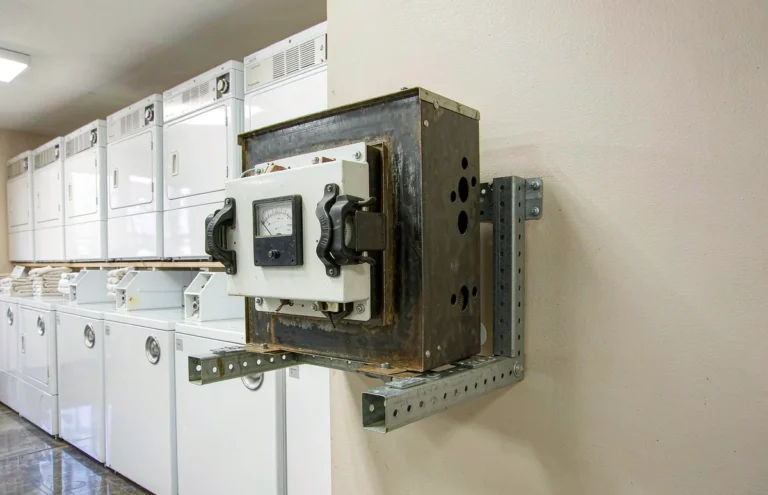
Keep it off the floor, because store floors get hosed and mopped. Bond the enclosure to earth, and wire the 110V output as a proper circuit with its own protection. Give the checkout block its own unit rather than feeding it from the frozen aisle, and give the CCTV and alarm panel a supply that does not share with anything that starts a motor. Those two habits alone remove most of the nuisance faults we hear about.
Units We Build for Retail and What They Suit
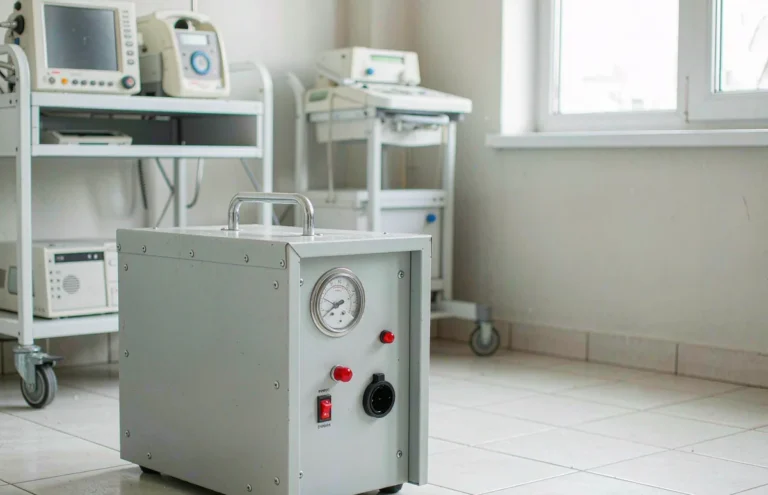
The ST-2000 is a 2000VA step down transformer, 220V in and 110V out, with RCD protection included. It fits checkout blocks, CCTV and back office loads, and single small display cases. Anywhere water and the public are close together, the RCD earns its place.
The STU-3000 and STU-5000 are our bidirectional large power units, and they carry the retail loads that matter: frozen aisles, walk-in cold rooms, bakery equipment and deli machinery. Bidirectional means the same box handles a store that mixes 110V and 230V imports, which is more or less every store we quote for.
Our DT-1000VA is the bidirectional automatic unit, sized for smaller duties like a service counter, a scale station or a single imported appliance. And the Variac range at 500VA, 1KVA, 2KVA and 3KVA gives adjustable output voltage, which retail maintenance teams find useful for commissioning a new case or checking a machine without throwing full mains at it. Once a store group buys one, they tend to buy more.
MOQ, Lead Time and Multi-Store Orders
Our MOQ is 10 pieces, production runs 15 to 25 days, we ship FOB Ningbo or Shanghai, and every unit carries a 12-month warranty. A single store opening usually sits at or just above the minimum, and a group rollout obviously goes higher.
For chains, we can label units by store and department, supply the socket type used in your market, set output to 110V or 120V to match the equipment labels you actually have, and stage deliveries against your opening schedule so you are not warehousing pallets of transformers in a stockroom that needs the space for stock. Give us the rollout plan and we will work backwards from the opening dates.
What to Send Us for a Store Quote
Send the equipment list with watts from the nameplates, a photo of a couple of nameplates, your mains voltage and frequency, the socket type in the store, a rough idea of how many departments you want on separate circuits, and your opening date. That is enough for us to size each department, quote quantities and give you a delivery window, usually the same working day.
One more consideration if your store has a hot food counter, a bakery or a staff canteen. Commercial microwaves are one of the loads buyers most often underestimate, because the magnetron circuit draws far more than the label suggests on start-up. Our guide to a Step Down Transformer for Microwave Oven: 1500W Guide walks through that sizing in detail. For the difference between stepping down, stepping up and a unit that does both, our page on step up & down transformers sets it out plainly, and our more buying guides cover the rest of the commercial loads we get asked about.
If the equipment list is still a work in progress, send the draft. Sizing a supermarket transformer from a half-finished list is normal work for us, and it is a great deal easier than redoing the plant room after the cases are installed.
Supermarket Transformer Questions Buyers Ask Most
These come up in our inbox almost every week, answered the way I would answer them on a call.
What size step down transformer does a supermarket need?
There is no single number. Split the store into departments and size each one separately. A frozen aisle with twelve chest freezers usually lands in the 3000VA to 5000VA bracket once you allow for compressor starts, while a checkout block of six lanes plus CCTV fits comfortably on a 2000VA unit. Send us the load schedule and we will size it.
Why do my freezers trip the transformer at certain times of day?
Two likely causes. Compressor start-up draws several times the running current, and defrost cycles add a heating element on top of normal load. If several cases defrost together, the total can be double what the nameplate suggests. Size for the motor portion and stagger your defrost timers across the aisle.
Can one transformer run the whole supermarket?
It can, but it becomes a single point of failure in a building that never closes. We recommend splitting by department, with one unit for the frozen aisle, one for bakery and deli, and a small unit for checkout, CCTV and back office. That way a fault on one circuit does not put a full freezer at risk overnight.
Should a supermarket transformer run at full rating all day?
No. For retail duty we keep continuous load at around 50 to 70 percent of the transformer rating. Stores run twenty-four hours, so the unit never cools down properly, and sustained heat is what shortens insulation life. A little extra capacity at purchase is much cheaper than replacing a unit in year three.
Does a step down transformer fix unstable mains voltage in my store?
No, and this matters in some markets. A transformer passes supply variation straight through rather than regulating it, so if your incoming voltage swings widely your 110V output swings with it. A transformer is not a voltage stabiliser. Tell us if your site has unstable supply and we will discuss the options before you order.
Send us your store equipment list and we will size each department separately. Tell us the watts from the nameplates, how many circuits you want, the socket type in your market and where the store is. We will come back with a recommended unit per department, a quantity and a price, normally the same working day.
Or talk to us directly: WhatsApp +86 197 3022 6757 · Email sales@wilmall.com
MOQ 10 pcs · Lead time 15-25 days · FOB Ningbo or Shanghai · 12-month warranty