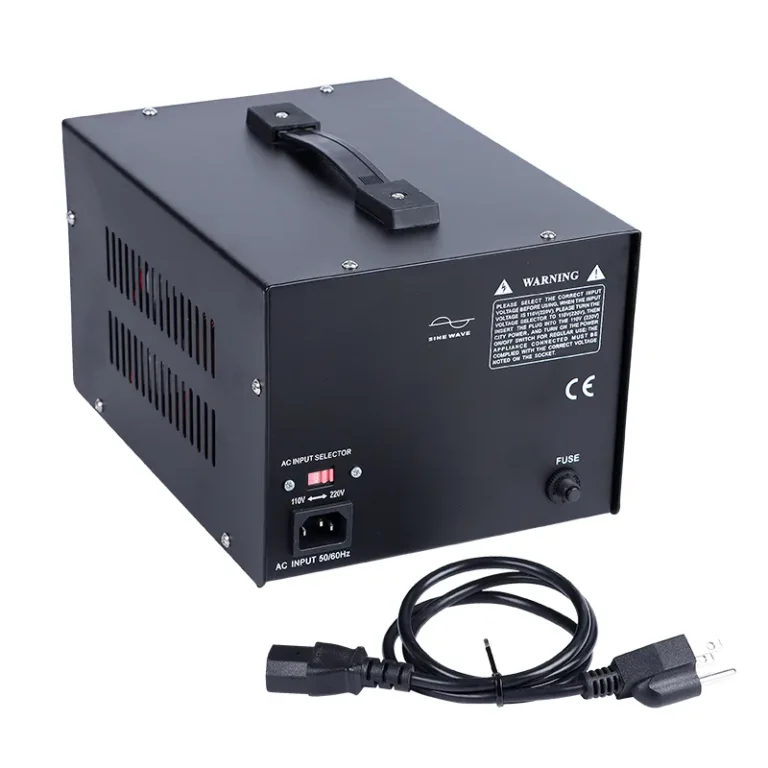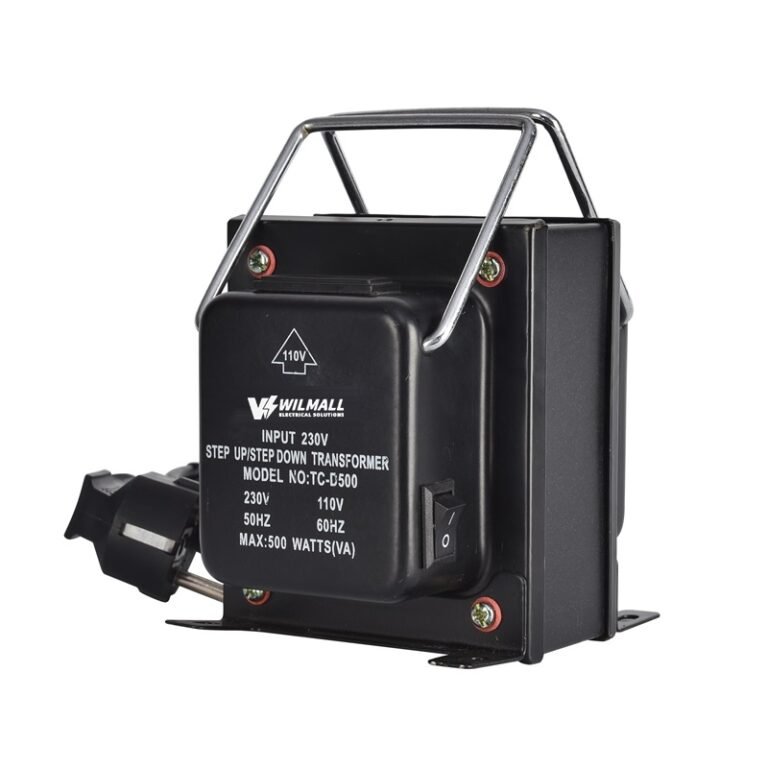
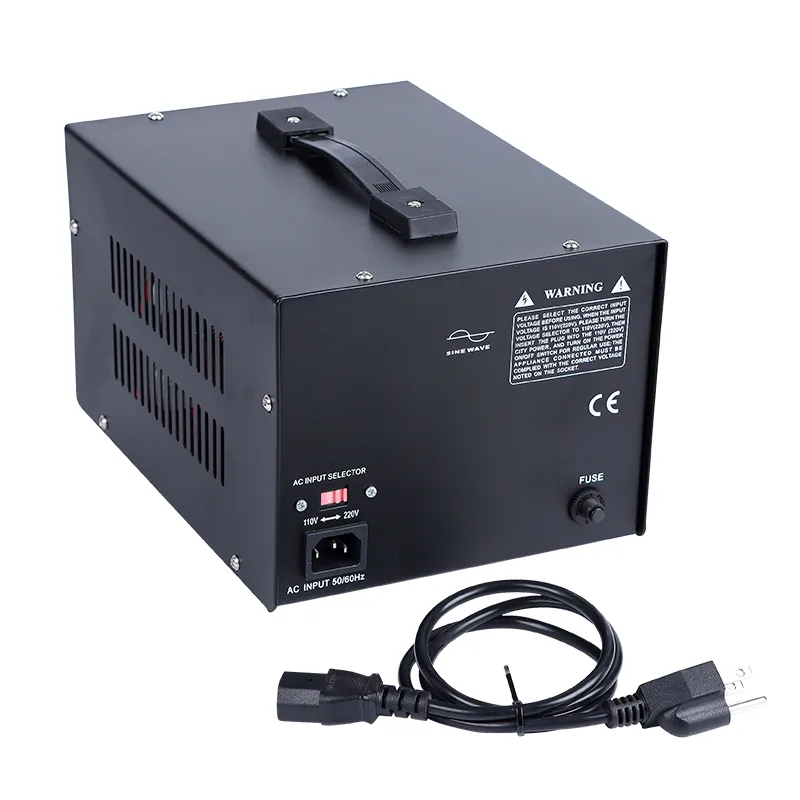
120V to 240V Step Up Transformer: US to International Power
Quick answer: a 120V to 240V step up transformer lets US and Canadian 120V outlets run 240V appliances — ovens, dryers, water heaters, European imports, and 240V machines. Size it 20–30% above the appliance’s running watts, and use a real transformer, not an electronic converter, for anything with a heating element or motor.
Key Takeaways
- 120V to 240V step up powers US homes with 240V appliances.
- Ovens, dryers and heaters need 20-30% headroom.
- Real transformers handle heating elements; converters do not.
- 110V and 120V inputs both covered by our multi-tap units.
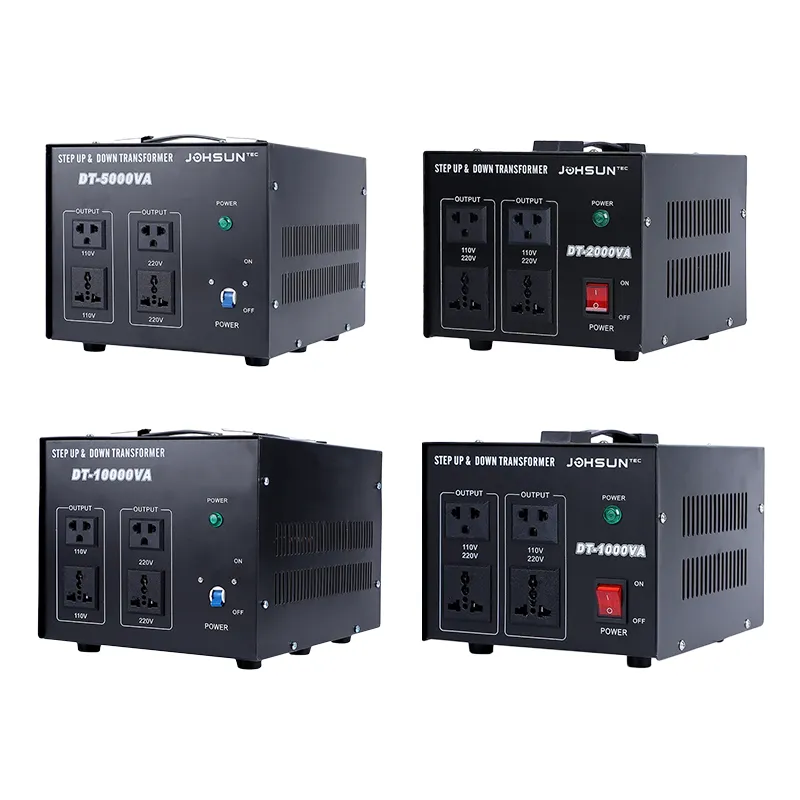
Quick Size Guide
| Load | Transformer |
| Up to 700W | 1000VA |
| Up to 1600W | 2000VA |
| Up to 4500W | 5000VA |
When Do You Need a 120V to 240V Transformer?
North American homes supply 120V (and sometimes a split 240V for big appliances), while much of the world — and many industrial machines — run on 220–240V. You need a step up transformer when you bring a 240V appliance into a 120V home:
- A European or Asian kitchen appliance (oven, kettle, espresso machine)
- A 240V power tool or workshop machine
- Industrial equipment rated 220–240V
- A water heater or electric heater rated 240V
What Size 120V to 240V Transformer Do You Need?
Add 20–30% to the running watts, then pick the next size up. For appliances with a motor or heating element, use the larger margin — start-up current is higher.
| Appliance load | Recommended transformer |
| Kettles, espresso machines, small heaters (up to 700W) | 1000VA |
| Ovens, large heaters (up to 1100W) | 1500VA |
| Dryers, water heaters, large appliances (up to 1600W) | 2000VA |
| Workshop tools, commercial appliances (up to 2600W) | 3000VA |
| Industrial loads, whole circuits (up to 4500W) | 5000VA |
If your appliance label lists amps instead of watts: watts = amps x 120V. A 15A appliance at 120V draws about 1800W — size for at least 2000VA.
120V Input, 240V Output: What About 110V and 220V?
Your wall voltage may measure anywhere from 110V to 125V depending on region and load. Our step up and step down transformers are wound to accept 110–120V input and deliver 220–240V output, covering both the US 120V and the Japanese/Taiwanese 110V standards. Tell us your exact local voltage and appliance rating and we will confirm the tap setting.
Why Not an Electronic “Voltage Converter”?
Cheap electronic converters are designed for phone chargers and laptops — small, steady loads. A 240V oven or dryer draws high continuous current with start-up spikes. That is the domain of a true transformer: copper windings, a silicon steel core, and the ability to run hot loads for hours without failure.
Safety Checklist
- Overload and short-circuit protection (fuse or MCB)
- Thermal protection for continuous loads
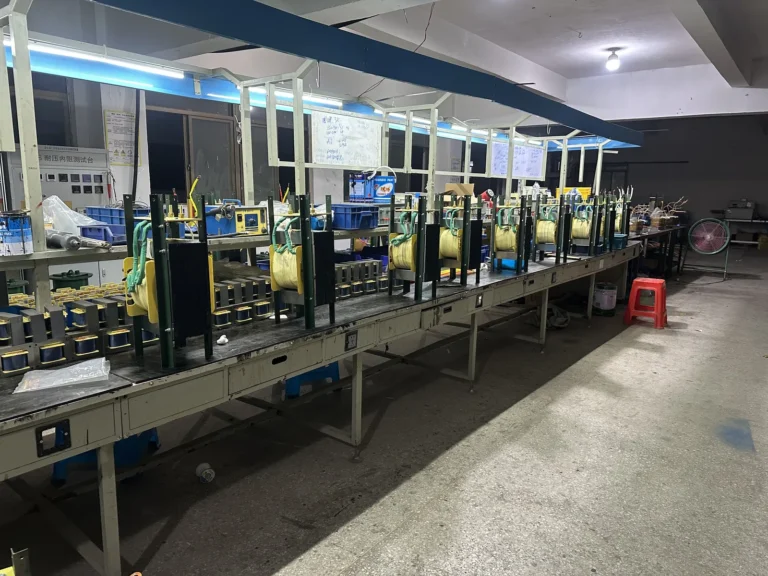
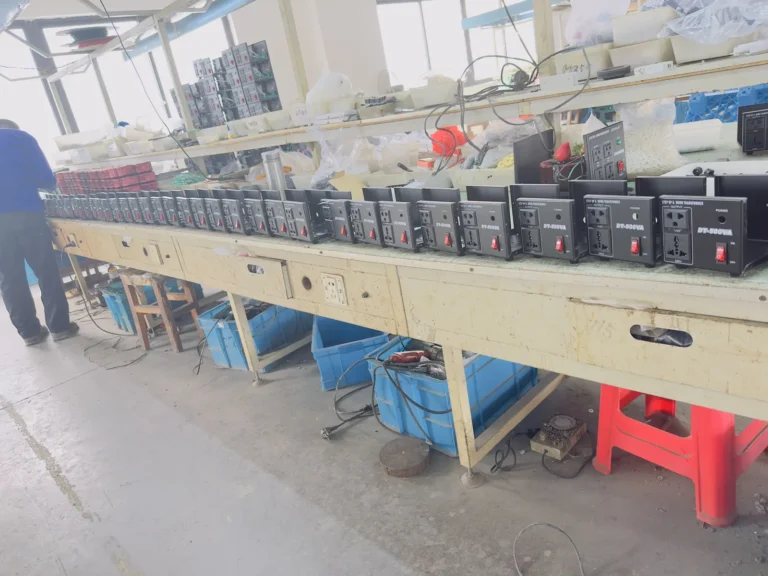
- CE / RoHS / ISO9001 certified production
- Free airflow around the unit — transformers get warm under load, that is normal; overheating is not
FAQ
Can a 120V to 240V transformer run a 240V dryer?
Yes, if sized correctly. Check the dryer’s wattage and choose a transformer with at least 20–30% headroom.
Will it work for 220V appliances too?
Yes — the output covers 220–240V, which fits most international appliances.
Is the output voltage stable?
Output follows input proportionally. If your wall voltage is stable, so is the output. For fluctuating supply you would need a stabilizer, which is a different product.
Can I use it as a step down transformer as well?
Our dual-direction models can. If you only need step up, a dedicated unit is fine.
Do you ship to the US?
Yes — we ship worldwide. Send us your appliance specs and we will confirm the right model and delivery time.
Still not sure which model fits?
Tell us your appliance, wattage and country — we reply within 24 hours with a straight recommendation.
What needs a step up in the US
In the US, the appliances that need a step up transformer are the ones built for 220V markets: European kettles, UK toasters, Asian rice cookers, 220V power tools, and regional appliances bought overseas. A 220V kettle in the US runs through a step up transformer from the 120V outlet to 240V, and it boils fast, because the element is wound for the higher voltage.
The same 80% rule applies in the step up direction. A 1500W 220V kettle needs a 2000VA step up transformer, and the input side at 120V draws about 16 amps, which is at the edge of a standard 15A US circuit. A dedicated 20A circuit is the right installation for any step up above 1500W.
The circuit requirement you cannot skip
The step up transformer draws more current on the 120V input than it delivers on the 240V output, because the input voltage is lower. A 2000VA step up draws about 18 amps at 120V, which exceeds a standard 15A US outlet and needs a 20A circuit. A 3000VA step up draws about 27 amps, which needs a dedicated 30A circuit and heavier wiring.
This is the mistake that trips breakers and starts fires, plugging a large step up into a standard outlet. Before you buy, check the circuit rating, and if your kitchen or workshop circuit is 15A, stay at or below 1500VA on the input side.
Sizing for common US step up needs
For a 220V kettle or toaster, 1500 to 2000W, the 2000VA step up is the size. For a 220V rice cooker, 700 to 1000W, the 1500VA unit works. For 220V power tools, size by the tool’s peak draw with the 80% rule, a 1200W saw needs a 2000VA unit. For multiple appliances, add the loads and keep the total under 80%.
The STU series handles both directions, so a US household with a few 220V appliances can use one two-way unit rather than separate step up and step down transformers, which keeps the setup simple.
Why the US market needs step up at all
The US market is a 120V market, and most US households never need a step up transformer because they buy US appliances. The buyers who need step up are the ones with 220V gear: European and Asian appliances brought home, 220V tools bought abroad, and commercial equipment rated for the international standard. The demand is niche but consistent, and it is the mirror of the step down trade.
The frequency question applies here too. European gear is built for 50Hz, and the US runs 60Hz. Most modern appliances accept both, but motors with synchronous timing, and some older European tools, run at the wrong speed on 60Hz. The step up fixes the voltage, and the frequency is a separate consideration.
The circuit and breaker requirements
The step up transformer draws more current on the 120V input, and the circuit must carry it. A 2000VA step up at 120V draws about 18 amps, which is above a standard 15A US circuit, and needs a 20A circuit with the matching receptacle. A 3000VA unit needs a 30A circuit. The wiring must be sized for the input current, not the output.
The breaker should be rated for the input current with a small margin, and the receptacle should be the heavy-duty type for the amperage. An undersized circuit is the cause of most step up breaker trips, and it is a genuine fire risk at the higher sizes.
Where US step up buyers find us
Most US step up buyers find us through the appliance question, they search for running a European kettle or a UK toaster at home, and the search lands on the transformer guides. The purchase is usually one unit, 1500VA to 3000VA, shipped by air, and the sale is complete in a week.
For a US buyer, the shipping is direct from our factory to a US address in 7 to 15 days by air, and the 12-month warranty covers the unit at the buyer’s location. The step up market is smaller than the step down trade, but it is a clean market with few competitors and loyal customers.
Why the US market needs step up at all
The US market is a 120V market, and most US households never need a step up transformer because they buy US appliances. The buyers who need step up are the ones with 220V gear: European and Asian appliances brought home, 220V tools bought abroad, and commercial equipment rated for the international standard. The demand is niche but consistent, and it is the mirror of the step down trade.
The frequency question applies here too. European gear is built for 50Hz, and the US runs 60Hz. Most modern appliances accept both, but motors with synchronous timing, and some older European tools, run at the wrong speed on 60Hz. The step up fixes the voltage, and the frequency is a separate consideration.
The circuit and breaker requirements
The step up transformer draws more current on the 120V input, and the circuit must carry it. A 2000VA step up at 120V draws about 18 amps, which is above a standard 15A US circuit, and needs a 20A circuit with the matching receptacle. A 3000VA unit needs a 30A circuit. The wiring must be sized for the input current, not the output.
The breaker should be rated for the input current with a small margin, and the receptacle should be the heavy-duty type for the amperage. An undersized circuit is the cause of most step up breaker trips, and it is a genuine fire risk at the higher sizes.
Where US step up buyers find us
Most US step up buyers find us through the appliance question, they search for running a European kettle or a UK toaster at home, and the search lands on the transformer guides. The purchase is usually one unit, 1500VA to 3000VA, shipped by air, and the sale is complete in a week.
For a US buyer, the shipping is direct from our factory to a US address in 7 to 15 days by air, and the 12-month warranty covers the unit at the buyer’s location. The step up market is smaller than the step down trade, but it is a clean market with few competitors and loyal customers.