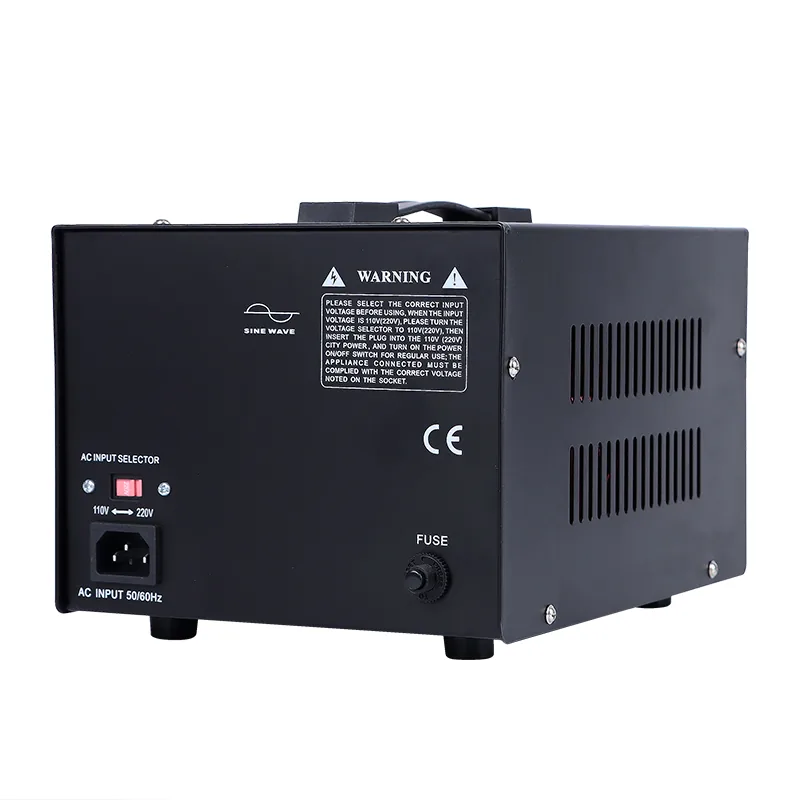
Step Down Transformer Keeps Tripping: What Is Wrong and How to Fix
Quick answer: a step down transformer that keeps tripping the breaker or fuse has five likely causes: overload, a faulty appliance on the output, wrong fuse size, a wiring issue, or a defective transformer. Check in that order — most of the time it is the load, not the transformer.
Key Takeaways
- Five causes: overload, faulty appliance, fuse, wiring, defect.
- Trips only under load = overload, check the math.
- Trips with nothing connected = wiring or defect.
- Bigger fuse never fixes an overload.
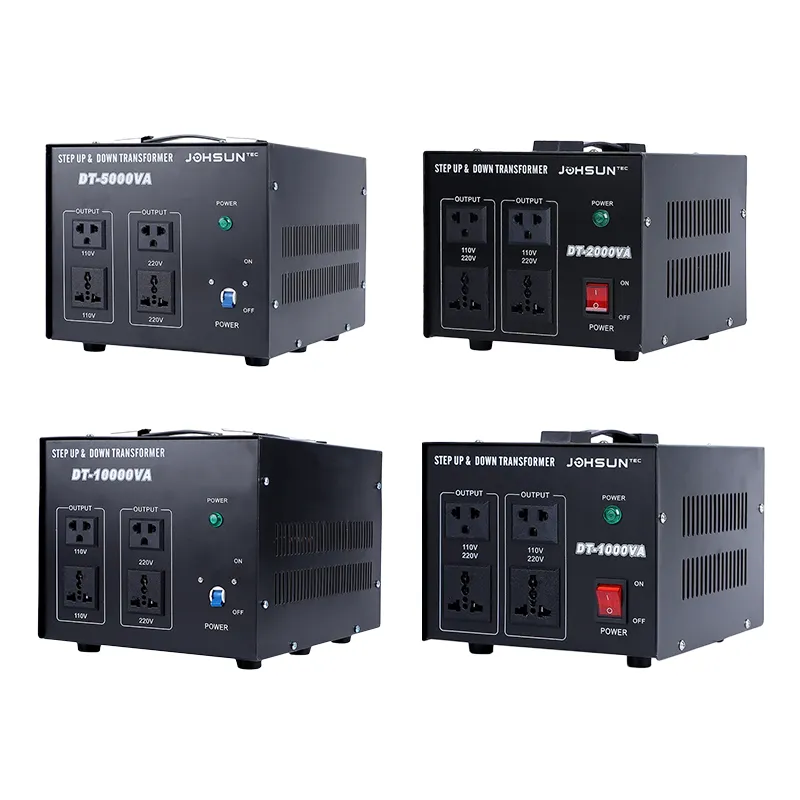
Tripping at a Glance
| When it trips | Likely cause |
| With appliances running | Overload |
| With one specific device | Faulty appliance |
| Instantly, no load | Wiring / defect |
The 5 Causes, Ranked by Likelihood
| Cause | What it looks like | Fix |
|---|---|---|
| 1. Overload | Trips only when appliances are running | Add up loads; keep under 70-80% of VA |
| 2. Faulty appliance | Trips when a specific device is plugged in | Test each appliance separately |
| 3. Wrong fuse/breaker | Trips at light load too | Match fuse to transformer rating |
| 4. Wiring issue | Trips intermittently; sparking at terminals | Check connections, polarity, earthing |
| 5. Defective transformer | Trips instantly, hums, smells hot | Stop using it; claim warranty |
Cause 1: Overload (Most Common)
People plug a fridge, TV, phone chargers and a kettle into one 1500VA transformer and wonder why it trips. Every load adds up. Motors and compressors spike at start-up, so a transformer that “handles” everything in steady use still trips when the fridge compressor kicks in. Fix: total load must stay at 70-80% of the transformer VA, and motors need the 1.5-2.0x rule.
Cause 2: A Faulty Appliance
An appliance with a shorted winding or a dying motor draws excessive current and pulls the transformer into overload. Diagnose by elimination: plug each appliance in one at a time. If one device always causes the trip, that device is the problem, not the transformer.
Cause 3: Wrong Fuse or Breaker
An undersized fuse on the input side trips before the transformer is even loaded. Check the fuse rating against the transformer nameplate (input current = VA ÷ input volts). A 2000VA transformer on 220V draws ~9A at full load, so a 10A fuse is barely adequate — install a C-curve breaker if it keeps nuisance-tripping.
Cause 4: Wiring Issues
Loose terminals, reversed polarity, or a floating earth can cause intermittent trips and even shocks. Visually inspect every connection, tighten the screws, and verify the earth is actually connected. If the input plug or output sockets are burned or discoloured, replace them — heat damage never heals.
Cause 5: A Defective Unit
If the transformer trips instantly even with nothing connected to the output, it is internally shorted — usually shorted turns from manufacturing or shipping damage. It will hum loudly and heat up fast. Stop using it immediately and claim the warranty.
Diagnose in order, never skip to “the transformer is bad”. Nine times out of ten the load is the culprit, and the replacement transformer will trip exactly the same way.
Quick Diagnostic Steps
- Unplug everything from the transformer. Reset the breaker.
- If it still trips with no load → wiring or defective unit (check cause 4, then 5).
- If it holds with no load, plug appliances back one by one → find the tripping device (cause 2).
- If all appliances together trip it but each works alone → overload (cause 1).
- If the fuse keeps blowing at light load → wrong fuse size (cause 3).
Questions Customers Ask Us
Can I fix an overload by using a bigger fuse?
No. A bigger fuse lets the transformer overheat and burn. Fix the load, not the fuse.
My transformer tripped once and works fine now. Should I worry?
Investigate anyway — intermittent trips are the first sign of overload or a developing fault. Find the cause while it is cheap.
What warranty do you offer?
12 months on every unit, covering manufacturing defects. If your unit fails that test (cause 5), we replace it.
Can you help me size correctly so this stops?
Yes — send the appliance list and we will calculate the exact VA. That is free, and it is what the factory is for.
Still not sure which model fits?
Tell us your appliance, wattage and country — we reply within 24 hours with a straight recommendation.
Why a step down transformer trips
A transformer trips for one of four reasons. The first is overload, the connected load exceeds the rating, and the thermal fuse or breaker opens. The second is a short circuit in the appliance or the cable, which draws far more than the rating. The third is a faulty transformer, a winding short that behaves like an overload. The fourth is an intermittent connection, a loose plug or terminal that arcs and trips.
The diagnostic order is: disconnect everything, reset, and test the transformer alone. If it trips alone, the transformer or its wiring is faulty. If it holds alone and trips with an appliance, the appliance is shorting or drawing too much. If it trips randomly, suspect the plug, the socket, or the cable connection.
Step by step troubleshooting
First, unplug all appliances and let the transformer cool for 30 minutes. Second, reset the thermal fuse or breaker. Third, power the transformer alone and measure the output voltage, it should sit near the rated value. Fourth, connect one appliance at a time, checking the transformer temperature after each. The step that trips it identifies the culprit.
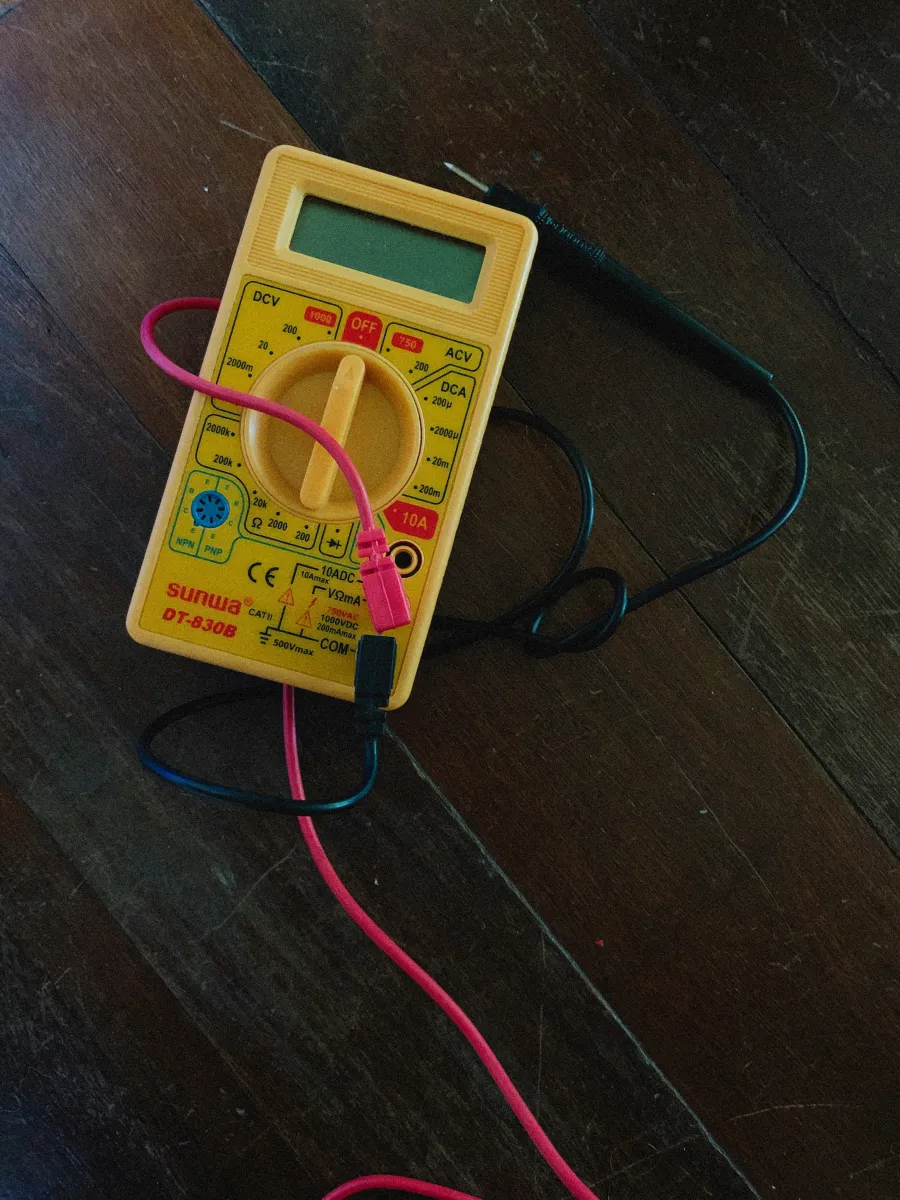
If the transformer trips with every appliance, the unit is undersized or faulty, check the VA against the loads and consider the next size. If it trips only with one appliance, test that appliance’s plug and element or motor with a multimeter, a short or a failed component is the usual cause.
When to repair, when to replace
A tripping transformer is often a sizing problem, and the fix is the next size up, not a repair. A transformer that trips on overload is not damaged, it is doing its job, and the correct response is matching the load to the rating. A transformer that trips alone, or trips repeatedly on a correct load, has a real fault, and the replacement is cheaper than a repair.
In our warranty handling, a tripping transformer is the most common claim, and most are resolved by the sizing check, not by sending a replacement. If you send us the load list and the tripping pattern, we will tell you within one message whether the fix is a size up or a replacement unit.
The breaker and fuse coordination
A transformer should be protected by a breaker or fuse rated slightly above its full-load current, so the breaker trips before the transformer cooks. A breaker that is too large lets the transformer overheat before it trips. A breaker that is too small trips on normal surges and looks like a transformer fault. The coordination matters, and the spec sheet states the recommended protection for each model.
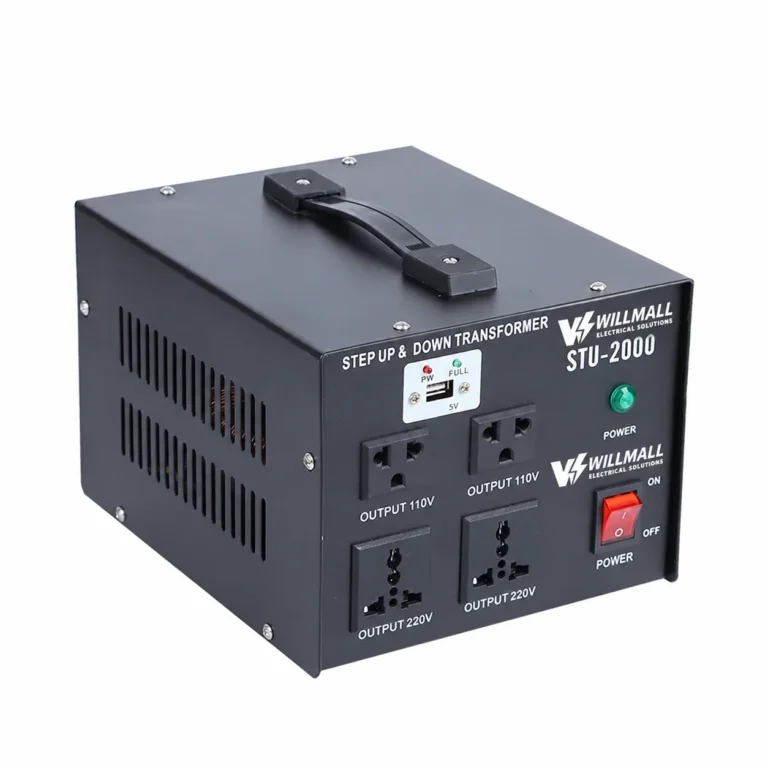
For a 2000VA transformer at 220V input, the full-load current is about 9 amps, and the breaker should be rated 10 to 13 amps. For the 110V output side, the current is about 18 amps, and the output breaker should be 20 amps. The input and output protection are separate, and both are part of a correct installation.
The surge and inrush that trips units
Transformers have an inrush current when first powered, a magnetizing surge that can be several times the full-load current for a fraction of a second. A breaker that is too sensitive trips on the inrush and makes a healthy transformer look faulty. The inrush is worst when the transformer is powered on at the voltage peak, and it is a normal event, not a fault.
If a transformer trips only at power-on and holds under load, the breaker is undersized for the inrush, and the fix is a higher-rated breaker with the correct time-delay curve, not a bigger transformer. If it trips under load, the transformer is undersized or the load is shorting, a different diagnosis.
The sequence that finds the fault
The fault-finding sequence is: unplug everything, let the unit cool, reset, power on alone, measure the output, connect loads one at a time, and watch the temperature. The step that trips identifies the cause, and the pattern tells you whether the fix is sizing, protection, or replacement. The sequence takes 30 minutes and prevents guessing.
If you send us the tripping pattern and the load list, we will tell you the likely cause within one message. The tripping transformer is the most common warranty claim we handle, and the sizing check resolves most of them without shipping a replacement.
The breaker and fuse coordination
A transformer should be protected by a breaker or fuse rated slightly above its full-load current, so the breaker trips before the transformer cooks. A breaker that is too large lets the transformer overheat before it trips. A breaker that is too small trips on normal surges and looks like a transformer fault. The coordination matters, and the spec sheet states the recommended protection for each model.
For a 2000VA transformer at 220V input, the full-load current is about 9 amps, and the breaker should be rated 10 to 13 amps. For the 110V output side, the current is about 18 amps, and the output breaker should be 20 amps. The input and output protection are separate, and both are part of a correct installation.
The surge and inrush that trips units
Transformers have an inrush current when first powered, a magnetizing surge that can be several times the full-load current for a fraction of a second. A breaker that is too sensitive trips on the inrush and makes a healthy transformer look faulty. The inrush is worst when the transformer is powered on at the voltage peak, and it is a normal event, not a fault.
If a transformer trips only at power-on and holds under load, the breaker is undersized for the inrush, and the fix is a higher-rated breaker with the correct time-delay curve, not a bigger transformer. If it trips under load, the transformer is undersized or the load is shorting, a different diagnosis.
The sequence that finds the fault
The fault-finding sequence is: unplug everything, let the unit cool, reset, power on alone, measure the output, connect loads one at a time, and watch the temperature. The step that trips identifies the cause, and the pattern tells you whether the fix is sizing, protection, or replacement. The sequence takes 30 minutes and prevents guessing.
If you send us the tripping pattern and the load list, we will tell you the likely cause within one message. The tripping transformer is the most common warranty claim we handle, and the sizing check resolves most of them without shipping a replacement.