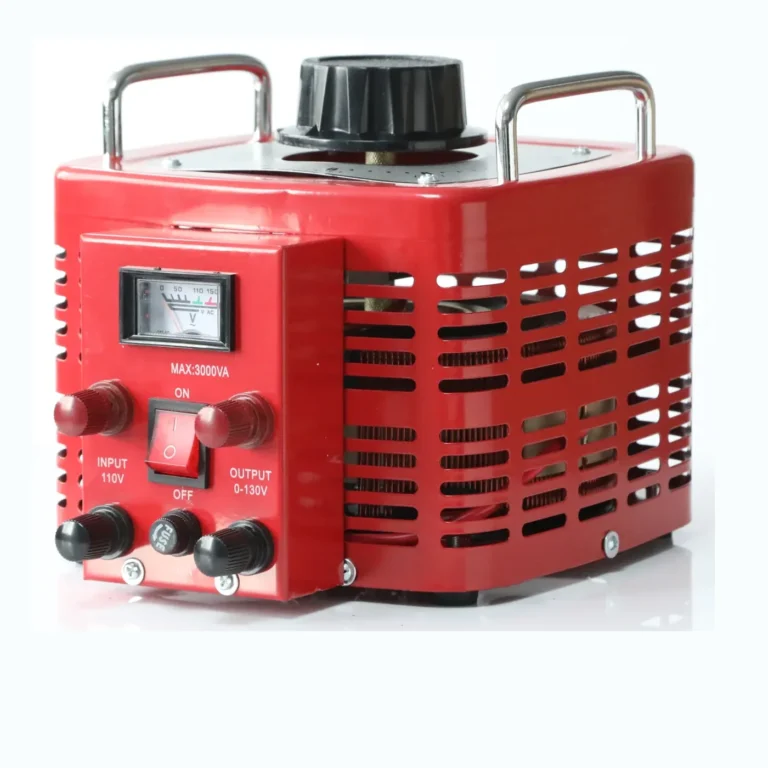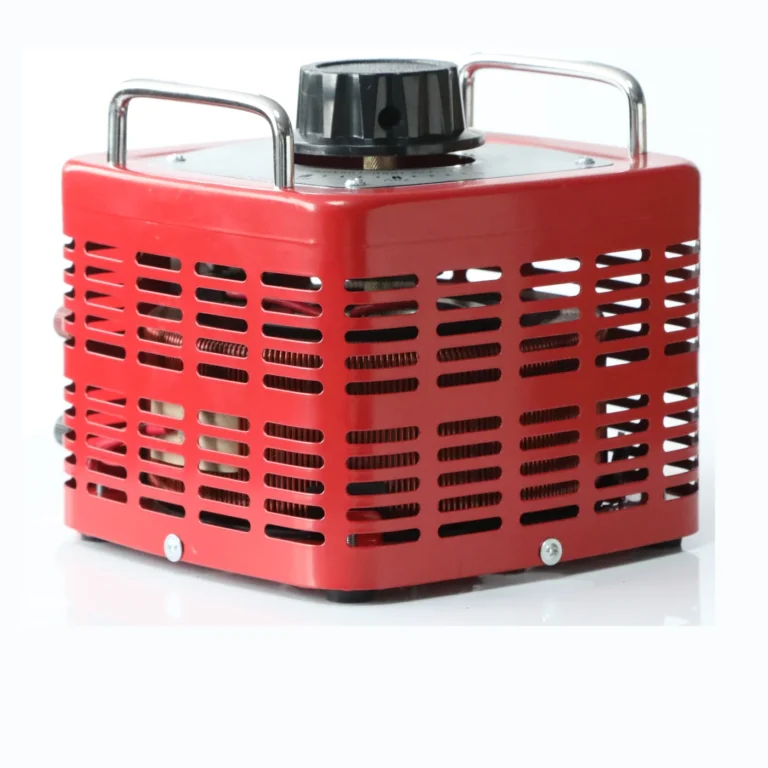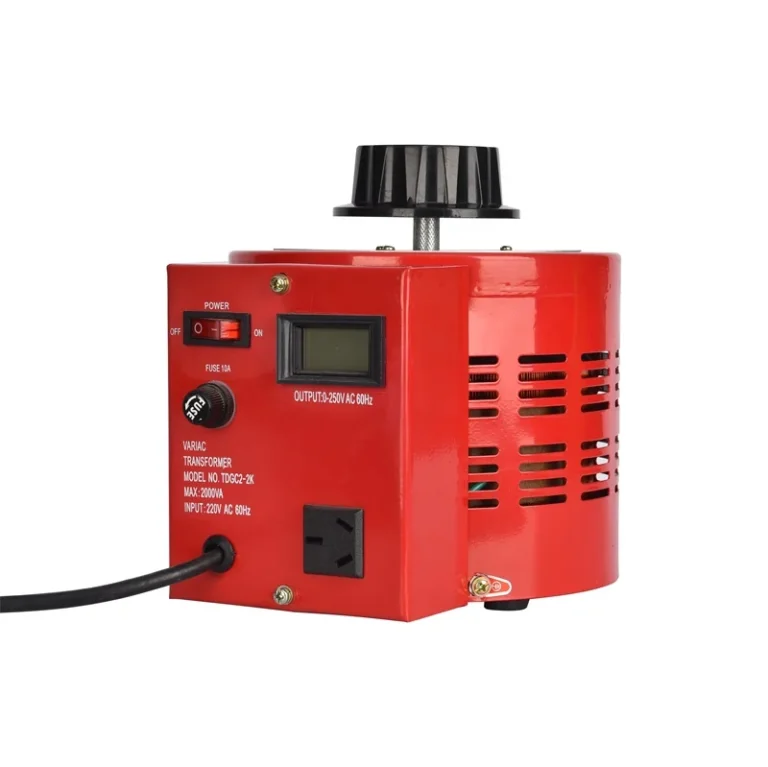
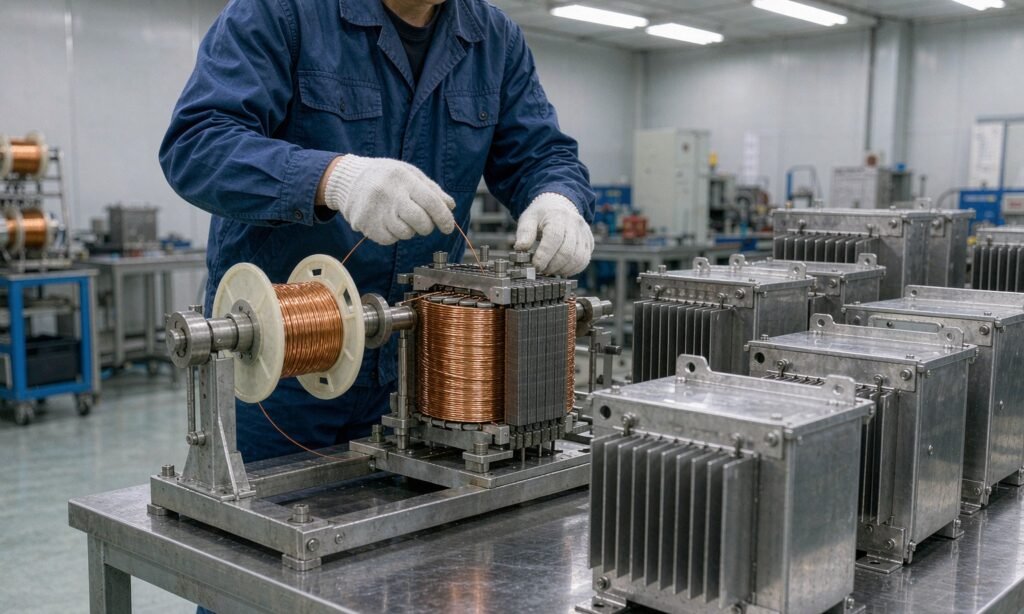
Landscape Lighting Transformer Manufacturing: A Buying Guide for Importers and Brands
If you are an importer, a lighting brand, or a distributor adding landscape lighting transformers to your catalog, you already know this category looks simple and is not. The product is a metal box that steps 120V down to 12V for outdoor lighting, but the version that sells well in North America carries specific outputs, weather protection, and a safety certification that decides whether it can be sold at all. We are a transformer factory in Yueqing, China, and we build these units for OEM customers rather than selling to homeowners. This guide is written for the buyer on your side of the desk: what to specify, what the certifications really cost, and how to run the sourcing process without losing a season.
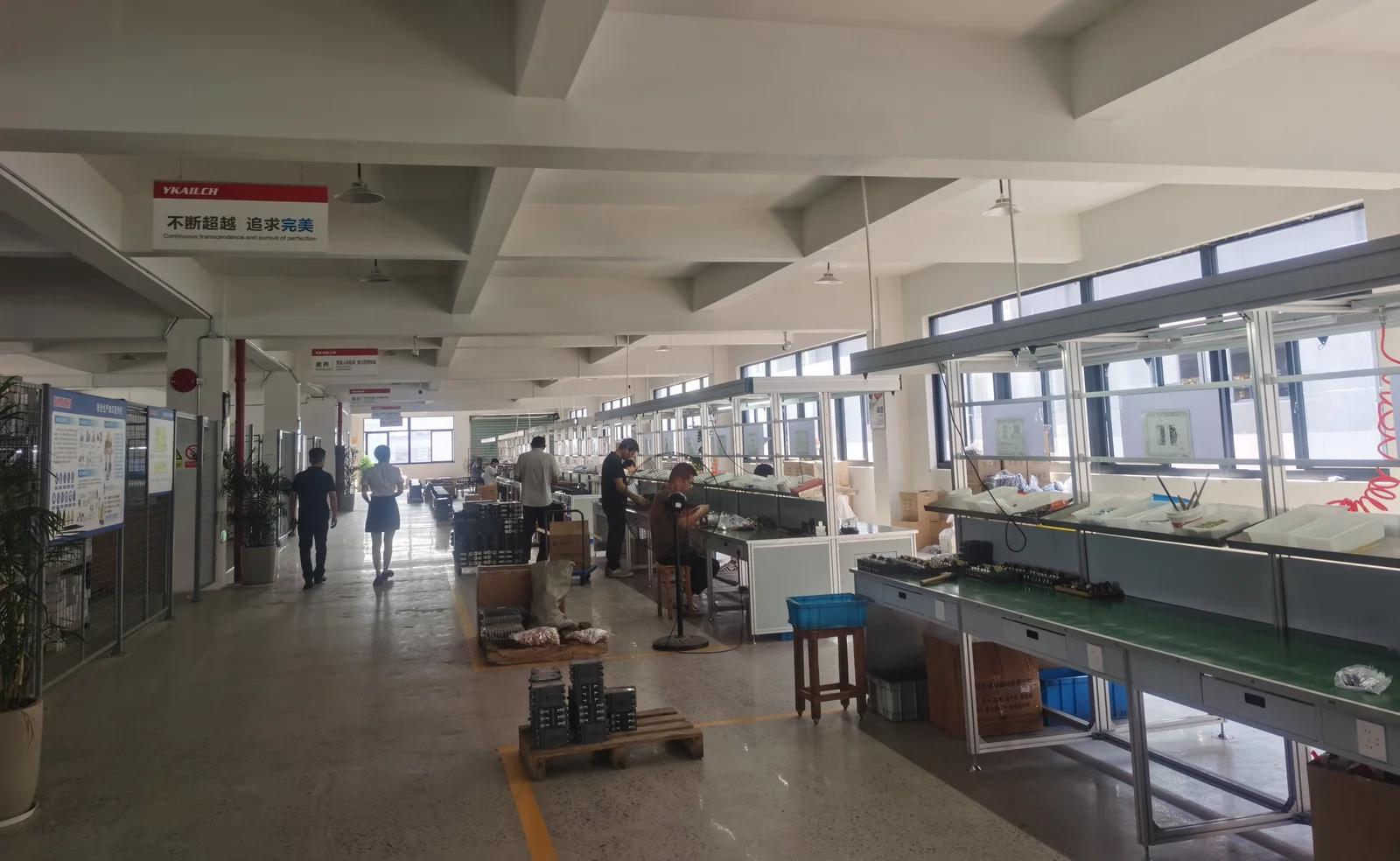
What Importers and Brands Are Actually Buying in This Category
North American landscape lighting has settled on 12V low voltage systems as the market standard for residential and light commercial outdoor lighting. The wiring runs at 12V, which is safer in wet soil and cheaper to install than mains cable, and every fixture down the line, path lights, well lights, spotlights, runs off that same 12V feed. The transformer is the one mains-connected component in the whole system, which makes it the piece with the most regulation attached and the piece you should never source on price alone.
When a brand comes to us, they are usually not buying a single transformer model. They are buying a range that supports their fixture lines: a few VA sizes for typical residential runs, units with multiple output taps so installers can compensate for cable length, and enclosure options that suit their market, from bare indoor-mount boxes to weatherproof units with a built-in timer or photocell. The transformer carries the brand name, the packaging, and the warranty, which is why the manufacturer behind it matters as much as the unit itself.
That is the honest framing for everything below. You are commissioning a product line, not ordering a commodity, and the questions that matter are the ones that affect your liability, your lead time, and your customers’ experience two years after the sale. If this is your first time commissioning hardware from a Chinese factory, our overview of working with an OEM transformer manufacturer covers the general process before we go deeper into this specific category.
Magnetic vs Electronic: What Your Customers Will Experience
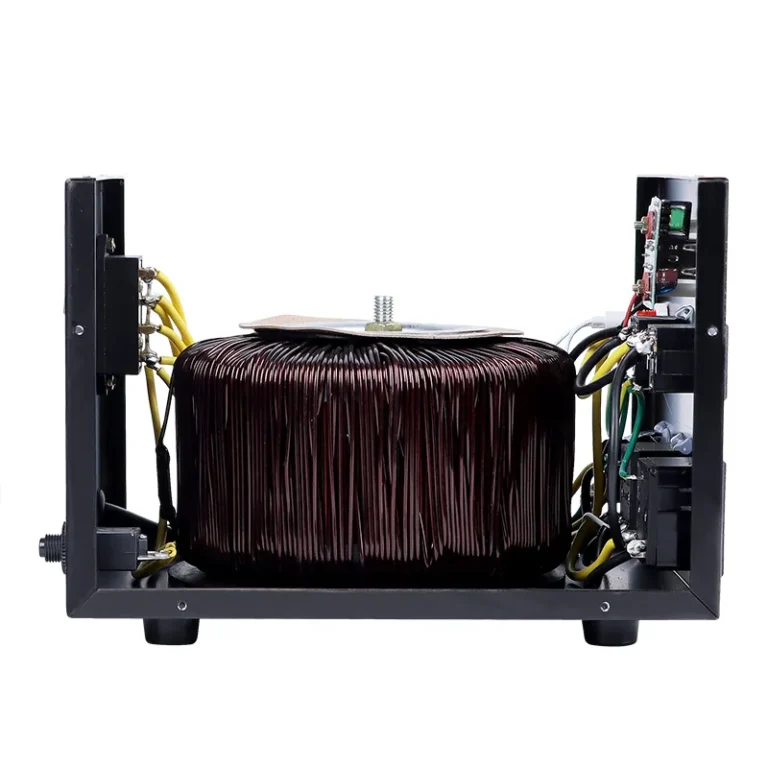
The first technical decision is magnetic or electronic, and for this category the market has a clear personality. Magnetic transformers, with a steel core and copper windings, have dominated outdoor landscape lighting for decades because they tolerate the environment: they absorb switch-on surges, run happily at low loads without the flicker that plagues cheap electronics, and simply last. A magnetic unit hums softly and weighs what it weighs, and your customers have been hearing that hum from quality fixtures their whole lives.
Electronic units are lighter and cheaper to build, which makes them tempting at the sourcing stage, but they are more sensitive about the loads they feed and they do not forgive installers’ mistakes the way magnetic units do. When an electronic unit fails in the field, the failure is usually a quiet death rather than a repairable fault, and a brand’s reputation feels that difference in warranty claims. Most importers we work with keep magnetic as their core range and treat electronic as the budget line, and the split is a positioning decision more than an engineering one.
There is no point pretending one is universally superior, because your market and price point decide it. What matters is that you specify it deliberately, understand the dimming compatibility of each type if your fixtures support dimming, and do not let the factory make the choice for you by default. We can build either; we just want the decision made on your side, with your customers in mind.
Certification Is the Real Barrier: UL, cUL and ETL
Here is the part that separates the serious factories from the rest: a mains-connected transformer sold into North America needs a recognized safety certification, and the landscape lighting category has one of the more demanding certification paths because the product lives outdoors in wet locations. UL, cUL, and ETL listings are the labels your retail customers and electrical inspectors will look for, and selling without them is how a brand collects returns, chargebacks, and in the worst case a recall.
Be realistic about what certification means for your project. It adds a testing phase, sample builds, and a certification body’s involvement, and it has a cost in both money and calendar time that a first-time importer often underestimates. The honest factory answer is that we build to the specification, arrange the samples, and coordinate the testing with an accredited lab against the standard your market requires, but you should confirm the exact certification status of your target unit with us at the inquiry stage, because it changes the lead time and the budget.
This is also why you should never ask a factory to “just copy” a competitor’s certified unit. The certification belongs to whoever listed it, and a copycat unit without its own listing is a legal and commercial trap regardless of how identical it looks. Plan your own certification with the factory from the start, and the listing becomes an asset that actually belongs to your brand instead of a gamble.
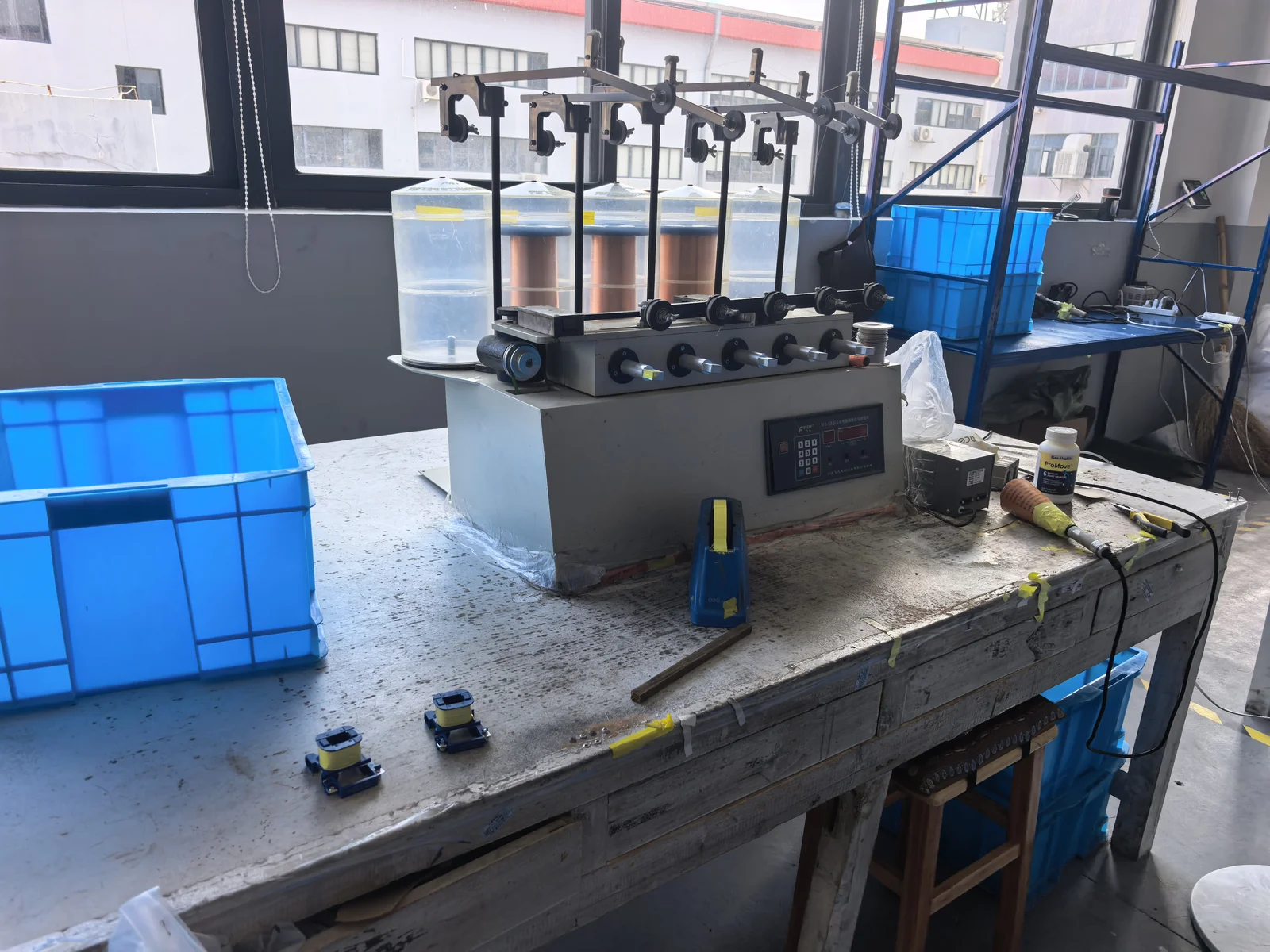
Enclosure, Weather Protection and the Details on the Nameplate
Once the electrical spec is settled, the enclosure decides how the product survives its working life. Landscape transformers mount outside, often on a wall beside the house or on a post near the planting beds, which means the housing carries the burden of the weather. A powder-coated metal case with a sealed gasket and corrosion-resistant hardware is the construction your customers expect at the quality end of the market, and the ingress protection rating tells you how much water and dust it can face. Specify the rating you need for your market’s installation rules rather than accepting whatever the factory proposes.
Nameplate details are the quiet differentiators that professionals actually read. The output taps, the VA rating, the input voltage range, the wiring diagram printed clearly, the temperature rating, all of these get checked by the electricians and contractors who install your product. A transformer that installers have to guess at gets installed wrong, and the resulting failures come back to your brand. We print the nameplate to your artwork and your spec, and we have learned that spending an extra minute on label clarity saves weeks of support emails later.
Your catalog may also want features that sit on top of the transformer itself: a built-in photocell, a timer, a GFCI-protected receptacle, or a wireless control module. Each addition changes the certification picture and the supplier structure, because some of those components come from specialist makers and get integrated at our factory. Tell us the feature list you want to offer and we will tell you honestly which combinations are practical in one enclosure and which are better sold as separate accessories.
Multi-Tap Outputs and Why Distributors Like Them
One specification that separates a serious landscape transformer from a generic low voltage unit is the multi-tap secondary. Instead of a single 12V output, the transformer offers several taps, typically a 12V tap plus higher taps like 13V, 14V, 15V, and 16V on the same unit. The reason is voltage drop: landscape cable runs are often long, and every foot of cable eats a little voltage, so an installer at the far end of a 100-foot run selects the higher tap to compensate and deliver a true 12V at the fixture.
For a distributor or brand, multi-tap is almost a requirement rather than a luxury. It lets one SKU cover a wide range of installation lengths, which shrinks your inventory and your SKU count while giving installers the flexibility they expect from a quality product. When we build these, the taps are wound as part of the secondary coil and terminated on a clear terminal block, and the tap layout is drawn on the nameplate so the installer picks the right terminal without a manual.
Match the tap scheme to your market’s typical cable runs. If your customers install in large gardens with long perimeter runs, the higher taps will get used constantly; if most of your sales are small patio kits, a simpler two-tap unit may serve better and cost less. That kind of product decision is exactly what a factory can help you think through, but it starts with you knowing how your customers actually install the product.
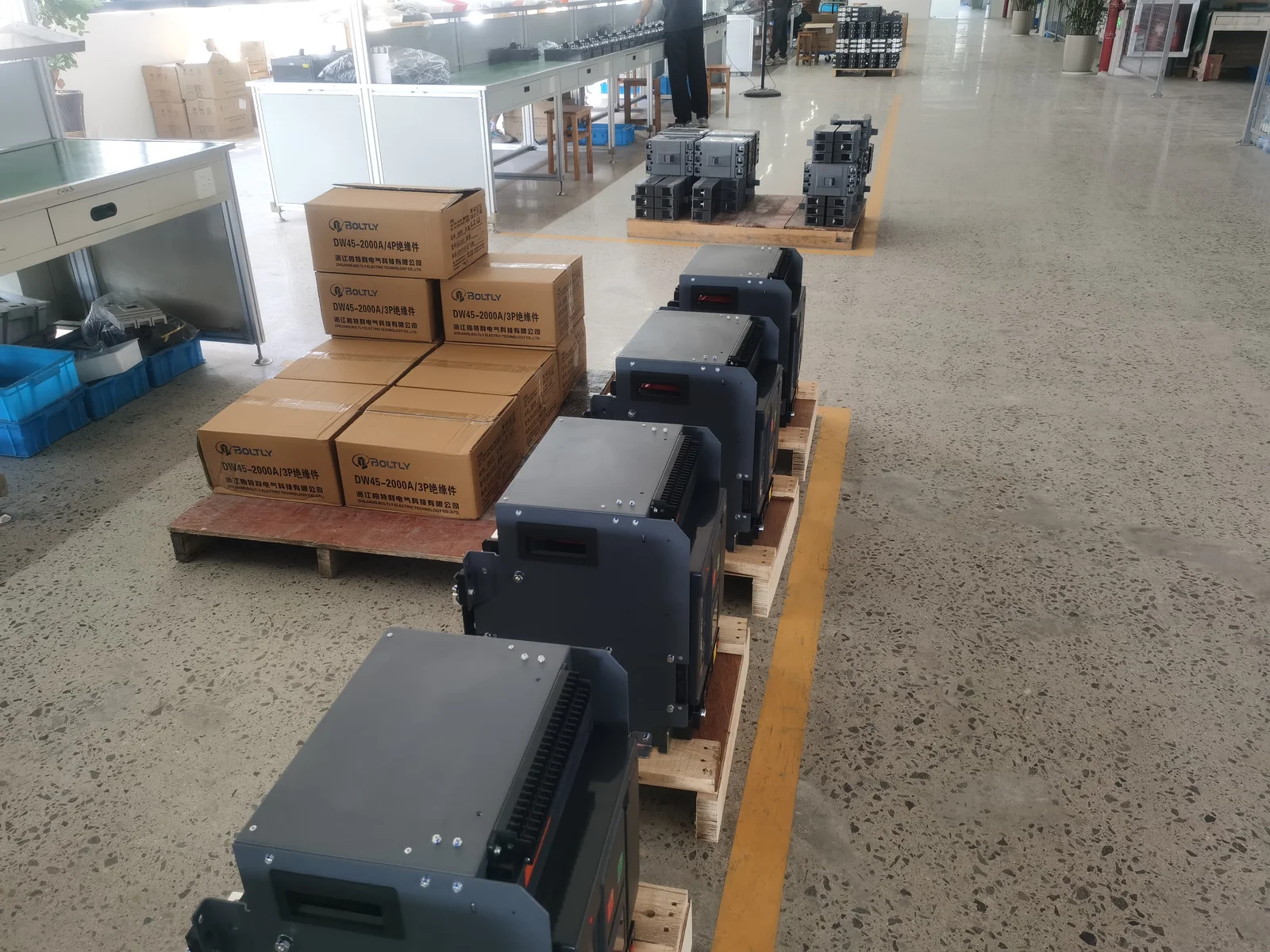
MOQ, Lead Time and How Custom Work Actually Flows
Let us be direct about the commercial terms, because they set expectations on both sides. Our MOQ starts at 10 pcs, which suits a first trial order, and volume pricing improves as quantities grow into container territory. Standard production takes 15 to 25 days after approval of the pre-production sample, and we ship FOB Ningbo or Shanghai. Every unit carries a 12-month warranty, and each batch is copper wound and 100 percent tested under load before packing, with test records kept on file.
The customization flow is where the real schedule lives, and it follows a fixed order: we agree the specification and receive your drawings or target samples, we build pre-production samples for your review, you test and approve them, and only then does mass production start. For a certified product, the certification testing slots in around that sample stage, which is why the certification question must be raised in the first conversation rather than the fifth. A project that starts with a clear spec and a known certification target moves far faster than one that discovers requirements week by week.
If you are new to this, the commercial details such as payment terms, inspection, and shipping are worth reviewing before you commit, and our page on MOQ OEM and lead time explains the standard arrangement we use with first-time importers. And because the whole exercise only works if the goods arrive cleanly, our guide on how to import transformers from China covers the logistics side, from incoterms to inspection, in practical terms.
How to Send an Inquiry That Gets a Real Answer
A vague inquiry gets a vague quote, so here is the information list that lets us answer properly the first time. Send us your target market and the certification you need, the input voltage and frequency, the VA sizes you want, the output taps required, the enclosure type, color, and mounting, any cord or connector preferences, whether you need retail packaging and your logo printed, and your target price point and quantity. If you have a product you are improving or replacing, send photos and the old nameplate, and if you only have a competitor’s product as a reference, tell us that openly so we can discuss what to keep and what to change rather than encouraging a copy.
You do not need all of it in the first message. A good opening inquiry is “we are a lighting brand in Canada, we want a magnetic 12V landscape transformer range in three sizes with multi-tap outputs, UL listed for wet locations, starting with 100 pieces, can you build it?” That single paragraph tells us your market, your product, your certification need, and your volume, and it is enough for us to reply with a serious technical and commercial answer, plus the questions that are genuinely missing.
The buyers who get the best results treat the factory as a design partner rather than a price quote machine. We see the failure modes of these products from the inside, because we test them on our bench every day, and we will tell you when a specification fights against itself, for example a very low price point combined with a heavy certification requirement. Bring us the problem, the market, and the timeline, and we will bring you a product that survives contact with your customers.
Common Questions When Choosing a Low Voltage Transformer Manufacturer
These are the procurement questions we answer most often from companies adding landscape transformers to their range.
What is the typical MOQ for OEM landscape lighting transformers?
Our MOQ starts at 10 pcs, which works for a first trial order while you test samples and the market. Volume pricing improves as quantities grow toward container levels. We are a low voltage transformer manufacturer that builds to your specification, so the MOQ discussion is really about how many units you need for your first production run.
Can your factory produce landscape lighting transformers with UL certification?
Mains-connected landscape transformers sold in North America need a recognized listing such as UL, cUL, or ETL, and wet-location requirements make this category demanding. We build to your specification, provide samples, and coordinate testing with an accredited lab. Confirm the certification status for your target unit at the inquiry stage because it affects cost and lead time.
How long does it take to develop a custom landscape lighting transformer?
After we agree on the specification, pre-production samples take around 15 to 25 days, and you test and approve them before mass production starts. Certification testing slots in around that sample stage. A project with a clear spec and known certification target from day one always moves faster than one that develops requirements week by week.
What are multi-tap outputs and do I need them in my range?
Multi-tap means the transformer offers several secondary taps, typically 12V up to 15V or 16V, so installers compensate for voltage drop over long cable runs. Distributors like multi-tap because one SKU covers many installation lengths. Most quality 12V landscape ranges we build for brands include multi-tap secondaries as standard.
What information should I send to get a quote for landscape transformers?
Send your target market and certification need, input voltage, VA sizes, output taps, enclosure type and color, cord and connector preferences, packaging and branding requirements, and your target quantity. Photos of any product you are replacing help. A paragraph covering market, product, certification, and volume is enough for us to reply with a serious answer.
Planning a landscape lighting transformer range for your brand? Tell us your market, the VA sizes and taps you need, and your certification target, and our engineers will confirm what we can build and quote it properly. Copper wound and 100% load tested in Yueqing, China. MOQ 10 pcs, lead time 15-25 days, FOB Ningbo or Shanghai, 12-month warranty.
Get a Free Quote WhatsApp +86 197 3022 6757 · sales@wilmall.com