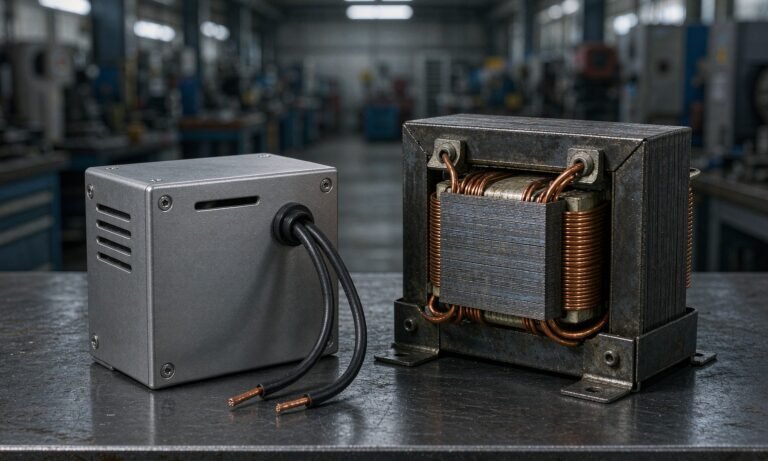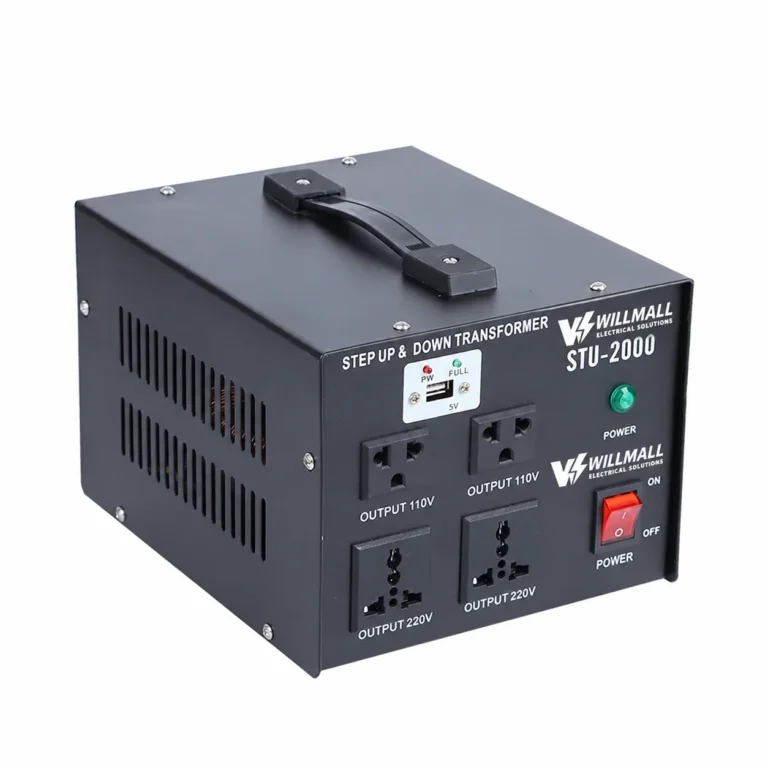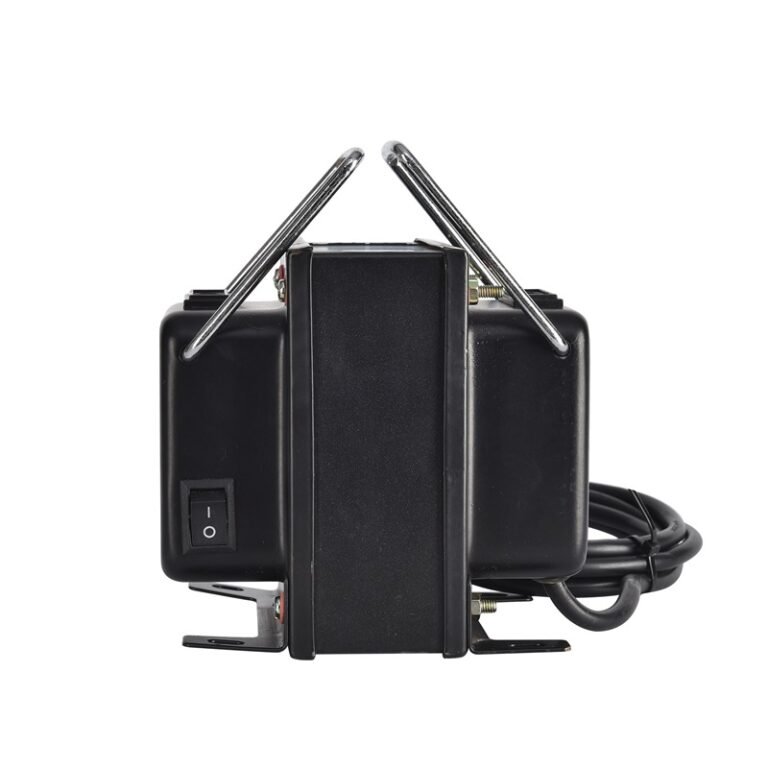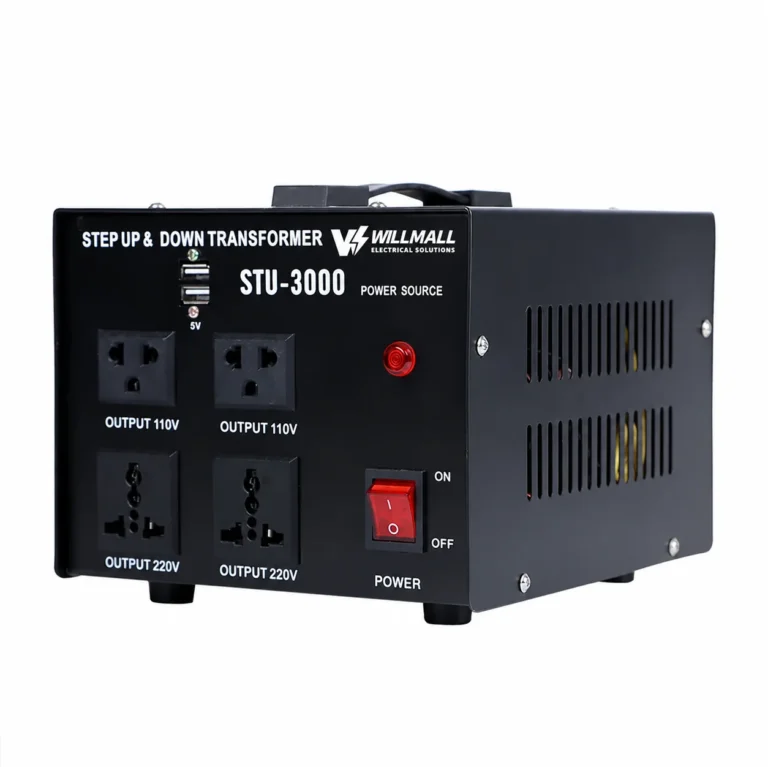
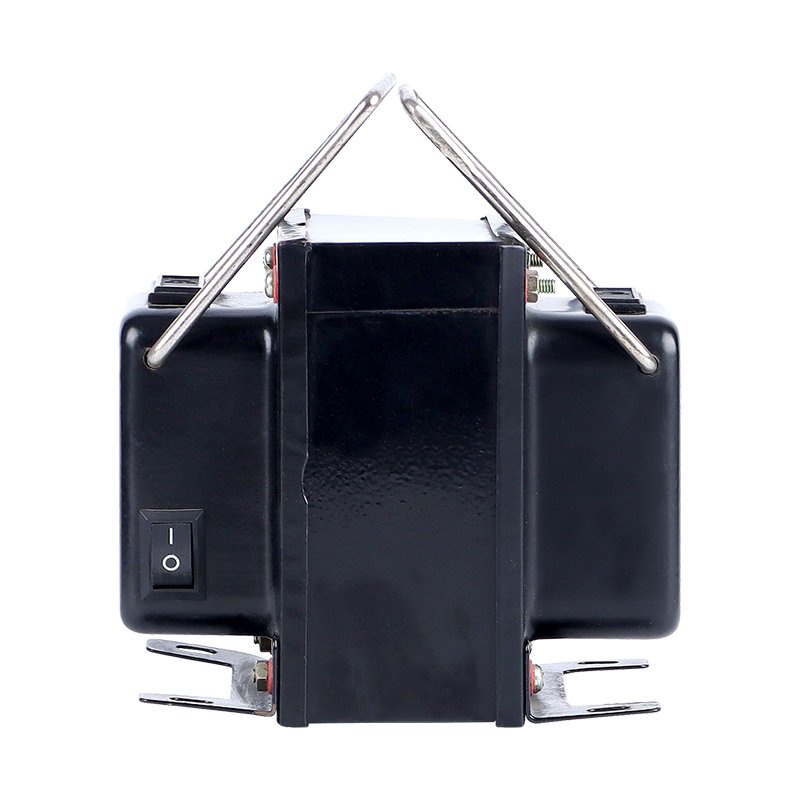
Low Voltage Transformer Troubleshooting: Tripping, Overheating and No Output
When your low voltage transformer trips the breaker, hums like a swarm, runs hot, or just stops putting out power, the first instinct is to blame the unit. Most of the time the unit did not decide to fail on its own. Something on the circuit changed, or the wrong unit got picked in the first place. We build and test these transformers in our own factory in Yueqing, China, and we hear the same complaints every week. This page is the checklist we walk buyers through before they spend money on a replacement.
Low Voltage Transformer Troubleshooting Starts with the Load, Not the Box
Here is the thing we tell every customer who calls about a sudden failure: before you suspect the transformer, count the load. A low voltage transformer only does what the circuit asks of it. If you added two new lights last weekend and the breaker started tripping on Sunday night, you already found your culprit. The transformer did not get weaker; the circuit got heavier.
So add up every lamp, every driver, every device on the secondary side. Write down the watts printed on each fixture. If a label only shows amps, multiply amps by the output voltage to get watts. Magnetic units cope with a temporary overload far better than electronic ones do, but neither type likes being run right at its nameplate VA hour after hour. Give the unit breathing room, normally 20 percent or more, and it will run cooler and last for years.
People also forget the inrush moment. Transformers draw a short burst of current when they power up, and a dimmer or timer switching many lights on at once can push that moment well past the running load. If the failure only happens at switch-on, that points to inrush and overload rather than a short circuit. If you are not sure whether the numbers add up, send us the fixture list and we will check the math with you before you buy anything else.
Low Voltage Transformer Trips the Breaker or Blows the Fuse
The short answer on a tripping breaker is that you have one of three problems: too much load, a short circuit somewhere, or an undersized supply cable. A tripping breaker is your circuit protecting itself. The annoying part is that a genuine short on the low voltage side often does not show itself until water gets into a connector or a staple cuts through a cable, so the fault can come and go with the weather.
When the breaker trips the moment you switch on, disconnect everything from the output side first. If the transformer still trips with no load connected at all, the problem is in the transformer or its input wiring. If it holds fine with nothing connected but trips as soon as you reconnect the lights, the short is out in the cable run or inside a fixture. Walk the cable looking for crushed insulation, exposed copper touching damp ground, or a splice that was never waterproofed.
Undersized secondary cable causes a similar story. A low voltage run carries serious current, and thin cable drops voltage while it heats up. That heat, plus the voltage drop, makes everything work harder. If you extended a lighting run with whatever cable you had in the shed, replace it with the proper gauge for the length and total wattage. For more on this exact failure, read our notes on why a transformer keeps tripping and how to trace it.
Low Voltage Transformer Overheating: How Hot Is Too Hot
A working transformer gets warm. That is physics, not a fault. Copper winding has resistance and the core always loses a little energy as heat. The question is how warm is too warm. Our rough test in the workshop: if the unit is too hot to keep your hand on after an hour under load, then something is being overworked, and an overheated transformer fails in the worst way, shorted turns inside the coil, which usually means a replacement.
Check the simple causes first. Is the transformer overloaded, running above its rated VA for long stretches? Is it boxed into a tight cabinet or lying on carpet where heat cannot escape? Is it sitting in direct afternoon sun? Is the ambient temperature in a hot attic or a metal enclosure? Any one of these can turn a healthy unit into a hot one, and they are easy to fix once you see them.
Inferior winding metal makes heat worse at the same rating, which is why we wind with copper and size the core honestly. A cheap unit with a stretched VA label runs hotter and dies sooner. If your unit has always run hot since day one, you may simply have bought a transformer that is smaller than its label claims. Our guide to transformer overheating causes covers the full list of reasons and which ones you can fix in ten minutes.
Humming and Buzzing: What the Noise Is Telling You
Every magnetic transformer hums a little. The core vibrates at the mains frequency, 50 or 60Hz depending on your country, and you can usually hear it if you stand close. A low, steady hum on a magnetic unit is normal. What is not normal is a loud buzz that suddenly appears, a rattle you can hear across the room, or a noise that changed pitch after years of quiet service.
A loud buzz often means the laminations of the core have loosened, which happens after a unit is dropped in shipping or mounted loosely against a hollow wall that acts like a drum. Tightening the mounting screws and giving the case a firm seat on a solid surface fixes many rattles. Sometimes a dimmer or an electronic timer feeds a distorted waveform into the transformer and that makes the core sing louder than it should, which is worth testing with a different switch.
Do not confuse the two cases: steady hum with everything normal is a reason to relax, while a new loud buzz is a reason to inspect. If the case feels hot at the same time as the noise gets loud, that combination usually means the core is working far past where it should, and you are back to the load math at the top of this page.
No Output at All: A Simple Test Sequence
When the lights are dead and nothing trips, work through this order and you will find the fault in most cases. First, confirm the wall outlet actually has power, because a GFCI outlet or a breaker in another room can kill the feed while the transformer looks guilty. Second, check whether your unit has a resettable breaker or an internal fuse that has popped, and reset it only after you understand why it popped. Third, look at the low voltage connections at the transformer terminals, where a loose screw is the most common reason for intermittent or zero output.
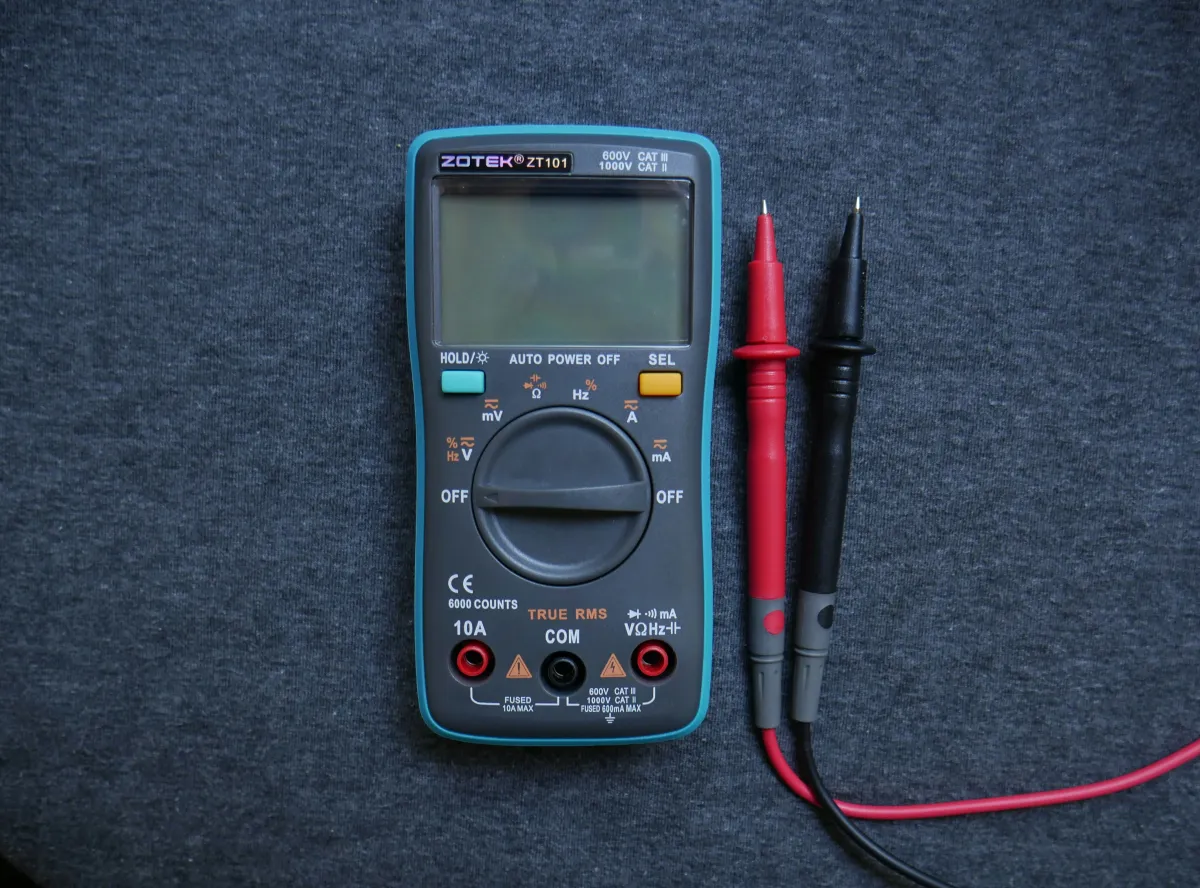
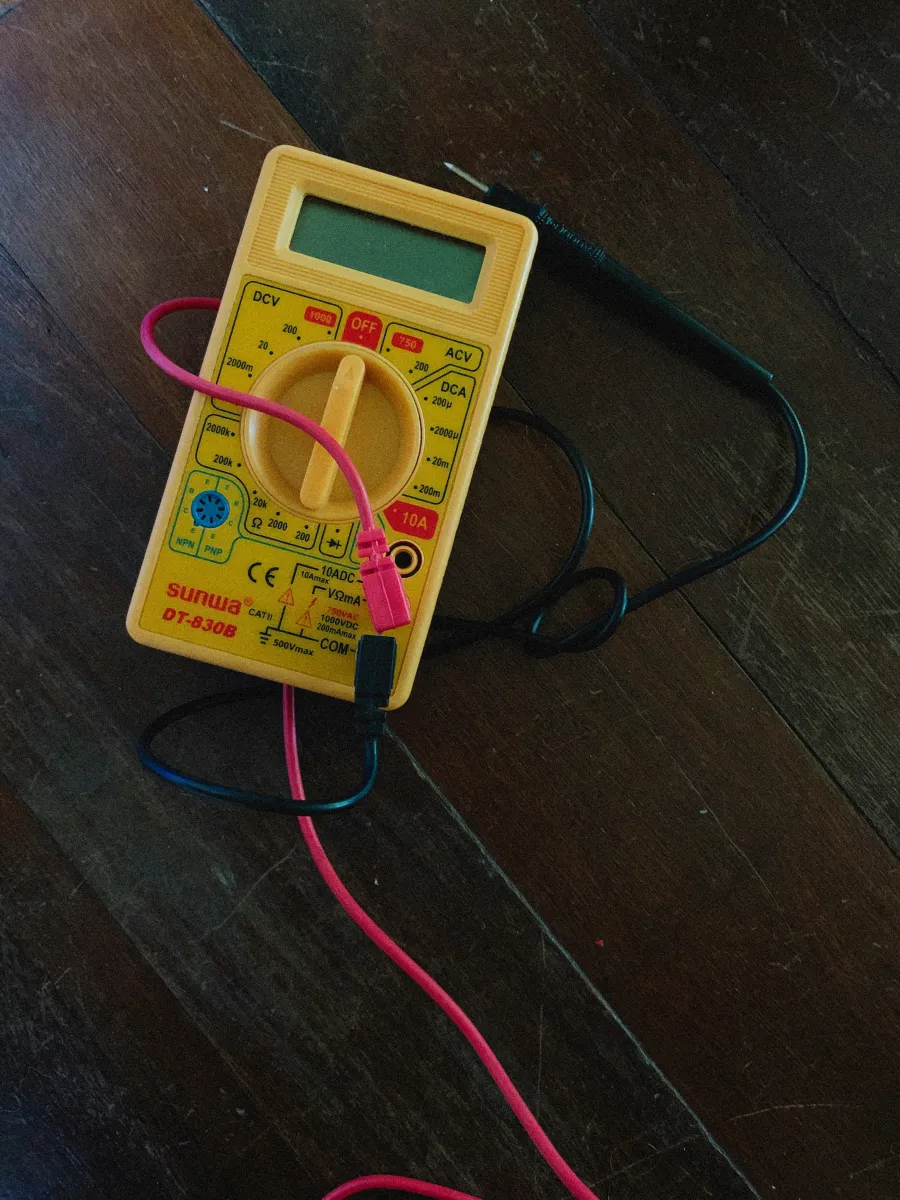
Only then reach for the meter. Measure the input side first, then the output. If you have full input voltage and zero output, the internal winding or thermal protection has failed. If you have input but a very low output under load, you are probably overloading the unit or losing voltage through an undersized cable. The full method, including what readings mean what, is in our walkthrough on how to test a transformer with a multimeter.
One more thing that fools people every season: some units have a manual reset button that looks like a small black square between the terminals, and a tired homeowner assumes it is just part of the case. If you have a no-output unit with no visible fuse, look for that reset button before you declare the transformer dead. Press it, reduce the load, and retest. Most buyers ask this after they already ordered a replacement, so check yours first.
Fuse Keeps Blowing? Work the Short List in Order
If you keep replacing fuses and the new one blows again, stop buying fuses and start looking. Repeated fuse blows on a low voltage transformer mean a fault that stays present, and the fastest way to find it is to divide the circuit. Disconnect the entire output side, fit a fresh fuse, and switch on. If it blows with nothing connected, the transformer itself is the problem. If it holds, reconnect the output branches one at a time until the fuse blows again, and you have found the guilty run or fixture.
Pay special attention to the spots you cannot see: splices buried under mulch, connectors sitting in water, fixtures with cracked lenses. Low voltage systems run in gardens and under eaves, which means they live where moisture lives. A wet connector can short out only when it rains and dry out enough to test fine the next morning, which is exactly why the fault seems to come and go.
Do not keep increasing the fuse rating to stop the blows. A fuse that never blows is no longer protecting the wiring, and a fire starts much faster than anyone expects in thin landscape cable. Fix the fault, not the fuse. If the transformer itself keeps failing after you cleared every branch, it may be genuinely worn out, and that is the point where replacing it is cheaper than your time.
When the Transformer Is Worn Out and Replacement Is the Honest Answer
Some failures are worth fixing and some are not. If a magnetic transformer ran overloaded for years, the internal winding insulation degrades quietly, and the first symptom is often a smell of hot varnish or a unit that trips its own protection more and more often. Once a core has been cooked, there is no adjustment that brings it back. The honest factory answer is to replace it before it fails at the worst moment, and while you are at it, fix the overload that killed the last one.
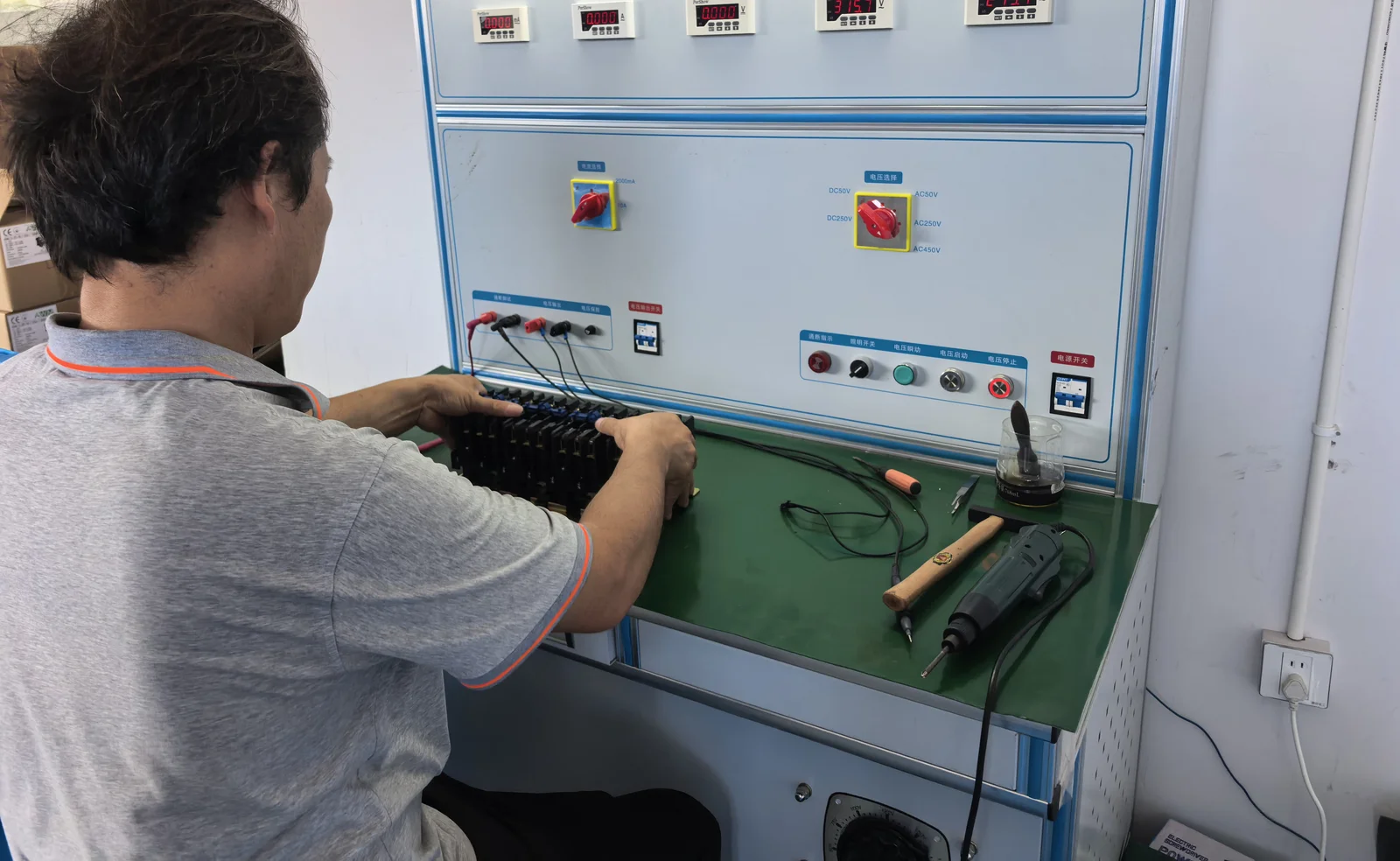
Every transformer we ship is copper wound and 100 percent tested under load before it leaves our bench, and we keep the batch test records on file. That does not make ours immune to misuse, no transformer is, but it does mean a new unit starts with a known baseline. If you are replacing one and are not sure about sizing, wiring, or what caused the original failure, message us with the old nameplate details and the story of what happened, and we will help you pick the right unit the first time.
Common Low Voltage Transformer Troubleshooting Questions
These are the questions that come back to us most often after a fault, answered the way we would on WhatsApp.
Why does my low voltage transformer keep tripping the breaker?
A low voltage transformer that trips usually has too much load on it, a short circuit in the cable run, or an undersized secondary wire. Disconnect the output side and retest: if it still trips with nothing connected, the transformer is at fault. If it holds, reconnect fixtures one branch at a time to find the short.
Why is my low voltage transformer running so hot I cannot touch it?
A low voltage transformer too hot to hold runs overloaded, sits somewhere with no airflow, or faces very high ambient heat. Check the connected wattage against the VA rating first, then move it out of the cabinet and off the carpet. Copper wound units run cooler at the same rating, but nothing likes a permanent overload.
My low voltage transformer hums loudly all of a sudden. Is that normal?
A steady low hum is normal on any magnetic low voltage transformer because the core vibrates at the mains frequency. A new loud buzz usually means loose core laminations, a mounting that rattles against a hollow wall, or a dimmer feeding a distorted waveform. Tighten the case, reseat it, or test it on a plain switch before worrying.
How do I check a low voltage transformer with a multimeter?
Check the input side first, then the secondary. Full input voltage with no output means the winding or thermal protection has failed. Low output under load usually means an overload or an undersized cable. Some units also hide a manual reset button that looks like part of the case, so look for it before you decide the unit is dead.
Why does the fuse on my low voltage transformer keep blowing after rain?
Rain blowing out fuses usually points to moisture in a connector, a splice, or a fixture on the low voltage side. The wet connection shorts when it rains and dries out enough to test fine by morning. Split the output into branches and test each until the fuse blows, then waterproof the wet fault properly.
Replacing a faulty unit or planning a new low voltage setup? We build copper wound low voltage transformers in our own factory in Yueqing, China, with 100% load testing on every unit. MOQ is 10 pcs, production takes 15-25 days, and we ship FOB Ningbo or Shanghai with a 12-month warranty. Tell us the symptoms you saw and we will help you pick the right size.
Get a Free Quote WhatsApp +86 197 3022 6757 · sales@wilmall.com