
Dry Type vs Encapsulated Transformer: Which One Do You Need?
Quick answer: dry-type means the windings are cooled by air; encapsulated means the coil is fully potted in resin or compound. Choose dry-type for control cabinets, indoor panels and general power use (cheaper, repairable, easier to cool). Choose encapsulated for outdoor, damp, dusty or explosion-risk environments where the coil needs physical protection.
Key Takeaways
- Dry type cools by air; encapsulated is potted in resin.
- Encapsulated wins outdoors, coastal and dusty sites.
- Dry type is cheaper and re-windable.
- Indoor cabinet = dry type; exposed = encapsulated.
Which to Choose
| Environment | Choose |
| Indoor panel | Dry type |
| Outdoor / coastal | Encapsulated |
| Budget volume | Dry type + enclosure |
What “Dry Type” Actually Means
A dry-type transformer has copper or aluminium windings cooled by air circulation, protected by an open or ventilated enclosure. It is the standard low-voltage transformer you see in control panels, lighting circuits and distribution boards. “Dry” simply means no oil inside — nothing to leak, nothing to maintain.
What “Encapsulated” Means
An encapsulated transformer has its windings fully embedded in epoxy or polyester resin. The resin seals the coil against moisture, dust, vibration and mechanical knocks. That makes it the go-to choice for outdoor installations, coastal areas with salt air, wash-down environments, and some mining or chemical sites.
Side by Side: Dry Type vs Encapsulated
| Factor | Dry Type | Encapsulated |
|---|---|---|
| Cooling | Better (open airflow) | Worse (resin traps heat) |
| Moisture/dust resistance | Low | High |
| Repairability | Winding can be re-wound | Must be replaced |
| Price | Lower | Higher (15-30%) |
| Best for | Indoor panels, cabinets | Outdoor, coastal, harsh sites |
| Noise | Slight hum normal | Quieter |
Which One for Your Application?
- Control cabinet / machine tool / PLC: dry type. Airflow matters, and panels are indoors.
- Outdoor lighting / street lighting: encapsulated. Rain, humidity and dust would kill an open winding.
- Coastal or high-humidity country: encapsulated, unless the transformer sits in a sealed cabinet.
- High-heat indoor location: dry type with ventilation beats potted resin, which retains heat.
- Budget-sensitive volume order: dry type with a ventilated enclosure is the cost-effective standard.
Rule of thumb: if you can touch rain, salt, or dust where the transformer lives, go encapsulated. If it lives inside a cabinet, dry type is almost always right.
Questions Customers Ask Us
Can I use a dry-type transformer outdoors under a roof?
Under a roof, out of direct rain — yes, with an IP-rated enclosure. Fully exposed outdoor, choose encapsulated.
Is encapsulated safer?
It is more protected against its environment, but both types are equally safe electrically when correctly wired and fused.
Which is cheaper to ship?
Encapsulated units weigh slightly more due to the resin, so freight is marginally higher. Compare total landed cost, not just unit price.
Can you build either type to my voltage?
Yes — tell us the input/output voltage, capacity, mounting and environment, and we will quote both options.
Still not sure which model fits?
Tell us your appliance, wattage and country — we reply within 24 hours with a straight recommendation.
How dry type transformers are built
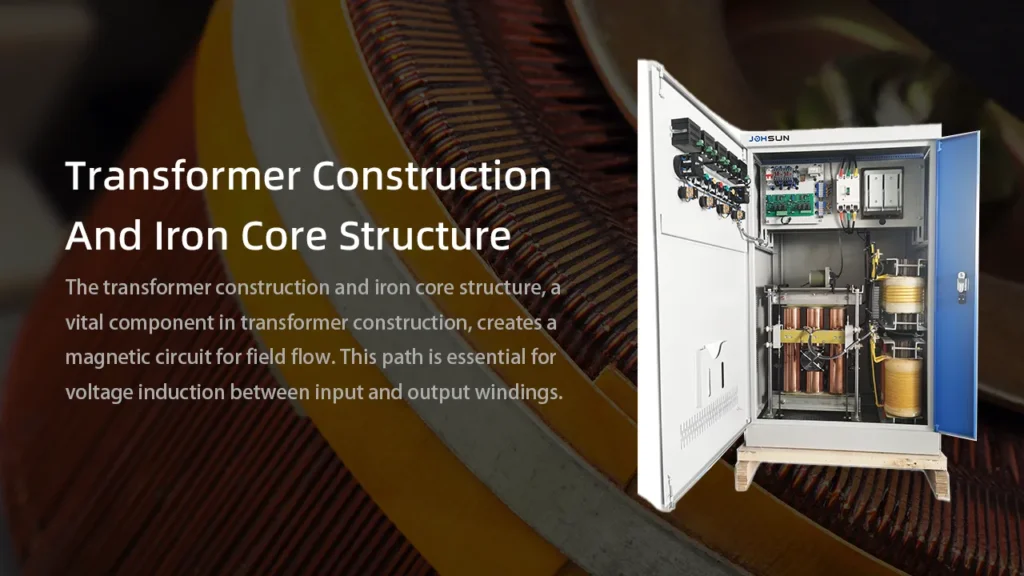
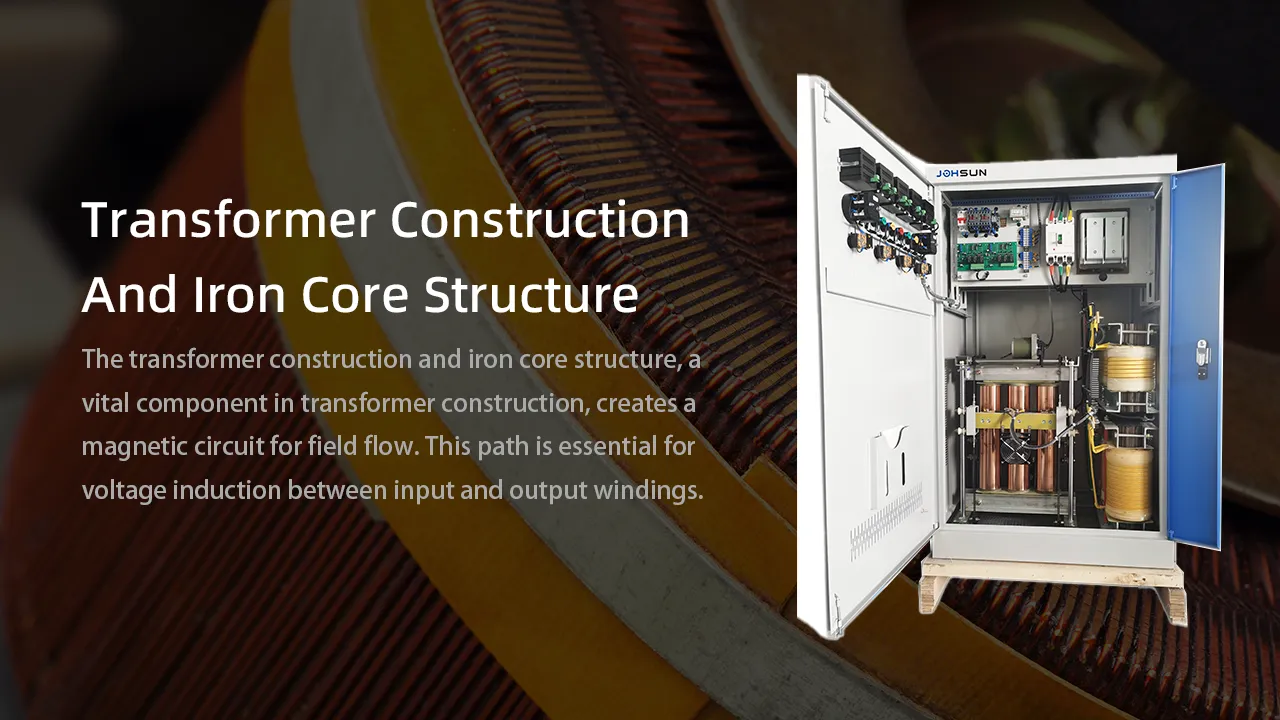
Dry type transformers use air as the cooling medium, with the windings varnished and exposed to the surrounding air or enclosed in a ventilated case. The varnish protects the copper from moisture and dust, and the open construction lets the heat dissipate naturally or with a fan. They are the standard for indoor low voltage applications, and they are what our ST series uses.
Encapsulated transformers cast the windings in a resin compound that seals them completely from moisture, dust, and vibration. The resin also conducts heat from the windings to the case surface, which spreads the temperature more evenly. The trade-off is weight and cost, the resin adds both.
Where encapsulated transformers win
Encapsulated transformers are the right pick for harsh environments: outdoor installations, coastal locations with salt air, dusty workshops, food processing plants where washdowns happen daily, and any location where the windings would otherwise see moisture or contamination. The resin seal means the unit keeps its insulation resistance in conditions that would degrade a dry type unit over months.
The same seal makes encapsulated units quieter, the resin damps the core vibration and the hum. If the transformer will be near living or sleeping areas and the hum matters, the encapsulated version is worth considering even in a clean indoor location.
When dry type is the smarter choice
In a clean, dry, indoor location, the dry type transformer is the smarter choice on cost and repairability. It is cheaper, lighter, and if it ever needs service, the windings are accessible. The varnished construction handles normal household and office humidity without issue, and the open case runs cooler than the same VA encapsulated unit because the air circulates freely.
For household appliances, offices, and most commercial interiors, the dry type is what we recommend and what we stock as standard. The encapsulated version is specified when the environment demands it, and we build it to order for the harsh-condition buyers.
Choosing by environment, not by fashion
The selection rule is environment first. Map the location: indoor or outdoor, humid or dry, dusty or clean, washdown or no. If the location is harsh, choose encapsulated and pay the premium. If the location is normal, choose dry type and save the cost. The mistake is choosing by fashion, buying encapsulated because it sounds premium, or dry type because it is cheaper, without mapping the environment first.
For a buyer who is unsure, the safest default is the dry type with a ventilated enclosure for indoor use, and the encapsulated version for anything near water, outdoors, or in a washdown environment. If you send us the location details, we will recommend the right build within one message.