Transformer Buying Guide: How to Choose and Buy | Wilmall
Buying transformers — whether for one appliance or a container order — comes down to a few decisions: type, size, quality, price and documentation. This guide walks through each step so you buy the right unit the first time.
Step 1: Choose the right type
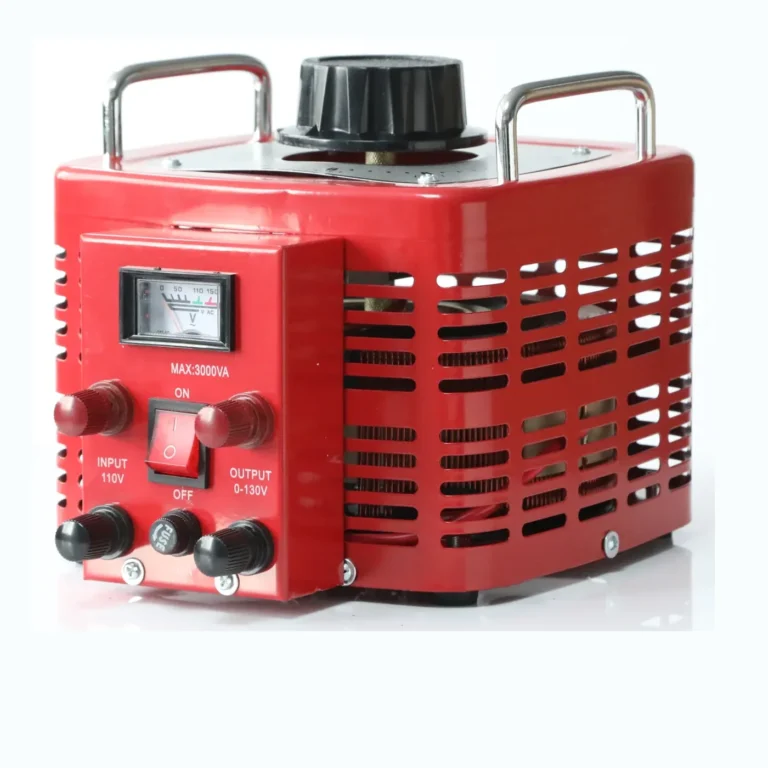
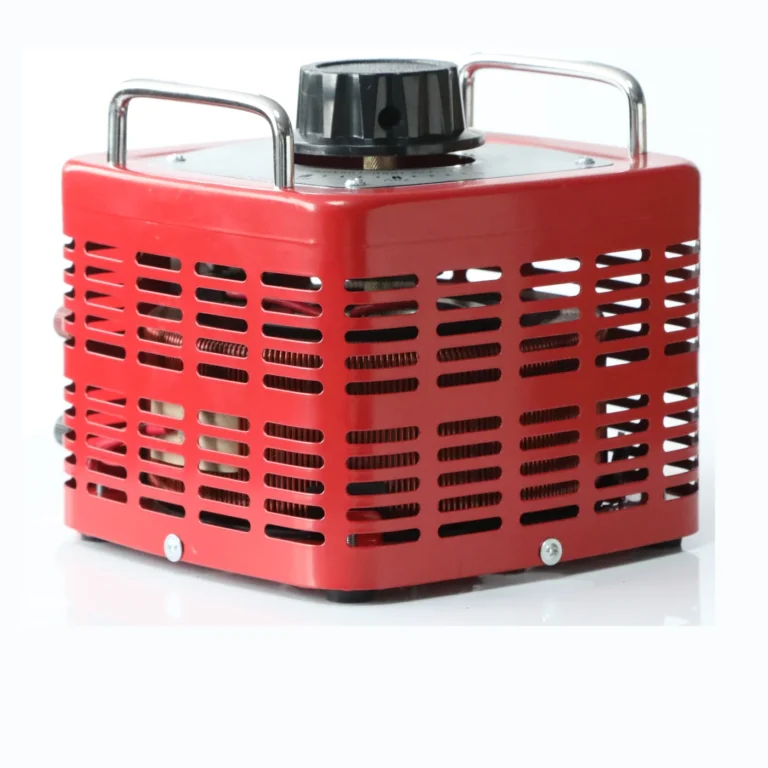
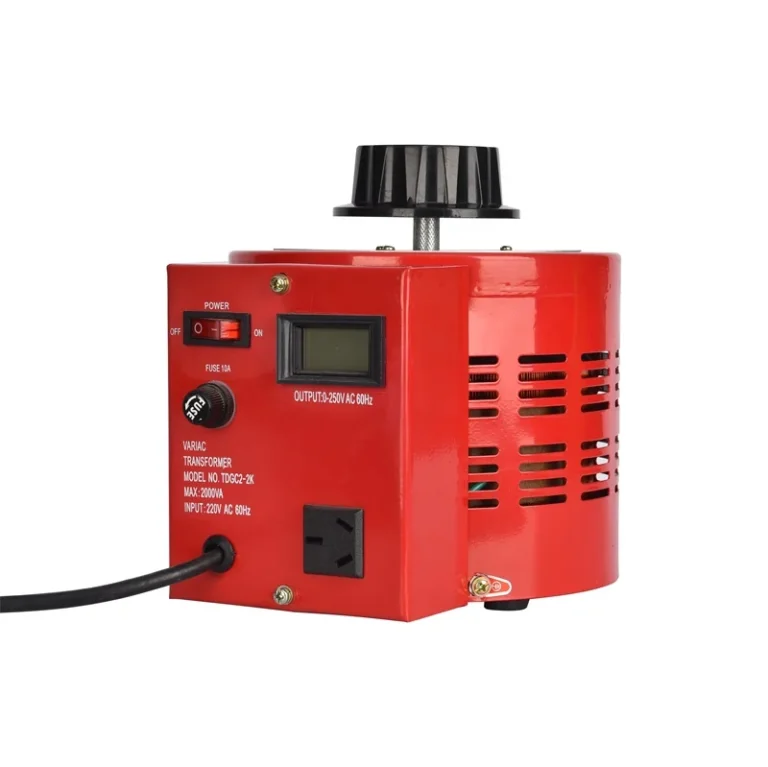
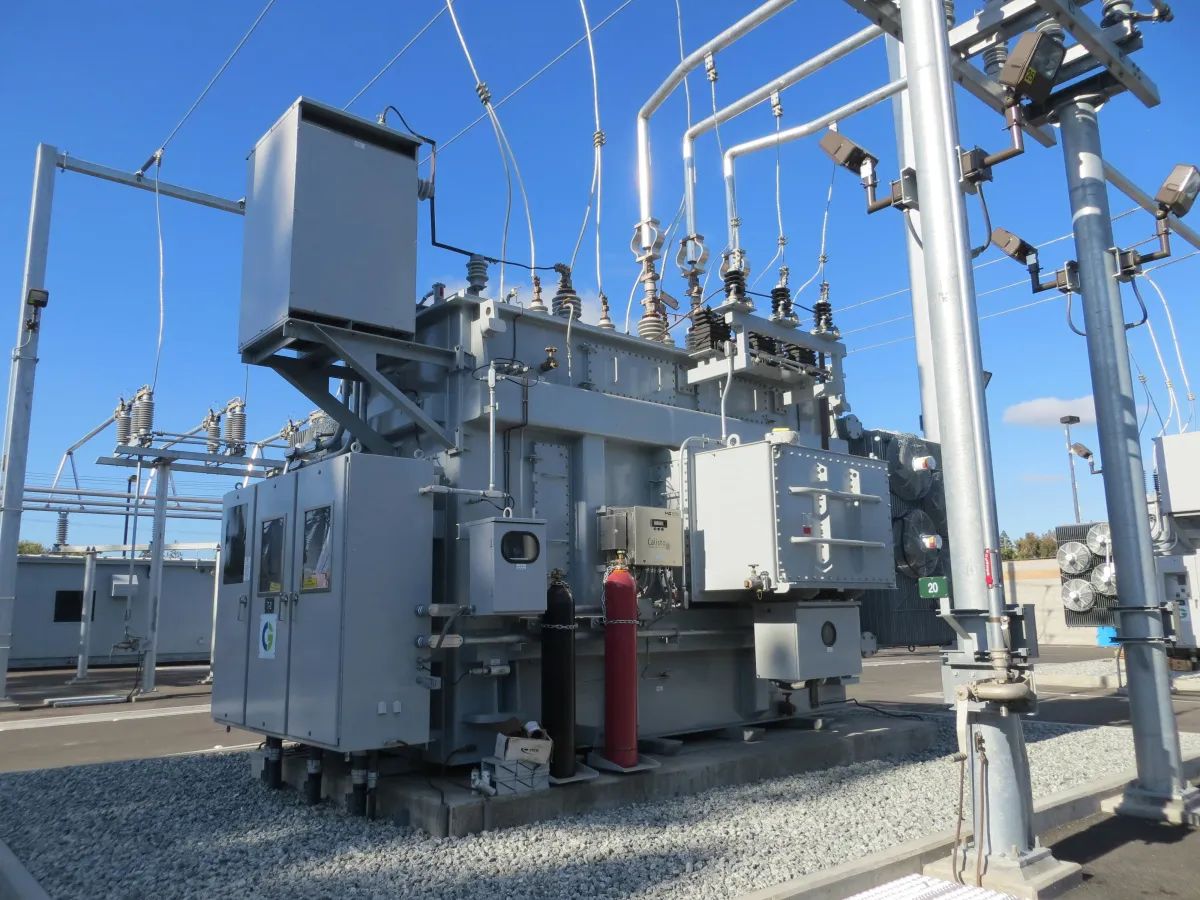
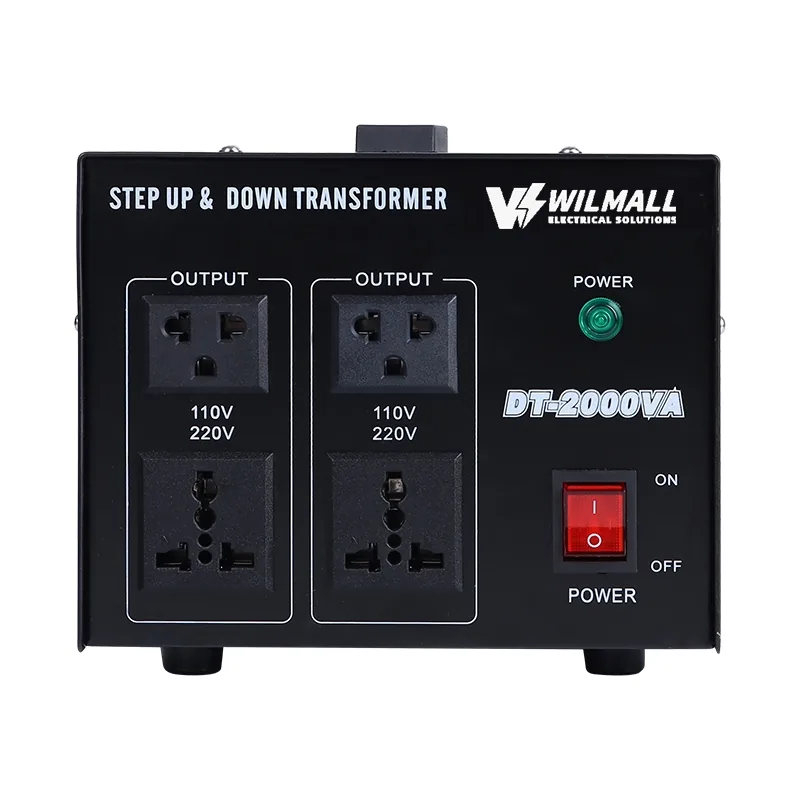
Step-down (220V to 110V), step-up (110V to 220V), dual-direction, control (24V / 110V for panels), or variable (variac). Match the type to your appliance and supply voltage. Check the appliance nameplate first — dual-voltage units need no transformer.
Step 2: Size it correctly
VA = watts x margin. Use 1.3x for simple loads, 2-3x for motors and compressors. See our sizing calculator guide for the full table and worked examples. When in doubt, choose the larger standard size.
Step 3: Check quality signals
- Tested before packing — ask for test records.
- CE / RoHS and market certificates — request them with the quotation.
- Warranty — a real factory offers 12 months or more.
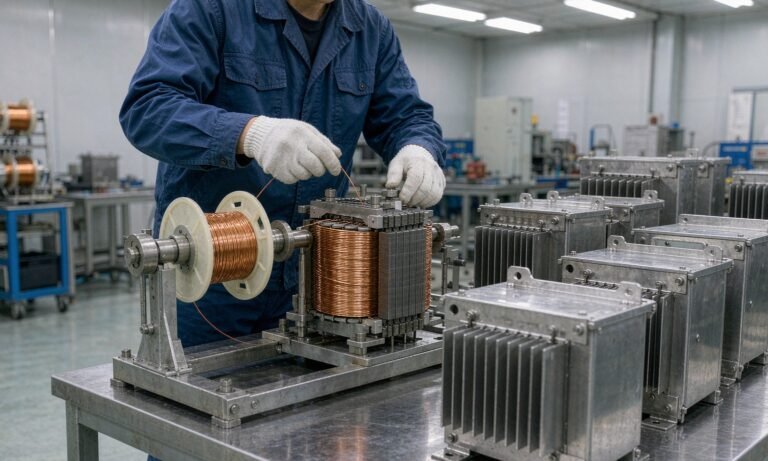
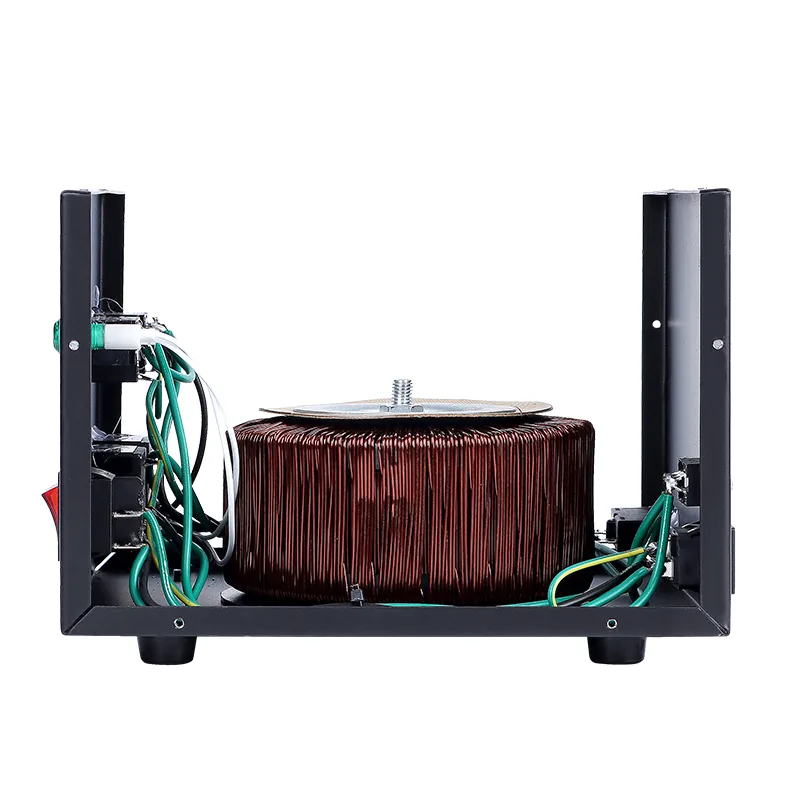
- Copper winding — better conductivity and longer life than aluminium.
- Brandable — label, colour and carton match your market.
Step 4: Compare price fairly
Lowest price is rarely the best buy. Compare copper vs aluminium, tested vs untested, documented vs undocumented, and factory vs trader. A unit that fails in the field costs far more than the saving on the invoice. Ask each supplier: are you the factory, and can you show winding and testing photos?
Factory vs trading company
The single biggest quality signal in this industry is whether you buy from the factory or from a trader. A factory controls winding, materials, testing and lead time; a trader depends on whoever supplies them this week. Ask for a photo of the production line, a batch test record with your model number, and the factory address. A genuine manufacturer answers without hesitation.
Buying for resale vs for yourself
Resellers should prioritise documentation, private labelling and consistent repeat supply; end users should prioritise correct sizing and margin. Both benefit from a factory relationship, but the questions you ask differ. If you resell, ask about mixed-model MOQ, label changes and sell-through support. If you buy for yourself, ask about sizing and the exact voltage taps.
Common first-time buyer mistakes
- Buying the cheapest quote. Price differences usually reflect copper vs aluminium, tested vs untested, factory vs trader.
- Ordering without a spec sheet. Confirm voltage, capacity, sockets, label and packaging in writing before production.
- Skipping the sample. For OEM orders, a pre-production sample prevents expensive batch mistakes.
- Ignoring documentation. CE / RoHS certificates and test reports are part of the product for customs and resale.
A written specification sheet is the single most valuable document in a transformer order. It captures the input voltage, output voltage, capacity, enclosure, socket type and label details — everything the factory needs to build correctly and everything you need to verify on delivery. We prepare one for every order, and we recommend you keep it on file for repeat purchases.
Buying from Wilmall
Wilmall is a Yueqing transformer factory with in-house winding, assembly and testing — not a trading company. You deal directly with the factory, request changes without mark-ups, and receive the same unit you approved in the sample. MOQ 10 pcs per model, 12-month warranty, CE / RoHS documents and batch test reports with every shipment. Start with a message about your application and quantity, and we will reply within 24 hours.
The first message does not need to be technical. Tell us the country, the appliance and the quantity, and our export team will convert that into a specification, a recommendation and a quotation. If you already have a spec sheet from another supplier, send it over — we will quote to match or improve it.
Whether you are buying one transformer for a home appliance or a container for distribution, the buying principles are the same: correct type, correct size, verified quality, fair price and complete documentation. Following the five steps in this guide keeps you out of trouble and makes the purchase straightforward from enquiry to delivery.
Ask for a written specification sheet with your quotation and keep it with your records. It is the reference document for delivery checks, warranty claims and repeat orders, and it protects both sides of the transaction.
Finally, buy from a supplier you can talk to directly. When you can email the factory, ask about winding, testing and lead time, and get straight answers, the risk in the whole transaction drops sharply. That is the standard we hold ourselves to, and the standard we recommend you hold any supplier to.
Step 5: Confirm documentation and shipping
A dependable supplier ships with commercial invoice, packing list, CE / RoHS certificates and batch test reports. Confirm the FOB or EXW terms, the port (we ship from Ningbo or Shanghai), the lead time (15-25 days standard), and the payment terms (30% deposit, balance against B/L).
Frequently asked questions
The Checklist That Prevents Wrong Purchases
Use this checklist before you buy any transformer, and you will avoid the three most common mistakes. First, confirm the direction: write down your wall voltage and your appliance voltage, and buy a step up or step down unit that matches, not a converter that cannot handle the load. Second, size by wattage with headroom: add up everything that runs at the same time, add 20 to 30 percent, and for motor loads double or triple it. Third, check the plugs: the input plug must fit your wall socket, and the output socket must fit your appliance plug. Fourth, check the protection: look for a fuse, thermal cut-out, and RCD where the environment needs it. Fifth, verify the seller’s testing: ask for the batch test report and the winding material. Run through these five points and the transformer you buy will be the right one the first time.
Where to Buy: Local Shop vs Factory Direct
Buyers face the same choice everywhere: buy locally for convenience or buy factory direct for price and range. A local shop lets you see the unit before paying and avoids shipping, but the price carries the importer’s margin, and the range is usually limited to a few popular sizes. Buying factory direct from us gives you the full range, a better price, the batch test report, and custom options, but it means waiting for shipping and handling the import. For a single urgent unit, local is simpler. For volume, for sizes the local market does not stock, or for buyers who want the documentation and the warranty, factory direct is the clear choice. Many of our customers buy one unit locally for an urgent need while ordering the rest from us. If you send us your quantity, we will quote FOB with the freight estimate so you can compare.
Warranty, Testing, and Documentation: What to Expect
A transformer is a long-life product, so the quality proof matters more than the initial price. Every unit from our factory carries a 12-month replacement-first warranty, which means if it fails within that window, we ship a replacement rather than asking you to return the failed unit. Every order includes the batch test certificate, which records the turns-ratio, no-load, full-load, and hi-pot tests for your batch, so you have documented proof that the units were checked before packing. The winding material, copper as standard, is stated on the label and in the report. For buyers who compare suppliers, these three things, the warranty terms, the test report, and the winding material, separate a factory that stands behind its product from one that sells on price alone. If a supplier cannot show you a test report, that is an answer in itself.
The 80% Rule and Continuous Duty
One rule ties together every buying decision: never load a transformer to more than 80% of its rating for continuous use. A 2000VA transformer is comfortable at 1600W continuous, and a 1000VA unit at 800W. This matters because a transformer loaded to its maximum runs hot, and heat is what ages the insulation. When you add the 30% headroom to your appliance wattage, you are effectively building in both the 80% rule and a cushion for surges. A 1500W kettle needs a 2000VA transformer, not a 1500VA one, because at 1500VA it would be running at the edge. For appliances that run for hours, such as a heater or a fridge, the margin matters more than for a toaster that runs for minutes. If you are choosing between two sizes, the larger one runs cooler, lasts longer, and handles the unexpected, which is why we usually recommend sizing up.
Buying for Resale: The Stock Mix That Works
If you are buying transformers for resale, the stock mix is a business decision, not just a sizing one. The volume sellers are the 1000VA and 2000VA sizes, because they cover the typical household mix of electronics and small appliances. The 3000VA units sell to homes with fridges and to small shops, and the 5000VA units go to commercial and workshop buyers. The STU auto-selecting units are the premium option, selling to expats, travelers, and buyers with mixed-voltage appliances. For a first container, a mix of 1000VA, 2000VA, and 3000VA covers most demand, and we assemble mixed orders so your stock matches your market. The MOQ is 10 pieces, and the pricing ladder improves with volume. If you tell us your market and your sales channels, we will recommend the mix that sells fastest.
Which transformer type do I need?
Match the type to the job: step-down for 110V appliances in 220V countries, step-up for the reverse, control transformers for panels, variacs for adjustable voltage.
How do I size a transformer?
Multiply the appliance wattage by 1.3 for simple loads and 2-3 for motors and compressors. Choose the next standard size up.
How do I know a transformer is good quality?
Check for batch test records, CE / RoHS certificates, a warranty, copper winding and a factory that can show its production line.
What is the MOQ for transformer orders?
Our MOQ is 10 pcs per model. Different models and voltages can be mixed in one order to reach the minimum.
How do I verify a transformer factory is real?
Ask for photos of winding and testing, a batch test report, and the factory address in Yueqing. A real manufacturer will share these freely.
How long does a transformer order take?
Standard production is 15-25 days after order confirmation. Samples take about 7-10 days before batch production.
Related reading
Get a factory-direct quote
Email sales@wilmall.com or WhatsApp +86 197 3022 6757 with your application and quantity for pricing within 24 hours.