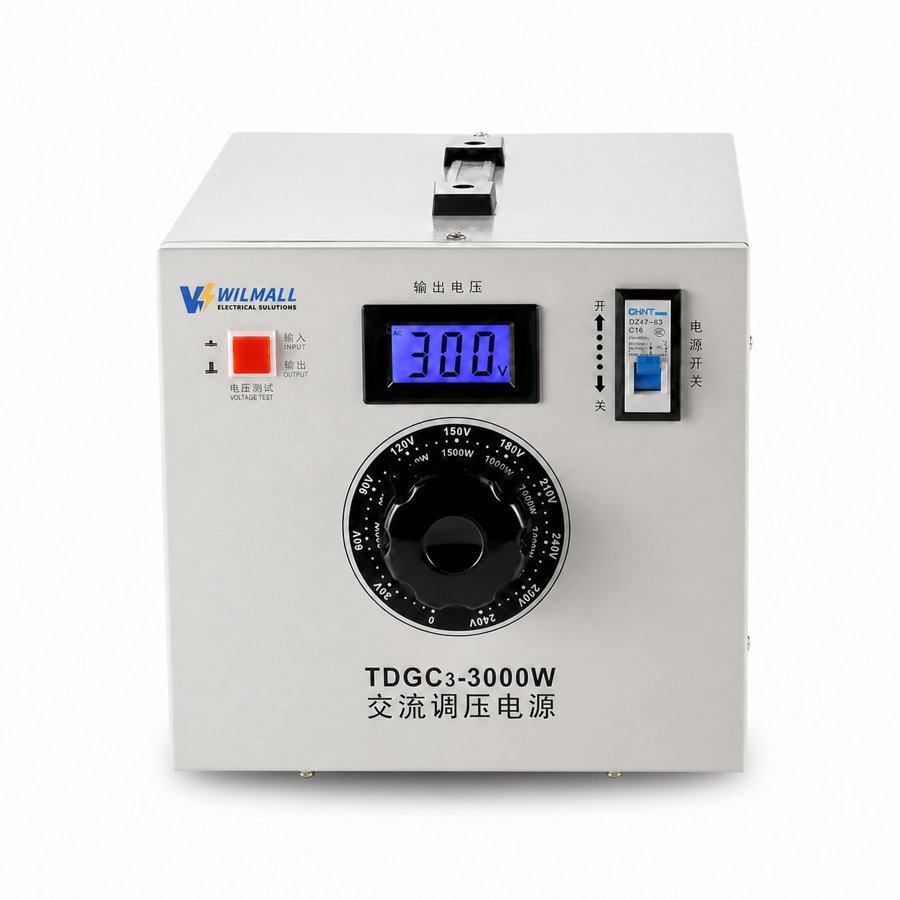
Step Down Transformer for Slow Cooker and Crock Pot
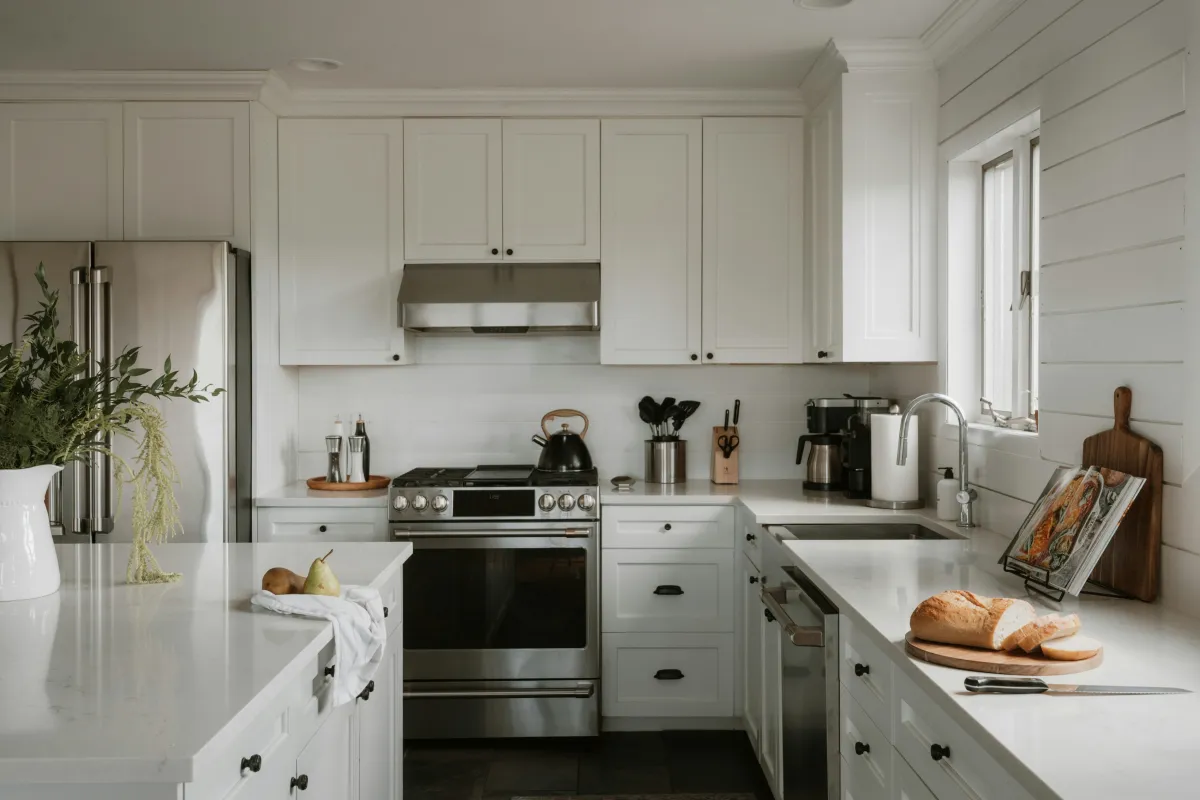
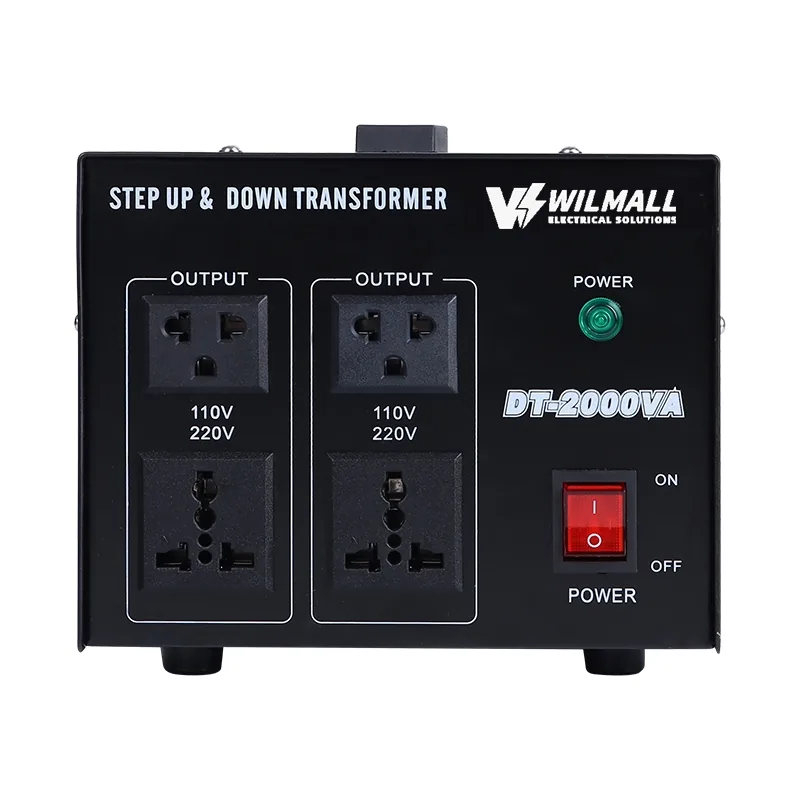
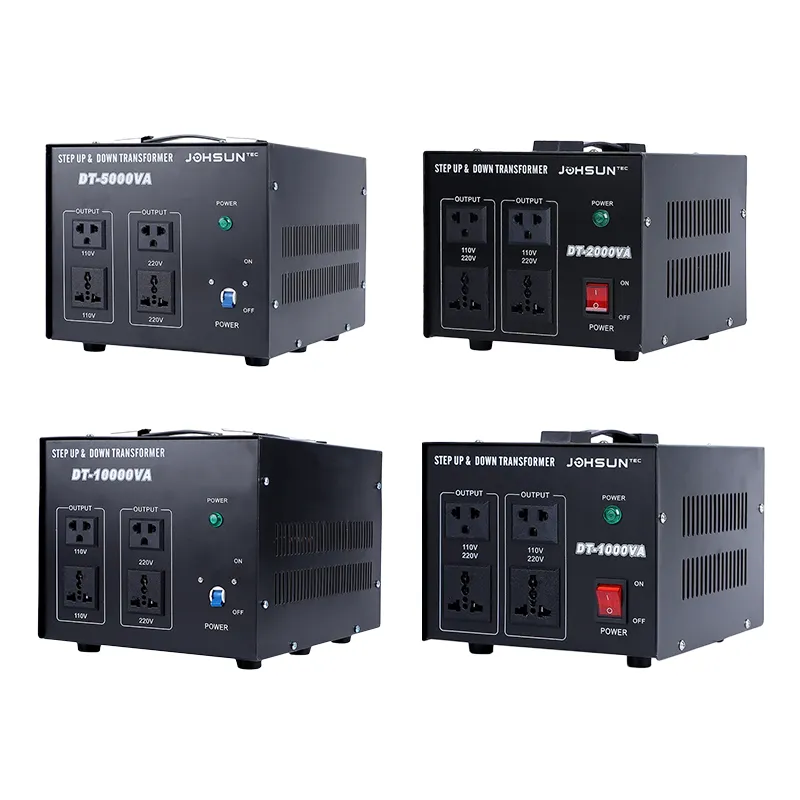
Quick answer: what size transformer for a slow cooker
Most US-spec slow cookers draw between 150W and 300W, which is light, so a 500VA step down transformer covers even the largest model with plenty of margin. A 1000VA unit is the choice if you also run a coffee machine or a kettle from the same transformer, or if you have several slow cookers for catering. The quick rule: take the wattage on the slow cooker nameplate, add 30 percent, and pick the next size up. For a 300W cooker that lands on 500VA, and it leaves room for a small appliance alongside.
Why a slow cooker is an easy load but a long one
A slow cooker draws a modest wattage, but it runs for six to ten hours on the low setting, which makes the duty cycle the real consideration. The heating element cycles on and off to hold the temperature, so the average draw is lower than the rating, but the transformer runs for most of the day. That continuous operation is why we recommend a transformer with real margin, a 500VA unit on a 300W cooker runs at 60 percent and stays cool through a full day of cooking. The long runtime also means the transformer should be placed with ventilation, because even a light load generates some heat over ten hours.
Sizing table for slow cookers and crock pots
| Cooker rating | Transformer size |
| Up to 150W | 300VA |
| Up to 300W | 500VA |
| Up to 500W or shared outlet | 1000VA |
| Multiple cookers for catering | 1500VA to 2000VA |
If you run a slow cooker and another appliance at the same time, a coffee machine or a kettle, add the wattages before choosing. A 300W cooker plus a 900W kettle needs 1500VA, not 500VA. The simultaneous load is the number that decides, and it is the one we ask about before recommending a size. For a single slow cooker used alone, the small sizes are perfectly adequate, and they cost less than a larger unit that sits mostly idle.
Transformer vs converter for a slow cooker
Even though a slow cooker is a light load, the transformer versus converter question still has a clear answer. A slow cooker is a heating element that runs for hours, and a transformer delivers the current continuously and reliably. An electronic converter, the small travel type, can handle a light heater, but it is not built for hours of continuous duty, and the low-quality ones overheat. For an appliance that runs all day, the transformer is the dependable choice, and it is built for exactly this kind of sustained load. Our step down transformers are rated for continuous duty, so a slow cooker on the low setting all day is no problem.
Copper windings and the long-duty factor
The winding material matters more for an appliance that runs ten hours a day, because the heat accumulates. Copper windings run cooler and carry the current more efficiently, so a transformer on a slow cooker stays comfortably warm even after a full day. Aluminium windings run hotter, and the sustained heat ages the insulation faster. Our ST series uses copper as standard, with a fuse and a thermal cut-out. For a slow cooker used daily, the copper difference shows up in the case temperature and the lifespan. The batch test report confirms the load test, so you know the unit was checked before it shipped.
Three mistakes slow cooker buyers make
The first mistake is buying a converter for an appliance that runs all day, which can overheat. The second is forgetting the plug standard, a US slow cooker has a NEMA plug that will not fit a 220V socket, so the transformer must have the right output socket or you need an adapter that fits. The third is assuming the cooker is dual-voltage when it is not. Check the nameplate: if it says 110-120V only, it needs the transformer; if it says 100-240V, it only needs an adapter. Most slow cookers are single-voltage, so the transformer is usually required in a 220V country.
Placement for an all-day transformer
Because a slow cooker transformer runs for hours, placement matters more than with a quick appliance. Keep it on a stable surface, off the countertop next to the cooker where steam rises, and away from the sink. Leave space on all sides for airflow, and never cover the unit while it runs. A shelf or a cabinet with ventilation works well. If the case feels hot after a full day of cooking, check the size and the airflow. A transformer running at 60 percent of its rating on a slow cooker should stay barely warm to the touch, and that is the sign of a correctly sized unit.
Can one transformer run several kitchen appliances
Slow cookers are light enough that one transformer can serve several. A 1000VA unit runs a 300W slow cooker plus a 500W coffee machine with room to spare, and a 2000VA unit covers a slow cooker, a kettle, and a toaster together. The advantage is simplicity, you plug appliances in as needed. The trade-off is that the transformer sits mostly idle when only the slow cooker runs, and a larger unit costs more. For most households, a 1000VA unit is the sweet spot, it covers the slow cooker with huge margin and still handles one other appliance at a time.
Why buy factory direct
You can buy a small transformer locally, and for one urgent unit that is convenient. The trade-off is price and range. A local shop carries a few sizes at two to three times the factory price. Buying direct from us gives you the full range from 100VA to 10KVA, the socket matched to your appliance, the batch test certificate, and the 12-month replacement-first warranty. For a single unit, air freight is fast enough for most buyers. For distributors and shops, the factory price plus the resale margin makes it the clear choice. Send us your quantity and destination, and we quote FOB or DDP with the freight estimate.
Slow cooker wattage and the keep-warm phase
A slow cooker has two phases that matter for sizing: the cooking phase, when the element draws close to the full rating, and the keep-warm phase, when it cycles at a lower draw. The cooking phase is the moment the transformer is tested, because the element pulls its rated wattage continuously while the pot heats up. The keep-warm phase is light, so a transformer sized for the cooking phase has huge margin during keep-warm, which is exactly why a 500VA unit on a 300W cooker stays cool through a full day. If you often use the high setting, which draws the full wattage, keep the margin in mind. If you mainly use low and keep-warm, the load is even lighter. The nameplate rating is the number to use for sizing, regardless of which setting you choose.
Slow cookers for catering and batch cooking
If you use slow cookers for catering, meal prep, or a small food business, the transformer question scales up. Running three 300W cookers at once is a 900W load, which needs a 1500VA transformer with margin, and five cookers need 2000VA. The advantage of one larger transformer is that all cookers plug into it, and you manage one unit instead of several. The trade-off is that a 2000VA unit is heavier and costs more. Many caterers prefer one transformer per pair of cookers, which balances cost and flexibility. Either way, size for the number of cookers you run at the same time, and remember that the high setting on multiple cookers at once is the peak load to plan for.
What to check before plugging in a slow cooker transformer
Before you connect a new slow cooker transformer, run a two-minute check. Confirm the transformer input matches your wall voltage, 220V, 230V, or 240V, and the output matches the cooker, 110V for a US unit. Place the transformer on a dry, ventilated surface, off the floor, and away from the sink. Plug the transformer in first, listen for abnormal hum, and then connect the cooker. Start the cooker on low and check the transformer case after an hour; it should be barely warm. If it is hot, the size or the placement is wrong. This two-minute check prevents the most common field issues and confirms the setup before a full day of cooking.
The nameplate check that prevents overspending
Before you buy a transformer for a slow cooker, spend five seconds on the nameplate. If the label says 100-240V, the cooker is dual-voltage, and it runs on any mains with just a plug adapter, no transformer needed. Many slow cookers sold internationally carry the dual rating, and buying a transformer for one is wasted money. If the label says 110-120V only, the cooker needs the step down transformer in a 220V country. This single check separates the buyers who need a transformer from the ones who only need a $3 adapter, and it is the first thing our engineers ask about when you send us your appliance list. Check every appliance the same way, because the mix of dual and single voltage units in one kitchen changes what you need to buy.
FAQ
Can I run a slow cooker on a 500W transformer?
Yes, if the cooker draws 300W or less and nothing else runs at the same time. Add 30 percent headroom to be safe.
Do I need a transformer for a slow cooker in the UK?
Yes, if it is US-spec 110V. The UK runs on 230V, so you need a step down transformer rated 220-240V input.
What happens if I plug a 110V slow cooker into 220V?
The heating element burns out almost immediately. The transformer is not optional for a single-voltage cooker.
Can a converter run a slow cooker?
Some can, but they are not built for hours of continuous duty. A transformer is the reliable choice for an appliance that runs all day.
Get the right transformer for your slow cooker
Send us the slow cooker model or the wattage from its nameplate, tell us what else runs at the same time, and we will confirm the right transformer within 24 hours. We supply step down transformers from 100VA to 10KVA, copper-wound, with the output socket matched to your appliance. WhatsApp us or use the inquiry form, and we will quote factory-direct pricing with the batch test certificate.