Step Down Transformer for Restaurants: 220V to 110V Guide
A restaurant kitchen running on 220V mains with a row of 110V equipment is a problem that shows up fast, usually on the evening of a soft opening. The espresso machine was bought from a US supplier. The immersion blender came in with the smallwares order. The commercial microwave is a 120V unit because it was cheaper that way. Then the electrician plugs the first one in and everyone learns a new word: inrush.
I sell transformers out of a factory in Yueqing, China, and kitchen orders are one of the regular streams on my desk. Restaurants in Thailand, Vietnam, Malaysia and the Philippines buy a lot of secondhand and surplus American kitchen gear, and every one of those orders needs the same thing: a step down transformer sized properly for a load that is nothing like a hotel room. Kitchen equipment has motors in it, and motors behave badly on a transformer that was chosen by looking only at the wattage on the label.
Why 220V Kitchens End Up Full of 110V Equipment
The short answer is price and availability. Commercial kitchen gear in the 110V world is made in enormous volumes for the North American market, which means a used or surplus 120V fryer, griddle or mixer can land in Southeast Asia for far less than an equivalent 220V unit bought new locally. A restaurant opening on a tight budget fills the line with those bargains and figures the electrical side can be sorted out afterwards.
Then there is the operator side. Chain standards pull the other way round: a group that runs one kitchen design in the United States wants the same equipment in Bangkok, so the spec sheet says 120V and the building says 230V. Add the small appliance aisle, where food processors, blenders, waffle irons and popcorn machines are often imported in 110V form, and you have a kitchen where half the outlets need a different voltage from the other half.
What you do not get from a transformer is a frequency change. Most of Southeast Asia runs 50Hz, most American kitchen gear is designed around 60Hz. A resistive element like a fryer or a griddle does not care at all. A motor-driven machine will run about 17 percent slower on 50Hz, and the motor will draw slightly more current to do the same work. That is not a reason to avoid a transformer, but it is a reason to size with a bit more headroom than the nameplate suggests, and it is worth telling your service engineer before the equipment is installed.
Kitchen Equipment That Usually Needs One
When a restaurant sends me an equipment list, this is how it normally breaks down.
- Commercial espresso machines, 1200W to 3000W. Big resistive load, and the boiler cycles on and off for hours, so steady capability matters more than peak.
- Coffee brewers and grinders, 800W to 1800W for the brewer, 200W to 500W for the grinder. Grinders have a motor and a real inrush.
- Deep fryers and countertop griddles, 1500W to 3500W. Purely resistive, but they run at full draw for long stretches.
- Commercial blenders and immersion blenders, 500W to 1800W. Motors again, and these get switched on and off constantly through a service.
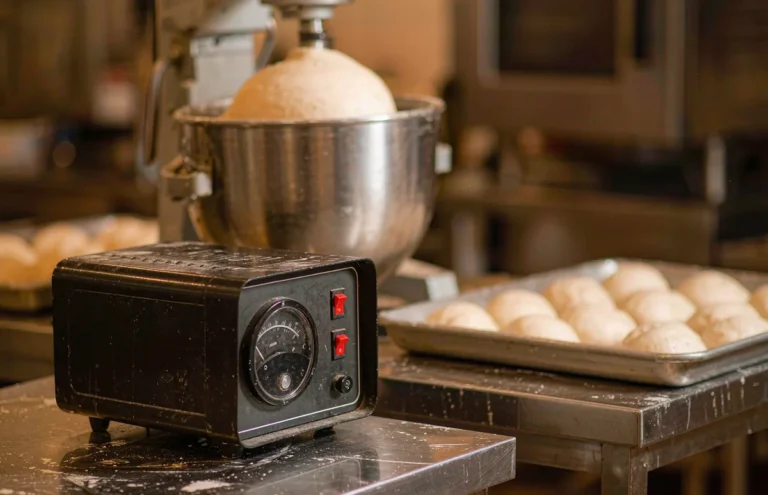
- Planetary mixers and dough mixers, 500W to 2000W. Heaviest inrush in the kitchen, because the motor starts under load.
- Commercial microwaves, 1000W to 1800W. Resistive plus a turntable motor and a high inrush magnetron circuit.
- Slicers, vacuum sealers, food processors, 150W to 600W. Small, but usually several per kitchen.
- POS terminals, kitchen printers, scales and monitors, 30W to 150W. Ordinary electronic loads, though nobody wants them on the same circuit as the fryer.
- Undercounter fridges and ice machines, 150W to 500W with a compressor motor that starts hard.
Do check the labels on anything modern and electronic. A lot of imported POS tablets, label printers and small display screens are rated 100-240V already, and those just need a plug adapter. Mixing one of those into a transformer circuit only burns capacity you would rather spend on the fryer.
How to Size a Step Down Transformer for a Restaurant Kitchen
Here is the method I walk buyers through, and it takes about ten minutes with the equipment list in front of you. Work out which appliances can be running at the same instant on the same circuit. Add their running watts. Then apply a headroom factor, and the factor depends on what kind of load you have.
For resistive loads, heaters, fryers, griddles, espresso boilers, 25 percent headroom is plenty. For motor loads, blenders, mixers, slicers, fridge compressors, use 100 to 200 percent, because a motor starting under load can pull five or six times its running current for a fraction of a second. A transformer that is fine on paper will still trip or buzz if you ignore that.
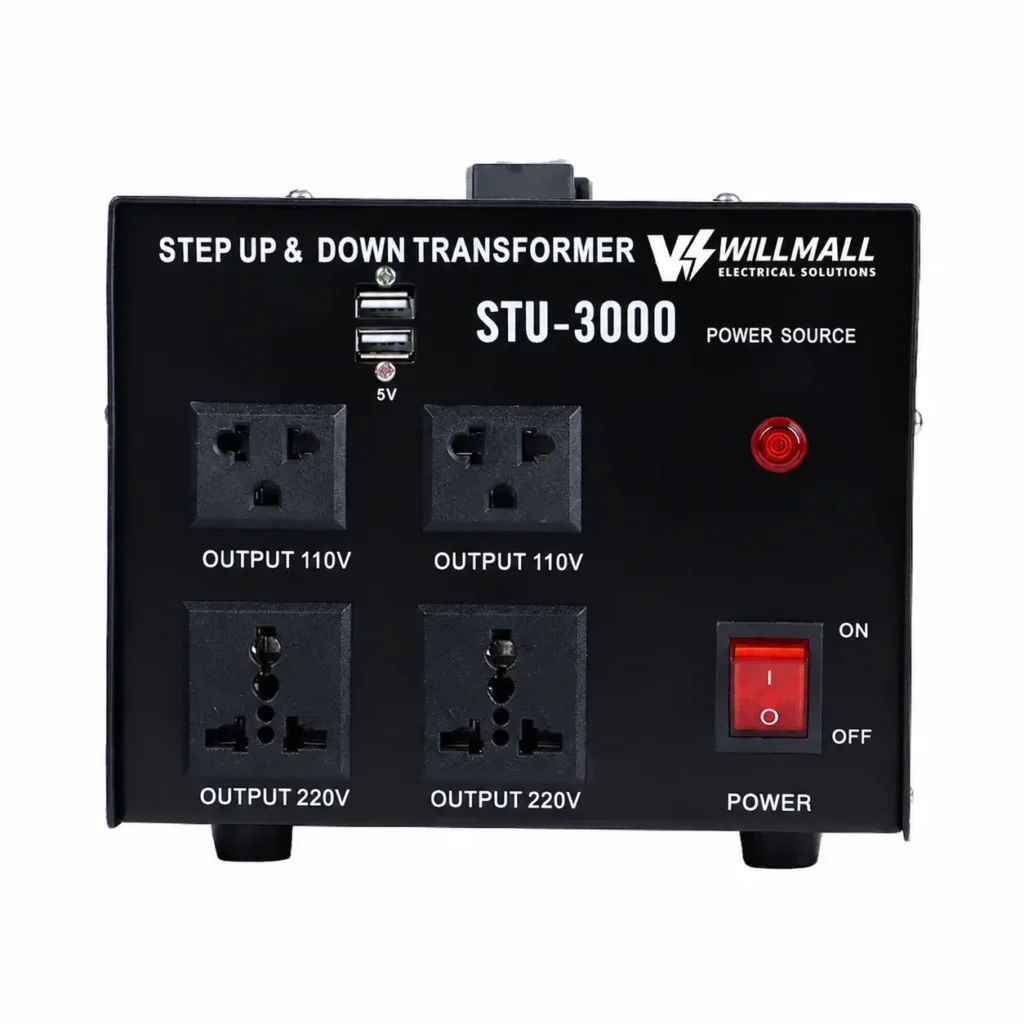
Worked example. A cafe bar station has a 2000W espresso machine, an 800W grinder, a 1500W blender and a 100W POS setup. Realistically the espresso machine and the grinder run together, so 2800W of mostly resistive load. Add 25 percent and you are at 3500VA. On our range, that station wants an STU-3000 or the STU-5000 if you want room to grow, both of which are bidirectional, so if the kitchen later brings in a 220V appliance that needs a step up, the same box handles it.
Now a smaller station with a single 1400W fryer and a 500W blender. Running together, 1900W. The blender is a motor, so apply the higher factor to that portion. Round it up and a 2000VA unit with RCD protection carries it comfortably, which is what our ST-2000 is for. It is the same unit hotels buy, just applied to a very different load.
| Kitchen appliance | Typical running watts | Load type | Headroom to apply |
|---|---|---|---|
| Espresso machine | 1200 – 3000 W | Resistive boiler | 25 – 30 percent |
| Deep fryer | 1500 – 3500 W | Resistive | 25 percent |
| Coffee grinder | 200 – 500 W | Motor | 100 percent |
| Commercial blender | 500 – 1800 W | Motor, frequent starts | 100 – 150 percent |
| Planetary mixer | 500 – 2000 W | Motor starting under load | 150 – 200 percent |
| Commercial microwave | 1000 – 1800 W | Resistive plus magnetron | 40 – 50 percent |
| Undercounter fridge | 150 – 500 W | Compressor motor | 150 percent on start |
| POS and printers | 30 – 150 W | Electronic | 25 percent |
One more number worth knowing before you buy. A transformer’s VA rating is not the same as its usable wattage, because the power factor of a motor load pulls the two apart. For resistive kitchen loads the two numbers sit close together, which is why a 2000VA unit runs a 1800W fryer happily. For motor loads, treat the VA figure as the ceiling and leave yourself margin. If the arithmetic gets tight, tell us the equipment list and we will do it for you rather than let you guess.
The Inrush Problem Nobody Warns You About
Most sizing mistakes in restaurant kitchens come from one thing: a motor starting. When a mixer or a blender is switched on, the first half second draws a current spike several times larger than the running current, and the transformer has to supply it without the voltage collapsing. If it cannot, the blender groans, the lights dip, and on a bad day the breaker trips mid-service.
There are two ways to deal with it. The first is to oversize, which is what the headroom factors in the table above are doing. The second is to keep motors and heavy heaters off the same transformer, so the inrush of the mixer is not competing with a fryer that is already pulling full load. Both work. Doing neither is how a kitchen ends up with a transformer that hums and trips.
There is a third thing you can do, and it costs nothing. Ask us to test the unit against your actual load profile before shipping. We test 100 percent of what we build in our own factory here in Yueqing, so we can tell you whether a given unit will hold up on a mixer start rather than leaving you to find out at dinner service.
One Unit Per Station Beats One Unit Per Kitchen
The instinct is to buy one big transformer and feed everything from it. I understand why, and I usually talk buyers out of it. A single large unit means a single point of failure, and in a restaurant that failure arrives at 7:30 in the evening when the dining room is full.
Split the kitchen instead. Give the hot line its own unit, the prep and bar station its own, and the POS and office corner a small one. If the hot line unit needs to come out for service, the bar keeps pouring coffee and the till keeps printing receipts. It also means the fryer’s load never sits between the espresso machine and a stable supply.
That split usually costs a little more in hardware and considerably less in lost covers. For a kitchen with a single fryer and a blender, one unit is genuinely enough, and I will say so rather than sell you two. For a full line with a mixer, two fryers and an espresso machine, split it and sleep better.
Heat, Grease and Where to Actually Mount It
Commercial kitchens are a hostile place for anything electrical, and a transformer is no exception. It is a magnetic device that gets warm under load, so it needs air moving past it, and it needs to be somewhere that grease is not settling on the vents. Putting it on a shelf above the fryer is the worst possible spot, and I have seen it done.
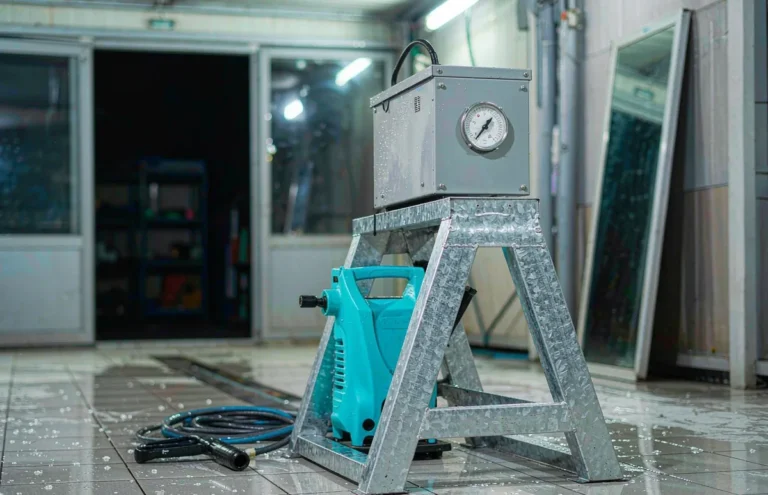
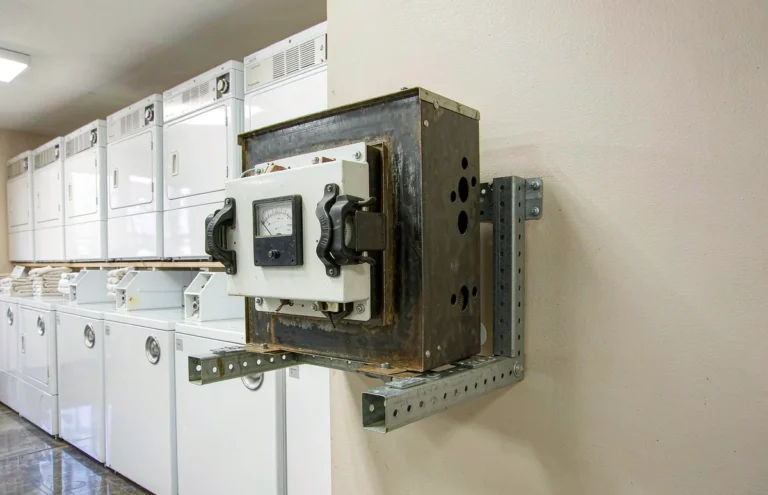
Pick a dry, ventilated position away from the cooking line, ideally on a wall in the prep area or in the back corridor where the temperature is lower and the air is cleaner. Keep it off the floor, because kitchen floors get washed down with a hose. Give the vents clear space on every side. And bond the enclosure to earth, with the 110V output wired as a proper circuit rather than left on a trailing adapter that somebody trips over during a rush.
Wipe the unit down as part of your regular cleaning rotation. Grease on the case is not dangerous by itself, but it holds heat in and it draws dust, and both of those shorten the life of the insulation inside.
What We Have Built for Restaurant Orders
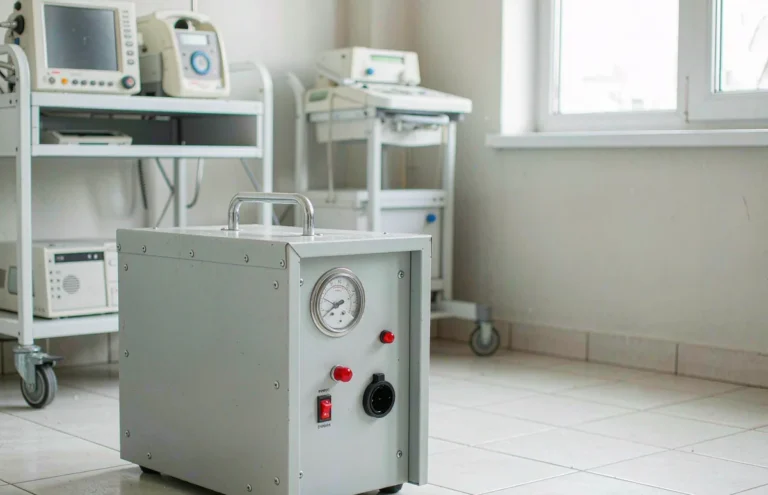
Our ST-2000 is a 2000VA step down transformer that takes 220V in, gives 110V out and includes RCD protection. It suits a small station with a fryer, a blender and a few small appliances, and the RCD matters in a kitchen because water and hands are always close together.
For the bigger stations we go to the STU series. The STU-3000 and STU-5000 are bidirectional and built for the heavier side of kitchen work, covering espresso bars, mixers, combi ovens and multi-appliance stations with room to spare. Bidirectional is a real advantage in this trade, because kitchens that import 110V equipment often import 220V equipment from elsewhere in the same year, and the same box covers both directions.
Our DT-1000VA is a bidirectional automatic unit for smaller loads, useful for a POS counter, an office corner or a scale station. And the Variac range at 500VA, 1KVA, 2KVA and 3KVA gives you adjustable output, which is genuinely handy when you are commissioning imported equipment and want to bring it up slowly on a known voltage rather than slamming full mains into it.
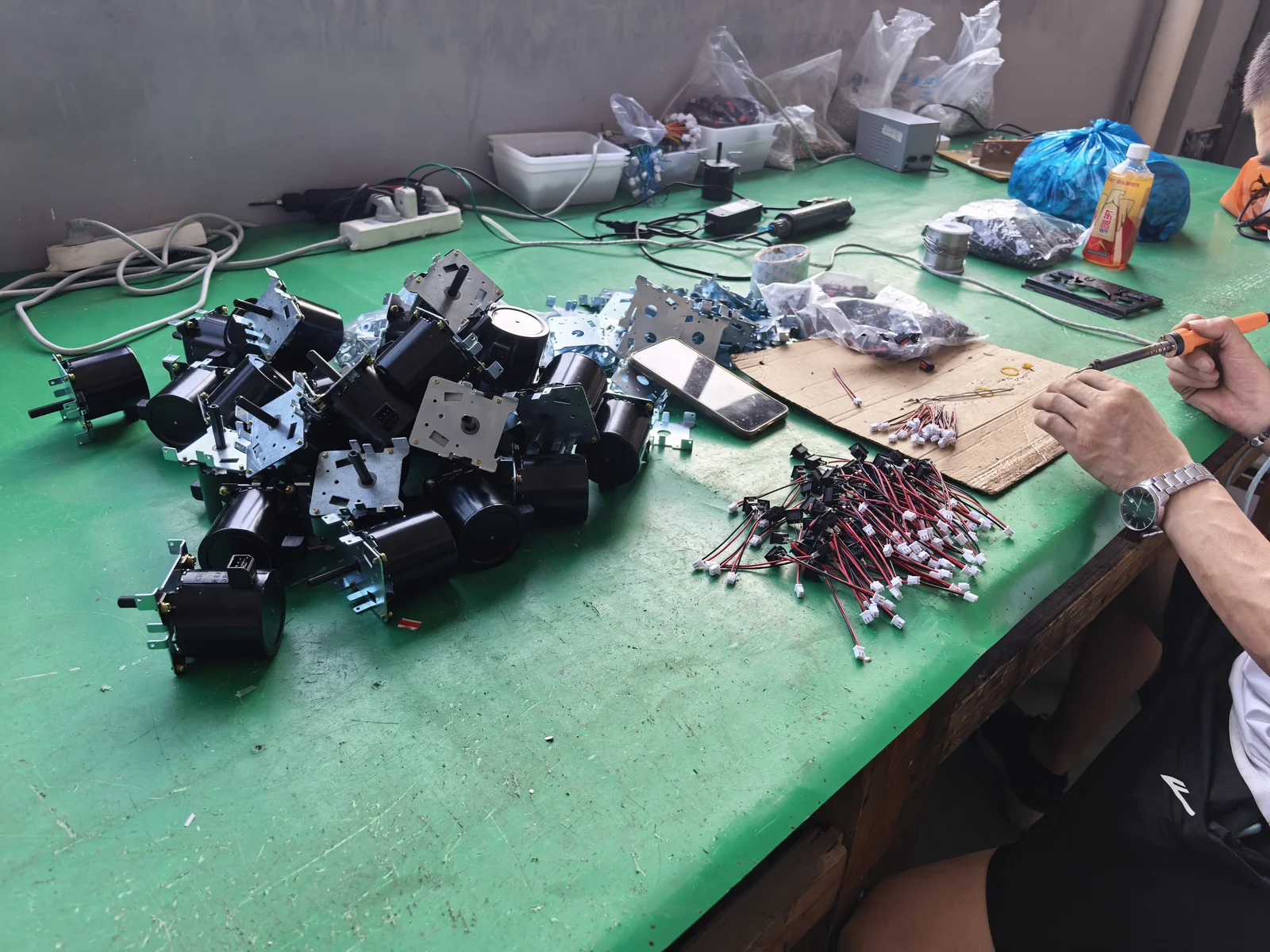
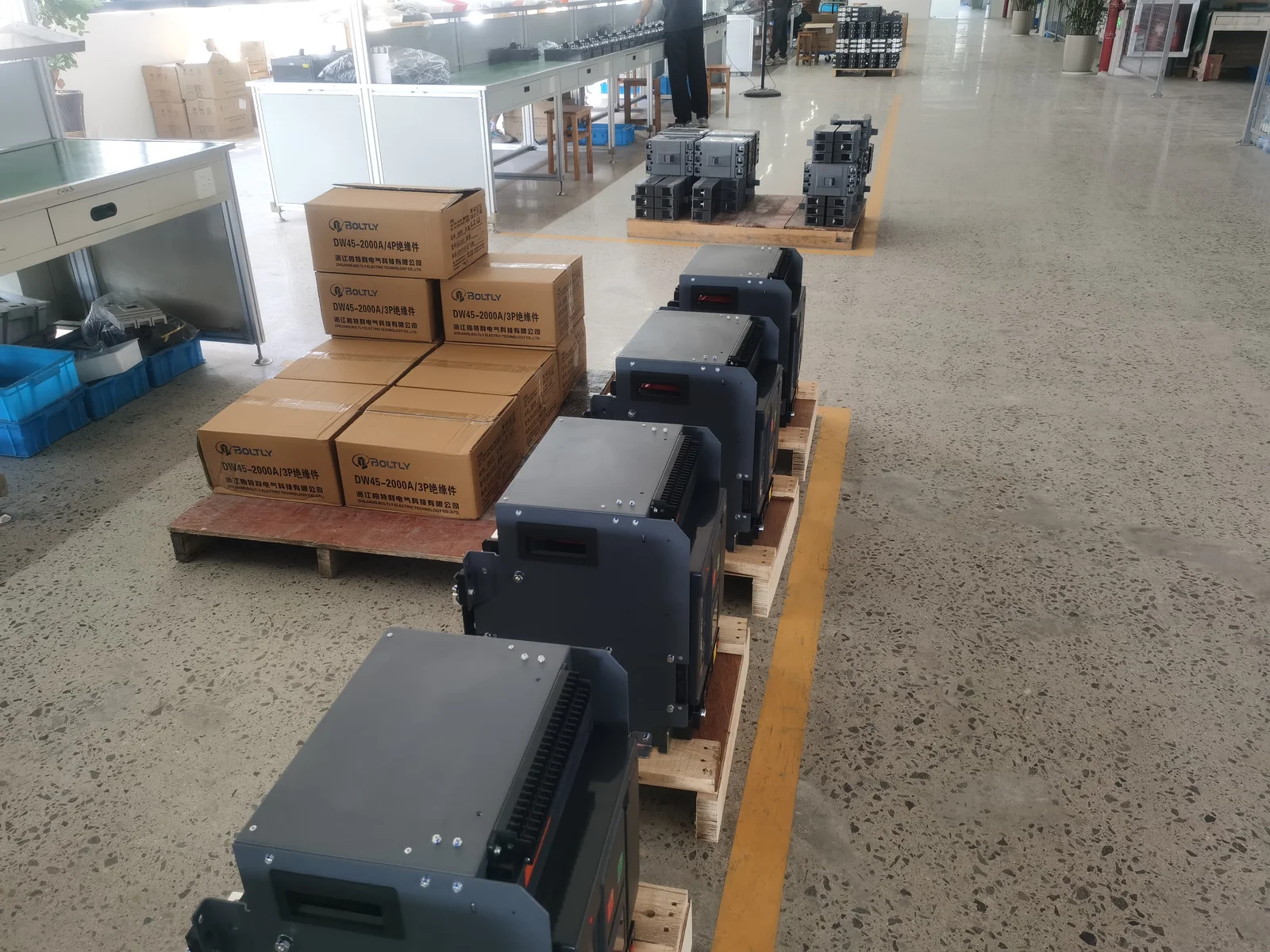
We wind with copper, not aluminium. Aluminium windings run hotter at the same rating and that matters more in a kitchen than almost anywhere else, because ambient temperature behind a cooking line is already high before you add any load. Every unit gets 100 percent testing in our own factory and ships with a batch test record showing input voltage, output under load and no-load current.
MOQ, Lead Time and Custom Plugs
The practical numbers: MOQ 10 pieces, production 15 to 25 days, FOB Ningbo or Shanghai, 12-month warranty. If you are opening one restaurant and only need three units, tell us and we will still quote, because we would rather you test a unit before you standardise on it for a group rollout.
Customisation is where restaurant orders differ from other jobs. We can supply the unit with the socket type your kitchen uses, print the 110V voltage on the faceplate in your own layout, set the output to 110V or 120V to match what your equipment labels actually say, and pack units individually so each one can go straight to its station with the paperwork attached. For groups opening several sites, give us the opening schedule and we will stagger the shipments so you are not storing twelve transformers in a dry store room.
Send Us the Equipment List and We Will Size It
You do not need a finished spec. Send the equipment list with the watts from each nameplate, a photo of one or two nameplates if you can, your mains voltage and frequency, the socket type in your kitchen, and how many stations you want to split across. From that we can size each unit, quote the quantity and give you a delivery window, usually the same working day.
Two other pages are worth ten minutes of your time while you put that list together. If your site also runs split units or a cold room with imported 110V equipment, our guide to a Step Down Transformer for Air Conditioner: Sizing & Safety covers the compressor side of the job, which is a different animal from a fryer. And if you are still working out the difference between stepping down, stepping up, or doing both, our page on step up & down transformers sets it out plainly. There are more buying guides on the site covering pumps, microwaves and plenty of other kitchen loads.
If any part of the list is unclear, send it anyway. Working out whether a 500W blender actually needs a bigger transformer than a 1500W fryer is exactly the kind of question we answer all day, and it is much cheaper to ask than to find out during a Friday night service.
Restaurant Transformer Questions Buyers Ask Most
These are the five that come up in our inbox most often, answered the way I would answer them on a call.
What size step down transformer do I need for a commercial kitchen?
Add the running watts of the appliances that can run at the same time, then add headroom. Use 25 to 30 percent on resistive loads like fryers and espresso boilers, and 100 to 200 percent on motor loads like blenders, mixers and fridge compressors. Send us the equipment list and we will do the arithmetic for you.
Why does my blender trip the transformer when the fryer runs fine?
Motors draw a current spike several times their running current for a fraction of a second at start-up. That inrush is what trips the unit. Fix it by sizing the transformer larger for motor loads, or by keeping heavy heaters and motors on separate transformers so they are not competing for supply at the same moment.
Can one step down transformer run my whole restaurant kitchen?
It can, but it becomes a single point of failure that will pick the busiest hour to fail. We usually recommend splitting the kitchen into stations, with one unit for the hot line, one for prep and bar, and a small unit for POS. That way a service issue on one station does not stop everything else.
Where should I mount a step down transformer in a commercial kitchen?
Somewhere dry, ventilated and away from the cooking line, off the floor, with clear space around the vents. Kitchens get hosed down and grease settles on everything, so a shelf above the fryer is the worst spot. Cleat it to a wall in the prep area or back corridor and bond the enclosure to earth.
Do you supply transformers for restaurant groups opening several sites?
Yes, and group orders are common for us. Our MOQ is 10 pieces, production runs 15 to 25 days, and delivery is FOB Ningbo or Shanghai. Send us your opening schedule and we will stage shipments so you are not warehousing stock. Every unit carries a 12-month warranty.
Send us your kitchen equipment list and we will size the transformers for you. Tell us the watts on each nameplate, how many stations you want to split across, and which country the restaurant is in. We will come back with a recommended unit per station, a quantity and a price, normally the same working day.
Or talk to us directly: WhatsApp +86 197 3022 6757 · Email sales@wilmall.com
MOQ 10 pcs · Lead time 15-25 days · FOB Ningbo or Shanghai · 12-month warranty