Why Do US Appliances Need a Step Down Transformer in Europe
If you have ever brought a 110V US appliance to Europe and plugged it in with just a travel adapter, you have probably already learned this the expensive way: a step down transformer is not optional. European mains run 220V to 240V at 50Hz, and 110V US gear cannot survive that voltage. Here is how to do it right.
Why 110V US gear dies on 230V
The physics is brutal. A 110V US appliance expects 110V to 120V AC. European mains deliver 220V to 240V, which is roughly twice the voltage. Doubling the voltage on a resistive load quadruples the power dissipation, which quadruples the heat, which destroys insulation and semiconductors in seconds. A US hair dryer plugged into 230V mains without a transformer will either trip the breaker or burn out within a minute.
Even modern electronics with switching power supplies have a maximum input voltage. Most accept 100V to 240V, so they work on European mains without a transformer. But anything with a linear transformer, an AC motor, or a heating element needs a real step down.
What actually needs a step down in Europe
Appliances that have universal voltage power supplies (marked 100V to 240V on the brick or label) work on European mains with just a plug adapter. This covers most modern laptops, phone chargers, camera chargers, and similar small electronics.
Appliances that need a step down transformer are the ones with single-voltage 110V or 120V power: hair dryers, curling irons, coffee makers, kettles, microwaves, refrigerators, treadmills, sewing machines, audio gear (turntables, tube amps, vintage receivers), workshop tools (drills, saws, sanders on 110V only), and US-spec kitchen ranges or dryers.
Travel adapters vs real transformers
A travel adapter changes the shape of the plug, not the voltage. The Type C or Type F European plug will fit a Type A or Type B US socket with the right adapter, but the appliance still sees 230V. This is the mistake that destroys appliances.
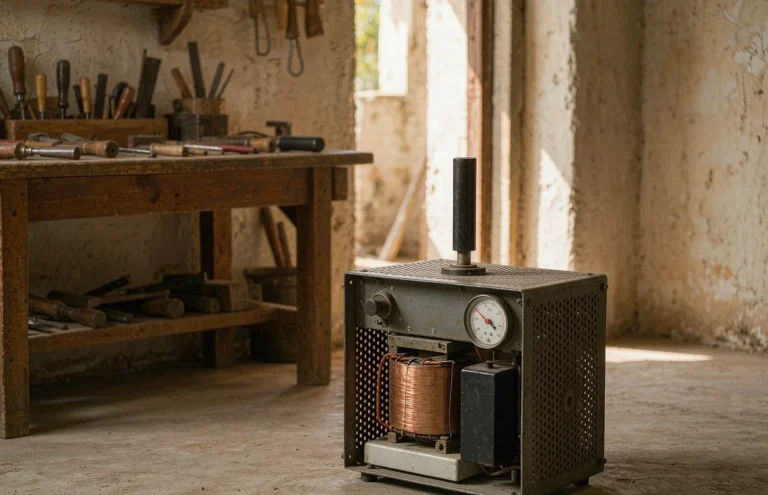
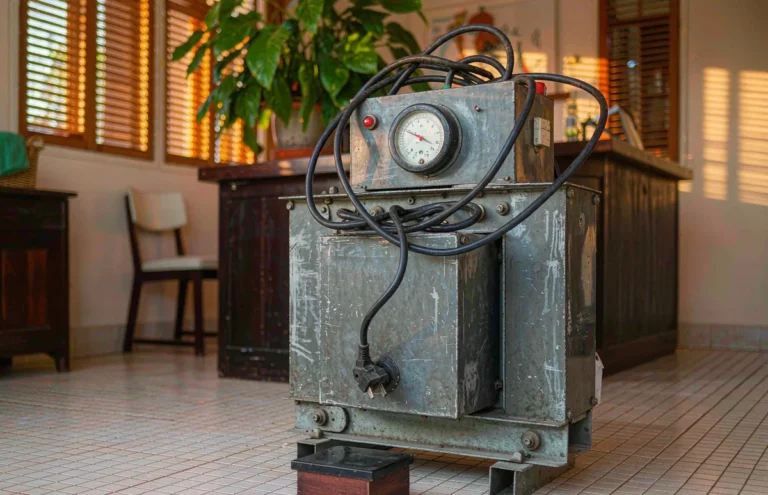
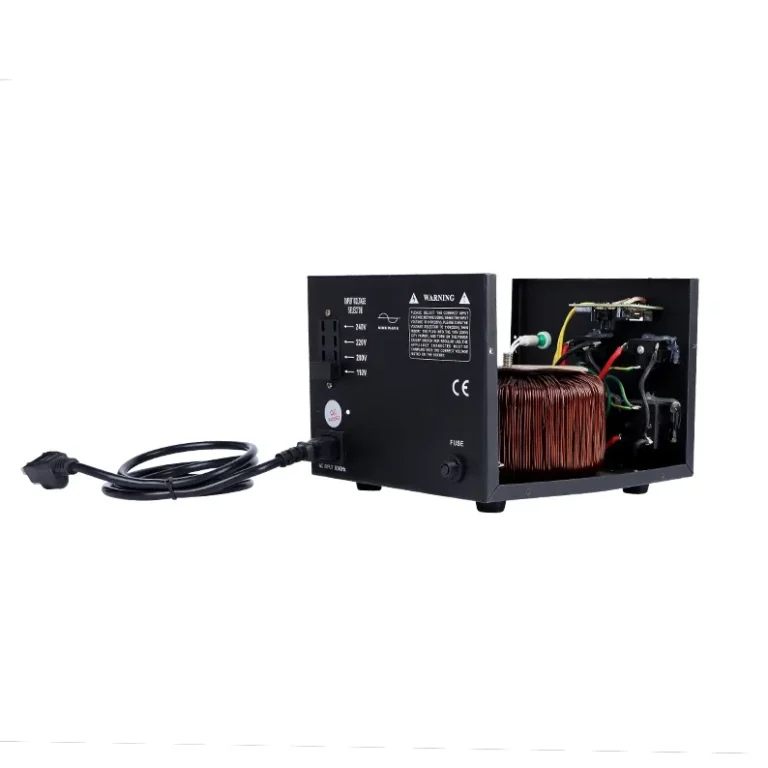
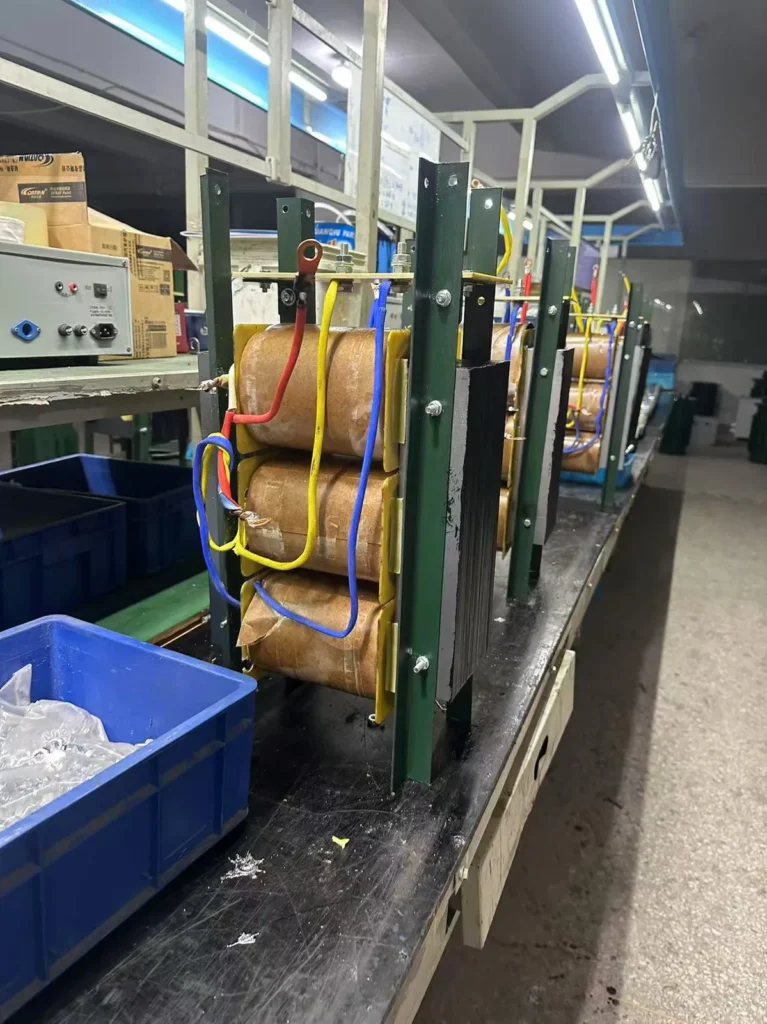
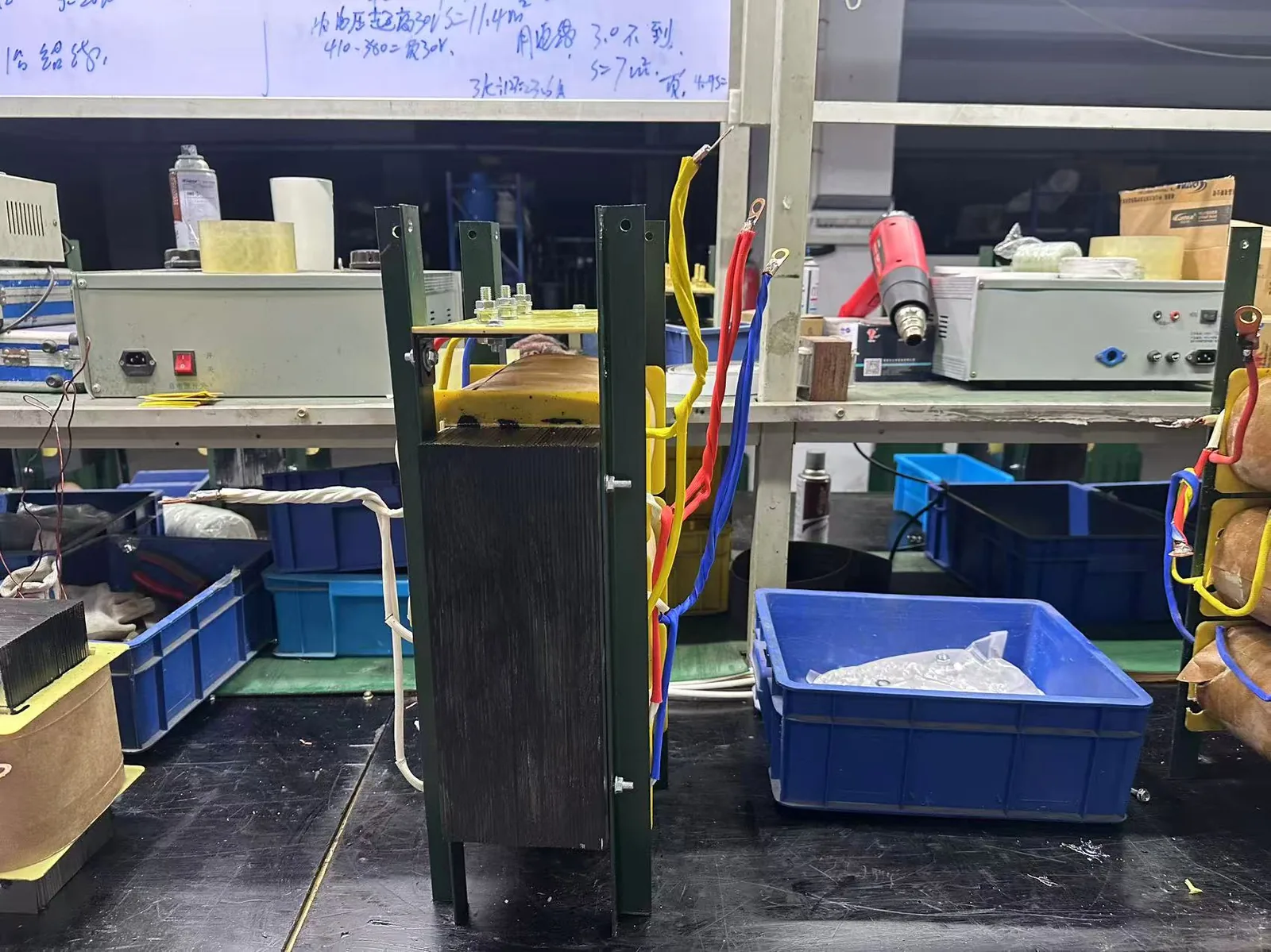
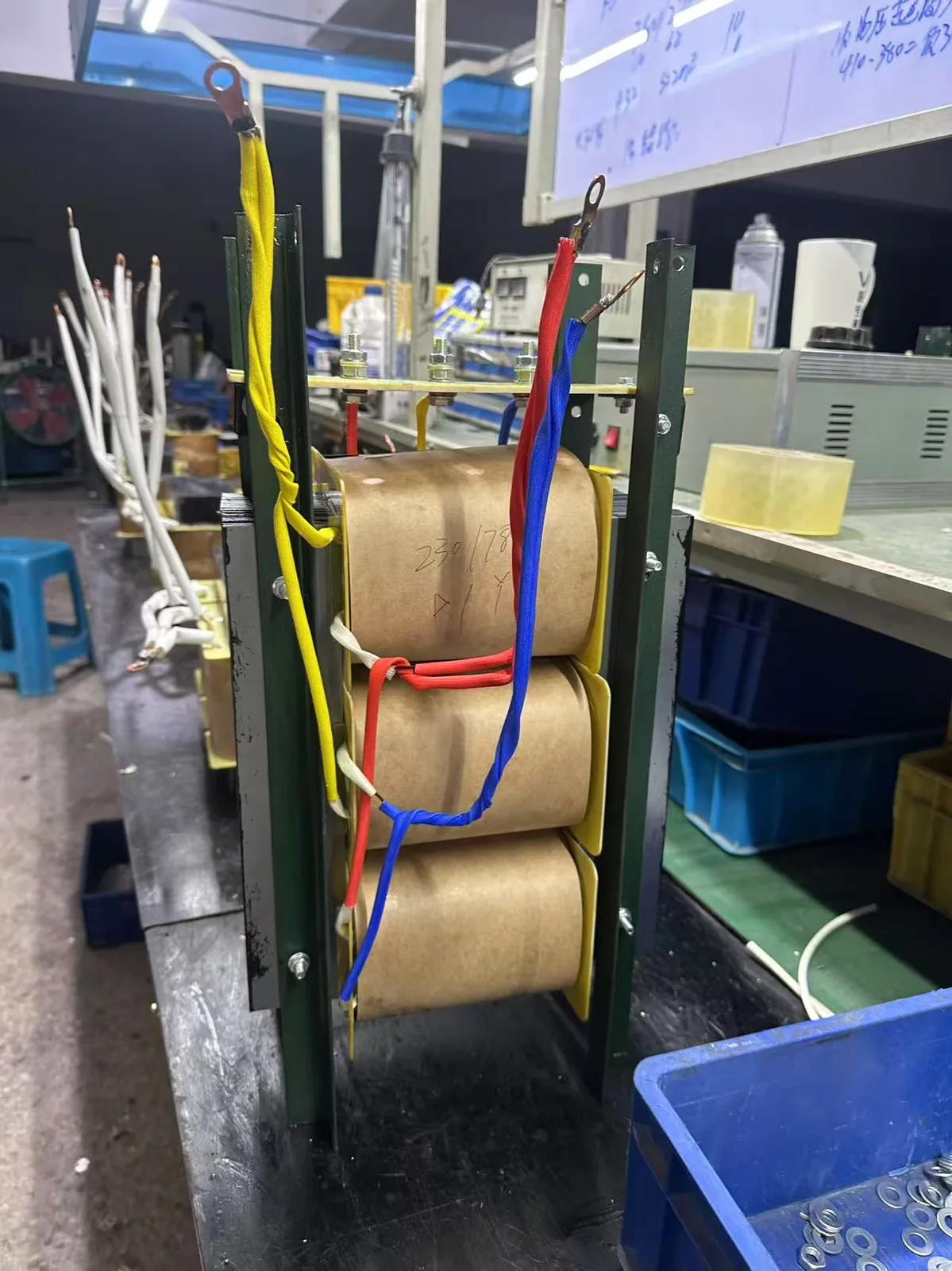
A step down transformer actually changes the voltage. Our ST series takes 220V to 240V input and outputs 110V to 120V, which is what your US appliance expects. You plug the transformer into the European mains, then plug your US appliance into the transformer.
For frequent travelers, we recommend a dedicated transformer in each major city or apartment rather than a portable unit. The dedicated unit runs cooler, lasts longer, and gives you more VA headroom for the appliances you actually use.
Recommended Wilmall models
- ST-1000 (1000VA) — for a 110V TV, audio gear, sewing machine, or single kitchen appliance under 700W.
- ST-2000 (2000VA, with RCD) — for a 110V hair dryer, microwave, espresso machine, or full kitchen setup.
- ST-3000 (3000VA) — for a treadmill, large workshop tool, or 110V dryer.
- ST-5000 (5000VA) — for a full US-spec kitchen range or central air unit.
If you are an importer or wholesaler shipping these to European customers, the most popular sizes are 1000VA and 2000VA. We can mix sizes in one container order with a 10 pcs minimum per model.
For a country-by-country breakdown of European voltage, see our Saudi Arabia guide or UAE guide (similar 220V markets).
Voltage by European country
Most of Europe runs between 220V and 240V, but the exact number varies by country. Germany, Austria and the Netherlands run close to 230V. France runs about 230V with Type E sockets. The UK runs 240V nominal with Type G sockets. Italy runs 230V with Type L sockets, which have a different shape from the German Schuko. Spain and Portugal are 230V with Type F. Switzerland runs 230V with a three-pin round socket that is not the same as Schuko.
For a step down transformer, the good news is that our ST series accepts the full 220V to 240V input range, so one unit works across every European country. What changes between countries is the plug. If you are buying transformers for resale in multiple countries, tell us which markets, and we will fit the correct input plug for each, which avoids a pile of plug adapters for your customers.
Multi-country travel setups
For frequent travelers, the worst setup is a transformer per trip with the wrong plug for the next country. The practical approach is one ST-1000 with a set of plug adapters for the countries you visit, or, if you are in a long-term assignment, one transformer per home with the local plug fitted.
We recommend against portable “travel transformers” sold in airport shops. They are usually under 500W, aluminum-wound, and labeled with a wattage that assumes 110V output, which is misleading for European 230V mains. A real 1000VA copper-wound unit with the right plug will last a decade and cost less per use.
If you are a relocation company or an embassy moving staff between countries, we can supply transformers with interchangeable plug heads and a case that keeps the cables organized. Several relocation agencies in Dubai and Riyadh already order this configuration from us.
Airport converters vs real transformers
Airport shops sell compact “universal” converters that look like the answer to every travel problem, and they are the single most common cause of fried appliances we hear about from expats. Those converters are usually electronic voltage converters rated for a few hundred watts, and the wattage printed on the box is often the peak momentary rating, not the continuous rating. Plug a 1500W hair dryer into a “3000W” airport converter and you will get a pop and a dead dryer.
The giveaway is weight. A real step down transformer that can handle 1500W continuous weighs at least 6 kg because of the copper and the core. Anything under 2 kg that claims 1500W is not a real transformer. If you are moving to Europe long term, buy the real thing once, it lasts a decade and covers every appliance you own.
European appliance standards and plugs
European appliances are built to a different standard from US gear, and the differences go beyond the plug. European appliances are rated for 230V and 50Hz, and their motors and heaters are wound for that. If you bring a European appliance to the US, you need a step up transformer, the reverse of the usual direction, and the same 80% rule applies in reverse.
The plug map matters just as much. Germany, France, Italy, Switzerland, and the UK all use different sockets, and a transformer with the wrong plug is useless even at the right voltage. When you order from us, tell us the country, and we fit the correct input plug. For multi-country buyers, the interchangeable plug head option covers the whole continent.
Step up for European gear in the US
If you moved the other way, from Europe to the US, with 230V European appliances, you need a step up transformer, 110V to 230V, and the sizing rules are identical. European appliances tend to be more efficient at the higher voltage, so a 1500W European kettle draws about 6.5 amps at 230V, well within a 2000VA step up unit.
The one thing to watch with step up units is that the transformer draws more current on the 110V input side, so the US plug and socket must handle it. A 2000VA step up draws about 18 amps at 110V input, which needs a 20A circuit, not the standard 15A outlet. Check your circuit before you plug in a large step up.
Common US appliances that need a transformer in Europe
Walk through a typical US expat household and you can list the appliances that need a step down transformer in Europe. The kitchen has the coffee maker, the blender, the toaster, and the microwave, all 110V, all needing a transformer. The bedroom has the hair dryer and the straightener. The living room has the turntable, the receiver, and often a US-spec TV that is 110V only.
Modern electronics with switching supplies, laptops, phones, cameras, and TVs from the last five years, usually accept 100V to 240V and only need a plug adapter. The transformers are for the appliances with motors, heaters, and linear supplies. When you are packing for a move, sort the gear into the two piles before you buy anything.
Long-term relocation checklist
For a long-term move to Europe, the checklist is: one 2000VA transformer for the kitchen, one 1000VA for the living room AV, and one 1000VA for the bedroom personal care gear. Buy the transformers in the US or have them shipped to your new home, and fit the correct plug for the country you are moving to.
Do not ship 110V appliances you will not actually use. The transformer cost adds up, and European versions of kettles, toasters, and dryers are cheap. Ship the US gear that matters, the appliances you love, and leave the commodity items behind. That keeps the transformer count and the freight bill down.
The frequency question deserves one more line because it surprises US buyers in Europe. European mains run 50Hz, and US appliances are built for 60Hz. Most modern electronics accept both, but anything with an AC motor that depends on the frequency, older fans, turntables with synchronous motors, some pumps, runs slightly slower on 50Hz no matter what the transformer does. The transformer fixes the voltage; the frequency is a property of the grid. If you are bringing a motor appliance that must run at exactly 60Hz speed, you need a frequency converter, not just a transformer.

Can I use a US 110V appliance in Europe with just a plug adapter?
No. A plug adapter only changes the shape of the prongs, not the voltage. European mains run 220V to 240V at 50Hz, which will destroy any 110V US appliance within seconds. You need a step down transformer that converts 230V to 120V (or close to it).
What size step down transformer do I need for a US appliance in Europe?
For a US appliance under 700W, get a 1000VA unit. For a US microwave, espresso machine, or space heater, get 1500VA or 2000VA. For a US dryer or kitchen range, you need a 3000VA to 5000VA heavy-duty step down.
Do US appliances work on 50Hz European mains through a transformer?
Most 110V US appliances built in the last 20 years use switching power supplies that accept 50Hz or 60Hz input without issue. Older motors or motors with synchronous timing can run hot on the wrong frequency. For modern electronics, the step down transformer handles the voltage and the appliance handles the frequency.
Are voltage stabilizers needed in addition to a step down transformer?
In most of Western Europe, mains voltage is stable enough that a step down alone is enough. In Eastern Europe or rural areas with frequent brownouts and surges, adding a voltage stabilizer before the step down protects the transformer and your appliance from spikes.